
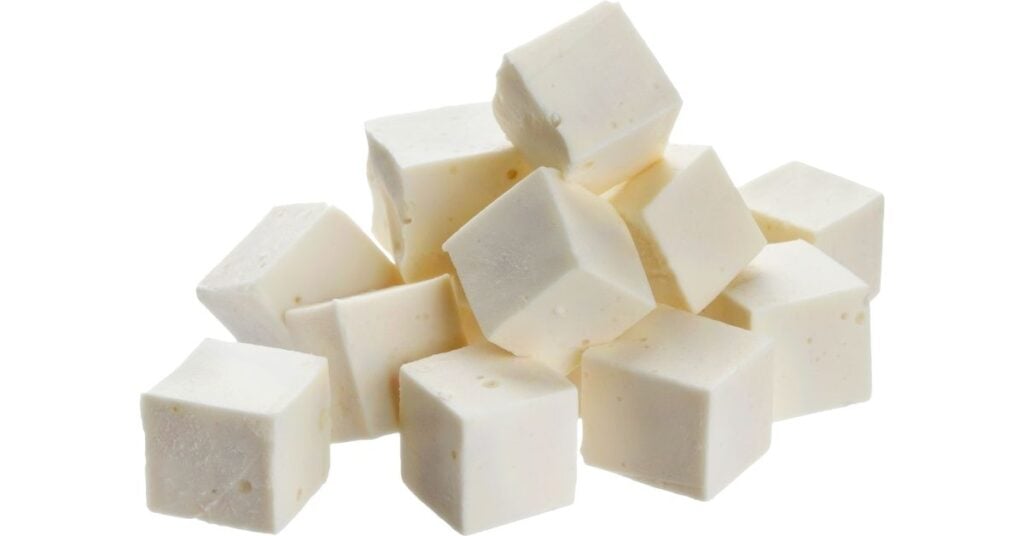
Yes, you can microwave tofu to remove excess moisture quickly or cook it thoroughly, provided you drain the liquid and cover the dish to retain steam.
You bought a block of tofu, but dinner needs to be on the table five minutes ago. You stare at the package and wonder if you can skip the long pressing time or the stovetop mess.
Microwaving tofu is not only possible, but it is also often the smartest move for efficiency. It changes the texture, drains water faster than gravity ever could, and steams the protein safely.
However, doing it wrong turns your bean curd into a rubbery eraser. Heat regulation and moisture control are the main factors here.
This guide explains exactly how to handle different tofu types in the microwave, safe heating times, and how to avoid an explosion in your kitchen.
Can I Microwave Tofu? The Short Answer
You absolutely can. In fact, many vegan chefs use the microwave specifically to prep tofu before frying or baking. It heats the internal water molecules, forcing them out of the sponge-like structure.
This process firms up the block much faster than piling heavy books on top of it for an hour. If you intend to eat it straight from the microwave, you just need to season it well.
Tofu is already cooked during the manufacturing process (soy milk is boiled to make the curds). You are technically reheating it or changing its texture rather than cooking it from raw.
This means you do not need to worry about raw meat bacteria, but you do need to worry about uneven heating. Microwaves heat from the outside in, and tofu is dense.
Why You Should Microwave Tofu
Speed is the primary benefit. A microwave drains tofu in about two minutes. A traditional press takes thirty minutes to an hour.
Texture improvement is another win. The heat causes the proteins to contract slightly. This makes the tofu chewier and meatier, which many people prefer over the soft, mushy texture of straight-from-the-pack tofu.
Microwave Prep And Times By Tofu Type
Not all bean curd blocks are created equal. Silken tofu falls apart if you look at it wrong, while super firm tofu can take a beating.
Knowing your type prevents a soup-like disaster. This breakdown covers the specific times and power levels you need for success.
| Tofu Variety | Power Level | Time (Approx.) |
|---|---|---|
| Silken / Soft | 50% (Medium) | 1–2 Minutes |
| Medium Firm | 75% (Med-High) | 2–3 Minutes |
| Firm | 100% (High) | 2–3 Minutes |
| Extra Firm | 100% (High) | 3–4 Minutes |
| Super Firm | 100% (High) | 3–5 Minutes |
| Smoked / Marinated | 75% (Med-High) | 2 Minutes |
| Fermented Cubes | 50% (Medium) | 30 Seconds |
| Fried Puffs (Tofu Puffs) | 100% (High) | 1 Minute |
How To Microwave Tofu To Drain Excess Water
If you want to bake or fry your tofu later, you must get the water out first. Water repels oil and prevents crisping. The microwave acts as a hyper-speed press.
Follow these steps to dry out your block without drying it out completely.
Step 1: Drain The Packaging
Open the pack and dump all the packing water. Give the block a quick rinse under cold tap water to remove any stale liquid from the surface.
Step 2: Wrap The Block
Wrap the entire block in three layers of paper towels. Do not use cloth towels here; they trap too much steam and get extremely hot. Paper towels allow some steam to escape while wicking away the moisture.
Step 3: Plate And Heat
Place the wrapped block on a microwave-safe plate. Heat on high for two minutes. You will see steam rising, and the paper towel will become soaked.
Step 4: Cool And Unwrap
Be careful. The block will be very hot. Let it sit for a minute so the internal heat continues to push water out. Unwrap it and pat it dry with a fresh paper towel. It is now ready to marinate or fry.
Cooking Tofu In The Microwave For Immediate Eating
Sometimes you just want to eat right now. You can make a full meal using just the microwave. The trick is cutting the tofu into smaller pieces to ensure even heat distribution.
Cubes work best. Cut your block into one-inch cubes. This increases the surface area.
Place the cubes in a microwave-safe bowl. Add your sauce now. Soy sauce, sesame oil, and chili garlic sauce work well. The tofu absorbs flavors better when it is warm, so cooking it in the sauce is smart.
Cover the bowl. You can use a microwave-safe lid or a loose sheet of parchment paper. This traps steam and poaches the tofu in the sauce. If you leave it uncovered, the edges will turn into hard leather.
Cook for two to three minutes, stirring halfway through. The stirring helps coat the cubes and moves the cooler center pieces to the hotter outer edges.
Can I Microwave Tofu? Safety And Texture Rules
While the process is safe, physics still applies. Microwaves excite water molecules. Tofu is mostly water.
If you heat a solid block for too long without a vent, internal pressure builds up. It rarely explodes like an egg, but it can split open or pop loudly, making a mess of your appliance.
Always vent your container. If you use Tupperware, pop the lid corner. If you use plastic wrap, poke a few holes in it.
Use microwave-safe ceramics or glass. Avoid cheap plastic containers that might warp under the high heat of the oil or sauce you added.
According to the USDA Food Safety and Inspection Service, microwave cooking can sometimes leave cold spots where bacteria survive, so cutting tofu into even chunks helps eliminate this risk.
Never put metal twist ties or foil in the microwave with your tofu. This seems obvious, but some pre-marinated tofu packages come with foil seals. Remove every bit of foil before hitting start.
Making Tofu Scramble In The Microwave
Tofu scramble is a classic breakfast. You do not need a skillet to make it. This method mimics the texture of scrambled eggs surprisingly well.
Crumble the firm tofu into a bowl with your hands. You want irregular chunks, not perfect cubes.
Mix in nutritional yeast, turmeric (for color), salt, and pepper. Add a splash of non-dairy milk to keep it moist.
Microwave on high for two minutes. Stir well. Microwave for another minute. The result is hot, fluffy, and ready for toast.
Avoiding The “Rubber Effect”
The biggest complaint people have is rubbery tofu. This happens when you overcook it. Tofu proteins tighten as they get hotter.
Once the water is gone, the protein strands bind together tightly. This creates a chewy, squeaky texture that feels odd between your teeth.
To fix this, reduce your power level. Cooking twice as long at 50% power yields a softer, more tender bite than blasting it at 100%.
Another trick is to add a small cup of water to the microwave if you are heating naked tofu. The ambient steam prevents the surface from drying out too fast.
Reheating Leftover Tofu Dishes
Leftover stir-fry often suffers in the microwave. The veggies get soggy, and the tofu gets tough.
The simple fix is a damp paper towel. Drape a damp paper towel directly over the food. This creates a mini steam sauna.
Heat in short bursts. Do thirty seconds, then stir. Do another thirty seconds. This protects the texture of the bean curd.
If the tofu was originally fried, it will lose its crispiness in the microwave. There is no way around this. The microwave environment is too humid for crispy crusts. An air fryer is better for restoring crunch, but the microwave is faster for simple reheating.
Vessel Choice Matters
The bowl you use changes the cook time. Glass heats up slower but holds heat longer. Ceramic heats evenly.
Round bowls heat more evenly than square ones. In a square container, energy concentrates in the corners, overcooking the tofu trapped there.
If you must use a square container, keep the tofu pushed toward the center, away from the corners.
Microwave vs. Stovetop vs. Oven
Understanding the trade-offs helps you decide when to use which method. The microwave wins on speed but loses on crust development.
This comparison highlights where the microwave shines and where it falls short.
| Feature | Microwave | Stovetop (Pan-Fry) | Oven (Baked) |
|---|---|---|---|
| Time Required | 2–5 Minutes | 15–20 Minutes | 30–45 Minutes |
| Texture Result | Chewy / Steamed | Crispy / Golden | Dense / Chewy |
| Oil Needed | Zero | Moderate | Light |
| Cleanup | Easy (One Bowl) | High (Splatter) | Medium (Pan) |
| Best For | Draining / Reheating | Main Dishes | Batch Prep |
Flavor Absorption Strategies
Tofu is a sponge. In the microwave, that sponge acts differently than in a pan.
Heat opens the pores of the tofu. If you microwave tofu sitting in a marinade, the liquid penetrates deeper and faster than it would cold.
Try “flash marinating.” Put your tofu in a marinade and microwave it for just one minute. Then let it cool. As it cools, it sucks the liquid into the center.
Use liquid-heavy sauces. Dry rubs do not work well in the microwave because they need oil or fat to bloom. Soy sauce, broths, and tomato bases thrive here.
Common Mistakes To Watch Out For
Overcrowding the bowl: If you pile cubes three layers deep, the middle ones will stay cold while the outer ones turn to leather. Spread them out in a single layer if possible.
Forgetting the steam vent: We mentioned this, but it bears repeating. A sealed container is a pressure bomb. Always leave a gap.
Using silken tofu for firm recipes: If a recipe calls for microwave-pressed tofu, do not use silken. It will dissolve into a hot puddle of soy milk.
Can I Microwave Tofu In The Package?
Technically, you can, but you shouldn’t. The plastic package is often not rated for microwave heat. It can warp or leach chemicals into the food.
Also, the water inside the package will boil. Opening a package of boiling water is a great way to burn your hands.
Always transfer the tofu to a microwave-safe dish. It takes ten seconds and saves you from potential burns and melted plastic.
Nutritional Impact Of Microwaving
Some people worry that microwaving destroys nutrients. This is largely a myth. In fact, because microwaving is so fast and uses very little water, it often preserves more water-soluble vitamins than boiling.
According to Harvard Health Publishing, cooking methods that use the shortest time and least amount of liquid do the best job of preserving nutrients. Microwaving tofu fits this description perfectly.
You retain the protein and calcium without leaching them out into a pot of boiling water that you dump down the drain.
Creative Ways To Use Microwaved Tofu
Once you master the can i microwave tofu question, you open up new quick meals.
Instant Miso Soup: Heat cubes in water with dashi powder. Stir in miso paste at the end. Lunch is ready in three minutes.
Hot Salad Topper: Microwave seasoned cubes while you chop lettuce. Toss them on top for a warm-cold contrast.
Porridge Add-in: If you eat savory oatmeal or congee, microwaving soft tofu into it adds creaminess and protein instantly.
Storing Microwaved Tofu
If you meal prep using the microwave, let the tofu cool completely before putting the lid on. If you seal it hot, condensation builds up. This promotes bacterial growth and makes the tofu slimy.
Store it in the fridge for up to four days. When you are ready to eat, you can—you guessed it—microwave it again to warm it up.
Final Thoughts On The Method
Microwaving tofu is a legitimate technique for the modern cook. It saves time on draining and offers a quick cooking method for soft, simple meals.
While it will never replace the deep fryer for crunch, it beats the stovetop for speed and convenience. Keep your power levels moderate, use a cover, and flavor it generously.
