
KitchPrep is a practical kitchen reference for one specific kind of question:
“What’s the safest, simplest way to handle this food at home?”
Most people aren’t looking for a recipe. They’re trying to avoid wasting food, avoid getting sick, and still end up with a meal that tastes good. That’s what I write about: storage, shelf life, reheating, and ingredient use — explained clearly, without internet drama.
Who Runs This Site
Hi, I’m Mohammad Maruf — the founder and writer behind KitchPrep.
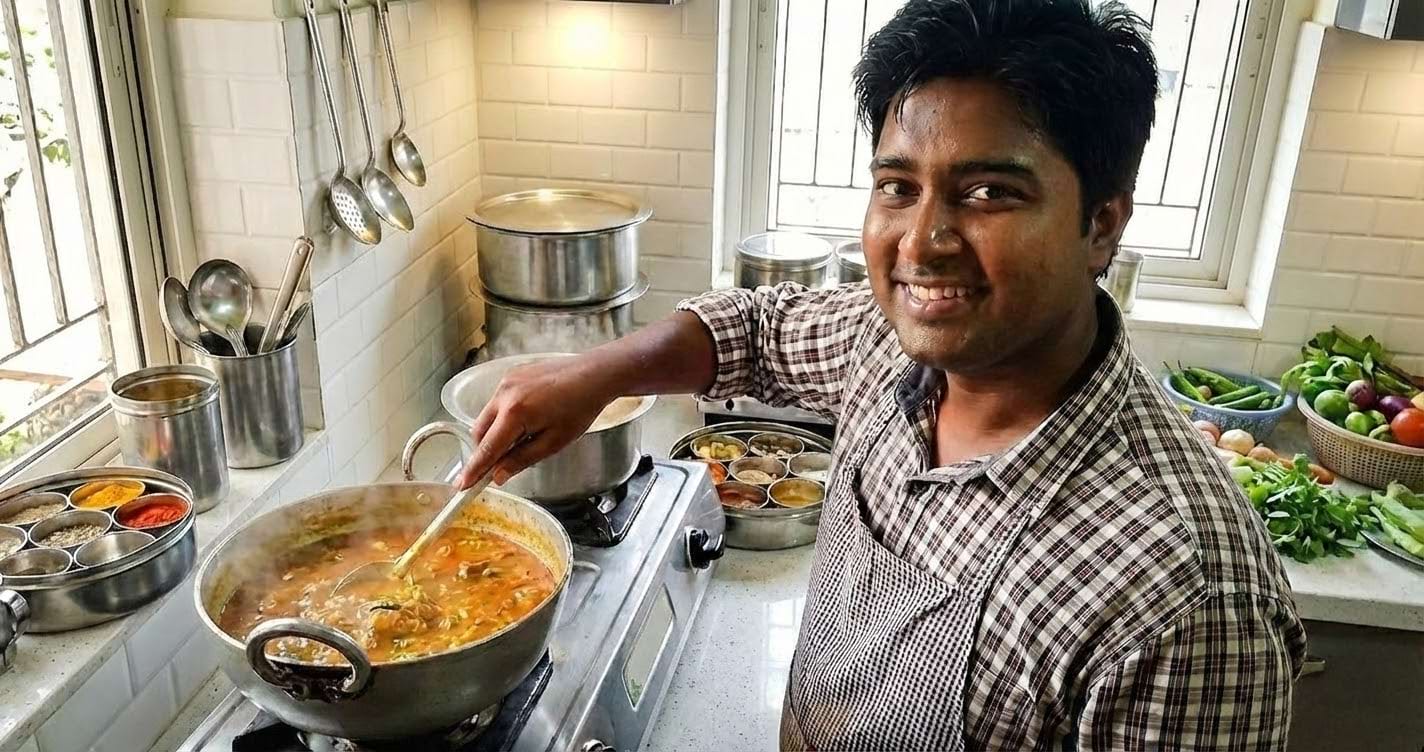
I’m not a food brand or a media company. I’m a home cook who got tired of searching the same questions and finding answers that were either vague (“it depends”), overly technical, or flat-out contradictory.
So I built KitchPrep to be the site I wanted to find: straight answers, practical steps, and safety-first guidance that fits real home kitchens.
Why I Started KitchPrep
A lot of kitchen advice online has two problems:
- It doesn’t explain the why (so readers don’t know what matters).
- It ignores real-world context (fridges vary, leftovers cool slowly, containers matter, and “smell test” isn’t a safety plan).
I kept running into the same situations:
- Leftovers in the fridge and no clear answer on what’s still safe
- Conflicting time ranges for the same food
- “Just reheat until hot” with no guidance for thickness, moisture, or method
- Articles that sound confident but don’t show where the guidance comes from
KitchPrep exists to make those decisions easier — and safer.
What You’ll Find On KitchPrep
KitchPrep is organized around everyday home-kitchen problems, not trendy content.
Food Storage & Shelf Life
How long foods last, how to store them properly, and what changes shelf life (temperature, packaging, moisture, and cross-contamination).
Reheating Without Ruining Food
Method-based instructions for microwave, oven, stovetop, and air fryer — with the goal of safe heat and decent texture.
Ingredients & Substitutions
What an ingredient does, when swaps work, when they don’t, and how to store common staples correctly.
Kitchen Safety That’s Practical
Simple, home-usable explanations of safety practices (cooling, reheating, thawing, storing, and avoiding risky shortcuts).
How KitchPrep Articles Are Written
When I publish an answer, I’m trying to do two things at the same time:
- keep it safe
- keep it usable
Here’s the process I follow for most guides:
1) I start with food-safety fundamentals.
I prioritize guidance from government and public health sources when available (for example: USDA, FDA, CDC, NHS, and other national food safety authorities).
2) I cross-check for consistency.
If guidance varies by country or organization, I don’t pretend there’s one perfect number. I explain the range and what causes the difference.
3) I write for home kitchens, not commercial kitchens.
I avoid restaurant-only assumptions (industrial cooling, blast chillers, strict holding equipment). If a rule changes depending on the kitchen context, I say so.
4) I separate “quality” from “safety.”
A food can be safe but taste bad, or taste fine but be risky. I make that distinction clearly so readers can make a smart call.
5) I update pages when guidance changes or readers flag issues.
If you spot something unclear or questionable, I want to fix it. Accuracy matters more than ego.
What KitchPrep Is Not
To keep expectations clear:
KitchPrep is not medical advice, and I’m not providing professional food-safety certification guidance. The site is educational and practical — meant to help you make better home-kitchen decisions using widely accepted safety principles.
If you’re dealing with high-risk situations (pregnancy, immunocompromised households, uncertain refrigeration, foodborne illness symptoms), the safest move is always to follow local public health guidance and consult a qualified professional.
Transparency
KitchPrep may use advertising and/or affiliate links to support the site. If a page includes affiliate links, it won’t change the safety guidance — I don’t trade trust for clicks.
Contact
If you have a question, correction, or topic request, email me:
I read messages personally, and reader questions directly shape what I publish next.