
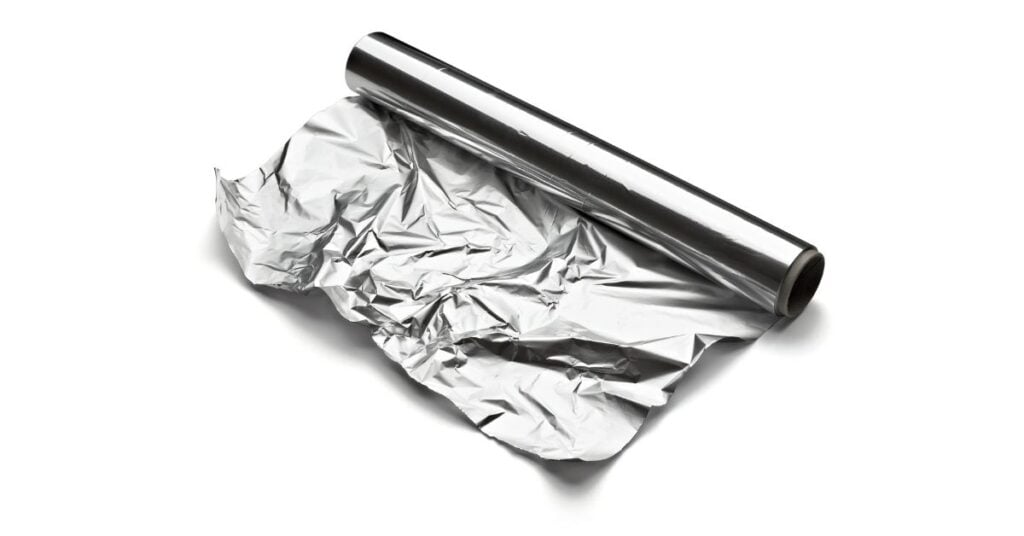
No, placing tin foil in the microwave is generally unsafe because the metal reflects energy, causes sparks, creates fire hazards, and can permanently damage the appliance.
You have likely stood in the kitchen with a leftover burrito, wondering if you can just toss the whole silver-wrapped package into the oven. It is a common dilemma.
Most of us heard the warnings growing up. We were told that metal inside a microwave equals disaster. Yet, you might see some food packaging that contains metal, or hear about “shielding” a roast.
This creates confusion. You need to know if your kitchen appliance will explode or if your food will cook properly.
Understanding the interaction between microwave energy and aluminum is the main way to keep your home safe. The rules are strict, but the physics behind them explain why.
Can I Microwave Tin Foil? – The Detailed Answer
The short answer is usually no. When you ask, “Can I microwave tin foil?” the safest response for most situations is to avoid it entirely. Aluminum foil is a thin sheet of metal. Microwaves are radio waves.
When these radio waves hit food, the water molecules vibrate and create heat. When these waves hit metal, specifically thin metal like foil, they cannot penetrate. Instead, the metal reflects the energy.
This reflection causes the electric fields to build up along the edges of the foil. If the foil is crinkled/crumpled, the electric charge concentrates at the sharp points.
This concentration of charge overcomes the air’s resistance. The result is a spark. This phenomenon is called arcing. It looks like miniature lightning inside your appliance.
Arcing can ignite the paper towel underneath your food. It can set fire to grease splatters on the walls of the oven. In severe cases, it can burn a hole through the metal wall of the microwave itself.
Why The Shape Matters
A smooth, flat sheet of thick metal often acts differently than a crumpled ball of foil. The flat sheet reflects waves like a mirror. The crumpled ball acts like a lightning rod.
Most foil used in cooking is wrinkled. It has hundreds of tiny ridges and points. Each of these points is a potential spot for a spark to jump.
This is why putting a foil-wrapped sandwich in the unit is dangerous. The many folds in the wrapper create the perfect environment for a fire.
Common Kitchen Materials And Microwave Safety
Knowing what materials are safe saves you from costly repairs. Below is a breakdown of common items and how they react to microwave radiation.
| Material Type | Microwave Safety Status | Primary Risk Factor |
|---|---|---|
| Aluminum Foil (Crumpled) | Unsafe | High risk of arcing and fire |
| Aluminum Foil (Flat/Shielding) | Conditional | Safe only if smooth and limited |
| Plastic Wrap | Safe (Check Label) | Melting chemicals into food |
| Glass Containers | Safe | Thermal shock if cold |
| Ceramic Plates | Safe | Some glazes heat up |
| Paper Towels | Safe | Fire if overheated/dry |
| Metal Rimmed Plates | Unsafe | Sparking at the trim |
| Styrofoam | Check Label | Melting and leaching |
The Science Behind The Sparks
To understand the risk, you have to look at how a microwave oven functions. The device uses a component called a magnetron tube. This tube generates high-frequency radio waves.
These waves bounce around the metal interior of the oven until they hit something they can absorb into, like water, fat, or sugar.
Metal walls in the oven are thick and flat. They reflect the waves safely. Aluminum foil is thin. It does not have the mass to withstand the currents generated by the waves.
When the waves hit the foil, electrons flow rapidly back and forth. The thin foil heats up quickly. If there is a gap or a wrinkle, the electricity jumps across it.
This creates ozone and high heat. If you see blue flashes, that is the air ionizing. This is a clear sign to stop the cooking cycle immediately.
Exceptions To The Rule: When Is It Okay?
There is a specific culinary technique where foil is acceptable. This is known as “shielding.” You might see this in instructions for cooking a whole chicken or turkey.
The USDA Food Safety and Inspection Service notes that small pieces of foil can shield parts of poultry to prevent overcooking. The wings and drumsticks cook faster than the breast.
Covering these small areas with smooth foil reflects the waves away. This allows the thicker parts of the meat to catch up.
Strict Rules For Shielding
If you choose to use foil for shielding, you must follow strict guidelines. Ignoring these leads to damage.
- New Foil Only: Use a fresh piece. Do not use wrinkled, used foil. Smooth it out completely against the food.
- Coverage Limit: The foil should not cover more than one-quarter of the total food surface area.
- No Wall Contact: The foil must stay at least one inch away from the oven walls, ceiling, and floor. If it touches the metal walls, it causes a short circuit.
- Check The Manual: Some older microwaves or specific brands strictly forbid any metal. Always read your user guide first.
Microwaving Aluminum Foil Risks And Consequences
Ignoring the “Can I microwave tin foil?” question usually leads to trouble. The consequences range from ruined food to a ruined kitchen.
Fire Hazards
The sparks from arcing are hot. They can easily ignite parchment paper, cardboard take-out containers, or dry food. A fire inside a microwave spreads quickly because of the fan systems used for ventilation.
Once a fire starts, the smoke can damage the interior coating of the appliance. It also ruins the taste of any future meals cooked in that unit.
Magnetron Damage
The magnetron is the engine of your microwave. It is also the most expensive part. When waves reflect off foil and have nowhere to go, they can bounce back into the feed tube.
This “feedback” energy overheats the magnetron. It can cause the tube to fail prematurely. Replacing a magnetron often costs nearly as much as buying a new microwave.
Glass Turntable Breakage
Arcing produces intense localized heat. If a spark hits the glass turntable, the sudden temperature change causes thermal shock. The glass plate can shatter instantly.
How To Handle Take-Out Containers
Many restaurants use aluminum containers for delivery. These are sturdy and keep heat well. They are awful for microwaving.
The thick rims of these containers are prime spots for electric buildup. Even if the bottom is flat, the rim acts like a wire loop. This creates a strong current.
Always transfer your food to a microwave-safe plate. Ceramic or glass works best. It takes thirty seconds to switch containers. It takes weeks to deal with a kitchen fire claim.
Some newer take-out containers look like plastic but have a thin metal lining. If the container is opaque and silver on the inside, treat it like foil. Check the bottom for the “Microwave Safe” symbol.
Safe Alternatives For Covering Food
We use foil to stop splatters and keep moisture in. Since foil is risky, you need other options. There are several safe ways to cover your meal.
Paper Towels
A damp paper towel is an excellent cover. It allows steam to escape so the food does not get soggy. It also catches grease splatters.
Make sure the towel is plain white. Some dyes in patterned towels can bleed into food when heated.
Microwave-Safe Plastic Covers
You can buy vented plastic domes specifically for this purpose. They are rigid and sit over the plate. They are easy to wash and completely safe from arcing.
They prevent messes without the risk of fire. They also allow you to see the food as it cooks.
Wax Paper And Parchment
Wax paper is safe for microwave use. It is non-reactive and lets steam pass through. Parchment paper is also safe and withstands higher heat.
Do not confuse wax paper with plastic wrap. Plastic wrap must be placed loosely and should not touch high-fat foods, as they can get hot enough to melt the plastic.
Comparison Of Food Covering Methods
Choosing the right cover changes the texture of your leftovers. Here is how different safe materials compare to the risky foil option.
| Covering Method | Best Used For | Main Advantage |
|---|---|---|
| Damp Paper Towel | Pasta, Rice, Veggies | Retains moisture well |
| Vented Plastic Dome | Plated Meals, Soups | Prevents all splatters |
| Wax Paper | Meats, Casseroles | Non-stick surface |
| Glass Lid | Steaming Veggies | Heavy, keeps heat in |
| Upside Down Plate | Bowl of Soup | Free and available |
| Aluminum Foil | Shielding Only | Blocks heat (Risk involved) |
What To Do If You Forget
Accidents happen. You might toss a wrapped sandwich in without thinking. You hit the start button.
If you see sparks:
- Stop The Oven: Hit the “Stop/Clear” button or pull the door handle immediately. Cutting the power stops the waves.
- Inspect The Damage: Look for scorch marks on the walls or the door mesh.
- Check The Food: If the foil burned, aluminum oxide particles might be on your food. It is best to discard the food if the wrapper is charred.
- Vent The Room: Ozone and burnt plastic smells linger. Open a window.
If the microwave seems dead or makes a loud humming noise after the incident, the magnetron is likely damaged. Do not attempt to use it again until a professional checks it.
Understanding Crisping Sleeves
You might ask, “Can I microwave tin foil?” because you have seen crisping sleeves. These are the grey sleeves that come with frozen pizzas or hot pockets.
These sleeves contain a “susceptor.” This is a very thin layer of metal deposited on film. It absorbs microwave energy rather than reflecting it.
This absorption creates radiant heat, which crisps the bread. This is an engineered product designed for safety. It is not the same as household aluminum foil.
Do not try to make your own crisping sleeve with standard foil. It will not work and will likely spark.
The Verdict On Tin Foil
The risks outweigh the benefits. While manufacturers allow limited shielding, the margin for error is small. If the foil slips and touches the wall, you have a problem.
Most modern microwaves cook evenly enough that shielding is rarely needed for everyday meals. Using safe alternatives like glass lids or paper towels removes the anxiety.
Keep the silver roll for the oven or the grill. Keep it out of the microwave.
Official Guidelines And Manuals
Every appliance is different. The GE Appliances Support page mentions that while small amounts of foil can be used for shielding, it should never cover the food entirely. Other brands take a harder stance.
If your user manual says “No Metal,” that is the final word. The engineers who built the device know its tolerances best.
Following the manual ensures your warranty stays valid. Microwaving metal is often classified as “misuse,” which voids your coverage.
Microwaving Aluminum Foil Guidelines For Safety
If you absolutely must use foil for shielding a poultry wing, remember the precision required. Smooth the foil down. Check the clearance distances.
Do not leave the kitchen. Watch the cooking process through the door window. If you see a single spark, stop.
The best practice is to switch to a microwave-safe method. It is faster, safer, and gets the job done without the light show.
