
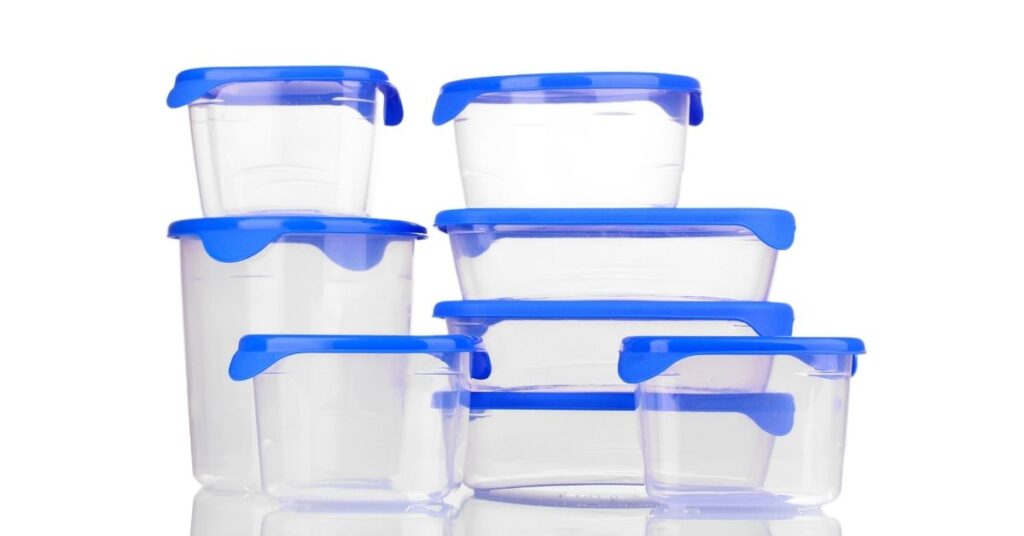
Yes, you can microwave Tupperware products, but only if the container displays the squiggly lines symbol or states “Microwave Safe” on the bottom.
Many households use “Tupperware” as a generic term for any plastic storage container. However, the specific brand and the type of plastic determine safety. Putting the wrong plastic in the microwave can lead to warped containers, ruined food, or chemical leaching. You must check the bottom of every single piece before hitting the start button.
We will break down exactly how to identify safe containers, which food types pose a risk to plastic, and why the age of your container matters significantly.
Identifying Microwave Safe Tupperware Symbols
You cannot determine safety just by looking at the thickness of the plastic. Manufacturers use specific visual codes to communicate heat resistance. You need to flip the container over and look for raised icons stamped directly into the material.
The universal symbol for microwave safety consists of three to five squiggly lines. These lines represent microwave waves. Sometimes these lines appear inside a square, or they might float above a small dish icon. If you see this symbol, the manufacturer has tested the product for heat tolerance.
If you see a symbol with a strike-through or no symbol at all, assume the item is unsafe for heating. Heat can cause these plastics to soften, melt, or release additives into your meal.
Common Recycling Numbers And Heat Tolerance
If you cannot find a squiggly line symbol, check for the recycling triangle. This number tells you the resin type. While not a guaranteed safety guide, it gives you a strong clue about the material’s melting point and intended use. Polypropylene (PP) is the gold standard for microwave-safe containers, while others should strictly stay in the fridge or pantry.
The following table details the most common plastic types found in kitchens and their reaction to microwave heat.
| Recycling Number | Plastic Name | Microwave Safety Verdict |
|---|---|---|
| #1 | PET / PETE (Polyethylene Terephthalate) | Unsafe. Warps at low heat. Intended for single-use cold items like water bottles. |
| #2 | HDPE (High-Density Polyethylene) | Usually Unsafe. While durable, it is rarely designed for high heat. Check for specific labeling. |
| #3 | PVC (Polyvinyl Chloride) | Never. Releases toxins when heated. Used in cling wraps and some older containers. |
| #4 | LDPE (Low-Density Polyethylene) | Sometimes. Often used for lids. Lids may warp even if the base is safe. Check labels. |
| #5 | PP (Polypropylene) | Safest Choice. High melting point. Most legitimate microwave-safe containers use this. |
| #6 | PS (Polystyrene) | Never. Styrofoam melts rapidly and leaches chemicals like styrene into food. |
| #7 | Other (Polycarbonate/PLA) | Risky. This catch-all category includes Polycarbonate, which contains BPA. Avoid unless labeled explicitly safe. |
| #7 | Tritan / Copolyester | Usually Safe. Modern, durable plastics often fall here. Look for “BPA-Free” and safe symbols. |
The Big Question: Can I Microwave Tupperware?
When you ask, can I microwave Tupperware, you must distinguish between the brand name and the category. Genuine Tupperware Brand products produced after 2010 are free of Bisphenol A (BPA). The company produces specific lines like CrystalWave and Vent ’N Serve designed specifically for reheating.
However, many people own “vintage” Tupperware inherited from parents or grandparents. Products made before 2010 often contain BPA. Heating these older containers accelerates the breakdown of the plastic, potentially allowing chemicals to migrate into food. You should relegate vintage pieces to dry storage or cold items only.
If you own generic plastic tubs from a dollar store or takeout restaurant, exercise extreme caution. Takeout containers are frequently meant for single-use transport. They degrade quickly under high heat. If the bottom of the container does not clearly answer “yes” to can I microwave Tupperware via a symbol, transfer your food to a ceramic plate.
Understanding The Danger Of “Hot Spots”
Microwaves do not heat food evenly. They excite water molecules, creating intense pockets of heat. This uneven heating causes specific areas of the food to reach temperatures far exceeding the boiling point of water. Fats and sugars react differently than water.
Oil, cheese, and sugary sauces can heat up rapidly, acting like napalm against the side of the plastic. This creates a phenomenon called “pitting.” You may have noticed a rough, white textured ring inside your container after reheating lasagna. That ring is actual damage where the plastic melted slightly due to the extreme heat of the food fats.
Once a container shows signs of pitting, staining, or peeling, you must discard it. The structural integrity is compromised, and the damaged surface becomes a breeding ground for bacteria that a dishwasher cannot fully clean.
Guidelines For Reheating High-Fat Foods
Certain foods pose a higher risk to your plasticware than others. High-fat contents absorb microwave energy efficiently and reach temperatures that exceed the thermal limit of standard polypropylene. Even if a container is technically “microwave safe,” tomato-based sauces and oily curries can stain or damage the material permanently.
To preserve your containers, lower the power setting on your appliance. Reheating at 50% power takes longer but distributes heat more evenly, reducing the risk of blistering the plastic. Stirring the food halfway through the cycle also prevents super-heated pockets from damaging the container walls.
Using a glass container for oily foods is always the superior choice. Glass is non-porous and chemically inert. It will not absorb odors, stain red, or warp under the intense heat of melted cheese.
Proper Use Of Lids And Venting
A common mistake involves sealing the lid tight before heating. As food heats, it releases steam. If that steam has nowhere to go, pressure builds up inside the container. This pressure can warp the shape of the container or cause the lid to pop off explosively, creating a mess.
Modern microwave-safe containers often feature a built-in steam vent. You pop a small tab on the lid to allow steam to escape while keeping the moisture in. This prevents food from drying out.
If your container does not have a vent, you must unseal the lid. Rest the lid loosely on top of the container, slightly askew. This acts as a splatter guard but allows dangerous pressure to vent safely. Be careful when removing the lid after heating, as the escaping steam can cause serious burns.
Avoid latching locking clips during the heating process. The heat can expand the air inside, creating a vacuum seal as it cools. This vacuum can make the lid impossible to remove or crush the container inward.
Safety Risks: Can I Microwave Tupperware?
We need to address the health aspect when you ask, can I microwave Tupperware. The primary concern with heating plastics involves migration. Migration is the transfer of chemical substances from the food contact material into the food itself.
BPA is the most famous concern, but phthalates are another group of chemicals used to make plastics flexible. Health organizations advise against heating food in plastics containing these compounds because heat accelerates migration. The National Institute of Environmental Health Sciences notes that some chemicals in plastics can act as endocrine disruptors, mimicking hormones in the body.
Using only containers marked safe ensures that the levels of migration are within limits considered safe by regulatory bodies. However, switching to inert materials like ceramic or glass eliminates this risk entirely.
The “Cool Touch” Myth
Some users believe that if the plastic handles are cool, the container is safe. This is false. Plastic is an insulator, meaning it does not conduct heat well. The handles might feel cool while the plastic touching the boiling soup is nearing its melting point.
Always use oven mitts or a towel when removing hot containers. The food inside transmits heat to the plastic walls. A container that feels sturdy when cold may become flexible and wobbly when hot. Gripping a hot, soft plastic container too hard can cause it to collapse, spilling scalding food on your hands.
Food Types To Watch Out For
Not all leftovers are created equal. Some foods are gentle on plastic, while others are aggressive. Knowing which items to keep out of your plasticware extends the life of your storage set.
The table below outlines foods that require extra caution or alternative cookware.
| Food Type | Risk Level | Why It Damages Plastic |
|---|---|---|
| Tomato Sauce / Chili | High | Lycopene in tomatoes stains plastic red. Acid + heat creates pitting. |
| Butter / Oil / Grease | High | Fats reach temps above 212°F (100°C), exceeding plastic melting points. |
| Curries (Turmeric) | Medium | Causes permanent yellow staining and holds odors deeply. |
| Sugary Syrups / Jam | High | Sugar heats rapidly and caramelizes, burning the plastic surface. |
| Water / Broth | Low | Safe. Water boils at 212°F, which quality PP plastic handles well. |
| Steamed Vegetables | Low | Safe. Steam does not exceed temperatures that damage safety-rated plastic. |
Alternatives To Microwaving Plastic
If you feel uncertain about a specific container, do not risk it. Several alternatives provide safer and more durable heating options.
Glass storage containers have become the industry standard for meal prep. Borosilicate glass withstands extreme thermal shock, meaning you can take it from the freezer to the microwave without breakage. Brands like Pyrex or Anchor Hocking make containers with plastic lids. You store with the lid, remove it, and heat the glass base.
Ceramic bowls are another excellent option. They hold heat well and look good enough to serve on the table. However, ensure your ceramic glaze is lead-free and microwave safe, as some artisanal pottery can crack.
Paper plates offer a quick fix for dry items like pizza or sandwiches. Avoid plastic-coated paper plates, as that thin plastic layer can melt into the food. Look for uncoated, compostable paper products.
Silicone is a newer entrant to the market. Food-grade silicone is highly heat resistant and flexible. It is generally considered safe for microwave use, but like plastic, quality varies. Stick to reputable brands that use 100% food-grade silicone without fillers.
Checking For Wear And Tear
Even the highest quality microwave-safe container has a lifespan. Plastic is not a forever material. Repeated heating and cooling cycles stress the polymer chains, eventually leading to brittleness.
Inspect your collection regularly. Look for white bands around the bottom or sides, which indicate stress marks. Run your finger along the inside; if you feel rough patches or deep scratches, throw the container away. Scratches harbor bacteria and expose the inner layers of the plastic to heat.
Cloudiness is another sign of age. If a clear container turns permanently hazy or opaque, it has degraded from heat and dishwasher detergents. Retiring these old pieces protects your food quality.
Safe Use Of Plastic Wrap
Many people cover their Tupperware with plastic wrap to prevent splatters. If you do this, ensure the wrap does not touch the food. USDA guidelines suggest leaving at least an inch of space between the food surface and the plastic wrap.
Plastic wrap acts like a greenhouse. If it touches hot, fatty food, it can shrink-wrap onto the meal and melt. Wax paper, parchment paper, or a simple paper towel are safer splatter guards that breathe and do not carry melting risks.
Understanding Manufacturer Instructions
Every brand provides specific care instructions. The symbol is your shortcut, but the manual is your bible. Some containers are “reheat only,” meaning they are designed for short bursts of 2-3 minutes, not full cooking sessions.
Cooking raw food in plastic requires significantly more time and energy than reheating leftovers. This prolonged exposure increases the chance of warping. Save the actual cooking for glass or ceramic cookware and use your plastic containers strictly for warming up pre-cooked meals.
If you buy a set, keep the care card or take a photo of it. It will tell you if the lids are top-rack dishwasher safe or if the bases can handle the freezer. Following these rules prevents the premature death of your storage set.
Old Containers: Can I Microwave Tupperware From The Past?
We touched on this, but it bears repeating because it is a frequent safety violation in homes. That yellow or harvest-gold bowl from the 1980s is a collector’s item, not a cooking vessel. Standards for plasticizers and additives were different decades ago.
Older plastics were often designed for storage and serving, not the intense localized heat of a modern microwave. They are more likely to scratch, stain, and leach. If you cherish your vintage collection, keep it for cold pasta salads or dry snacks. Do not nuke it. This preserves the item and protects your health.
When in doubt, use the “transfer rule.” It takes ten seconds to spoon your leftovers onto a plate. This small step eliminates all guesswork about can I microwave Tupperware and guarantees a safer meal. It also usually results in better-tasting food, as plates allow for more even heating than deep plastic tubs.
