
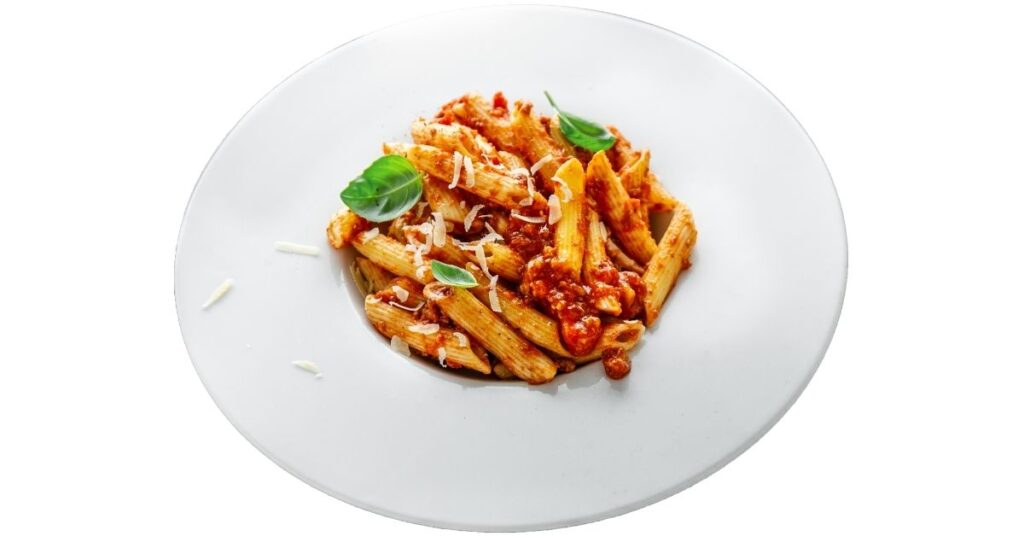
Yes, you can make pasta with all purpose flour, as long as you knead the dough well, let it rest, and roll it thin before cooking.
Can I Make Pasta With All Purpose Flour? Basics Of Dough
Many home cooks type “can i make pasta with all purpose flour?” into a search bar right before dinner. The answer is a clear yes.
Traditional Italian recipes often lean on durum wheat semolina or finely milled “00” flour, but all purpose flour has enough protein
to build gluten and create tender, slightly chewy pasta. The tradeoff is texture: your noodles might feel a bit softer and less firm
than dried boxed pasta, yet they still hold sauce well and taste fresh.
All purpose flour usually sits in the middle range for protein content, around 9–12% depending on the brand. That middle range lets
dough stretch and bend without tearing, while still staying pleasant to bite into. A higher protein flour, such as bread flour or
semolina, gives more bite and spring. A lower protein flour, such as cake flour, stays too weak for pasta and tears easily when rolled.
How All Purpose Flour Compares To Other Pasta Flours
If you already have a favorite bag of all purpose flour, you can make fresh pasta without any special shopping trip. Still, it helps to
see how it stacks up against other options you might see in recipes, so you know what to expect from the dough and the finished noodles.
| Flour Type | Typical Protein Range | Pasta Texture Result |
|---|---|---|
| All Purpose Flour | About 9–12% | Soft bite, tender noodles, easy to roll |
| 00 Flour | Around 11–12% | Silky dough, smooth sheets, gentle bite |
| Semolina (Durum) | Often 12–14% | Firm bite, strong shape, classic “al dente” feel |
| Bread Flour | About 12–14% | Very chewy, can feel dense if overworked |
| Whole Wheat Flour | About 13–15% | Nuttier taste, darker color, slightly coarse bite |
| All Purpose + Semolina Mix | Blend of both | Balanced chew, easier rolling, better shape hold |
| Gluten Free Blend | Varies | Can work with added binders; softer and more delicate |
The middle ground protein level in all purpose flour is why it shows up in so many baking recipes. A detailed
protein percentage guide from King Arthur Baking
explains how this range allows doughs to develop enough gluten for structure while still staying tender for many uses, fresh pasta included.
Making Pasta With All Purpose Flour At Home
Once you know that all purpose flour works, the next step is turning it into dough. A simple formula keeps things easy: flour, eggs, a pinch
of salt, and sometimes a splash of water or olive oil. You do not need a mixer or special tools. A clean counter, a fork, and a rolling pin
can give you a bowl of noodles that feel far from boxed pasta.
Ingredients And Ratios For All Purpose Flour Pasta
A common starting point is one large egg for every 100 grams of flour. For a small batch that feeds two people, that means about 200 grams
(roughly 1 ⅔ cups) of all purpose flour and two eggs. Add a small pinch of fine salt. If the dough feels stiff and crumbly, splash in
a teaspoon of water at a time. If it feels sticky, coat the counter with a light dusting of flour and work it in.
Egg size, room humidity, and the exact brand of flour all affect how dough feels under your hands. A higher protein all purpose flour pulls
in more moisture and may need extra water. A softer, lower protein flour may reach the right feel with just eggs. Treat the ratio as a guide,
then let the dough texture lead your choices while you mix and knead.
Mixing And Kneading By Hand
To mix by hand, pile the flour on a clean counter, make a shallow well, and crack the eggs into the center. Sprinkle in the salt. Use a fork
to break the yolks, then slowly pull flour from the rim into the eggs until a thick paste forms. When the fork can no longer move easily,
switch to your hands and start pressing the dough together.
Knead by pushing the dough away from you with the heel of your hand, folding it back over itself, and turning it a quarter turn between strokes.
Keep going until the surface looks smooth and the dough feels stretchy instead of rough. This usually takes eight to ten minutes. All purpose flour
responds well to this steady work: gluten strands line up, which lets the dough roll thin without tearing.
Resting, Rolling, And Cutting The Dough
Once the dough feels smooth, wrap it in plastic film or place it in a covered bowl. Let it rest at room temperature for at least thirty minutes.
This pause lets the gluten relax, so the dough does not spring back every time you roll it. Skip this pause and you end up wrestling with tight,
shrinking sheets that fight the rolling pin.
After resting, cut the dough into two or four pieces. Work with one piece at a time and keep the others wrapped so they do not dry out. Roll each
piece from the center outward, turning it now and then so you keep a rough rectangle. Dust lightly with flour if the dough sticks. When you can
see the shadow of your hand through the sheet, it is thin enough for tagliatelle or fettuccine. Fold the sheet loosely and slice into strips with
a sharp knife.
Step-By-Step Pasta Dough With All Purpose Flour
If you want a quick checklist, this section walks you through the main moves from scale to pot. Once you have followed it a couple of times, you
can adjust the steps to fit your own habits and kitchen tools.
Simple All Purpose Flour Pasta Method
Step 1: Measure And Salt The Flour
Weigh 200 grams of all purpose flour onto your counter or into a large bowl, then add a pinch of fine salt. Spreading the salt through the flour
keeps the final dough seasoned from within instead of only on the surface.
Step 2: Add Eggs And Bring Dough Together
Crack two large eggs into a well in the flour. Stir with a fork until the mixture thickens, then pull in more flour with each stir. When the fork
can no longer cut through, switch to your hands and press loose bits into a single ball. If you still see dry flour that will not join, sprinkle
in water in tiny amounts and keep pressing.
Step 3: Knead Until Smooth
Knead the dough for eight to ten minutes. At first it feels rough and shaggy. After a few minutes, it starts to feel springy and smooth. You can
test the gluten by stretching a small piece between your fingers; if it stretches thin without ripping instantly, the dough is ready to rest.
Step 4: Rest The Dough
Form the dough into a ball, wrap it, and let it rest for at least half an hour on the counter. For deeper flavor and a bit more color, you can chill
the wrapped dough for a few hours, then bring it back toward room temperature before rolling.
Step 5: Roll And Cut
Dust your counter and rolling pin with flour. Roll one piece of dough from the center outward, flipping and rotating as you go. When the sheet feels
thin and wide, fold it gently into thirds and slice strips with a sharp knife. Shake the strips loose and dust with a tiny bit more flour so they do
not stick together.
Cooking And Saucing Your All Purpose Flour Pasta
Fresh pasta cooks far faster than dried pasta from a box. Bring a large pot of water to a rolling boil and add salt until the water tastes pleasantly
seasoned. Drop in a handful of noodles at a time, stirring so they do not clump. Most fresh all purpose flour pasta cooks in two to four minutes,
depending on thickness.
To check doneness, bite into a strand. Look for a cooked edge with a small, slightly opaque center. That tiny line means the pasta still has a bit of
bite. Once you like the texture, scoop the pasta straight into a warm pan of sauce, along with a splash of the cooking water. The starch from the
water helps the sauce cling and stay glossy.
Matching Shapes And Sauces
All purpose flour pasta works nicely with many sauces. Thin ribbons such as tagliolini pair well with light olive oil or butter based sauces. Wider
ribbons such as pappardelle can handle slow cooked ragù. Short shapes cut from rolled sheets, such as maltagliati, suit chunky vegetable sauces or
brothy beans. The slightly softer bite from all purpose flour pairs especially well with creamy sauces and gentle tomato sauces that coat each strand.
Common Mistakes With All Purpose Flour Pasta
Many problems come from dough that is either too dry or too wet, or from skipping the rest phase. A little awareness during mixing and kneading
helps you avoid these headaches. Use the table below as a quick reference while you work at the counter.
| Problem | What You See | Quick Fix |
|---|---|---|
| Dough Too Dry | Cracks as you fold or roll it | Spray or brush with water and knead again |
| Dough Too Sticky | Clings to hands, counter, or pin | Dust lightly with flour and knead a few minutes |
| Dough Tears When Rolled | Holes appear as you thin the sheet | Rest dough longer so gluten can relax |
| Noodles Stick Together | Clumps in the pot or on the tray | Use more flour when cutting and separate strands well |
| Pasta Turns Mushy | No bite, water looks cloudy and thick | Boil in a larger pot, cook for a shorter time |
| Pasta Feels Tough | Chewy and dense texture | Roll a bit thicker next time or knead a little less |
| Dough Lacks Flavor | Flat taste even with sauce | Add a pinch more salt to the dough and salt the water well |
When you read guides on flour types, such as the
bread vs all purpose flour guide from Serious Eats,
you see how protein and gluten affect the chew of doughs. That same logic applies to fresh pasta: once you understand how all purpose flour behaves,
it becomes much easier to fix problems on the fly.
When To Mix All Purpose Flour With Semolina
Some cooks like to mix equal parts all purpose flour and semolina for pasta dough. This blend keeps the easy rolling and soft handling of all purpose
flour while borrowing extra strength and bite from semolina. If your noodles feel too soft or break easily during cooking, try swapping a quarter or
half of the flour for semolina next time.
Semolina has a coarse, sandy feel and a golden color. It brings a firm, slightly rough surface that grips sauce especially well. All purpose flour
smooths that roughness so the dough still rolls and cuts without much effort. The mix suits shapes that need to hold a defined edge, such as farfalle
or hand cut pappardelle, while still staying friendly for beginners.
Answering The Question One More Time
If the thought “can i make pasta with all purpose flour?” still lingers, treat your next batch of dough as proof. You do not need rare flours to put
a plate of fresh noodles on the table. With steady kneading, a short rest, and patient rolling, you turn that everyday flour into ribbons that soak up
sauce and taste fresh and rich.
Use the simple ratios in this guide, lean on the problem and fix table when dough feels stubborn, and adjust with small amounts of water or flour instead
of big swings. After a few rounds, your hands learn the feel of a ready dough. At that point, you will reach for all purpose flour with confidence
whenever a pasta craving hits, even if the pantry holds nothing else.
