
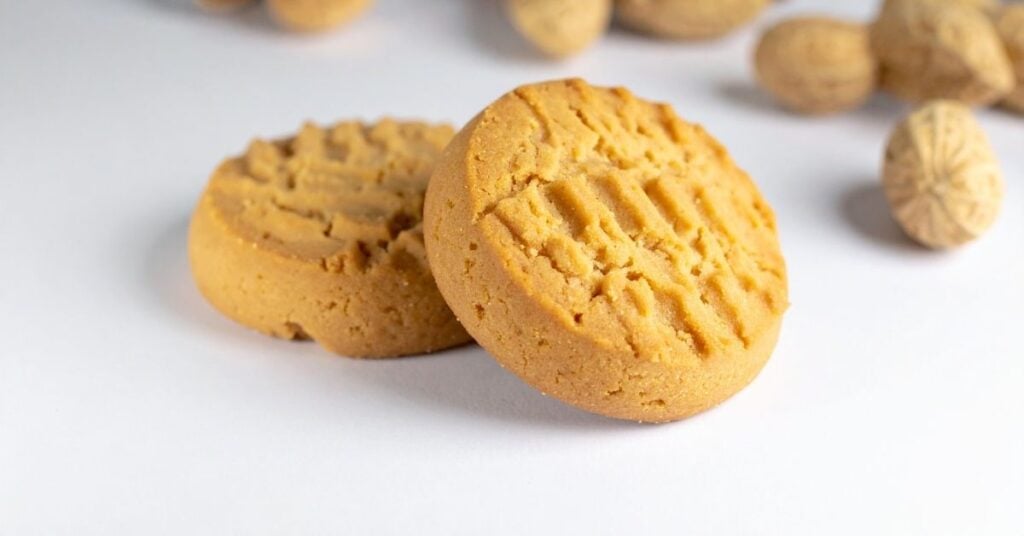
Yes, you can make peanut butter cookies without eggs by using rich peanut butter, sugar, and simple egg swaps like flax or chia “eggs”.
Can I Make Peanut Butter Cookies Without Eggs? Short Answer And Basics
Short answer: yes. You can bake tender, rich peanut butter cookies without cracking a single shell. Eggs usually add binding, moisture, and a bit of lift to cookie dough. In this style of recipe, the fat and protein in peanut butter step in to hold everything together, so you still get fragrant, chewy cookies that hold their shape on the tray.
When home bakers ask, can i make peanut butter cookies without eggs?, the real concern hides underneath that question. Will the dough crumble, spread too much, or taste odd? With the right ingredient balance and a calm approach to mixing and baking time, egg free batches come out tasting just as comforting as the classic version.
| Egg Substitute | How To Use In Cookies | Texture And Flavor Notes |
|---|---|---|
| No Substitute, Just Peanut Butter | Use a simple mix of peanut butter, sugar, and baking soda for a three ingredient style dough. | Dense, chewy center with crisp edges; strong peanut taste; slightly fragile while hot. |
| Flax “Egg” | Mix 1 tablespoon ground flax with 3 tablespoons water; let gel, then stir into the dough. | Adds gentle binding and a bit of nuttiness; helps the cookie hold shape with less crumbling. |
| Chia “Egg” | Mix 1 tablespoon chia seeds with 3 tablespoons water; soak until thick, then add. | Gives stronger binding than flax; visible seeds add a tiny crunch to each bite. |
| Milk Or Plant Milk | Stir in 1 to 3 tablespoons to loosen a stiff dough and help it come together. | Softer, slightly puffed cookies with a mild dairy or plant flavor in the background. |
| Yogurt Or Thick Non Dairy Yogurt | Replace one egg with 3 tablespoons yogurt, then adjust flour by a tablespoon if dough feels wet. | Soft, tender crumb with a hint of tang; edges brown evenly. |
| Mashed Banana | Use 1/4 cup ripe banana in place of one egg; reduce sugar slightly. | Soft, cake like texture; mild banana aroma that blends with peanut flavor. |
| Commercial Egg Replacer | Prepare according to package directions and stir into the dough with the wet ingredients. | Predictable binding and spread; neutral taste; helpful when you bake egg free often. |
The table above shows that you have several paths to eggless peanut butter cookies. Simple three ingredient versions lean entirely on peanut butter to bind the dough, while flax or chia versions behave closer to classic cookie recipes. Mashed fruit or yogurt change the flavor profile, yet keep the dough cohesive enough to scoop, roll, and press with a fork.
On top of that, peanut butter is already rich in fat and protein. That combination makes the dough naturally sticky, so even a small batch with no classic egg stand in can still bake into tidy rounds with crosshatch marks that hold through the oven spring.
Why Peanut Butter Cookies Work Without Eggs
Peanut butter cookies have a built in advantage when you skip eggs. The spread in the oven comes mainly from sugar and fat, not from steam inside beaten eggs. As long as the dough holds together when you squeeze a spoonful in your hand, it will sit happily on the tray instead of falling apart in crumbs.
The fat in peanut butter coats flour particles and keeps gluten from turning the cookie tough. Peanut solids also behave a little like the proteins in eggs, giving extra structure once the cookies cool. Articles on egg function in baking, including a practical King Arthur Baking guide on eggs in batters, explain this same pattern again and again. Eggs bind, lift, and moisten cookie dough so bakers get chewy centers and crisp edges with even browning. When you remove them, you need something else to handle binding and moisture, or you adjust ratios so flour, fat, and sugar stay in balance.
How Eggs Usually Behave In Cookie Dough
In standard cookie recipes, whole eggs carry water, fat, and protein into the dough. The water turns to steam and helps create tiny bubbles. The fat from the yolk adds richness and tender texture. Proteins set as the dough bakes and help each cookie hold its height instead of collapsing into a puddle.
That blend of moisture, fat, and protein gives cookies their familiar balance between crisp edges and soft centers. When you plan an egg free peanut butter cookie, you keep the same goals in mind while letting peanut butter and simple swaps handle more of the work.
What Changes When You Skip Eggs
Take eggs away, and the dough loses one common source of structure. If you keep everything else the same, the mix may crumble when you try to scoop it, or the cookies may bake up dry. Peanut butter helps by offering both fat and protein, but you still need a little liquid and the right amount of sugar so the dough clings together.
That is why bakers reach for flax or chia gels, a splash of milk, or a spoonful of yogurt. Each choice adds a small amount of liquid and some binding power. With peanut butter cookies, you rarely need more than one simple swap to bring the dough back in line.
Egg Free Peanut Butter Cookie Ingredients And Ratios
Now that you know why eggless cookies can work, it helps to lay out a clear ingredient list. A typical small batch of egg free peanut butter cookies needs just a handful of pantry staples. You can keep things as minimal as a three ingredient peanut butter cookie, or you can build a more classic style dough with flour and baking powder.
Choosing The Right Peanut Butter
Peanut butter sits at the center of the recipe, so the style you pick changes the result. Shelf stable brands with added oil and sugar give the dough steady texture and a rich, sweet flavor. Natural peanut butter that separates in the jar can still work, yet you need to stir it until totally smooth and sometimes chill the dough so it does not spread too far.
Smooth peanut butter gives the most even texture, especially for simple three ingredient doughs. Chunky versions bring tiny peanut pieces that add crunch but can make small cookies more fragile while they cool. For egg free batches, smooth peanut butter usually gives a more forgiving dough and more even browning.
Sweeteners, Flour, And Fat
Most eggless peanut butter cookie recipes lean on granulated sugar, brown sugar, or a mix. Granulated sugar helps the cookies spread and crisp at the edges. Brown sugar keeps the center more tender. You can adjust the ratio based on how soft or crisp you want the result.
Flour gives extra body. A small amount, around half to one cup for a standard home batch, helps the dough feel less greasy and stand taller in the oven. A modest pinch of baking powder or baking soda gives gentle lift. Extra butter is optional here, since peanut butter already carries plenty of fat.
Troubleshooting Egg Free Peanut Butter Cookies
Even with a clear method, every kitchen throws small surprises. Oven temperature, humidity, and peanut butter brand all nudge the result in different ways. This section walks through common problems and small fixes that help your next batch turn out closer to what you want.
Cookies Turn Out Dry Or Crumbly
Dry, crumbly cookies usually mean too much flour or not enough liquid. Next time, spoon flour into the measuring cup instead of packing it. You can also add a teaspoon or two more milk or egg substitute to loosen the dough before baking. A short bake time helps as well, since long time in the oven drives more moisture away.
Cookies Spread Too Much
When egg free cookies spread into flat circles, the dough often contains too much sugar or fat compared with flour. Chilling the dough before baking makes a big difference. You can also add a tablespoon or two of extra flour, especially if you used natural peanut butter with plenty of oil on top.
Flavor Feels Flat
If the taste feels one note, reach for a pinch more salt and a little vanilla extract next time. Toasting the peanut butter gently in a skillet for a minute or two before mixing also deepens flavor. Just cool it back to room temperature so it does not melt the sugar and make the dough greasy.
Food Safety And Storage Tips
Egg free dough reduces one source of risk, yet raw flour still needs heat before it is safe to eat. Public health agencies remind home bakers that raw dough can carry germs in both eggs and flour. Guidance on raw dough safety from the Centers for Disease Control and Prevention explains why cookie dough should be baked before people snack on it, even when the recipe skips eggs. You can read that advice in the CDC raw dough safety overview.
Baked eggless peanut butter cookies store well at room temperature for several days in an airtight tin. For longer storage, freeze them flat on a tray, then move them to a bag once solid. Thaw at room temperature or rewarm briefly in a low oven so the edges crisp up again.
During mixing, handle ingredients with clean hands and tools, and store flour, peanut butter, and any dairy add ins according to label directions from local food safety agencies. That habit keeps your egg free recipes just as safe as they are tasty.
Full Recipe: Classic Eggless Peanut Butter Cookies
This easy recipe uses a flax egg for binding, resulting in a tender, bakery-style cookie without the eggs. It yields approximately 20 standard cookies.
- Prep Time: 15 minutes
- Cook Time: 10 minutes
- Total Time: 25 minutes
- Yields: 20 Cookies
- Calories: ~120 kcal per cookie
Ingredients
- 1 cup Creamy Peanut Butter (Shelf-stable preferred)
- 1/2 cup Granulated White Sugar
- 1/2 cup Packed Brown Sugar
- 1 tbsp Ground Flaxseed Meal + 3 tbsp Warm Water (Mix to make “flax egg”)
- 1 tsp Vanilla Extract
- 1 cup All-Purpose Flour
- 1/2 tsp Baking Soda
- 1/2 tsp Baking Powder
- 1/4 tsp Salt
Instructions
- Preheat Oven: Preheat your oven to 350°F (175°C) and line two baking sheets with parchment paper.
- Make the Flax Egg: In a small bowl, whisk together the 1 tablespoon of ground flaxseed meal and 3 tablespoons of warm water. Let it sit for 5 minutes until it thickens into a gel-like consistency.
- Cream Sugar and Butter: In a large mixing bowl, beat the peanut butter, granulated sugar, and brown sugar together until creamy and smooth (about 2 minutes).
- Add Wet Ingredients: Add the thickened flax egg mixture and the vanilla extract to the bowl. Beat until well combined.
- Mix Dry Ingredients: In a separate bowl, whisk together the flour, baking soda, baking powder, and salt.
- Combine: Gradually add the dry ingredients to the wet ingredients. Mix until just combined and no dry streaks of flour remain. Do not overmix.
- Scoop and Shape: Scoop tablespoon-sized balls of dough. Roll them into smooth balls with your hands and place them on the baking sheet, spaced 2 inches apart.
- Fork Mark: Using the back of a fork, gently press down on each ball in a crisscross pattern to flatten the cookie.
- Bake: Bake for 9–11 minutes. The edges should look set and slightly golden, but the centers may still look soft.
- Cool: Let the cookies cool on the baking sheet for 5 minutes (they will firm up as they cool), then transfer to a wire rack to cool completely.
So can i make peanut butter cookies without eggs? Yes, and you can do it with simple pantry ingredients, small tweaks to texture, and a watchful eye on bake time. Once you have one eggless batch that you love, write the ratios down and stick the note to your fridge, so the next craving turns into a fresh tray of cookies with almost no guesswork.
