
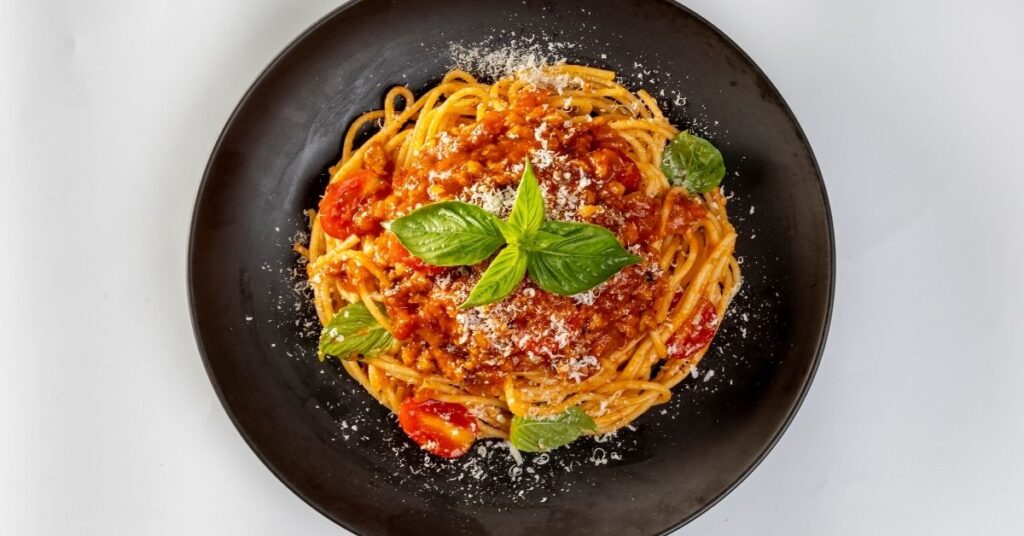
Yes, you can make pasta sauce with tomato paste by thinning it with liquid, adding fat, aromatics, and seasoning until the flavor tastes balanced.
Staring at a can or tube of tomato paste and a box of pasta, you might wonder if that thick red concentrate can stand in for a full pasta sauce. The good news is that it can, and the result can be rich, bright, and full of character if you build it the right way.
Tomato paste is simply tomatoes cooked down until most of the water is gone. That means it already packs strong tomato flavor and natural sweetness. Turn it into pasta sauce and you have a budget-friendly, pantry-based option that cooks in the time it takes for water to boil and pasta to soften.
Anyone who has ever asked “can i make pasta sauce with tomato paste?” is really asking about ratios, timing, and flavor balance. Once those pieces fall into place, this method becomes a reliable weeknight habit, not a last-resort move.
Can I Make Pasta Sauce With Tomato Paste? How It Works
Tomato paste is concentrated tomato. To turn it into pasta sauce, you add liquid to loosen it, fat to carry flavor, aromatics to build depth, and seasoning to bring everything in line. Think of paste as the foundation, not the whole dish.
A simple starting ratio for a medium-thick sauce is about one part tomato paste to three or four parts liquid by volume. That liquid can be water, broth, or starchy pasta cooking water. From there, you adjust thickness on the stove until the sauce clings nicely to noodles.
The table below lays out the building blocks you can mix and match when making pasta sauce from tomato paste.
| Component | Role In Sauce | Practical Tips |
|---|---|---|
| Tomato Paste | Provides concentrated tomato flavor and color | Use 2–4 tablespoons for 2–3 servings of pasta |
| Liquid (Water, Broth, Pasta Water) | Thins paste into a pourable sauce | Start with 1/2–3/4 cup and adjust as it simmers |
| Fat (Olive Oil, Butter) | Rounds sharp edges and carries flavor | Use 1–3 tablespoons, warmed before adding paste |
| Aromatics (Garlic, Onion, Shallot) | Add savory depth and sweetness | Sauté gently until fragrant, not browned |
| Seasoning (Salt, Pepper) | Brings flavors into balance | Salt after the sauce simmers for a few minutes |
| Herbs And Spices | Shape the style of the sauce | Try dried oregano, basil, chili flakes, or bay leaf |
| Sweetness And Acid | Softens harsh notes and brightens flavor | Add a pinch of sugar or splash of vinegar only if needed |
| Optional Extras | Personalize texture and taste | Add grated cheese, olives, capers, or a spoon of cream |
Once you see each part in its place, the idea of “turning paste into sauce” feels less mysterious. You start by toasting the paste lightly in fat, give it moisture, then let heat pull those pieces together into one sauce that coats pasta instead of sliding off.
Core Ingredients For Tomato Paste Pasta Sauce
Tomato Paste And Liquid
Tomato paste gives you intensity that canned crushed tomatoes or passata do not always match in a quick cook. It is rich in natural sugars and glutamates, which explain the deep savory hit in even simple sauces. Nutrition data from resources such as USDA FoodData Central show that tomato paste is dense in potassium and lycopene compared with many fresh tomato servings, which makes it a handy pantry item for more than just flavor.
Because paste is so thick, liquid choice matters. Water works fine, especially if you add some pasta cooking water later. Light vegetable or chicken broth adds body. If you enjoy a slightly glossy finish that clings to noodles, reserve about a cup of pasta water; its starch helps sauce and pasta bond.
Fat And Aromatics
Olive oil is the classic choice for pasta sauce from tomato paste. Butter adds a softer, rounder finish and mellows bright acidity. Many cooks use a mix of the two, starting with oil and finishing with a knob of butter stirred in at the end, a method also used in quick red sauces on sites like Serious Eats for extra richness in short cooking times.
Garlic, onion, or shallot form the base of the flavor. Slice or chop them and cook on low to medium heat until they smell fragrant and turn slightly translucent. High heat can burn garlic in seconds, which leads to a bitter sauce that even extra sugar cannot fully fix.
Seasonings, Herbs, And Sweetness
Salt is not just about saltiness. It sharpens tomato flavor and helps herbs come through. Start with a small pinch, taste after the sauce has simmered for a few minutes, then adjust. Ground black pepper adds warmth without taking over.
Dried oregano, dried basil, crushed red pepper flakes, and bay leaf all sit well with tomato paste. Dried herbs need a bit of simmer time to soften and release flavor. Fresh basil or parsley go in at the end, once the pan is off the heat, so they stay bright.
If your sauce tastes sharp or harsh, a tiny pinch of sugar or a splash of cream can round it out. Tomato paste already holds some sweetness, so treat extra sugar like a seasoning, not a main ingredient.
Making Pasta Sauce With Tomato Paste For Weeknight Meals
On a busy night, you do not need a long list of ingredients. A small pan, a spoon of tomato paste, some fat, a bit of garlic, and pasta water can carry you. Once you run through this process once or twice, the question “can i make pasta sauce with tomato paste?” has a clear, practical answer in your kitchen.
Step-By-Step Tomato Paste Sauce Method
- Cook The Pasta. Bring a pot of salted water to a rolling boil, add pasta, and cook until just shy of how you like it. Scoop out a cup of pasta water before draining.
- Warm The Fat. In a wide pan, heat 1–2 tablespoons of olive oil, butter, or a mix over low to medium heat.
- Sauté Aromatics. Add chopped garlic and onion. Cook slowly until soft and fragrant. If they start to brown quickly, lower the heat.
- Toast The Tomato Paste. Add 2–4 tablespoons of tomato paste to the pan. Stir and spread it out so it cooks in a thin layer. Let it sizzle gently for 1–2 minutes; the color may darken a bit and the smell will deepen.
- Add Liquid. Pour in 1/2 cup of water, broth, or pasta water while stirring. Scrape the bottom of the pan to pick up any browned bits.
- Season. Add a pinch of salt, pepper, and dried herbs if you like. Drop in a small pinch of sugar only if the sauce tastes sharp.
- Simmer Briefly. Let the sauce bubble on low heat for 5–10 minutes. Add more liquid in small splashes if it thickens too much.
- Finish With Pasta Water. Toss in the drained pasta and splash in some pasta water. Stir until the sauce coats every strand or shape.
- Finish With Extras. Stir in a spoon of butter, grated cheese, or fresh herbs off the heat. Taste one last time and adjust salt.
This method works across shapes and add-ins. You can brown sausage in the pan before aromatics, stir in canned chickpeas, or toss in a handful of spinach at the end. The core rhythm stays the same: toast, thin, season, simmer, and coat.
Flavor Balancing Tips For Tomato Paste Sauce
Taming Acidity And Bitterness
Tomato paste sits on the tangy side, especially when cooked fast. If your sauce tastes sharp, first check the salt. Under-salted tomato sauce can feel more sour than it needs to be. A tiny bump in salt often softens that impression right away.
If the sauce still feels harsh, stir in a pinch of sugar and let it simmer for another minute. You can also add a spoon of butter or a splash of cream. Articles that show ways to improve jarred sauce, such as one from Simply Recipes on adding butter to tomato sauces, use the same idea: a little dairy softens edges without turning the dish heavy.
A burned taste is a different problem. That usually comes from garlic or paste cooking over high heat. In that case, it is better to start a fresh pan on lower heat than to keep adding sugar or fat in search of a fix.
Adjusting Texture And Thickness
If your sauce looks thin and watery, keep it at a gentle simmer and stir now and then. Evaporation will thicken it. Pasta water helps the sauce cling to noodles, but too much can push it back toward soupy, so add in small amounts.
If the sauce looks pasty and dry, add more water or broth a splash at a time. Tomato paste is dense; even a tablespoon more liquid can shift the texture from stiff to silky.
Cheese also changes texture. A large amount of grated hard cheese stirred directly into the pan creates a thick, almost sticky coating. That can be pleasant, but if it clumps, loosen the sauce with a bit more pasta water and stir over low heat.
Troubleshooting Common Pasta Sauce Issues
Even with a clear method, small details can trip you up. This second table lists frequent tomato paste pasta sauce problems and quick fixes so you do not have to guess at the stove.
| Problem | What You Notice | Quick Fix |
|---|---|---|
| Sauce Is Too Thick | Clumps on pasta and looks pasty | Add warm water or pasta water a spoon at a time, stirring |
| Sauce Is Too Thin | Pools at the bottom of the plate | Simmer longer and toss with pasta over low heat |
| Sauce Tastes Flat | Tomato flavor feels dull | Add a pinch of salt, then a drizzle of olive oil or squeeze of lemon |
| Sauce Tastes Harsh Or Sour | Sharp tang on the tongue | Add a pinch of sugar and a small piece of butter or cream |
| Bitter Or Burnt Notes | Dark flecks and harsh aftertaste | Start a new pan on lower heat; keep garlic pale |
| Greasy Surface | Oil separates and pools on top | Whisk in pasta water and keep stirring over low heat |
| Not Enough Sauce | Pasta looks dry and patchy | Use more paste and liquid next time; keep a little pasta water aside to loosen |
Use this table as a quick reference while you cook. When something feels off, match the issue, apply the fix, and taste again. Small changes often correct balance faster than starting over.
Nutrition, Storage, And Make-Ahead Tips
A basic tomato paste pasta sauce made with olive oil, garlic, herbs, and water lands in a moderate calorie range. Tomato paste itself packs around 50–60 calories per small serving, with most of that coming from natural sugars and a small amount of protein, according to nutrition summaries that draw on data from tomato paste nutrient tables.
Once you add oil, cheese, or meat, calories climb, but you also gain satiety and flavor. A half cup of sauce made from paste, a spoon or two of olive oil, and modest cheese often lands near the range of many jarred sauces, yet you control salt and sugar levels.
Leftover sauce keeps well. Cool it to room temperature, then store it in an airtight container in the fridge for three to four days. For longer storage, divide into small portions and freeze. Tomato paste sauces thaw quickly in a pan with a splash of water.
Simple Variations To Keep Tomato Paste Sauce Fresh
Garlic And Herb Tomato Paste Sauce
For a classic profile, use olive oil, plenty of garlic, dried oregano, and a bay leaf. Toast the paste a little longer for a deeper, slightly roasted character. Finish with fresh basil leaves torn over the pasta right before serving.
Creamy Tomato Paste Sauce
Make the base as usual, then stir in a small splash of cream or a spoon of mascarpone at the end. The cream cuts acidity and brings a soft, velvety texture that suits short shapes like penne or fusilli.
Spicy Tomato Paste Sauce
If you enjoy heat, add crushed red pepper flakes to the oil along with garlic so they bloom gently. You can also stir in a spoon of Calabrian chili paste or a diced fresh chili for a brighter kick.
Meaty Tomato Paste Sauce
Brown ground beef, sausage, or turkey in the pan before adding aromatics. Drain excess fat if needed, then continue with tomato paste and liquid. Meat juices mix with the paste and create a hearty sauce that pairs well with sturdy pasta shapes.
Final Thoughts On Tomato Paste Pasta Sauce
Tomato paste might look plain in the pantry, yet a spoon or two, some fat, and a bit of care can turn it into a full pasta dinner. By toasting the paste, thinning it thoughtfully, and adjusting seasoning as you go, you move from a question on a screen to a reliable method in your hands.
Next time you wonder, “can i make pasta sauce with tomato paste?”, you already know the path: start with a small pan, build flavor step by step, and lean on pasta water and tasting to guide texture and balance. Once that pattern feels natural, your shelf of small red cans becomes a steady base for quick, satisfying meals.
