
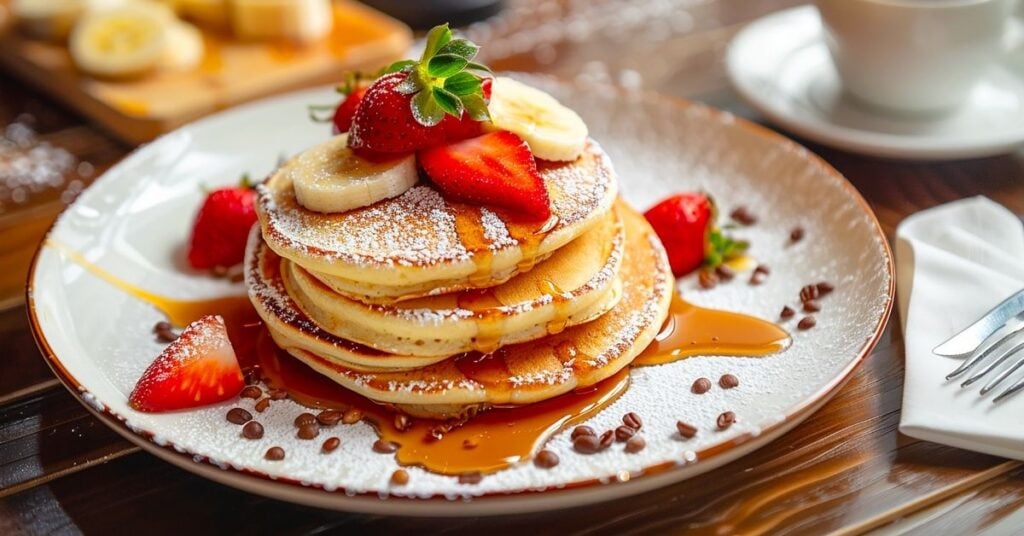
Yes, you can make pancakes in the oven by baking the batter in a greased pan or muffin tin until puffed and set.
If you love pancakes but hate hovering over the stove, the question “can I make pancakes in the oven?” pops up sooner or later. The good news is that oven pancakes are not a compromise breakfast; they are a practical way to feed more people at once with far less effort.
Instead of flipping one pancake at a time, you pour your usual batter into a pan, slide it into the oven, and cut or scoop the results into servings. You get the same familiar batter, the same toppings, and a finish that ranges from soft and fluffy to slightly crisp at the edges, depending on how you bake them.
Oven Pancake Methods At A Glance
Before diving into steps, here is a quick look at the main ways to bake pancakes in the oven. Each method uses standard pancake batter and basic equipment you probably already own.
| Method | Best For | Basic Idea |
|---|---|---|
| Sheet-Pan Pancakes | Feeding a crowd fast | Spread batter on a rimmed baking sheet, bake, then cut into squares. |
| Muffin Tin Pancakes | Kids, snacks, meal prep | Portion batter into muffin cups for small, grab-and-go rounds. |
| Cast-Iron Skillet “Dutch Baby” Style | Showpiece brunch | Heat a greased skillet, pour in loose batter, bake until puffed and golden. |
| Ceramic Or Glass Baking Dish | Thicker, soft slices | Bake batter in a 9×13 or similar dish, slice into rectangles to serve. |
| Ramekins Or Small Dishes | Individual portions | Divide batter into small, greased dishes for personalized toppings. |
| Freezer-Friendly Squares | Busy weekday breakfasts | Bake in a pan, cool, cut into pieces, freeze, and reheat in the toaster or oven. |
| Gluten-Free Oven Pancakes | Diet needs without drama | Use gluten-free pancake mix or flour blend; bake as sheet or muffin pancakes. |
Can I Make Pancakes In The Oven? Basic Method And Rules
The short reply to “can I make pancakes in the oven?” is yes, as long as you give the batter enough fat, use a pan with sides, and bake at a steady, fairly hot temperature. Almost any standard pancake recipe works; you simply trade the frying pan for the oven.
Core Equipment For Oven Pancakes
You do not need special gear for oven pancakes. A standard half-sheet pan, a 9×13 baking dish, or a sturdy cast-iron skillet all work. The pan should be metal or oven-safe glass or ceramic, with sides high enough to hold the batter as it rises.
Line the pan with parchment or grease it with butter or oil so the pancakes release easily. If you like browned edges, lean toward a metal pan or cast iron, which holds heat well and encourages color on the bottom and sides.
Simple Oven Pancake Batter Ratio
Your usual stovetop recipe is fine here. A basic batter uses flour, eggs, milk or buttermilk, a little fat, baking powder or baking soda, salt, and a touch of sugar. Plain pancakes average roughly 220–230 calories per 100 grams according to USDA FoodData Central, so the nutrition stays on familiar ground when you bake instead of fry.
For a typical oven batch that serves four to six people, think in this ballpark: 2 cups (240 g) flour, 2 tablespoons sugar, 2 teaspoons baking powder, 1/2 teaspoon baking soda if using buttermilk, 1/2 teaspoon salt, 2 large eggs, 1 3/4 to 2 cups milk or buttermilk, and 3–4 tablespoons melted butter or oil. Thinner batter spreads and bakes faster; thicker batter gives more lift and a cake-like bite. (See the detailed recipe card at the bottom of this post for an exact list).
Step-By-Step: From Batter To Baked Pancakes
First, heat the oven to around 400°F (200°C) for sheet-pan pancakes or muffin pancakes. If you prefer a very fluffy, cake-like texture in a deeper dish, 375°F (190°C) works as well, with a slightly longer bake.
Whisk dry ingredients in one bowl and wet ingredients in another, then stir together just until no large streaks of flour remain. A few small lumps are fine; they even help prevent tough texture. Let the batter rest for 5–10 minutes while the oven finishes heating; this short rest gives the flour time to hydrate and the leavening a head start.
Grease your pan, pour in the batter, and spread it gently toward the edges. Bake until the top looks dry, the edges pull slightly from the sides, and a toothpick in the center comes out without wet batter attached. In a half-sheet pan, that usually means 12–18 minutes, while a deeper dish can land closer to 20–25 minutes.
Making Pancakes In The Oven For A Crowd
When you want pancakes for six, eight, or more people, oven baking shines. Instead of standing at the stove flipping batch after batch, you put one or two pans in the oven and spend your time brewing coffee or setting the table.
Sheet-Pan Pancakes For Easy Slices
Sheet-pan pancakes are the most popular way to handle crowd-friendly pancakes in the oven. Many bakers use a rimmed half-sheet pan and bake at 400–425°F (200–220°C) until the batter is set and lightly browned, often around the 15 minute mark for a thinner layer of batter. Recipes from established baking sources use this approach as a reliable way to turn out large, even batches.
You can swirl syrup or nut butter over the batter, scatter fruit or chocolate chips over parts of the pan, or leave one strip plain for anyone who prefers a simple slice. After baking, rest the pan for a few minutes, then cut the pancake slab into squares with a knife or pizza wheel. The slices reheat well in a toaster or low oven, which helps with leftovers.
Muffin Tin Pancakes For Kids And Meal Prep
Muffin tin pancakes pack the same batter into small cups. Grease each well or use silicone liners, fill halfway with batter, and bake at 375–400°F (190–200°C) for about 12–15 minutes. The result looks like plump, slightly domed mini pancakes that fit nicely into lunchboxes.
This format also gives you easy portion control. You can keep plain batter in some cups and fill others with berries, chopped nuts, or cheese and cooked bacon. Once cooled, the little rounds freeze well and warm quickly in the oven or microwave.
Oven Temperature, Timing, And Food Safety
Good oven pancakes rely on steady heat and safe internal temperature, especially when the batter includes eggs and dairy. The exact timing changes with pan type, oven accuracy, and batter thickness, but the basic range is predictable once you know what to watch for.
Typical Temperatures For Oven Pancakes
Most home cooks land between 375°F and 425°F (190–220°C) for baked pancakes. A thinner layer of batter in a large sheet pan can handle the higher end, while thicker batters in a deeper dish often stay closer to 375–400°F (190–200°C) to avoid a dry top and underdone middle.
If your oven runs hot or you notice dark edges before the center sets, drop the temperature by 25°F (about 15°C) and extend the bake by a few minutes. A simple oven thermometer on the rack gives a more honest reading than the dial on the front, which helps keep results consistent.
Checking Doneness Safely
Because pancake batter contains eggs, aim for a fully set center. Food safety agencies recommend egg dishes reach about 160°F (71°C) in the middle, and a quick scan of the safe minimum internal temperature chart confirms that guidance for casseroles and mixed dishes.
You do not need a thermometer every time, but it helps while you learn your oven. Visual signs still matter: the top should look dry rather than shiny, the edges should pull in slightly, and a toothpick or thin knife inserted in the center should come out without streaks of raw batter.
Approximate Bake Times For Common Pans
The times below assume a standard batter and a preheated oven. Treat them as a starting point, then adjust based on your own pan, oven, and batter thickness.
| Pan Type | Oven Temp | Approx Bake Time |
|---|---|---|
| Half-Sheet Pan, Thin Layer | 400–425°F (200–220°C) | 12–15 minutes |
| Half-Sheet Pan, Thicker Layer | 375–400°F (190–200°C) | 15–20 minutes |
| 9×13 Metal Baking Pan | 375°F (190°C) | 18–25 minutes |
| Cast-Iron Skillet (10–12 inch) | 425°F (220°C) | 15–20 minutes |
| Muffin Tin, Standard Size | 375–400°F (190–200°C) | 12–15 minutes |
| Ceramic Or Glass 9×13 Dish | 350–375°F (175–190°C) | 22–28 minutes |
| Small Ramekins (Individual) | 375°F (190°C) | 14–18 minutes |
Oven Pancake Batter Tweaks And Textures
Once you are comfortable with the basic bake, small changes in your batter and pan choice give different textures. You can lean toward light and fluffy, rich and custardy, or thin and crisp-edged squares.
Fluffy, Cake-Like Oven Pancakes
For thick, soft slices, keep the batter on the thicker side and use a deeper pan. A touch more baking powder, a little extra egg, and buttermilk rather than regular milk all bring more lift. Avoid overmixing; stir just until the dry ingredients disappear into the wet ones.
Letting the batter rest for 10 minutes before baking makes a clear difference here. During this pause, starch absorbs liquid and bubbles form quietly, which helps the oven pancakes rise evenly once they hit the hot pan.
Custardy, Puff-Style Oven Pancakes
If you like Dutch baby pancakes, you can aim for a similar style in a cast-iron skillet. Use a wetter batter with extra eggs and milk, heat the skillet with butter in the oven until the butter foams, then pour in the batter and bake at a higher temperature.
The hot fat and pan give a dramatic rise and crisp edges. Serve wedges straight from the skillet with lemon, powdered sugar, or fruit. Leftovers taste good at room temperature as well, which makes this style handy for brunch spreads.
Thin, Snackable Squares
For lunchboxes or snacks, pour a relatively thin layer of batter into a sheet pan. Bake until just golden, cool, and cut into finger-friendly strips or squares. These pieces pack well and accept toppings after baking, from hummus and cheese to fruit and yogurt.
If you want a bit more structure, switch a small portion of the flour to whole wheat or oat flour. That change brings more chew and keeps the texture pleasant even after chilling.
Toppings And Mix-Ins That Work Well In The Oven
Making pancakes in the oven does not limit your flavor choices. It actually makes it easier to divide the pan into zones so each person gets the style they like best, without separate batches on the stove.
Mix-Ins To Stir Into The Batter
- Berries: Blueberries, raspberries, or diced strawberries stirred gently into the batter.
- Chocolate Or Chips: Chocolate chips, peanut butter chips, or chopped chocolate scattered through the mix.
- Nuts And Seeds: Chopped walnuts, pecans, or sunflower seeds for crunch.
- Spices: Cinnamon, nutmeg, cardamom, or pumpkin spice blends for a cozy flavor shift.
Keep the total amount of bulky mix-ins moderate so the batter can still puff and bake evenly. If you add a lot of fruit, you may need a slightly longer bake because of the extra moisture.
Toppings To Scatter Over The Pan
Instead of mixing everything into the batter, sprinkle toppings over the surface in sections. One quarter of the pan might have banana slices, another walnuts, another chocolate chips, and one plain strip down the middle for simpler tastes.
This layout is handy for families and guests with different preferences. Since everything bakes at once, you avoid the shuffle of taking custom orders at the stove, and each slice still looks and tastes distinct.
Common Oven Pancake Mistakes To Avoid
Switching from stovetop pancakes to oven pancakes feels simple, but a few missteps can lead to dry edges, dense texture, or underbaked centers. A quick checklist keeps your “can I make pancakes in the oven?” experiment on track.
- Pan Not Greased Enough: Dry pans lead to sticking, torn slices, and frustration. Use enough butter or oil, especially in corners.
- Oven Not Fully Preheated: Putting batter into a lukewarm oven can flatten the rise and extend the bake time.
- Batter Spread Too Thick: A very deep layer in a large pan often bakes unevenly. Split the batter between two pans or use a smaller dish.
- Overmixing: Vigorous stirring develops gluten and toughens the crumb. Stir gently until combined.
- Cutting Too Soon: Let baked pancakes rest for at least five minutes. The structure sets and slices hold together better.
Oven Pancakes Recipe Card
Use this straightforward method to make sheet-pan pancakes for a crowd.
Yields: 4 to 6 Servings
Prep Time: 10 Minutes
Cook Time: 12-18 Minutes
Total Time: Approx. 25 Minutes
Ingredients
- 2 cups (240 g) Flour (All-purpose)
- 2 tablespoons Sugar
- 2 teaspoons Baking powder
- 1/2 teaspoon Baking soda (if using buttermilk)
- 1/2 teaspoon Salt
- 2 Large eggs
- 1 3/4 to 2 cups Milk or Buttermilk
- 3–4 tablespoons Melted butter or oil (plus extra for greasing the pan)
Instructions
- Preheat Oven: Preheat your oven to 400°F (200°C).
- Mix Dry Ingredients: In a large bowl, whisk together the flour, sugar, baking powder, baking soda (if using), and salt.
- Mix Wet Ingredients: In a separate bowl, whisk the eggs, milk (or buttermilk), and the 3–4 tablespoons of melted butter or oil.
- Combine Batter: Pour the wet mixture into the dry mixture. Stir gently just until combined and no large streaks of flour remain. A few lumps are fine. Allow the batter to rest for 5–10 minutes.
- Prepare Pan: Generously grease a rimmed half-sheet pan or a 9×13 baking dish with butter or oil.
- Bake: Pour the batter into the pan and spread gently to the edges. Bake for 12–18 minutes (for a sheet pan) or until the top looks dry and a toothpick inserted in the center comes out clean.
- Serve: Let the pancakes rest for 5 minutes, then cut into squares and serve warm.
Final Thoughts On Oven Pancakes
So, can I make pancakes in the oven for real, not just as a one-off trick? Yes, and once you try it, this method often becomes the default for busy weekends and holiday mornings. You pour, bake, slice, and serve, while the stove stays clean.
By matching the pan to your crowd, minding oven temperature, and watching for safe doneness, you get pancakes that taste familiar yet fit a slower, more relaxed breakfast pace. Whether you go for sheet-pan squares, muffin tin bites, or a dramatic puffed skillet version, oven pancakes give you all the comfort of a stack with far less time spent flipping at the stove.
