
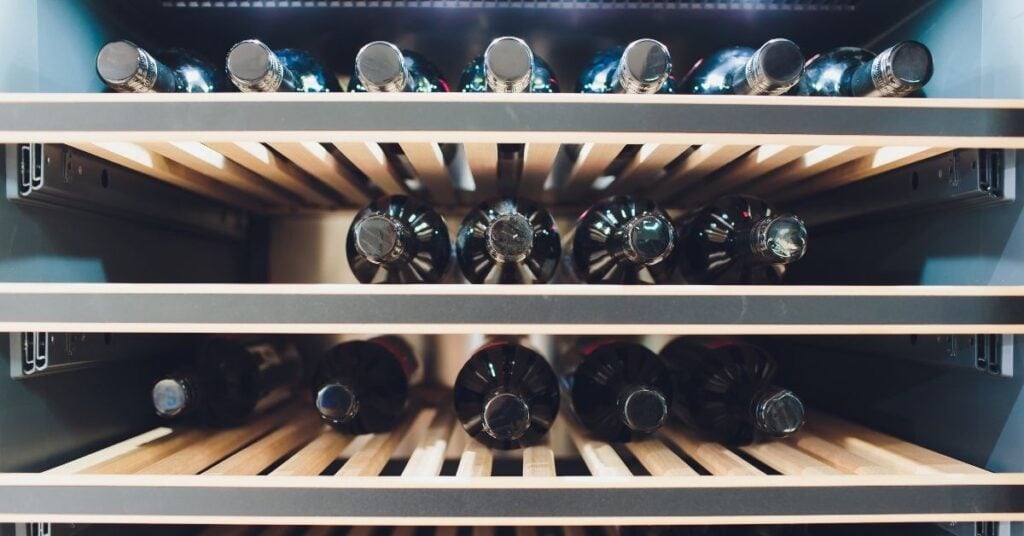
Yes, you can keep wine in the fridge, but long stays in a cold, dry kitchen fridge suit only some bottles.
Wine In The Fridge Basics
Wine lives in a narrow comfort zone. Cold slows chemical reactions and protects freshness, yet a kitchen fridge runs colder and drier than classic wine storage. If you ask can i keep wine in the fridge?, the honest reply depends on the type of wine, how long you plan to chill it, and whether the bottle is open or sealed.
A standard kitchen refrigerator usually sits near 4 °C / 40 °F, a setting chosen for food safety, not wine quality. That temperature keeps leftovers safe, as agencies such as the U.S. Food And Drug Administration advise, yet most wines taste muted and can age poorly at that level over many months.
Short stays work nicely though. A few hours in the fridge bring white, rosé, and sparkling wine into their serving window. Light reds can handle a brief chill as well, then warm slightly in the glass. Trouble starts when bottles spend weeks on a dry, vibrating shelf next to strong smells.
Fridge Storage Guide By Wine Style
This chart gives a quick view of how fridge use fits common wine styles. It covers short-term chilling in a kitchen fridge, not specialist wine cabinets.
| Wine Style | Good Fridge Use | Maximum Time In Kitchen Fridge |
|---|---|---|
| Sparkling Wine | Chill before serving, keep open bottles with stopper | Unopened: 1–3 days; Open: 1 day |
| Light White (Pinot Grigio, Sauvignon Blanc) | Chill for serving, short storage for opened bottles | Unopened: up to 1 week; Open: 2–3 days |
| Full White (Chardonnay, Viognier) | Chill then serve slightly warmer than fridge | Unopened: up to 1 week; Open: 3–4 days |
| Rosé | Chill fully, enjoy cold | Unopened: up to 1 week; Open: 3–4 days |
| Light Red (Beaujolais, Pinot Noir) | Brief chill, serve cool, not icy | Unopened: 1–2 days; Open: 1–2 days |
| Full Red (Cabernet, Syrah) | Short pre-dinner chill in warm rooms | Unopened: avoid long storage; Open: 1–2 days |
| Fortified (Port, Sherry) | Fridge helps once opened | Unopened: room storage; Open: up to a month |
The time frames sit on the cautious side. Good corks, gentle handling, and clean fridges can stretch them a little, while cheap wine with weak closure or strong fridge odours may fade sooner.
Can I Keep Wine In The Fridge? Short-Term Vs Long-Term Storage
The phrase can i keep wine in the fridge? usually hides two separate ideas. One relates to getting a bottle ready for dinner, the other to parking bottles there for weeks because the kitchen has no cool cupboard. Short-term chilling and long-term storage do not treat wine in the same way.
Short-Term Chilling Before Serving
For unopened bottles, the fridge works best as a staging area. Pop a white, rosé, or sparkling bottle in the fridge three to four hours before serving. If you need speed, thirty to sixty minutes in a bath of ice and water chills faster and keeps the cork and label in better shape than deep, dry cold.
Red wine can spend thirty minutes to one hour in the fridge when room temperatures sit above 22 °C / 72 °F. Pull the bottle out, let it stand on the counter for a few minutes, then pour. The wine tastes brighter, with less heavy alcohol on the nose.
Long-Term Storage In A Kitchen Fridge
Long stays in a kitchen fridge work poorly for most wine. Mechanical vibration from the compressor keeps sediment from settling. Shelves near the door experience temperature swings each time someone grabs milk or snacks. The air stays dry, which can dry out natural corks over many months.
Dedicated wine fridges or cool, dark cupboards at stable temperature treat wine more gently. Trade and consumer groups such as Consumer Reports place ideal wine storage between 7 °C and 18 °C, far closer to cellar range than to standard fridge settings.
Keeping Wine In The Fridge Safely
Safety comes first with any food or drink stored cold. While wine has alcohol and acid that help guard against many microbes, opened bottles can still pick up off smells or film from poor storage. Basic fridge hygiene keeps your wine pleasant and safe to drink.
Best Fridge Temperature For Wine
Most kitchen fridges hold 1 °C to 4 °C / 34 °F to 40 °F. That range protects food, yet it leaves many wines too cold for serving straight from the shelf. A simple plan works well: store short term at fridge temperature, then let the bottle warm on the counter to reach its style’s sweet spot.
Sparkling, light whites, and many rosé wines like life near 6 °C to 10 °C / 43 °F to 50 °F in the glass. Full whites and lighter reds sit nearer 10 °C to 14 °C / 50 °F to 57 °F. Big reds often show best between 14 °C and 18 °C / 57 °F to 64 °F. A cool room and a quick chill give more control than a deep fridge soak.
Positioning Bottles Inside The Fridge
Lay cork-closed bottles on their side, even in the fridge, so wine touches the cork and keeps it from drying out. Screw-cap bottles can stand upright, which saves shelf space. Avoid door shelves for wine, since that area warms and cools many times a day.
Keep wine away from strong smells such as cut onion, garlic, or blue cheese. Cork and even screw threads can let aroma molecules creep inside over time. Clean spills quickly and store wine in a part of the fridge with less traffic and fewer drips.
Handling Open Bottles
Once opened, wine starts to change as oxygen enters the bottle. Fridge storage slows that process. Use a tight stopper, pump out some air if you have a simple vacuum system, and stand the bottle upright so less wine touches the air at the top.
Many still whites and rosés stay fresh for two to three days under these conditions. Reds with gentle tannin often hold for a similar period, while full-bodied reds lose fruit sooner and show more stale notes. Sparkling wine needs a sturdy sparkling stopper and tends to shine only for a day.
Differences Between A Kitchen Fridge And A Wine Fridge
A kitchen fridge guards meat, dairy, and leftovers. It pulls moisture from the air, cycles temperature, and runs at low humidity. A wine fridge or cellar cabinet sits warmer, adds humidity, and reduces vibration and light, all tailored for bottle ageing.
Wine fridges often hold two or three temperature zones, so you can keep reds and whites at separate settings while still pouring from a single appliance. Some models add tinted glass and gentle internal lighting that avoids harsh light pulses on the wine.
| Feature | Kitchen Fridge | Wine Fridge |
|---|---|---|
| Typical Temperature Range | 1–4 °C / 34–40 °F | 7–18 °C / 45–65 °F |
| Humidity | Low, drying | Moderate, protects corks |
| Vibration | Regular compressor vibration | Reduced vibration design |
| Light Exposure | Bright interior light, clear doors | UV-filtered or solid doors |
| Storage Layout | Mixed food, upright storage | Horizontal racks for bottles |
| Main Purpose | General food safety | Wine protection and serving |
These differences explain why wine fridges suit long-term storage while kitchen fridges fit short, tactical chilling and short-term care for open bottles.
Practical Tips For Keeping Wine In The Fridge
With the pros and cons clear, you can shape a simple plan for daily life. Treat your standard fridge as a short stop for wine, not a cellar. When you buy bottles that you plan to keep for months, look for the coolest, darkest spot in your home and leave the fridge for last-minute prep.
Good Uses Of Fridge Storage
- Chilling sparkling wine on the day you plan to serve it.
- Bringing white or rosé bottles to serving temperature a few hours before dinner.
- Giving red wine a brief chill during warm seasons.
- Storing opened bottles for a couple of days with a tight stopper.
When To Avoid Long Fridge Storage
- Age-worthy reds that you want to keep for years.
- Bottles with natural corks that would dry out over long periods.
- Wine stored on the door where temperature swings and vibration stay high.
- Bottles sitting near uncovered, strong-smelling foods.
Practical Takeaway On Wine And The Fridge
So, can you rely on the fridge for wine? The answer stays split. For short-term chilling and a few relaxed days with an opened bottle, a clean, cold fridge works well. For long-term storage and treasured bottles, a dedicated wine fridge or cool cupboard gives softer, steadier care.
If you use your fridge in this measured way, you gain the speed and safety of cold storage without dulling or drying bottles that deserve better conditions. That balance lets you keep wine ready for dinner while your special bottles rest somewhere kinder than a busy fridge shelf.
References & Official Guidelines
For more specific recommendations regarding food safety and appliance standards, please refer to the official sources cited in this guide:
- U.S. Food And Drug Administration: Are You Storing Food Safely?
- Consumer Reports: Wine Refrigerator Buying Guide
