
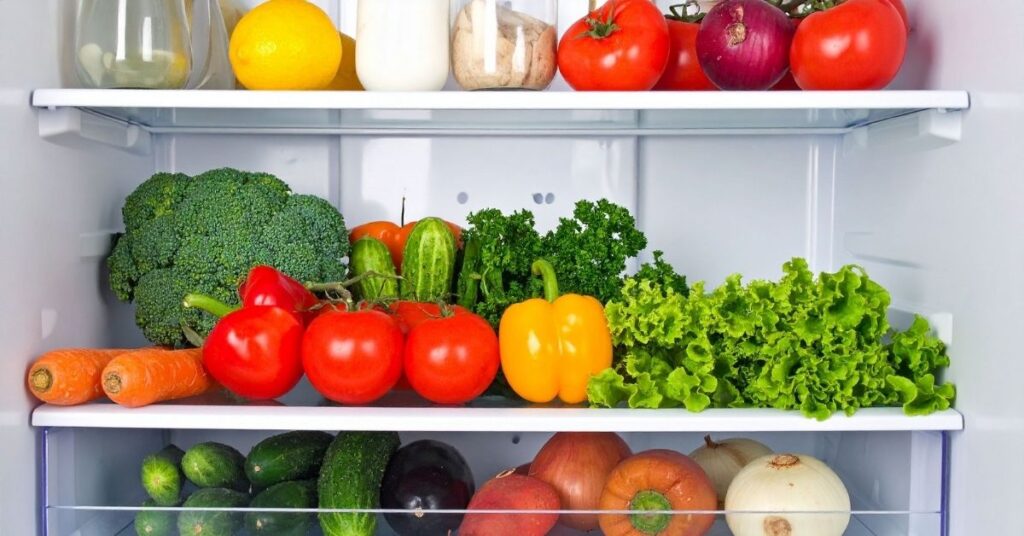
Yes, you can keep tomatoes in the fridge when they are fully ripe or cut, but whole tomatoes taste better when ripened at room temperature first.
Tomatoes sit right on the line between fruit and kitchen workhorse. That leads many home cooks to wonder, can i keep tomatoes in the fridge without ruining them. The short answer is that temperature, ripeness, and how soon you plan to eat them all matter more than a single rule.
Can I Keep Tomatoes In The Fridge? Storage Basics
Food scientists agree that cool air slows spoilage but also dulls tomato aroma and texture when the fruit is still ripening. Research from land grant universities shows that flavor starts to fade once storage drops much below about 55 °F, while refrigerator shelves often sit closer to 40 °F.
So, what do you do in a real kitchen. Leave firm, unripe or just colored tomatoes on the counter to finish ripening, then turn to the fridge only when they reach the point where mold or soft spots would appear within a day or two. That way you balance food safety, taste, and waste.
Room Temperature Vs Fridge For Whole Tomatoes
Room temperature helps tomatoes keep their natural sugars and aroma compounds. Cold air slows those reactions and can make cell walls break down, which leads to a mealy bite. Studies cited by UNL Food tomato storage advice explain that ripe tomatoes hold flavor best when kept above typical fridge settings until they are fully colored and soft to the touch.
Refrigeration still has a place though. Once a tomato hits deep red and feels tender all over, leaving it on the counter speeds up decay. At that stage a short stay in the fridge stretches its life with only a small hit to flavor, especially if you bring it back to room temperature before slicing.
Tomato Storage Options At A Glance
| Tomato Type | Best Place To Store | Approximate Shelf Life |
|---|---|---|
| Unripe green | Paper bag on counter, away from sun | 3–7 days to ripen |
| Firm, just turning color | Open bowl on counter | 2–4 days |
| Fully ripe, still firm | Counter or short fridge stay | 1–3 days counter, 3 days fridge |
| Fully ripe, soft spots starting | Fridge crisper drawer | 1–2 days |
| Cherry or grape, whole | Ventilated container, fridge or cool room | 3–5 days |
| Cut or sliced | Sealed container in fridge | 1–2 days |
| Cooked sauces or stews | Sealed container in fridge | 3–4 days |
Keeping Tomatoes In The Fridge The Right Way
Once you decide that the fridge is the best spot, a few small habits keep tomatoes safe and pleasant to eat. Start by checking your fridge temperature with a thermometer. Public health agencies such as the USDA produce storage advice recommend 40 °F or below for food safety.
Place whole tomatoes toward the front of a crisper drawer instead of pressed against the back wall. The rear of many fridges runs colder and can cause chill damage. A vented container or loose paper bag limits moisture loss but still lets air flow.
How Long Tomatoes Keep In The Fridge
Ripe, whole tomatoes usually hold up for two or three days in cold storage before skins wrinkle or flavors fade. Cherry and grape tomatoes often last a bit longer because their skins are thicker and less prone to tearing. Cut tomatoes should go into a sealed box and be eaten within a day or two for the best texture and color.
If you plan a salad or sandwich, pull tomatoes out of the fridge thirty to sixty minutes before serving. This warmer rest period lets aromas return and gives slices a softer mouthfeel. Chilled pieces added straight to soups or stews face less risk because cooking changes the texture anyway.
When You Should Skip The Fridge Entirely
Some tomatoes stay happier far from cold air. Any fruit that still looks pale, striped, or mostly green needs time for its natural ripening chemistry to run. Cold temperatures stall the enzymes that build flavor and can leave the inside hard even after the outside turns red.
Set these tomatoes in a single layer at room temperature, stem side up, away from direct sunlight. A breathable paper bag traps a bit of their own ethylene gas, which nudges ripening along, without building condensation. Check them once a day and move any fully colored fruit to a bowl that you plan to eat from soon.
Counter Storage Tips For Better Tomatoes
Keep ripening tomatoes away from bananas, apples, and other high ethylene producers unless you want them to redden in a hurry. Store them with the stem scar facing up to reduce bruising around the shoulders. Wipe off surface moisture before they sit, since water on the skin encourages mold and soft spots.
Home gardeners who harvest crates of tomatoes often sort them by ripeness stage. Slightly pink fruit stands in one box, bright red in another, and deep red soft fruit in a third. That simple system makes it easier to decide which batch can wait on the counter and which batch should head for sauces, freezing, or the fridge tonight.
Food Safety Rules For Tomato Storage
Raw tomatoes can carry the same kinds of bacteria that trouble other produce. Washing your hands before handling them, rinsing fruit under running water, and drying with a clean towel limits the risk.
Many outbreaks linked to fresh produce start with poor handling in home kitchens. Use separate cutting boards for raw meat and for tomatoes, keep knives clean, and chill leftovers quickly. These habits shape risk just as much as the shelf or drawer you choose for storage.
Once a tomato is cut, room temperature is no longer a safe option. Sliced or diced pieces need to go straight into the fridge at 40 °F or below. Leave them there until serving, and throw out leftovers that sat on a picnic table or buffet line for more than two hours.
Signs Your Tomatoes Should Be Tossed
Trust your senses when you check the fruit. Slimy patches, greenish or black mold, or an off smell all flag unsafe produce. Leaking juice in the container, heavy wrinkling, or a completely mushy feel mean that flavor and quality are gone even if microbes are not yet visible.
When in doubt, throw it out. Tomatoes cost less than a trip to the doctor, and home refrigerators do not chill every shelf evenly. The safest habit is to enjoy them while color, smell, and texture still feel fresh.
Can I Keep Tomatoes In The Fridge For Meal Prep?
Many home cooks batch prep vegetables on weekends, which raises another version of the same question: can i keep tomatoes in the fridge after chopping them for salads and lunches. You can, as long as you handle the pieces carefully and store them in clean, shallow boxes.
For raw salads, keep prep batches small, since even well chilled tomato cubes soften over a day or two. For cooked dishes such as pasta sauces, soup bases, or stews, you can chop several days ahead and refrigerate in portions that you will use within three or four days. Label the box with the date so no container hides in the back too long.
Second Life For Tomatoes Past Their Prime
Not every tomato needs to shine in a raw salad. Fruit that has gone a bit soft but still smells fine can move into cooked recipes. Slow roasted halves, sheet pan sauces, or blended soups handle slightly tired texture without complaint.
You can also freeze cooked tomato sauces in portions for later meals. Freezing changes texture even more than the fridge, yet sauces and stews still taste rich after thawing because structure matters less once the fruit has been cooked down.
Refrigerator Setup For Tomato Friendly Storage
The way you arrange shelves and drawers also shapes tomato quality. Store raw meat and poultry on lower shelves so juice cannot drip on produce. Keep tomatoes above those trays, in a spot with good air movement and stable temperature.
Spills on shelves give microbes moisture and food, so wipe them up soon instead of letting sticky juice linger. A simple weekly check of drawers, lids, and gasket seals keeps cold air where it belongs and helps tomatoes and other produce last longer.
Most fridges have at least one drawer with higher humidity. That drawer suits tomatoes, leafy greens, and other tender items. Low humidity drawers work better for onions, garlic, and similar crops that rot when the air feels too damp.
Tomato Storage Zones In Your Fridge
| Fridge Zone | Best Tomato Use | Notes |
|---|---|---|
| High humidity crisper | Short term ripe whole fruit | Protects from drying out |
| Low humidity drawer | Cooked leftovers in sealed box | Keep away from strong odors |
| Middle shelf | Cut tomatoes for quick use | Colder, so use within two days |
| Top shelf | Tomato based sauces | Stable temperature |
| Fridge door | Opened ketchup or salsa | Warmer, but products are acid and salted |
Bringing It All Together For Everyday Cooking
So where does that leave you the next time you unpack a bag of tomatoes from the market. Treat unripe or just colored fruit as counter produce, save the fridge for fully ripe fruit you cannot eat right away, and always chill cut pieces.
Handled that way, the answer to storing tomatoes in your fridge stays clear, calm, and pleasantly practical. Use the counter to build flavor and the fridge as a safety net that gives you a little extra time, and you will waste less produce while still enjoying tomatoes that taste bright and lively.
References & Official Guidelines
For more specific advice regarding produce safety and storage times, please refer to the official sources cited in this guide:
- UNL Food: Tomato Storage Advice
- USDA Nutrition: Produce Safety and Storage
