
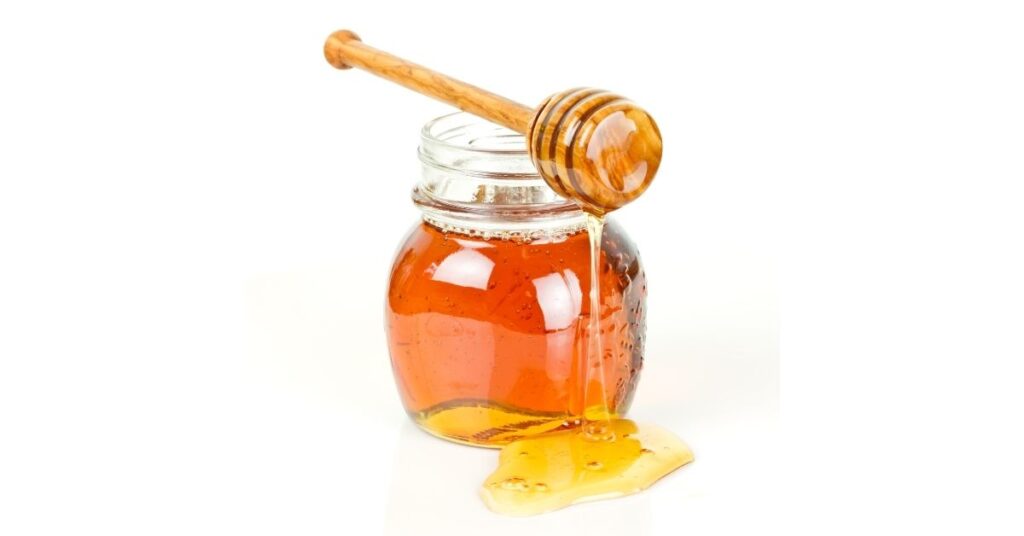
Yes, honey can replace sugar in many recipes when you cut the amount, reduce other liquids, and lower baking heat slightly.
Sweeteners cause a lot of debate in home kitchens. Many bakers and home cooks reach for honey because it feels more natural and adds rich flavor, then pause and ask a big question: can honey be substituted for sugar?
Short reply: in drinks, sauces, dressings, and many baked goods, honey can stand in for white sugar with smart adjustments. You need to account for three big differences: honey tastes sweeter, contains water, and brings its own color and flavor. Once you respect those traits, honey can work as a handy sugar substitute in plenty of recipes.
Can Honey Be Substituted For Sugar? Health And Baking Rules
The question “can honey be substituted for sugar?” rarely has a one word reply. Honey behaves differently from granulated sugar, yet with a simple set of rules you can swap one for the other in a wide range of dishes.
At a glance the swap works best when you:
- Use less honey than sugar, because honey tastes sweeter.
- Cut back other liquids, since honey already carries water.
- Lower oven temperature a little to prevent over browning.
- Allow for stronger flavor and deeper color in the finished dish.
Before you move to exact substitution charts, it helps to see how honey and sugar differ side by side.
| Aspect | Honey | Granulated Sugar |
|---|---|---|
| Form | Thick liquid made by bees from flower nectar. | Dry crystals refined from sugarcane or sugar beet. |
| Calories Per Tablespoon | About 64 calories and 17 grams of sugar. | About 48 to 50 calories and 12 to 13 grams of sugar. |
| Water Content | Around 17 to 20 percent water, adds moisture to recipes. | Almost no water, keeps baked goods drier and crisper. |
| Sweetness | Sweeter on the tongue due to a higher share of fructose. | Less sweet per spoonful, based on sucrose alone. |
| Flavor | Distinct floral notes that change with the source of nectar. | Neutral sweet taste, rarely adds its own flavor. |
| Color And Browning | Golden color, encourages faster browning in the oven. | White crystals that brown more slowly in baking. |
| Extra Compounds | Contains small amounts of minerals, enzymes, and antioxidants. | Nearly pure sucrose with no extra micronutrients. |
How Honey And Sugar Differ In Sweetness And Nutrition
Even when you use the same spoon, honey and sugar do not deliver the same mix of calories, sweetness, and nutrients. That gap explains why honey can replace sugar in some spots and struggle in others.
Calories And Sweetness Per Spoonful
One tablespoon of honey carries around 64 calories and 17 grams of sugar according to nutrient data from sources such as USDA FoodData Central and other nutrient databases. White sugar sits closer to 48 to 50 calories and about 12 grams of sugar per tablespoon.
So a spoonful of honey gives a slightly larger calorie hit than a spoonful of granulated sugar. At the same time honey tastes sweeter because fructose registers more strongly on the taste buds. In practice this means you can often use a smaller volume of honey and still get equal sweetness.
Blood Sugar And Glycemic Response
Honey and sugar both drive blood glucose upward, since both deliver fast digesting sugars. Honey tends to have a slightly lower glycemic index than standard white sugar because of its mix of fructose and glucose, yet the gap is small. For people with diabetes or insulin resistance, the safest route is to treat both honey and table sugar as added sugars that need tight control.
Public health groups such as the American Heart Association added sugar guidance suggest limits of about six teaspoons of added sugar per day for most adult women and nine teaspoons for most adult men, with honey counted inside that total.
Honey As A Sugar Substitute In Everyday Cooking
Swapping sugar for honey feels easiest in recipes that already hold plenty of liquid and do not rely on sugar crystals for texture. Drinks, dressings, sauces, and breakfast bowls fall into that group.
In hot drinks such as tea or coffee, you can trade a teaspoon of sugar for about two thirds of a teaspoon of honey and adjust to taste. Honey dissolves smoothly in warm liquid, though in iced drinks you may need to stir a little longer.
Yogurt bowls, smoothies, oatmeal, and overnight oats also work well with honey instead of sugar. Since honey brings its own flavor, darker varieties often pair nicely with oats, nuts, and yogurt, while lighter blossom honeys suit mild fruit blends.
In salad dressings and marinades honey pulls double duty. It sweetens the mix and helps emulsions cling to leaves or meat, and in the oven or on the grill it helps glazes brown and caramelize.
When Honey Works Better Than Sugar
Honey often shines when you:
- Want a richer flavor in tea, coffee, or herbal infusions.
- Need sweetness plus thickness in salad dressing or sauce.
- Want a glossy glaze on roasted vegetables or meat.
- Prefer gentle sweetness in yogurt, porridge, or fruit.
In these dishes you rarely worry about structure or crisp texture, so the extra moisture from honey is a welcome guest.
When Regular Sugar Still Makes More Sense
Granulated sugar still earns a place in recipes that count on its dry crystals for structure. Thin, crisp cookies, meringues, and many candies need low moisture to set correctly. Liquid honey in large amounts can leave those recipes soft, chewy, or sticky when they should snap.
Any recipe that asks you to boil sugar syrup to a specific stage, such as soft ball or hard crack, also depends on a known sugar and water ratio. Replacing a large share of that sugar with honey changes the chemistry and can throw off the final texture.
Practical Rules For Swapping Honey For Sugar In Baking
Baked goods raise the biggest question marks when you reach for honey instead of sugar. Cakes, muffins, quick breads, and softer cookies can still work with honey as long as you adjust both sweetness and moisture.
Extension services such as the University of Missouri honey substitution guide share simple rules based on long kitchen trials. The exact numbers vary slightly between sources, yet they line up around the same pattern.
Use these baseline rules when you replace sugar with honey:
- Start with about 1/2 to 2/3 cup honey for every 1 cup of sugar in the recipe.
- Reduce other liquids by around 1/4 cup for every cup of honey used.
- Lower the oven temperature by about 25 degrees Fahrenheit to limit browning.
- Add a pinch of baking soda per cup of honey if the recipe does not already include much, since honey is more acidic.
- Grease pans well or line with parchment, as honey based batters can stick more.
These guidelines work best for softer baked goods such as muffins, snack cakes, brownies, and soft cookies. Yeast breads and pastry doughs respond to honey too, yet they tend to need more fine tuning and practice to land on the texture you like.
Sample Sugar To Honey Conversions
The chart below gives rough starting points when you adjust smaller sugar amounts. These are not lab tested rules, yet they reflect the ratios above and suit most home baking.
| Sugar In Recipe | Honey To Use | Liquid And Oven Adjustment |
|---|---|---|
| 1 tablespoon sugar | 2 to 2 1/4 teaspoons honey | Usually no change needed in liquids or temperature. |
| 1/4 cup sugar | 3 to 4 tablespoons honey | Reduce other liquids by about 1 tablespoon. |
| 1/3 cup sugar | 4 to 5 tablespoons honey | Reduce other liquids by about 1 to 1 1/2 tablespoons. |
| 1/2 cup sugar | 1/3 to 1/2 cup honey | Reduce other liquids by about 2 tablespoons. |
| 2/3 cup sugar | 1/2 to 2/3 cup honey | Reduce other liquids by about 3 tablespoons. |
| 3/4 cup sugar | 1/2 to 3/4 cup honey | Reduce other liquids by 3 to 4 tablespoons. |
| 1 cup sugar | 1/2 to 2/3 cup honey | Reduce other liquids by about 1/4 cup and lower oven 25°F. |
Health And Safety Limits When Using Honey Instead Of Sugar
Honey carries a friendlier image than white sugar, partly because it comes straight from hives and keeps a touch of pollen, enzymes, and trace minerals. Even so, your body still treats it as sugar in terms of blood glucose and calories.
Honey Still Counts As Added Sugar
Whether you stir honey into tea or bake it into muffins, it still counts toward your daily added sugar budget. Health agencies, including the Centers for Disease Control and Prevention and the American Heart Association, suggest keeping added sugars below about 10 percent of daily calories, which lines up with the teaspoon limits mentioned earlier from heart health groups.
For many adults that adds up to roughly six to nine teaspoons of added sugar per day from all sources. One tablespoon of honey already delivers close to one third of that range, so sugar swaps only help when the rest of the diet stays moderate.
Who Should Avoid Or Limit Honey
Honey is not safe for babies under twelve months of age because it can carry spores that lead to infant botulism. For that reason, never use honey as a sugar substitute in anything served to a young baby, even if the food is cooked.
People with allergies to bee products need care with honey based recipes as well. Anyone watching blood sugar or weight, including those with diabetes or heart disease risk, still needs to limit both sugar and honey and follow a plan set with their health care provider.
Quick Checklist Before You Swap Sugar For Honey
Before you change a recipe, walk through this short list so each sugar swap has a better chance of success:
- Scan the recipe and ask whether structure depends on dry sugar crystals. If yes, you may want to keep sugar or only replace a small share.
- Confirm the total sugar level fits your health goals, including honey and any other sweeteners in the dish.
- Pick a honey whose flavor suits the recipe: mild clover or orange blossom for light cakes, stronger varieties for spice breads or granola.
- Apply the basic substitution rules for volume, liquid reduction, and oven temperature.
- Watch browning during the first test batch and make small adjustments next time based on color and texture.
- Store baked goods tightly wrapped, since honey rich recipes can pick up moisture from the air and soften during storage.
The question “can honey be substituted for sugar?” now turns into a practical checklist instead of a simple yes or no. With measured swaps, attention to moisture, and respect for health limits, honey can earn a steady yet balanced place next to sugar in your kitchen.
