
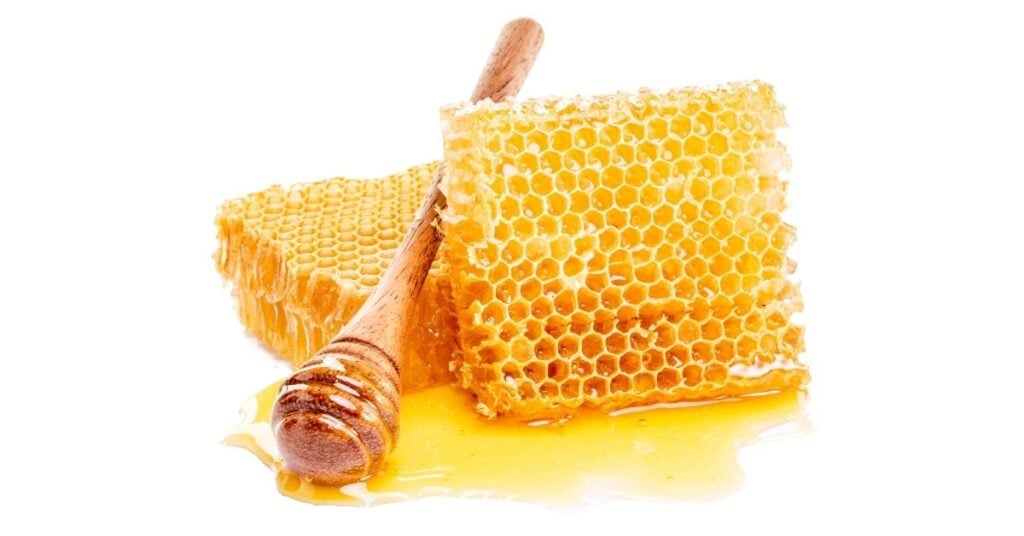
Yes, honey can be substituted for maple syrup if you adjust quantity, liquid, and flavor so the recipe still cooks and tastes as you expect.
You go to drizzle maple syrup over pancakes or stir it into a sauce and the bottle is suddenly empty. The next thing that pops into many cooks’ heads is a simple question: can honey be substituted for maple syrup? The short answer is yes in many recipes, as long as you make a few small tweaks to keep sweetness, texture, and flavor in balance.
Honey and maple syrup share a similar thick, pourable texture and both bring concentrated sweetness. They’re not identical, though. Honey tends to be a bit sweeter and thicker, while maple syrup brings a clearer caramel-maple flavor and slightly fewer calories per spoonful. Once you understand where those differences matter, swapping between them turns into a comfortable habit instead of a gamble.
Can Honey Be Substituted For Maple Syrup? Basic Ratios
For many quick uses, you can trade honey and maple syrup in a simple 1:1 ratio by volume. That works well in toppings, drinks, no-cook sauces, and simple stovetop recipes. A tablespoon of honey on oatmeal behaves close to a tablespoon of maple syrup; the same goes for a spoon in tea or a splash over yogurt.
Some cooks still like to nudge the ratio. Since honey often tastes sweeter and thicker, they use a touch less honey when they want the dish to mimic the softer sweetness of maple syrup. A good starting point for sauces and drinks is 3 tablespoons honey in place of 4 tablespoons (¼ cup) maple syrup, then adjust to taste.
| Aspect | Honey (Per 1 Tbsp) | Maple Syrup (Per 1 Tbsp) |
|---|---|---|
| Calories | About 64 calories | About 52 calories |
| Total Sugar | Roughly 17 g natural sugars | Roughly 12–13 g natural sugars |
| Texture | Thick, sticky, more viscous | Thinner, flows more easily |
| Flavor Profile | Floral to robust, depends on nectar | Clear maple and caramel notes |
| Color Range | Pale gold to deep amber | Golden to deep brown |
| Minerals | Small amounts of potassium and trace nutrients | Small amounts of calcium, potassium, and other minerals |
| Common Uses | Tea, glazes, baking, marinades | Pancakes, waffles, desserts, glazes |
When A Simple 1:1 Swap Works
Everyday toppings are the easiest place to substitute honey for maple syrup without overthinking it. Pour honey over pancakes, waffles, French toast, oatmeal, or yogurt in the same amount you’d normally use maple syrup. The dish might taste a bit more floral or bold, yet the texture and sweetness will feel familiar.
Drinks handle this swap well too. Stir honey into coffee, tea, or warm milk where you’d use maple syrup. Give the drink a quick stir so the thicker honey dissolves fully. Start with the same volume, then add a little extra water or milk if the drink feels thicker or sweeter than you like.
When You Should Tweak The Ratio
In more delicate recipes, especially baked goods, a small shift in liquid can change crumb, rise, or browning. In those situations, a tighter ratio works better. A handy rule for baking is:
- Use about ¾ cup honey for each 1 cup maple syrup in the original recipe.
- Reduce other liquids in the recipe by 1–2 tablespoons for every ½ cup honey you add.
- Lower the oven temperature by about 25°F (around 15°C) since honey encourages faster browning.
These small changes keep batter thickness, moisture, and color close to the original version, so you still get tender muffins, pancakes, or quick breads instead of dense or over-browned results.
Substituting Honey For Maple Syrup In Everyday Cooking
Outside the oven, honey behaves a lot like maple syrup. In simple cooking, you rarely need to pull out a calculator. You just keep an eye on taste, color, and thickness while the dish simmers or cools.
Breakfast Dishes
For hot cereals, breakfast bowls, and toast, honey steps into maple syrup’s place without fuss. Drizzle the same amount over oats or porridge, then add a splash of milk if the bowl feels too sticky. On toast, honey can even stay in place a little better than maple syrup, which helps when you’re eating on the go.
Pancake and waffle batters that already include maple syrup in the mix need a touch more care. Use the ¾ cup honey for 1 cup maple syrup suggestion, reduce the milk slightly, and watch the first pancake. If it browns too fast, drop the stove heat a notch for the rest of the batch.
Sauces, Dressings, And Drinks
In salad dressings, glazes, and barbecue sauces, a simple 1:1 swap is usually fine. Honey clings nicely to meat and vegetables, so glaze recipes often benefit from its thicker texture. If a sauce feels too thick, whisk in a spoon or two of water, stock, or vinegar.
For cold drinks and iced coffee, dissolve honey in a little warm water before mixing it in. That step keeps sugar crystals from sitting on the bottom of the glass. Many smooth dressings and sauces treat honey and maple syrup as interchangeable, so feel free to switch between them as long as the final taste suits you.
Nutrition And Health Differences Between Honey And Maple Syrup
Both sweeteners pack a lot of sugar into a small space. Honey delivers slightly more calories per tablespoon, while maple syrup brings a bit more water and some different minerals. From a health point of view, the main shared point is that both count as added sugar when you pour them over foods.
Calories And Sugar Per Spoonful
One tablespoon of honey carries around 64 calories, mostly from natural sugars such as fructose and glucose. One tablespoon of pure maple syrup sits closer to 50–52 calories, with a mix of sucrose and other sugars. That means a stack of pancakes topped with a generous pour can climb in calories fast, no matter which sweetener you pick.
The American Heart Association suggests keeping added sugars within modest daily limits so your total intake stays in a healthy range. Their guidance for daily teaspoons of added sugar applies to honey and maple syrup along with white sugar, brown sugar, and other sweeteners. That doesn’t mean you need to avoid them, only that portions matter even when you choose a more natural sweetener.
Minerals, Flavor, And Glycemic Response
Maple syrup brings a small amount of calcium, potassium, and other minerals to the table, especially darker grades. Honey also carries trace minerals and plant compounds that vary with the flowers the bees visit. The amounts in a typical serving are modest, so these sweeteners are still closer to treat territory than to nutrient-dense foods.
In terms of blood sugar response, both honey and maple syrup raise blood glucose, though some research suggests they may do so at slightly different speeds. Anyone who tracks carbohydrates or manages blood sugar should count either sweetener toward their daily total and treat them as occasional accents rather than staples.
Baking With Honey Instead Of Maple Syrup
Baking reacts strongly to moisture, sweetness, and oven temperature. When a muffin or cake recipe lists maple syrup as a liquid sweetener, switching to honey works best when you adjust the structure around it. That way, the crumb stays tender and the crust doesn’t scorch.
Oven Temperature, Browning, And Texture
Honey tends to caramelize and brown faster than maple syrup. Lowering the oven temperature by about 25°F (near 15°C) and checking doneness a little earlier keeps crusts from turning too dark. This matters a lot with thin items such as cookies or granola, where edges brown in minutes.
The thicker texture of honey can also tighten a batter. To keep things light, cream fats and eggs well, and avoid packing in extra flour. If a batter looks stiff after you swap honey in, a spoonful or two of milk or water can loosen it again, even after you’ve reduced other liquids slightly.
Keeping Batters And Doughs Balanced
When you trade maple syrup for honey in cakes, muffins, or quick breads, work from a balanced template:
- Use ¾ cup honey for each 1 cup maple syrup in the original recipe.
- Reduce another liquid (milk, water, juice) by 2 tablespoons per ½ cup honey.
- Lower the oven temperature about 25°F and start checking early.
- Line pans or use parchment, since honey can make edges stick more.
This approach keeps sweetness, liquid, and browning in a comfortable range. If the first batch leans too sweet or sticky, trim the honey slightly next time or increase the flour by a tablespoon or two. After a test run, can honey be substituted for maple syrup? starts to feel like a settled question in your own kitchen.
Practical Substitution Guide By Recipe Type
Different dishes handle swaps with different levels of tolerance. Pancakes forgive more change than delicate sponge cakes. This guide gives starting points so you can adjust with confidence and keep waste low.
| Recipe Type | Swap For ¼ Cup Maple Syrup | Extra Adjustments |
|---|---|---|
| Pancake Or Waffle Batter | 3 tbsp honey | Reduce milk by 1 tbsp; lower stove heat slightly |
| Quick Breads And Muffins | 3 tbsp honey | Reduce other liquids by 1–2 tbsp; lower oven by 25°F |
| Granola Or Roasted Nuts | 4 tbsp (¼ cup) honey | Watch browning closely; stir more often on the tray |
| Salad Dressings | 4 tbsp honey | Whisk in 1–2 tsp extra vinegar or lemon juice for balance |
| Glazes For Meat Or Veg | 3–4 tbsp honey | Thin with water or stock if the glaze feels too thick |
| Ice Cream Toppings | 4 tbsp honey | Warm gently with a splash of water or cream before serving |
| Hot Drinks | 1–2 tbsp honey | Dissolve in a little hot water before adding to iced drinks |
When Honey Is Not A Good Stand-In
There are a few situations where maple syrup is a better choice or where you need to pause before reaching for honey. One is vegan cooking: honey comes from bees, so many vegans skip it. Pure maple syrup suits vegan diets, which makes it safer in recipes you share with guests who avoid animal-derived ingredients.
The second is feeding babies. Health agencies advise that children under 12 months should not eat honey because of the risk of infant botulism. That caution applies to baked goods and cooked dishes as well as raw honey. For infants, use maple syrup only when their doctor is comfortable with added sugars in general, and skip honey until after the first birthday.
Strong flavored honeys such as buckwheat or chestnut can also tilt gentle recipes. If a dish leans on maple’s clear caramel note, you might prefer a mild honey like clover or orange blossom. In candy making and precise sugar syrups, small changes in water content and cooking temperature affect texture, so you’re usually better off sticking to the sweetener the recipe was tested with.
Quick Checklist Before You Swap Honey And Maple Syrup
By now, the question can honey be substituted for maple syrup? feels less like a mystery and more like a small set of kitchen rules. Use this short checklist next time you stand in front of the pantry with only one sweetener on the shelf:
- For toppings, drinks, and simple sauces, use a 1:1 swap and adjust to taste.
- In baking, start with ¾ cup honey per 1 cup maple syrup and reduce other liquids a bit.
- Lower oven temperature and watch browning; honey darkens faster.
- Count both sweeteners as added sugar when you think about daily intake.
- Avoid honey for children under 12 months and for vegan guests.
With those points in mind, you can move calmly between honey and maple syrup in most recipes, keep waste low, and still land the flavor and texture you want on the plate.
