
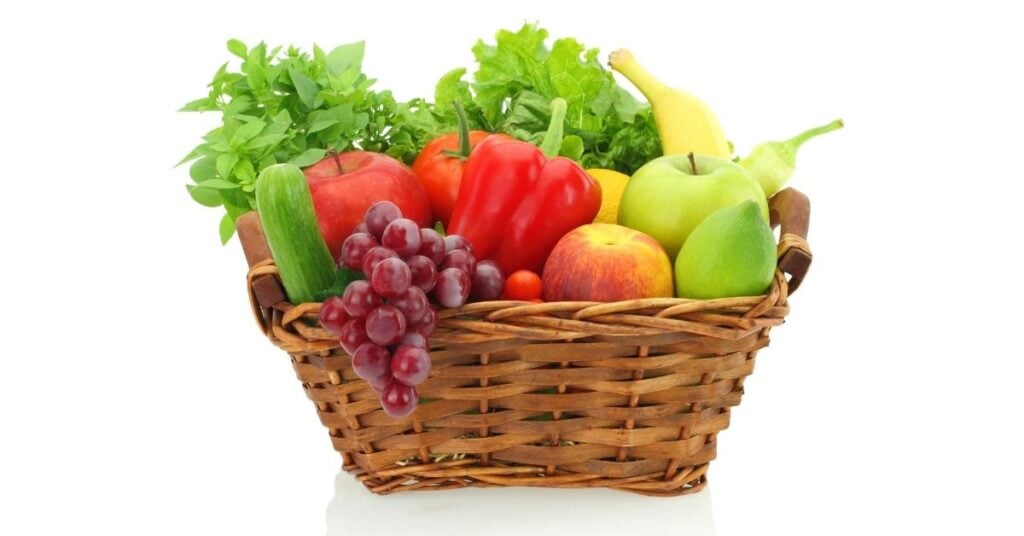
Vegetables that do not need to be refrigerated include onions, garlic, potatoes, tomatoes, and winter squash when kept in a cool, dry, and ventilated environment.
You don’t need a crisper drawer for every fresh item. Many sturdy crops maintain their flavor and texture significantly better on a pantry shelf, provided they are kept away from heat, light, and moisture.
This guide details which vegetables thrive at room temperature, how to configure your storage space, and the specific food safety guidelines to follow. You will save fridge space, reduce food waste, and keep your ingredients fresh for longer.
Why Some Veggies Prefer The Pantry
Vegetables breathe. They release moisture and gases, and their cells continue living even after harvest. While cold temperatures slow these reactions, they can also damage produce that was cultivated for dry, airy conditions. This is particularly true for bulbs and tubers that formed underground, as well as squash with hard rinds. For these items, a cool room is superior to a cold refrigerator box.
Successful room storage depends on managing four basic factors: temperature, humidity, airflow, and ethylene gas. Aim for a dark location between 10–21°C (50–70°F) with steady airflow and low humidity. Crucially, keep ethylene-producing fruits (which speed up ripening) away from pantry vegetables to prevent premature sprouting or rotting.
Vegetables That Do Not Need To Be Refrigerated: Quick Guide
Below is a quick reference guide to pin to your pantry. It lists common pantry-friendly vegetables, proper staging techniques, and the typical room-temperature shelf life before quality begins to degrade.
Note: As per FDA guidelines, once any of the items below are cut, peeled, or cooked, they must be refrigerated within two hours.
| Vegetable | How To Store | Room-Temp Window |
|---|---|---|
| Dry Onions | Open basket, dark shelf; keep separate from potatoes | 2–3 months |
| Garlic Bulbs | Mesh bag or braid; dry, ventilated spot | 1–2 months |
| Shallots | Open bowl or net bag; avoid plastic | 1–2 months |
| Potatoes | Paper bag or crate; cool, dark; strictly no sunlight | 2–3 months |
| Sweet Potatoes | Single layer in a crate; do not refrigerate | 2–4 weeks |
| Winter Squash | Single layer; ensure hard rinds are intact | 1–3 months |
| Tomatoes (Whole) | Stem side down on counter; out of direct sun | 3–7 days |
| Pumpkins | Floor of a cool room; elevate off concrete | 1–3 months |
| Ginger & Turmeric | Dry basket; avoid sealed plastic bags | 2–4 weeks |
Pro Tip: Whole tomatoes develop better flavor and texture when ripened on the counter. Refrigeration can cause the texture to become mealy. Only chill them once they have reached your preferred level of softness.
Set Up A Pantry Zone That Works
1. Pick The Right Spot
Choose a space far from the oven, stove, or heating vents. A cupboard with a vent, a wire rack in a closet, or a dedicated corner in the cellar works best. The goal is consistent, cool air and shade.
2. Use Containers That Breathe
Utilize mesh bags, paper bags with punched holes, wicker baskets, wooden crates, or wire bins. Skip sealed plastic. Breathable walls prevent the condensation buildup that triggers mold and soft spots.
3. Manage Airflow And Spacing
Leave gaps between items. A single layer is always better than a pile. Consider sliding a slatted shelf liner under baskets so air can circulate underneath your potatoes and squash.
4. Control Light And Heat
Sunlight causes potatoes to turn green (producing solanine, which tastes bitter) and warms squash, accelerating decay. Keep the zone shaded. If the room gets warm in summer, move fragile items to the coolest spot on the floor.
Food Safety Guidelines For Produce
Not every produce item can sit out safely. Federal guidance is specific regarding what constitutes “shelf-stable” versus “perishable.” Adhering to these rules is essential for food safety.
The USDA confirms that crops like dry onions and potatoes belong in dry storage to maintain quality. However, they emphasize that temperature ranges must be maintained to prevent bacterial growth or spoilage.
According to FDA guidance on selecting and serving produce, any fresh produce that has been cut, peeled, or cooked becomes a TCS (Time/Temperature Control for Safety) food. It must be stored at 40°F (4°C) or below within two hours (or one hour if the ambient temperature is above 90°F/32°C).
Troubleshooting: Smells, Sprouts, and Soft Spots
Potatoes Sprouting Or Turning Green
Cause: Warmth and light exposure.
Fix: Move the bag to a cooler, darker location. Cut away small green sections before cooking; however, if the potato tastes bitter, compost it.
Onions Going Soft Or Moldy
Cause: High humidity or lack of airflow.
Fix: Switch from a closed bin to a mesh bag. Ensure they are separated from potatoes (which release moisture) and wipe the shelf dry.
Tomatoes Mealy Or Flavorless
Cause: Cold damage from the refrigerator.
Fix: Let whole tomatoes ripen fully on the counter. Only chill them briefly if you need to pause the ripening process immediately before eating.
Common Pantry Mistakes And Easy Fixes
| Mistake | Consequence | The Fix |
|---|---|---|
| Stashing onions beside potatoes | Potatoes sprout faster; onions soften | Store separately across the room |
| Sealing bulbs in plastic | Condensation breeds mold | Use mesh, paper, or baskets |
| Stacking heavy layers | Bruising and trapped moisture | Single layers with airflow |
| Sunny countertop storage | Greened potatoes; warmed squash | Use shade or cool floor space |
| Ignoring ethylene from fruit | Faster softening and spoilage | Keep fruit and veg in separate zones |
| Washing before storage | Leftover moisture speeds rot | Wait and wash right before use |
When To Switch To The Fridge
You must move a pantry item to the refrigerator if:
- The room temperature rises significantly (e.g., during a heatwave).
- The skin of the vegetable is nicked or damaged.
- The vegetable has been cut or peeled.
References & Official Guidelines
For more specific regulations regarding produce safety and storage, please refer to the official sources cited in this guide:
- USDA Produce Safety: Produce Storage Guidelines
- FDA Guidance: Selecting and Serving Produce Safely
