
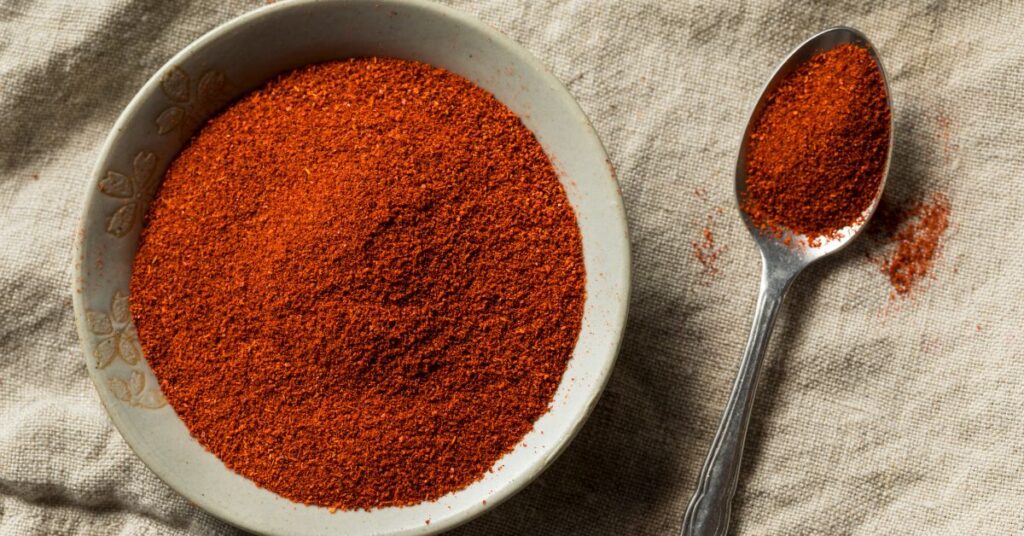
For substitution for paprika, pick sweet, smoked, chipotle, ancho, or cayenne based on the color, smoke, and heat your recipe needs.
Ran out of paprika mid-recipe? You’re not stuck. Different swaps can match the color, bring gentle sweetness, add smoke, or turn up the heat. Below you’ll find fast rules, exact ratios, and when each substitute works best. Where a choice changes flavor in a big way, I flag it so you can adjust with salt, acid, or a touch of sugar. You’ll also see one H2 that uses a close variation—“paprika substitute”—so searchers who type it that way still land on the same answer without awkward repetition.
Substitution For Paprika In A Pinch: Smart Rules
Start by asking what the original teaspoon of paprika was doing in the dish. Was it there for bright color, soft pepper flavor, smoky depth, or sharp heat? Once you know the job, the right swap is obvious. Keep a light hand at first; taste and adjust in the pan. A tiny pinch can move a sauce or rub more than you think.
Best Substitute By Goal (With Ratios)
| Goal | Best Substitute | Ratio & Notes |
|---|---|---|
| Bright Red Color, Mild Flavor | Sweet paprika (any brand) or mild ancho powder | Use 1:1; ancho adds a raisiny note and a touch more depth. |
| Smoky Depth Without Heat | Smoked paprika (pimentón) | Use 1:1; if the dish wasn’t meant to be smoky, start with 1/2 and build. |
| Smoky + Spicy | Chipotle powder | Start 1/2:1 and adjust; adds smoke and heat, darkens sauces and rubs. |
| Clean Heat (No Smoke) | Cayenne pepper | Use 1/8–1/4 tsp cayenne per 1 tsp paprika; taste and step up slowly. |
| Color + Gentle Warmth | Aleppo pepper or Turkish Maras | Use 1:1; round, slightly fruity heat that stays in the mid-range. |
| Everyday Chili Blend | U.S. chili powder (blend) | Use 1:1; contains cumin/garlic/oregano—expect a Tex-Mex tilt. |
| Fresh Pantry Fix | Tomato paste + smoked salt | Per 1 tsp paprika: 1/2 tsp paste + pinch smoked salt for color/body. |
| Red Flakes, Mild-Medium Heat | Gochugaru (Korean flakes) | Use 1:1 by volume; clean pepper flavor, gentle warmth, vivid color. |
Short list of ground rules: smoked swaps add brown-red color and a campfire note; cayenne moves straight to heat; blends bring cumin and garlic whether you asked for them or not. When you need only color, keep it simple and mild. When you need warmth that still reads “paprika,” reach for Aleppo-style peppers or ancho.
Paprika Substitute Options For Color, Sweetness, And Heat
Not all paprika is the same. Grocery “paprika” is usually sweet and mild. Spanish smoked paprika (pimentón) leans woody and savory. Hot paprika adds bite. That’s why a one-for-one swap can be perfect in one dish and wrong in another. Use the sections below to pick a match by job.
When You Need Color First
Deviled eggs, potato salad, and pale sauces often rely on paprika for a red-orange finish more than flavor. In those cases, use sweet paprika 1:1, or ancho if you want an earthier note. A tiny dab of tomato paste thinned with oil also boosts color without pushing heat. If you keep gochugaru, that’s a clean, mild way to tint soups and stews while staying pepper-forward.
When You Want Smoky Depth
Smoked paprika replaces regular paprika in stews, beans, and meat rubs when you want a grill-kissed vibe. If you’re out of it, chipotle powder stands in well; go half the amount at first because chipotle brings both smoke and heat. A pinch of smoked salt can help you fake the campfire note if all you have is sweet paprika.
When The Recipe Needs Heat
Cayenne is the speed route to heat. It’s far hotter than most paprikas, so stir in 1/8–1/4 teaspoon for every teaspoon you meant to add. Let it bloom in oil for a moment, then taste. If the dish tastes sharp, balance with fat or a squeeze of lemon.
When You Want Gentle Warmth
Aleppo-style pepper and Turkish Maras sit between sweet paprika and cayenne. They add round, fruity warmth and a rich red hue. Use them one-for-one in sauces, roasted vegetables, or on grilled chicken. If you don’t have either, blend 4 parts sweet paprika with 1 part cayenne; add a tiny pinch of salt to round it out.
When A Blend Makes Sense
American chili powder works in chili, tacos, and bean stews because the built-in cumin/garlic lean into that flavor family. It’s not neutral. If your recipe is Hungarian-leaning or delicate, the blend will nudge it Tex-Mex. Use equal parts but expect a different aroma.
How To Adjust For Smoke, Color, And Heat
Think in three sliders: smoke, color, and heat. You can push any one up with a small, specific tweak. That way, even if your stand-in isn’t perfect, the dish still lands where you want it.
Dial The Smoke
- Too little smoke? Add a pinch of smoked paprika or smoked salt.
- Too much smoke? Cut with sweet paprika or a splash of tomato passata.
Dial The Color
- Color too dull? Bloom sweet paprika or stir in 1/2 teaspoon tomato paste.
- Color too brown? Switch from chipotle to sweet paprika; finish with fresh herbs.
Dial The Heat
- Heat too low? Add tiny pinches of cayenne; re-taste after 60 seconds.
- Heat too high? Add fat (yogurt, butter, olive oil) or a squeeze of lemon.
Quick Flavor Notes So You Don’t Overcorrect
Regular paprika reads bright and peppery. Smoked paprika reads savory and woody. Chipotle reads smoked-meaty. Ancho reads dried-fruit and cocoa. Cayenne reads hot and clean. Aleppo/Maras read warm and tomato-like. Gochugaru reads sunny and fresh. Knowing those lanes helps you steer fast.
Good Uses For Each Swap
- Sweet paprika: eggs, light sauces, pan gravies, spice rubs.
- Smoked paprika: beans, lentils, roasted potatoes, BBQ rubs.
- Chipotle: chili, braises, adobo-style sauces, meaty rubs.
- Ancho: mole-leaning sauces, stews, taco blends.
- Cayenne: seafood boils, hot wing sauce, quick soups.
- Aleppo/Maras: roasted veg, dips, salad dressings, pizza oil.
- Gochugaru: soups, noodles, quick kimchi-style slaws.
How To Bloom Spices For Maximum Payoff
Heat unlocks pepper aromas. Add your swap to warm oil for 15–30 seconds before liquids. Watch the color; if it darkens too fast, lift the pan. For soups, stir the spice into fat, then deglaze. For rubs, mix with a little oil so it sticks evenly and doesn’t scorch on the grill.
Safe Swaps For Classic Dishes
Hungarian-Style Stews
Sweet paprika is core. If you’re out, use Aleppo/Maras 1:1. For a warmer stew, finish with a tiny pinch of cayenne. Avoid heavy chipotle smoke here unless you want a different dish.
Spanish-Style Beans And Potatoes
Smoked paprika brings the region’s hallmark oak note. If you lack it, blend 2 parts sweet paprika with 1 part chipotle; go light and taste. A pinch of smoked salt helps when you only have sweet paprika.
Grill Rubs And Roasted Meats
Chipotle or smoked paprika both shine. If you sub cayenne for punch, balance with brown sugar and sweet paprika so the crust doesn’t taste one-note hot.
For a deeper primer on the three main kinds—sweet, hot, and smoked—see this clear overview from Food & Wine. If you’re weighing regular vs. smoked for a recipe, this explainer from Allrecipes lays out the flavor split in plain terms.
Ratios That Rarely Fail
These swaps keep the dish balanced. They’re starting points, not hard law, so taste and adjust in the pan.
Heat & Smoke Guide By Substitute
| Substitute | Heat/Smoke Profile | Starting Ratio |
|---|---|---|
| Sweet paprika | Mild heat, no smoke | 1:1 for paprika in most sauces and rubs |
| Smoked paprika | Mild heat, medium smoke | 1:1; halve first if dish isn’t meant to be smoky |
| Chipotle powder | Medium-hot, strong smoke | 1/2:1; add more if you want both smoke and heat |
| Ancho powder | Mild-medium heat, chocolatey depth | 1:1 for body; add sweet paprika for brighter color |
| Cayenne pepper | Hot, no smoke | 1/8–1/4 tsp per 1 tsp paprika |
| Aleppo/Maras | Medium warmth, fruity | 1:1; pinch of salt rounds the flavor |
| Gochugaru | Mild-medium heat, clean pepper | 1:1; great for soups and slaws |
Common Mistakes And Easy Fixes
Swapping Heat For Smoke
Chipotle adds both. If your stew turns too smoky, thin with stock and add sweet paprika to reset the balance.
Overusing Cayenne
Hotter isn’t better. If the burn is blunt, stir in fat—olive oil, butter, or yogurt. A squeeze of lemon wakes up dull peppers without more heat.
Letting Spices Scorch
Bloom in warm oil, not ripping-hot oil. If the pan starts to smell bitter, add liquid right away and pull the heat back.
Pantry Plan So You’re Never Stuck
Keep two paprikas: one sweet, one smoked. Add one “heat booster” like cayenne or Aleppo-style flakes. With that trio, you can mimic most jars. Label the lids with “sweet,” “smoked,” or “hot” so you reach the right one without second-guessing.
Quick Reference For Tonight
- Need color and mild flavor? Use sweet paprika 1:1.
- Need smoke? Use smoked paprika 1:1, or chipotle at 1/2:1.
- Need heat only? Use 1/8–1/4 tsp cayenne per teaspoon.
- Want warm, rounded spice? Use Aleppo/Maras 1:1.
- Only have chili powder? It works in Tex-Mex-leaning dishes at 1:1.
Final Notes Before You Plate
Substitution for paprika doesn’t have to be a compromise. Decide the role—color, smoke, or heat—then pick the swap that does that job and nothing extra. Keep tasting as you cook, and you’ll land right where you wanted.
