
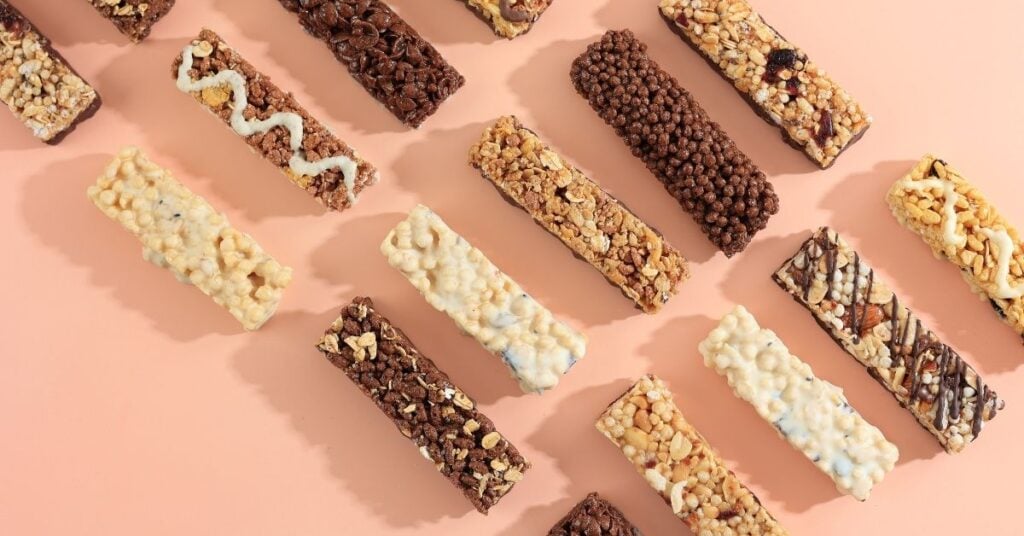
A Protein Bar With 30 Grams Of Protein supplies a solid serving for recovery; aim for 250–350 calories, ≥8 g fiber, and low added sugars.
Chasing a reliable 30 g hit in one snack sounds simple until you scan labels. Calories jump, sugars creep, and protein quality shifts by source. This guide shows you how to pick or make a bar that delivers the full 30 g without extra baggage, so you can fuel training, long shifts, or travel days with zero fuss.
Protein Bar With 30 Grams Of Protein
If you want speed and certainty, shop for bars that list 30 g protein on the front and confirm the number on the Nutrition Facts panel. The protein figure must appear in grams per serving. To judge overall balance fast, look at four lines: calories, protein, total sugar (and added sugars), and fiber. For most active adults, a well-balanced 30 g bar lands around 250–350 calories with ≤8–10 g added sugars and ≥8 g fiber. Bars swinging far above those ranges often swap protein for syrups or fats without real benefit.
What Counts As “Good Protein” In A 30 g Bar
Not all protein delivers the same amino acid mix. Whey isolate and whey blends digest quickly and cover the full set of essential amino acids, including leucine. Soy isolate also hits the full profile. Pea and rice together form a solid plant combo, while collagen on its own lacks tryptophan and should be paired with a complete source if you want full muscle support.
How To Read Protein Percent And Label Claims
Protein percent tells you how much of the bar’s calories come from protein. A 300-calorie bar with 30 g protein (≈120 protein calories) sits at ~40% protein calories, which is a strong ratio for a snack. Claims like “high protein” must still follow label rules; the real detail lives in the panel and ingredient list. For a quick primer on label math, see the FDA’s guide to the Nutrition Facts label.
Popular 30 g Protein Bar Types And What To Expect
This first table gives you a fast scan of common 30 g bar styles, typical calorie ranges, and what each style trades to hit the 30 g mark. Use it to narrow your short list before you compare labels on the shelf.
| Bar Type | Typical Calories | Notes |
|---|---|---|
| Whey Isolate Bar | 260–320 | Fast-digesting, clean texture; watch for sugar alcohols if sensitive. |
| Whey Blend (Isolate + Concentrate) | 270–340 | Slightly creamier; lactose can be higher than isolate-only options. |
| Soy Isolate Bar | 250–330 | Complete plant protein; texture varies from chewy to crisp. |
| Pea + Rice Plant Blend | 280–360 | Good essential amino profile as a pair; fiber usually higher. |
| Keto-Leaning (Low Net Carb) | 240–320 | Uses polyols/allulose; net carbs low; check tolerance and labeling. |
| Whole-Food Nut + Isolate | 300–380 | Nut butter adds fats and flavor; protein stays strong with isolate. |
| Collagen + Whey Hybrid | 260–340 | Collagen boosts texture; ensure a complete protein partner is present. |
| Homemade (See Recipe Below) | Varies | Set your own macros; easy to reach 30 g with whey or soy isolate. |
Close Variant: 30 Gram Protein Bar Choices By Goal
Goals shape the best pick. A commuter who needs a tidy desk snack may want lower sugar and high fiber to stay full. A lifter might prefer faster carbs post-session. A hiker could want more sodium and a softer chew in cold weather. Use the quick filters below to land the best match.
For Weight Management
Pick a bar around 260–300 calories, ≥8 g fiber, and ≤6–8 g added sugars. Protein percent near 40–45% helps satiety. Plant blends often run higher in fiber, which can help you feel satisfied on fewer calories.
For Muscle Recovery
After training, a fast-digesting source helps hit the leucine trigger (≈2.5 g per serving). Whey isolate bars with 30 g protein are a direct hit. If you prefer plants, a soy isolate bar or a pea-rice combo can meet the same need.
For Sensitive Stomachs
Watch polyols like maltitol and sorbitol. If those bother you, look for bars sweetened with small amounts of sugar, allulose, or stevia, and keep fiber sources like inulin moderated. Test one bar at a time rather than stocking up.
For Travel And Work Bags
Choose sturdy wrappers, chocolate that won’t melt fast, and textures that don’t crumble in heat. Keep two bars in rotation so you don’t burn out on one flavor. The phrase “Protein Bar With 30 Grams Of Protein” on the wrapper makes grab-and-go choices simpler when you’re rushing between tasks.
Protein Quality: Why The Source Matters
Protein quality rests on two pillars: essential amino acid content and digestibility. Complete proteins (whey, soy, dairy blends, high-quality plant combos) deliver all essentials in useful amounts. The ingredient deck tells the story: “whey protein isolate,” “milk protein isolate,” “soy protein isolate,” or a clear pea–rice pairing. Collagen adds texture and joint-adjacent peptides, but it isn’t complete on its own. If collagen shows up as the first protein, scan for a complete partner.
Leucine And The 30 g Threshold
Leucine is the on-switch for muscle protein synthesis. Most 30 g servings of complete proteins reach the threshold. That’s one reason the 30 g target is popular: it leaves less guesswork after a hard lift or long run. For dietary background, the Dietary Guidelines for Americans explain protein foods within a balanced pattern.
Carbs, Fats, And Fiber: Getting The Mix Right
Protein does the heavy lifting, but the supporting cast decides how you feel one hour later. A little fat (8–14 g) slows digestion, while moderate carbs (20–35 g) refuel if you trained. Fiber in the 8–12 g range extends fullness without a heavy gut. If you see 20+ g added sugars, the bar trades protein for syrup. If you see 15+ g polyols, test tolerance before relying on it during meetings or travel.
Sweeteners And Net Carbs
Net carb math subtracts fiber and some sugar alcohols from total carbs, but labels vary across products. Your response matters more than the net number. If a bar fits your macros but upsets your stomach, pick a different sweetener blend.
Timing Your 30 g Snack
Before a session, a 30 g bar with modest fat and a little carb sits well for many people 60–90 minutes pre-work. After training, any complete 30 g bar speeds recovery when food is not handy. On busy days, a bar plus a piece of fruit balances fast protein with simple carbs so you stay clear-headed.
Make Your Own 30 g Bar At Home
Homemade bars let you control texture, sweetness, and cost. The base below is easy to tweak, bakes in one pan, and hits the 30 g mark per serving with common pantry items. You can swap the protein to match dietary needs.
Base Formula And Swaps
Start with a dry mix (isolate powder, rolled oats, crisped rice), add a binder (egg whites or aquafaba), fats for texture (peanut butter or tahini), and a sweet element (honey or date puree). For a dairy-free bar, use soy isolate or combine pea and rice protein. To keep carbs tight, lean on allulose and reduce oat content, adding extra crisped rice for crunch without heavy weight.
Quick 8-Bar Pan Method (30 g Each)
- Preheat oven to 175°C / 350°F. Line an 8×8 in pan with parchment.
- Whisk 240 g whey or soy isolate, 80 g rolled oats, 30 g crisped rice, and a pinch of salt.
- Warm 120 g peanut butter with 80 g honey until loose; stir in 120 g egg whites.
- Fold wet into dry. Add 30–60 ml water as needed for thick batter.
- Spread, press flat, and bake 12–15 minutes until set at edges.
- Cool fully. Cut into 8 bars. Wrap and refrigerate.
That batch puts you right at the target with good chew and clean flavor. If you prefer no-bake, chill the pressed slab instead of baking; the texture stays softer. Stash two bars at the office so you’re covered when meetings run long. This is where a clearly labeled “Protein Bar With 30 Grams Of Protein” helps you track intake without logging each ingredient line by line.
Homemade 30 g Bar Macro Blueprint
Use this second table to scale the recipe or swap ingredients while keeping protein near 30 g per bar. The protein numbers are rounded and based on common supermarket items.
| Ingredient | Amount Per Bar | Protein (Approx) |
|---|---|---|
| Whey Or Soy Isolate | 30 g | 24 g |
| Egg Whites (Or Aquafaba) | 30 g | 3 g |
| Peanut Butter (Or Tahini) | 20 g | 5 g |
| Rolled Oats | 10 g | 1.5 g |
| Crisped Rice | 5 g | 0.5 g |
| Total Per Bar | — | ~34 g |
| Adjustment Note | Reduce isolate to 27 g | ≈30 g |
Ingredient List Tells The Truth
Ingredients appear in weight order. If syrups and sweeteners come first, the bar leans dessert. If oils lead the list, fats carry the calories. When you see a clear protein isolate within the first two slots, the bar is built around protein rather than fillers. Crisp elements (soy crisps, whey crisps) add crunch without wrecking macros.
Common Label Red Flags
- Very low fiber (<3 g) with high sugar: quick spike, short fullness.
- Protein under 25 g while calories exceed 360: weak ratio for the claim.
- Collagen as the only protein: incomplete by itself for recovery goals.
- Long lists of polyols: test tolerance before meetings, flights, or races.
Budget, Storage, And Flavor Rotation
Buying by the case cuts per-bar cost, but only after you test a single wrapper. Store bars in a cool drawer; heat can turn coatings gritty. Keep two flavors in rotation so you don’t stall on one profile. If you bake at home, wrap singles in parchment inside a freezer bag; thaw at room temp for 20 minutes and the texture bounces back.
Putting It All Together
Pick your source first (whey, soy, or a plant blend), then check calories, fiber, and sweetener type. Confirm the 30 g line on the panel, skim the ingredient order, and keep a couple of proven options on hand. With a small bit of label practice, you’ll spot the winners fast and keep your day moving.
