
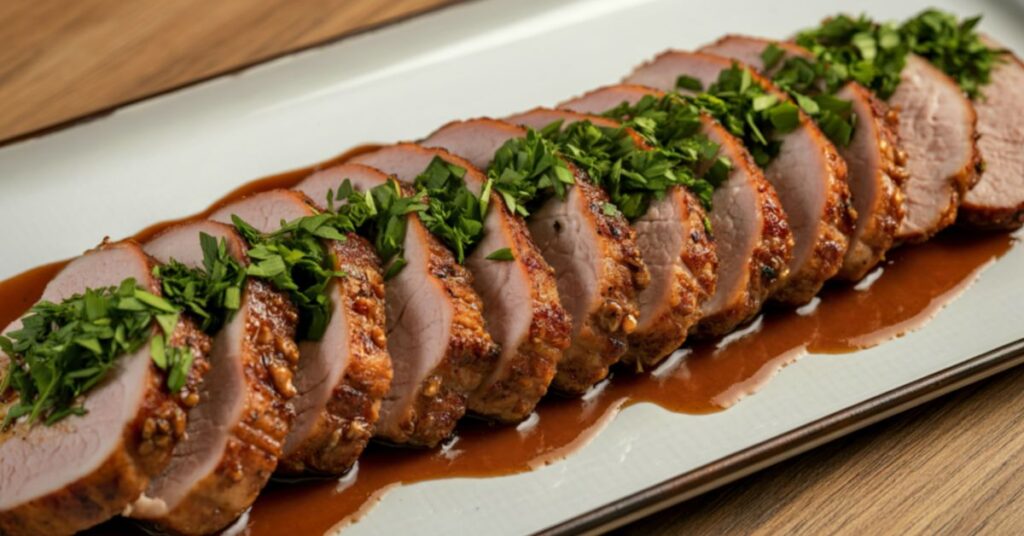
No, pork left out overnight at room temperature isn’t safe; toss it, even if it looks and smells fine.
I get why this question pops up. You cook, you eat, you clean up, then you spot the pork on the counter the next morning. It feels wasteful to throw it away. Pork can look normal after a night out, and that’s what makes this tricky.
Food safety isn’t a vibe check. It’s time, temperature, and bacteria. When pork sits in the warm middle range for hours, germs can multiply fast and some can leave toxins behind. That’s why the safe move is boring: don’t eat it.
Why Overnight Pork Turns Risky Fast
Pork is a high-protein, high-moisture food. That combo feeds bacteria once it warms up. The problem isn’t only “spoiled” meat; it’s meat that stayed warm long enough for harmful bacteria to grow to levels that can make you sick.
Rule of thumb: perishable foods shouldn’t sit out longer than two hours at room temperature, or one hour when the room is hot. The USDA explains this in its FSIS “Danger Zone (40°F – 140°F)” guidance.
| What Happened | Quick Read | What To Do |
|---|---|---|
| Cooked pork sat out 3–4 hours | Past the two-hour window | Throw it out |
| Cooked pork sat out overnight | Many hours in the danger zone | Throw it out |
| Raw pork sat out 2+ hours | Risk rises fast | Throw it out |
| Pork was out 1 hour in a hot room or hot car | Heat speeds growth | Throw it out |
| Pork was in a closed pot on the counter | Closed doesn’t mean cold | Throw it out |
| Pork was on a plate, loosely covered | Still room temp for hours | Throw it out |
| Pork cooled fast, then went in the fridge within 2 hours | Handled within the window | Keep it, eat soon |
| Pork was kept above 140°F the whole time (hot holding) | Stayed out of the danger zone | Safe if temps were real |
Is Pork Safe To Eat If Left Out Overnight At Room Temperature?
No. “Overnight” usually means six, eight, ten hours. That’s far beyond the two-hour rule. Even if your kitchen feels cool, room temperature still sits right where bacteria like to multiply.
Also, reheating doesn’t rescue pork that sat out all night. Heat can kill live bacteria, but it can’t always undo toxins that some bacteria can form while food sits warm. Smell doesn’t save you either. Plenty of foodborne bugs don’t change how food looks, smells, or tastes.
What Counts As “Left Out”
If the pork spent those hours between the fridge and a hot skillet, treat it as left out. A lid, foil, or a microwave door doesn’t chill food. A slow cooker on “warm” might hold safe temps, but only if it truly stays hot the whole time.
Raw Pork Vs Cooked Pork
Raw pork left on the counter has two problems: bacteria can grow, and the outside can warm up while the inside stays cool. Cooked pork has its own risk since it has already been handled, sliced, and exposed to utensils and air. In both cases, an overnight stretch at room temperature is a toss-it situation.
What If The Pork Was Still Warm When You Went To Bed
This is a common one. People don’t want to put a big pot of hot food straight in the fridge. The fix is not leaving it out all night. Split the pork into shallow containers, leave the lids cracked for a short cool-down, then refrigerate within two hours.
Fast Ways People Talk Themselves Into Eating It
When pork looks “fine,” your brain starts bargaining. Here are the usual traps, and why they don’t work.
“It Smells Okay”
Odor tells you about spoilage, not safety. Some bacteria that make you sick don’t leave a strong smell.
“I’ll Just Reheat It”
Reheating can’t guarantee safety after an overnight sit. Some toxins can stay even after boiling-hot heat.
“It Was Covered”
Covering keeps dust off. It doesn’t control time and temperature.
“I’ve Done It Before And Felt Fine”
Sometimes you get lucky. That doesn’t make it a safe habit, and luck runs out at the worst time.
If You Ate Pork That Sat Out Overnight
Don’t panic. Many foodborne illnesses feel like a rough stomach bug and pass. Still, pay attention to how you feel over the next day or two.
Symptoms can start in a few hours or a day later, depending on the germ and the dose. Watch for nausea, vomiting, diarrhea, belly cramps, and fever. The CDC’s food safety prevention tips also stress quick chilling of perishable foods to cut this risk.
Get medical help right away if there’s blood in stool, signs of dehydration, a high fever, or symptoms that don’t let up. Kids, older adults, pregnant people, and anyone with a weakened immune system should be extra cautious.
How To Store Pork So This Doesn’t Happen Again
Most “left out overnight” moments come from routine, not carelessness. Build a simple habit and it stops being a thing.
Cool It In Shallow Portions
Big pots cool slowly. Split pork into shallow containers so the heat can escape. You can set the containers on a rack to get airflow under them, then move them to the fridge before the two-hour mark.
Want a faster cool-down? Nest the sealed container in a larger bowl of ice water and stir the food once or twice. Then move it to the fridge right away. A fridge thermometer helps you keep 40°F or lower.
Label It So You’ll Use It
Write the date on the container. Leftovers get ignored when they look mysterious. A label turns “maybe” into a clear plan for lunch.
Reheat Like You Mean It
When you reheat leftovers, heat them until they’re steaming hot all the way through. If you use a thermometer, 165°F is a solid target for reheated leftovers.
Fridge And Freezer Time Guide For Pork
Once pork is chilled fast, storage becomes the next question. These ranges reflect common U.S. food safety guidance for home storage at 40°F or below.
| Pork Type | Fridge Time | Freezer Time (Quality) |
|---|---|---|
| Fresh pork chops or steaks (raw) | 3 to 5 days | 4 to 12 months |
| Fresh pork roast (raw) | 3 to 5 days | 4 to 12 months |
| Ground pork (raw) | 1 to 2 days | 3 to 4 months |
| Cooked pork leftovers | 3 to 4 days | 2 to 6 months |
| Ham, cooked, slices | 3 to 5 days | 1 to 2 months |
| Sausage, raw (pork) | 1 to 2 days | 1 to 2 months |
| Sausage, fully cooked (pork) | 1 week | 1 to 2 months |
A Simple Decision Rule You Can Trust
If pork sat out overnight, don’t taste it “just to check.” Bag it, toss it, and wash the plate and utensils with hot soapy water. Then move on. The cost of wasted pork is small compared to a day of vomiting, missed work, or a bad hit to a kid’s stomach.
If you’re ever unsure about a shorter time window, go back to two questions: “How long was it out?” and “Was it kept cold or kept hot?” When you can’t answer those with confidence, skip the gamble.
