
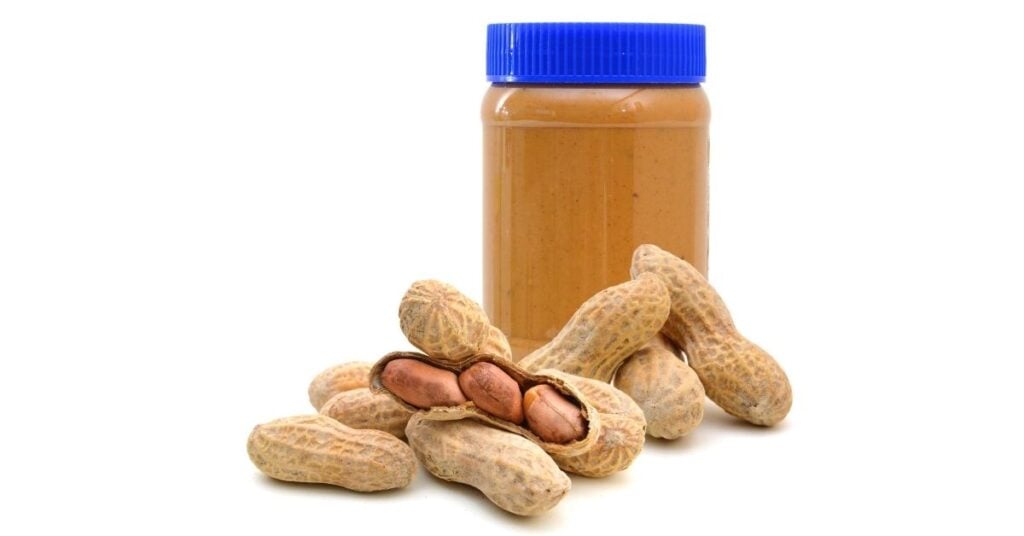
Yes, palm oil in peanut butter can raise saturated fat intake, but small amounts in balanced diets are generally fine.
Peanut butter is a pantry staple. Some jars list palm oil; others don’t. The big worry is fat quality and heart health. This guide gives clear, practical answers using current nutrition guidance and food-label rules. You’ll see where palm oil fits, when to skip it, and easy ways to choose a jar that matches your goals.
Peanut Butter Basics And Why Palm Oil Shows Up
Classic peanut butter contains ground roasted peanuts and salt. Natural jars separate over time; oil rises and needs a quick stir. To keep texture smooth on the shelf, makers add a stabilizer. Palm oil (or palm fractions like stearin) sets up at room temp and reduces separation. Studies on peanut butter processing show palm oil at small percentages (around 1.5–2.5% by weight) improves oil-holding capacity without big changes in spreadability. That’s why you see it in “no-stir” jars.
Main Keyword Variant For Clarity: Is Palm Oil In Peanut Butter Bad For You? — Nuance Matters
Health impact depends on dose, diet pattern, and your risk profile. Palm oil brings more saturated fat than many seed oils, yet far less than butter or coconut oil. If your daily diet already runs high in saturated fat, a no-stir jar can push the total higher. If your overall pattern leans on beans, whole grains, fruits, veggies, and unsaturated oils, a spoon or two of a palm-stabilized spread won’t make or break your numbers.
Table 1: Peanut Butter Styles, Typical Additions, And What That Means
This table lands early to make label reading simpler. It compares common styles you’ll find on shelves.
| Style | Typical Stabilizer / Add-Ins | What To Expect |
|---|---|---|
| “Natural” (Stir) | None; just peanuts, salt | Oil separation; needs stirring; fats mirror peanuts |
| No-Stir With Palm Oil | Palm oil or palm stearin | Less separation; small bump in saturated fat vs stir jars |
| No-Stir With Hydrogenated Oils | Fully hydrogenated vegetable oils | Firm texture; trans fat-free when fully hydrogenated |
| Reduced-Fat | Added carbs (starches, sugars) | Lower fat; more carbs; not always lower calories |
| Powdered Peanut Butter | Defatted peanut powder | Much lower fat; mix with water; different mouthfeel |
| Crunchy / Smooth Classics | May include a stabilizer; sometimes sugar | Spreadable; check label for oil type and sugars |
| Organic Variants | Often palm oil or none | Similar nutrition; sourcing claims vary |
What Nutrition Science Says About Palm Oil
Palm oil is a “tropical” fat with a mix near 50% saturated, the rest mostly monounsaturated. Diets high in saturated fat raise LDL cholesterol, which relates to higher heart-disease risk. Heart groups advise keeping saturated fat low and leaning on unsaturated oils. In short: the more your diet swaps to olive, canola, or other unsaturated-rich options, the better for LDL control. Palm oil sits between butter and olive oil on this spectrum.
Context In A Spoon
Two tablespoons of peanut butter (the common label serving) land around 190–200 calories, with fats mainly from peanuts. If the jar includes palm oil at a small percentage, total saturated fat per serving bumps up a bit compared with a stir jar. It’s not night and day, but it counts toward your daily saturated fat budget, especially if you also eat cheese, fatty meats, or baked goods the same day.
Trans Fat Concerns And Palm Oil
Palm oil by itself isn’t partially hydrogenated and does not carry industrial trans fat. Fully hydrogenated stabilizers also test as zero trans. The trans fat that once showed up in older spreads came from partially hydrogenated oils; those left the market after label rules and reformulation. Today’s no-stir jars usually avoid that route.
Label Rules And What “Peanut Butter” Can Contain
U.S. standards set a clear identity for peanut butter: at least 90% peanuts by weight. Seasonings and stabilizers can fill the rest, with limits on certain additives. Food law references also describe which oil products count as suitable stabilizers in products sold as “peanut butter,” and agencies use this framework in procurement specs. That’s why you’ll see small amounts of stabilizing oils in many classic jars while powdered or flavored products sit in different categories.
How To Read Your Jar
- Ingredients list: “peanuts, salt” signals a stir jar. “palm oil” signals a no-stir jar with a tropical oil stabilizer.
- Nutrition Facts: Check “Saturated Fat.” Compare across brands and styles; small differences add up across meals.
- Added sugar: Some spreads add sugar or honey. If your goal is a savory spread, pick a low-sugar label.
So… Is Palm Oil In Peanut Butter Bad For You?
Here’s the straight answer many shoppers want: is palm oil in peanut butter bad for you? In daily life, risk tracks with total saturated fat across the whole day, not one ingredient in a vacuum. A couple spoonfuls of a palm-stabilized jar can fit into a balanced day for most people. If your doctor or dietitian asked you to push LDL lower, a stir jar or powdered option trims a bit of saturated fat without giving up peanut flavor.
When To Pick A Stir Jar
Choose a stir jar when you’re watching LDL closely, stacking other heart-smart moves, and you don’t mind mixing. The taste is pure peanut. The texture turns silky after the first stir if you store the jar upside down for a day, then flip and stir from the bottom with a firm spatula. Decant to smaller containers to keep it neat.
When A No-Stir Jar Makes Sense
Pick a no-stir jar when convenience matters, you pack lunches, or the jar needs to live at room temp. If you go this route, keep saturated fat in check elsewhere that day: cook with olive or canola oil, favor fish or beans over fatty cuts, and load the plate with plants.
Smart Swaps That Keep The Peanut Flavor
- Olive-oil day: Use extra-virgin olive oil at dinner and keep the peanut butter serving modest at breakfast.
- Powder hack: Mix powdered peanut butter with plain yogurt for a creamy dip that’s lower in fat.
- Half-and-half: Blend equal parts stir jar and no-stir jar at home to meet in the middle on texture and fats.
- Portion cue: Two tablespoons spread a full slice of toast; measure a few times to learn the look.
Environmental Sourcing Notes In One Place
Many shoppers also care about palm sourcing. Certified sustainable supply chains aim to curb deforestation and protect habitats. If this matters to you, look for jars that mention certified palm or choose stir jars that avoid palm oil altogether. Healthwise, sourcing labels don’t change the fat profile, but they change the footprint story.
Table 2: Quick Picks For Different Needs (After You’ve Read The Label)
Use this decision table when you’re standing in the aisle or filling a cart online.
| Your Priority | Best Match | Why It Fits |
|---|---|---|
| Lower Saturated Fat | Stir-style peanut butter | No palm oil; fats reflect peanuts |
| Zero Stirring | No-stir with palm oil | Stable texture; small sat-fat bump |
| Spreadability In Lunchboxes | No-stir (palm or fully hydrogenated) | Less mess; smooth on soft bread |
| Calorie Control | Powdered peanut butter | Much less fat per serving |
| No Added Sugar | Ingredients: peanuts, salt | Simple label; savory taste |
| Footprint Concerns | Stir-style or certified palm | Avoids or improves palm sourcing |
| Budget Pick | Store brand classics | Check saturated fat and ingredients |
How To Keep Your Daily Saturated Fat Low While Still Enjoying PB
Heart groups suggest a tight cap on saturated fat, with many adults aiming for roughly 11–13 grams per day on a 2,000-calorie plan when trying to lower cholesterol. That number shifts with personal calorie needs, but the point is simple: spread those grams across meals. If breakfast includes a palm-stabilized PB toast, pick a lunch built around beans, lentil soup, or grilled fish with a salad dressed in olive oil. Small nudges across the day keep totals in range.
Sample Day With Peanut Butter In The Mix
- Breakfast: Whole-grain toast with 1–2 tbsp peanut butter, sliced banana, cinnamon.
- Lunch: Chickpea salad with olive-oil vinaigrette; fruit.
- Dinner: Baked salmon or tofu, quinoa, roasted veggies.
- Snack: Apple slices with powdered PB dip.
Clear Takeaways You Can Use Today
- Palm oil adds convenience: It keeps no-stir jars smooth and shelf-stable.
- Health hinge: Total saturated fat across the day matters most for LDL.
- Simple win: If LDL is the target, use stir jars more often or mix in powdered PB.
- Label savvy: Scan the ingredients and the saturated fat line every time you buy.
Helpful References
For a deeper read on saturated fat guidance, see the AHA page on saturated fats. For food-identity rules that shape what can be sold as “peanut butter,” review 21 CFR 164.150. A technical snapshot of palm oil as a stabilizer in peanut butter appears in LSU’s published work on palm oil functionality. For wider evidence summaries on palm oil and heart outcomes, see the WHO review of systematic reviews.
Bottom Line For Buyers
is palm oil in peanut butter bad for you? It depends on the rest of your plate. If you want the lowest saturated fat, pick a stir jar. If you value convenience, a palm-stabilized jar can fit into a heart-smart day when paired with unsaturated-rich meals and smart portions. You steer the outcome with the label you choose and the foods you pair with it.
