
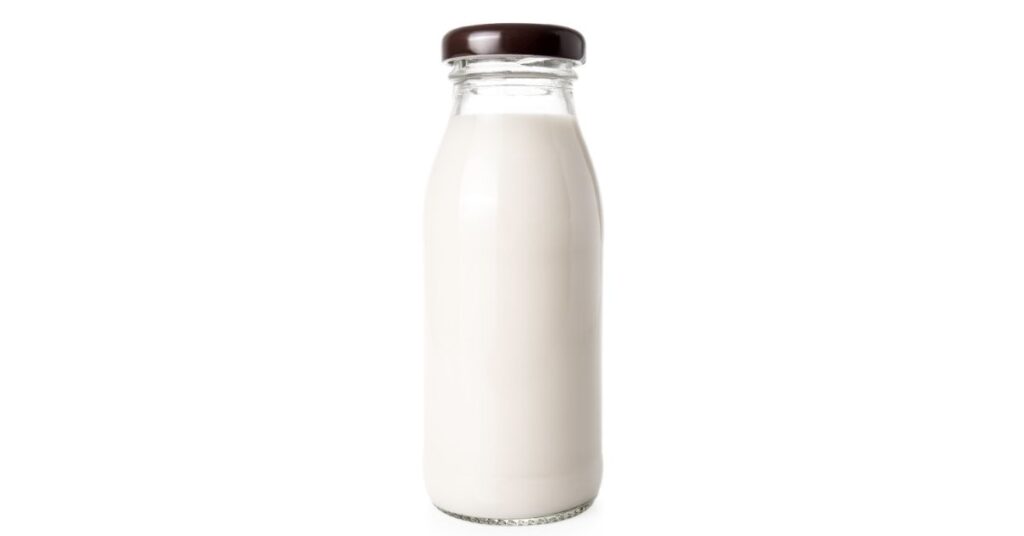
Yes, you can microwave milk safely, provided you use short intervals and stir frequently to prevent scorching or a messy boil-over.
Heating milk seems like a simple task until you end up with a scorched film on top or a puddle on the rotating glass plate. The microwave is a powerful tool, but it treats dairy differently than water. Milk contains fats, proteins, and sugars that react quickly to rapid heat. If you rush the process, you ruin the flavor and create a cleaning nightmare.
We will break down exactly how to heat milk without burning it, which containers work best, and why you must be careful with infant formula. This guide covers dairy, plant-based alternatives, and the science behind that annoying skin that forms on the surface.
The Science Behind Heating Milk
Microwaves work by agitating water molecules. Since milk is mostly water, it heats up fast. However, the solids in milk create unique challenges. The proteins, specifically whey and casein, do not react well to intense, focused heat.
When you blast milk on high power, the proteins unfold and bond together. This coagulation creates a film on the surface. Steam gets trapped under this film. Pressure builds up, and suddenly, the film bursts. This causes the milk to rise rapidly and spill over the edge of your mug. Uneven heating also creates hot spots that can scald your tongue even if the cup feels cool.
To avoid these issues, you must control the power level and the time. Patience saves you from scrubbing burnt dairy off the microwave floor.
Estimated Heating Times By Volume
Knowing how long to set the timer prevents accidents. The following table breaks down heating times based on the amount of milk and your microwave’s wattage. Start with these baselines and adjust based on your specific appliance.
| Amount of Milk | 700 Watts (Low Power) | 1000-1200 Watts (Standard) |
|---|---|---|
| 1/2 Cup (120ml) | 60 – 75 Seconds | 45 – 60 Seconds |
| 1 Cup (240ml) | 90 – 120 Seconds | 60 – 90 Seconds |
| 2 Cups (480ml) | 3 – 4 Minutes | 2 – 3 Minutes |
| Bowl of Cereal (Milk Only) | 60 Seconds | 45 Seconds |
| Baby Bottle (Formula) | NOT RECOMMENDED | NOT RECOMMENDED |
| Heavy Cream (1 Cup) | 90 Seconds | 60 – 75 Seconds |
| Chocolate Milk (1 Cup) | 90 – 100 Seconds | 70 – 90 Seconds |
Step-By-Step Guide To Microwaving Milk
Follow these steps to ensure your milk reaches the perfect temperature without burning. The goal is gentle, even heating rather than a quick blast.
1. Choose The Right Container
Always pour the milk into a microwave-safe container. Ceramic mugs or glass measuring cups work best. Leave at least an inch of space at the top. Milk expands when it gets hot. If you fill the cup to the brim, it will spill.
2. Adjust The Power Level
Most people leave their microwave on high (100%) for everything. This is a mistake with dairy. Lower the power setting to Medium or 50-70%. This pulses the energy, allowing the heat to distribute more evenly throughout the liquid. This prevents the proteins from seizing up instantly.
3. Heat In Short Bursts
Do not set the timer for two minutes and walk away. Heat the milk in 15 to 30-second intervals. This might feel tedious, but it is necessary. Between each interval, open the door and give the milk a quick stir.
4. Stir Frequently
Stirring is the secret to success. It breaks the surface tension, which prevents the skin from forming. It also distributes the thermal energy. Microwaves heat from the outside in (mostly). Stirring mixes the hot outer liquid with the cooler center, ensuring a consistent temperature.
5. Test The Temperature
After a few intervals, test the milk. You can carefully touch the side of the container or use a kitchen thermometer. For hot cocoa or coffee, you want the milk between 140°F and 150°F (60°C – 65°C). Anything hotter begins to scald the milk, changing its flavor profile.
Can I Microwave Milk In A Plastic Container?
You need to check the label on your plasticware. Not all plastics can handle heat. Some plastics release harmful chemicals like BPA or phthalates when heated. Look for a label that explicitly states “Microwave Safe.”
Even if the plastic is safe, it might hold onto odors. Milk fats absorb smells. If you previously used that plastic container for spaghetti sauce or curry, your hot milk might taste strange. Glass and ceramic remain the superior choices for heating liquids because they are non-reactive and hold heat well.
Never microwave milk in a single-use plastic bottle, like a water bottle or the jug the milk came in. These thin plastics will melt and warp, spilling hot liquid everywhere and potentially leaching chemicals into your drink.
Safety Risks For Infants And Babies
Parents often look for shortcuts, but the microwave is not the right tool for baby formula or breast milk. The uneven heating creates “hot spots.” The liquid might feel tepid on the outside of the bottle, but a pocket of near-boiling liquid could exist in the center.
This creates a severe burn risk for infants. Additionally, high heat destroys the antibodies and nutrients found in breast milk. The CDC explicitly advises against microwaving breast milk or formula. Instead, place the bottle in a bowl of warm water or hold it under a running warm tap for a few minutes. This takes longer, but it guarantees the safety and nutritional value of the meal.
Handling Plant-Based Milks
Almond, soy, oat, and coconut milks react differently than cow’s milk. Plant-based milks often have less fat but more stabilizers and gums to maintain texture. When you heat them, these stabilizers can break down.
Oat Milk
Oat milk thickens when heated. It contains starches that gelatinize, similar to making oatmeal. If you overheat it, you might end up with a slimy texture. Heat it slowly and do not let it boil.
Almond And Soy Milk
These liquids tend to separate or “curdle” when added to high-acid liquids like coffee, especially if the milk is cold and the coffee is hot. Microwaving the milk beforehand helps temperature-match the liquids, reducing the chance of separation. However, if you overheat soy milk, it forms a thick, rubbery skin much faster than dairy.
How To Deal With The “Milk Skin”
That thin, sticky sheet that forms on top of hot milk is a complex of casein and calcium. It forms as water evaporates from the surface, concentrating the proteins. While it is safe to eat, the texture is unpleasant for most people.
To prevent it, you must stop the surface from drying out. Covering the mug with a microwave-safe lid or a saucer works wonders. This traps the steam, keeping the surface moist. Alternatively, floating a few marshmallows or foam on top (if making cocoa) creates a barrier between the air and the milk.
If a skin forms anyway, simply lift it off with a spoon before drinking. Do not try to stir it back in; it will not dissolve. It will just leave lumpy bits in your beverage.
Common Mistakes When Microwaving Dairy
We have all made mistakes in the kitchen. Learning what to avoid helps you get consistent results. Here are the errors that lead to burnt tongues and messy appliances.
Leaving The Spoon In
Metal spoons can cause arcing (sparks) in older microwaves. While modern appliance instructions sometimes say a metal spoon helps dissipate energy, it is safer to remove it. Use a wooden stirrer or a ceramic spoon if you need to keep something in the mug.
Overfilling The Mug
As mentioned earlier, milk foams up. If you fill your mug to the top, it will overflow the moment it approaches boiling point. Always size up your vessel. If you want one cup of milk, use a mug that holds at least one and a half cups.
Ignoring The Sounds
Listen to your microwave. If you hear popping, snapping, or a sudden change in the hum, stop the machine immediately. Popping usually means a pocket of steam is bursting, or the liquid is superheating. Open the door and let it settle for thirty seconds.
Troubleshooting Heating Issues
Sometimes things go wrong even when you follow the rules. This table identifies common problems and how to fix them so you can enjoy your warm drink.
| Problem | Likely Cause | Quick Fix |
|---|---|---|
| Milk Curdled | Acidic reaction or old milk | Check expiration date; heat gently. |
| Burnt Taste | Power level too high | Discard; restart at 50% power. |
| Boiled Over | Mug too small | Use a larger glass measuring cup. |
| Uneven Temperature | Didn’t stir enough | Stir every 15 seconds next time. |
| Rubbery Film | Surface dried out | Cover cup with a saucer while heating. |
| Exploding Liquid | Superheating | Place a wooden stick in the cup. |
Can I Microwave Milk For Hot Chocolate?
Yes, this is the most common reason people heat milk. The best method depends on your ingredients. If you are using a powder mix, heat the milk first, then whisk in the powder. The agitation of whisking helps cool the milk slightly and prevents clumps.
If you are using real chocolate chunks or syrup, add them to the cold milk before heating. The fat in the chocolate helps distribute the heat. However, sugar attracts heat quickly. You might find the bottom of the mug gets extremely hot because the chocolate syrup sank. Stir thoroughly before and during the heating process to blend the sugars.
The Superheating Phenomenon
Water and milk can sometimes reach temperatures above the boiling point without physically boiling. This is called superheating. It happens in very smooth containers where bubbles have no rough surface to form on.
When you disturb superheated liquid—by dropping in a tea bag or a spoon—it can violently erupt. While this is more common with plain water, it can happen with milk. To prevent this, you can put a non-metal object, like a wooden chopstick, in the cup while heating. This gives the bubbles a nucleation point, allowing the liquid to boil normally rather than explosively.
Cleaning Up Spilled Milk
If you ignored the advice and now have a puddle in your microwave, clean it immediately. Milk contains bacteria that will multiply rapidly in the warm, dark environment of the appliance. It will smell sour within hours.
Unplug the microwave if the spill is massive. Remove the glass plate and wash it in the sink with soapy water. Wipe the interior walls with a damp cloth. If the smell lingers, heat a bowl of water with lemon slices for three minutes. The steam loosens dried gunk and neutralizes odors.
Comparing Stovetop Vs. Microwave
Many purists argue that the stovetop yields better results. They are not wrong, but the microwave wins on speed. The stovetop allows for constant whisking and very gradual temperature control, which is ideal for custards or bases for ice cream. For a simple morning coffee or a nightcap, the microwave is sufficient.
The main difference is texture. Stovetop heating tends to preserve the silky texture of the milk better because the heat comes from the bottom up, creating a natural convection current. The microwave forces water molecules to vibrate everywhere at once, which can feel harsh on delicate proteins. If you are just warming milk for cookies, the difference is negligible.
Can I Microwave Milk That Has Gone Bad?
No amount of heating will fix spoiled milk. Microwaving it will only make the sour smell fill your kitchen. If the milk smells off or has chunks before you heat it, pour it down the sink. Cooking destroys bacteria, but it does not remove the toxins those bacteria produced while they were alive.
Always sniff your dairy before pouring it into your mug. Heat amplifies odors. If you are unsure, pour a tiny amount into a separate cup and microwave it for ten seconds. If it smells like yogurt or cheese, toss the carton.
Can I Microwave Milk Foam?
If you have a separate frother, you might wonder about heating the foam. It is better to heat the milk first, then froth it. Microwaving foam usually causes it to collapse. The bubbles expand rapidly and burst, leaving you with flat, hot milk. If you need hot foam for a cappuccino, heat the liquid milk, then use your frothing wand or whisk immediately after removing the mug from the oven.
Understanding Lactose Reactions
Heat does not remove lactose. If you are lactose intolerant, heating the milk won’t make it easier to digest. In fact, warm milk moves through the stomach faster than cold milk, which might trigger symptoms sooner. Stick to lactose-free versions or plant-based alternatives if digestion is a concern.
For those who can tolerate dairy, warm milk contains an amino acid called tryptophan. This is why warm milk is associated with sleepiness. It can help relax the body before bed, provided you don’t burn it and ruin the experience.
Final Thoughts On Safety
So, whenever you stand in the kitchen and ask yourself, can i microwave milk without making a disaster, remember the three golden rules: lower the power, stir often, and watch the cup.
You avoid burns, spills, and weird skins by paying attention. Using a microwave is not just about pressing a button; it is about managing heat. Whether you are making a latte, hot cocoa, or just need warm milk for a baking recipe, these steps ensure success. Keep your equipment clean, use the right mug, and never walk away while the timer is running. Your microwave is capable of heating dairy perfectly, as long as you respect the limits of the liquid.
