
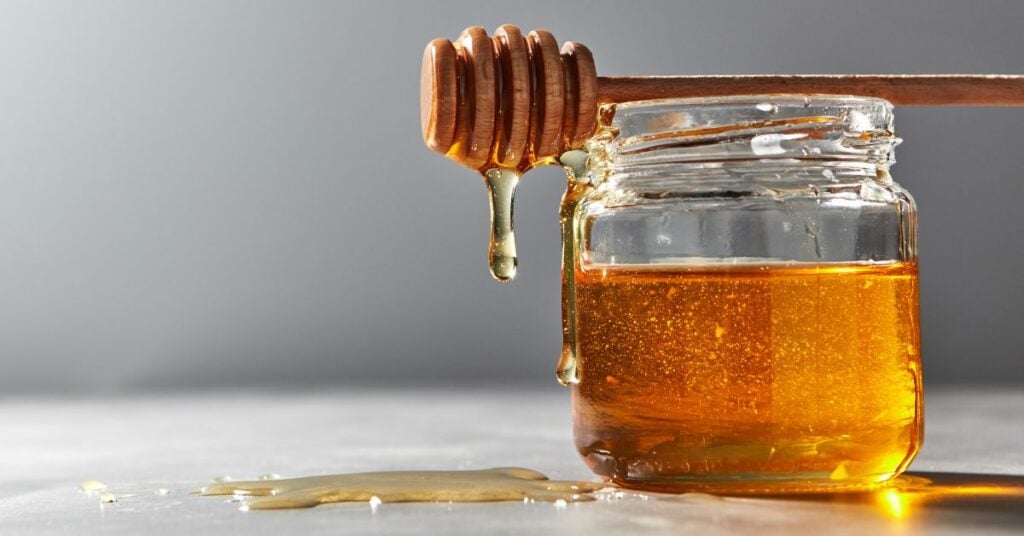
Yes, you can microwave honey to fix crystallization, but use a glass container and short 30-second bursts to prevent nutrient loss or scorching.
Honey lasts forever, but it does not stay liquid forever. You reach for the jar to sweeten your tea or top your toast, only to find a solid, gritty brick inside the bottle. You need that golden liquid back, and you need it fast.
The microwave seems like the quickest fix. While it works, it carries risks that can ruin your expensive jar of raw honey. Heat it too fast, and you destroy the health benefits. Heat it in the wrong container, and you might melt plastic into your food. This guide details the exact steps to liquefy your honey without compromising its flavor or quality.
Can I Microwave Honey Safely?
You can use the microwave, but you must follow strict rules. Speed is the only advantage here. The high heat of a microwave is aggressive. It attacks the sugar crystals instantly but creates “hot spots” where the temperature spikes well above safe levels.
If you use raw honey for its enzymes and antibacterial properties, the microwave is your enemy. Temperatures above 110°F (43°C) begin to neutralize these benefits. A microwave can hit that temperature in seconds. For standard supermarket honey that is already pasteurized, the risk is lower, but you can still burn the sugars, leading to a bitter taste.
Always transfer the honey to a microwave-safe glass or ceramic vessel first. Never zap the plastic squeeze bottle. Most honey comes in PET or HDPE plastic. These plastics can warp or leach chemicals when heated rapidly.
Comparison Of Decrystallization Methods
Before you press start, check how the microwave stacks up against other methods. This data helps you decide if saving five minutes is worth the quality trade-off.
| Method | Time Required | Nutrient Safety |
|---|---|---|
| Microwave (Low Power) | 1–3 Minutes | Low (High risk of overheating) |
| Warm Water Bath | 15–45 Minutes | High (Best for raw honey) |
| Sous Vide | 1–2 Hours | Maximum (Precision control) |
| Warm Sunlight | 4–8 Hours | Moderate (Inconsistent heat) |
| Oven (Lowest Setting) | 20–60 Minutes | Low (Ovens fluctuate heavily) |
| Radiator/Vent | 2–4 Hours | High (Gentle, indirect heat) |
| Dishwasher Cycle | 1–2 Hours | Low (Water infiltrates jar) |
How To Microwave Honey The Right Way
If you choose the microwave, precision prevents waste. Do not walk away from the machine. Follow this process to the letter to save your spread.
1. Remove The Lid And Check The Jar
Take the metal lid off. Metal sparks in the microwave. Check the label on your jar. If it says “Raw” or “Unfiltered,” stop. Consider a water bath instead to preserve the value you paid for. If you proceed, scoop the amount you need into a glass bowl. Heating the whole jar repeatedly degrades the quality over time.
2. Use Medium-Low Power
Never use the default “High” setting. Drop your microwave power to 50% or “Defrost.” This pulses the energy, allowing heat to distribute more evenly through the dense sugars rather than boiling the center.
3. Heat In Short Bursts
Set the timer for 30 seconds. No longer. After the beep, remove the bowl. The jar might feel cool, but the center could be hot.
4. Stir Aggressively
Stirring is the main step. It moves hot liquid from the center to the cooler edges. This friction also helps break apart remaining glucose crystals. If you skip stirring, you will end up with burnt honey in the middle and solid crystals on the sides.
5. Repeat Until Fluid
Continue the 30-second intervals. Stop as soon as the granules disappear. Do not aim for hot honey; you only want liquid honey.
Why Honey Crystallizes In The First Place
You did nothing wrong. Crystallization proves your honey is real. Fake syrup stays liquid because it is highly processed corn syrup. Real honey is a supersaturated solution of sugar (mainly glucose and fructose) and water.
Bees evaporate water from nectar until the sugar concentration is overwhelming. Over time, glucose separates from the water and locks into crystal structures. The ratio determines the speed. Honey varieties with higher glucose, like Clover or Alfalfa, harden quickly. Varieties with higher fructose, like Tupelo or Acacia, stay liquid for years.
Temperature affects this state. Honey crystallizes fastest between 50°F and 59°F (10°C–15°C). Storing your jar in a cold pantry or the refrigerator accelerates the hardening process.
The Dangers Of Plastic Containers
Most people ask, “can i microwave honey in the plastic bear?” The answer is a hard no. Those cute bears are usually made of PET plastic (Recycling code #1). This plastic is designed for cold or room-temperature storage.
The boiling point of honey is much higher than water. Water boils at 212°F, but sugary syrups can soar past 250°F quickly. This heat melts the plastic bear instantly. You end up with a warped, leaking mess and potential chemical migration into your food. Always transfer the solid block to a microwave-safe glass dish before heating.
Raw Honey Vs. Pasteurized Honey
Your heating method depends on what you bought. Pasteurized honey (the clear fluid in standard bears) has already been heated to high temperatures to kill yeast and delay crystallization. It has no live enzymes left to kill. You can microwave this type with fewer worries about nutrition.
Raw honey is different. It contains pollen, propolis, and invertase (an enzyme bees add). According to research from Penn State Extension, heating honey too aggressively changes its chemical composition and raises HMF levels. HMF (Hydroxymethylfurfural) is an indicator of heat damage. Once you spike the heat in a microwave, raw honey becomes just expensive sugar syrup.
Alternatives That Protect Quality
If you have time, skip the microwave. The warm water bath method protects the flavor profile and nutritional content.
The Warm Water Bath Method
Place your glass jar in a bowl of warm water. The water should reach halfway up the jar. Do not use boiling water; simply hot tap water is enough. Let it sit. The gentle heat transfers through the glass, melting the crystals slowly. Stir every few minutes. This takes longer but guarantees your honey stays raw.
The Seed Method
If you only have a few crystals, you can reverse the process by adding liquid honey to the hard stuff and stirring vigorously. Sometimes, simple friction and a bit of fresh liquid helps dissolve the bonds without any heat at all.
Cooking With Microwaved Honey
Sometimes you need honey for a marinade or baking recipe. In these cases, the nutrient loss does not matter because you will bake the food anyway. The microwave works well here.
Measure the solid honey into your mixing bowl. Zap it for 15 seconds. It will soften enough to mix with oil, vinegar, or butter. Because the volume is small, watch it closely. Honey expands rapidly when it boils and can overflow the bowl, creating a sticky cleanup job inside your microwave.
Preventing Future Crystallization
You can slow down the hardening process with proper storage. Keep your honey at room temperature, ideally around 70°F to 80°F. Avoid the refrigerator at all costs. Cold temps speed up crystal formation.
Seal the lid tight after every use. Honey is hydroscopic, meaning it absorbs moisture from the air. Excess moisture allows yeast to ferment the honey, which ruins the flavor. Clean the rim of the jar before closing it. Old crystals on the rim can fall back into the liquid and act as “seed crystals,” triggering the whole jar to solidify again faster.
Troubleshooting Texture Issues
Sometimes microwaving leaves you with a weird texture. If you heat it too long, the honey might separate or look layered. Stir it well to re-emulsify the sugars. If you see dark streaks, you scorched it. There is no fix for burnt honey; the bitter taste will overpower any dish you use it in.
If the honey hardens again immediately after cooling, you did not dissolve 100% of the glucose crystals. Even one microscopic crystal left behind acts as a template for the rest to latch onto. You need to heat it until it is perfectly clear.
Temperature Guidelines For Honey
Understanding temperature thresholds helps you manage decrystallization without damage. Keep these numbers in mind when you hover over the “Start” button.
| Condition | Temperature Range | Result |
|---|---|---|
| Hive Temperature | 90°F – 95°F | Natural state; liquid and biologically active. |
| Max Safe Heat | 104°F (40°C) | Upper limit for preserving raw enzymes. |
| Pasteurization | 145°F – 160°F | Yeast killed; crystallization delayed; enzymes destroyed. |
| Caramelization | 320°F + | Sugars break down; color darkens; flavor changes. |
Can You Freeze Honey?
Freezing is the opposite of microwaving, but it is a valid storage tactic. If you buy bulk honey, you can freeze it to stop crystallization completely. At freezing temperatures, the viscosity becomes too high for crystals to form. When you thaw it, do so at room temperature. Do not microwave frozen honey directly, as the thermal shock could crack a glass jar.
Safety Checks For Old Honey
Honey does not spoil, but it can ferment if water gets in. If you find an old jar in the back of the pantry, check the smell. A sour or yeasty smell means it fermented. Discard it. Microwaving will not fix fermentation. If it smells like flowers or sugar, it is safe to eat, no matter how hard it is.
Also, look for mold. Mold is rare but can grow on the surface if you dipped a dirty knife in the jar previously. If you see fuzz, throw it out. Spores can travel deeper than the eye can see.
Using The Oven Instead
If the microwave feels too risky and the water bath is too slow, some people try the oven. This is risky. Most ovens cannot hold a temperature as low as 100°F. The “Warm” setting on many ovens is still 170°F or higher, which cooks the honey. Only use this method if your oven has a “Proofing” or “Dehydrate” setting that goes very low.
Summary Of Best Practices
You started with the question, “can i microwave honey?” The path is clear now. Use a microwave-safe container, low power, and patience. Prioritize glass over plastic. Accept that high heat kills the raw benefits, but saves the sweetness.
For the absolute best results, rely on time rather than intensity. A slow bath in warm water keeps your liquid gold in the exact state the bees intended. Check your pantry temp, keep the lids tight, and enjoy every drop.
