
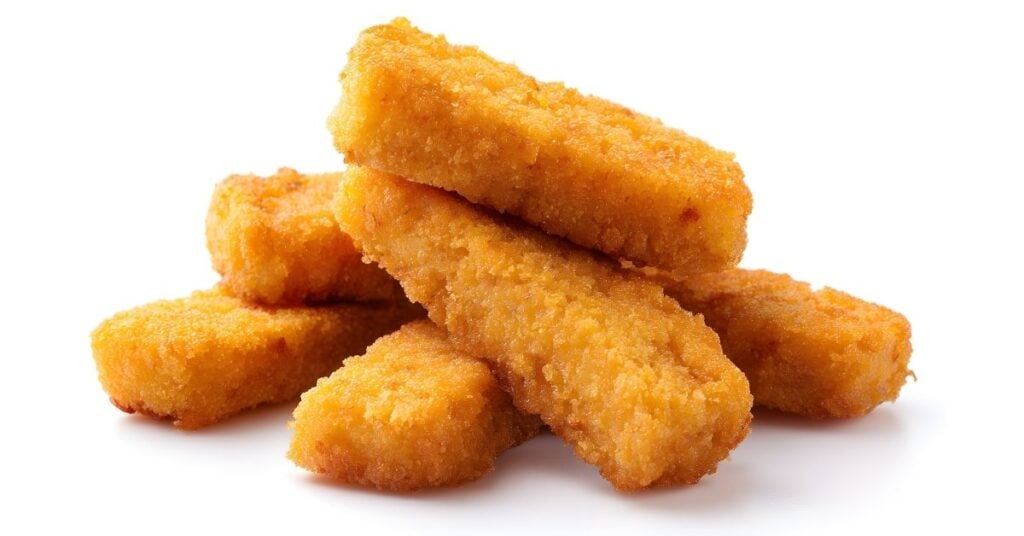
Yes, you can microwave fish sticks, but they will turn out soft and soggy rather than crispy. Using an oven or air fryer yields much better texture.
You have a box of frozen fish sticks and a hunger that cannot wait for the oven to preheat. You need food now. The microwave seems like the fastest path between you and dinner. While the box instructions usually point you toward an oven or skillet, the microwave is technically an option.
However, speed comes with a cost. The result will not match the golden, crunchy exterior depicted on the packaging. Understanding the trade-offs, the safety rules, and the tricks to improve the quality will help you decide if saving fifteen minutes is worth the texture sacrifice.
Can I Microwave Fish Sticks? – Texture Expectations
The short answer is yes, but you must lower your standards for crunch. When you ask, can i microwave fish sticks? you are essentially asking if you can steam breaded fish. Microwaves work by exciting water molecules within the food. This creates heat, but it also creates steam.
In an oven or air fryer, hot dry air surrounds the food. This draws moisture out of the breading, allowing it to crisp up. Inside a microwave, that moisture has nowhere to go but into the breading. The fish inside releases steam as it cooks, and that steam gets trapped by the coating. The result is a hot, cooked fish stick that feels soft and limp.
If you plan to put these inside a sandwich with crunchy lettuce or mash them up for fish tacos, the texture might not matter as much. But if you plan to dip them directly into tartar sauce, the lack of rigidity can be disappointing. The breading may even slide off entirely.
The Science Behind The Sogginess
To understand why this happens, we have to look at how frozen breaded foods function. Manufacturers flash-fry fish sticks before freezing them to set the breading. This means there is already oil in the coating.
When you bake them, the heat re-activates that oil, essentially frying the coating again while the water evaporates. A microwave heats the water molecules first. This rapid internal heating forces water out of the fish muscle fibers faster than it can evaporate from the surface. This creates a “steam bath” effect from the inside out. No amount of time in a standard microwave can replicate the Maillard reaction—the browning process that creates flavor and crunch—because the air inside the appliance stays cool.
Using Paper Towels To Fight Moisture
One method to mitigate the mushiness involves paper towels. Placing the frozen sticks on a microwave-safe plate lined with high-quality paper towels can help. The towels absorb the melting ice crystals and some of the steam that escapes from the bottom of the fish.
Do not cover the fish sticks. Covering them with a lid or plastic wrap will trap 100% of the steam, resulting in a texture similar to a wet sponge. You want as much steam to escape as possible.
Comparison Of Cooking Methods
Before you commit to the microwave, it helps to see exactly what you are gaining in time versus what you are losing in quality. This breakdown highlights why most people prefer waiting for the oven.
| Method | Estimated Time | Texture Quality (1-10) |
|---|---|---|
| Microwave | 2–4 Minutes | 3 (Soft, chewy) |
| Air Fryer | 10–12 Minutes | 10 (Very crispy) |
| Conventional Oven | 18–22 Minutes | 8 (Crispy, dry) |
| Toaster Oven | 15–18 Minutes | 8 (Crispy, convenient) |
| Skillet/Pan Fry | 8–10 Minutes | 9 (Oily, crunchy) |
| Deep Fryer | 4–6 Minutes | 10 (Restaurant style) |
| Microwave + Broil | 6 Minutes | 6 (Decent compromise) |
Can I Microwave Fish Sticks? – Safety Guidelines
Safety is just as important as texture. When considering if can i microwave fish sticks? safely, the answer depends on whether the fish is raw or pre-cooked. Most commercial fish sticks (like Gorton’s or Van de Kamp’s) are fully cooked before freezing. You are technically just reheating them.
However, some brands sell raw breaded fish portions. If the packaging says “Uncooked,” “Raw,” or “Cook Thoroughly,” you must be extremely careful. Microwaves heat unevenly. They create hot spots and cold spots. This creates a risk where one end of the fish stick is boiling hot while the middle remains frozen or undercooked.
Checking Internal Temperature
To ensure safety, especially with raw products, use a digital food thermometer. The Safe Minimum Internal Temperature for fish is 145°F (63°C). Insert the probe into the center of the thickest stick in the batch. If it reads lower than this, continue cooking in 30-second bursts.
Eating undercooked fish carries risks of parasites and bacteria. Because microwaves heat unevenly, letting the food “stand” for one minute after cooking is vital. This standing time allows the heat to distribute more evenly throughout the fish, finishing the cooking process safely.
Step-By-Step Guide To Microwaving Fish Sticks
If you choose the microwave route, following a specific process will give you the best possible outcome. Do not just throw them on a plate and hit “Start.”
1. Prepare The Plate
Use a microwave-safe ceramic or glass plate. Line it with a double layer of paper towels. The paper towels are mandatory if you want to avoid a pool of water forming under the fish.
2. Arrange For Airflow
Place the frozen fish sticks on the paper towels in a single layer. Do not stack them. Leave space between each stick. If they touch, the sides will stay cold and soggy. Arranging them like the spokes of a wheel (pointing outward) often helps them cook more evenly than placing them in a grid.
3. The Flip Technique
Microwave on high power for roughly 1 minute (for 4-6 sticks). Open the door and carefully flip each stick over. This prevents one side from becoming rubbery while the other stays frozen. Cook for another 30 to 60 seconds.
4. The Touch Test
Touch the center of a fish stick lightly. It should be hot to the touch, not just warm. If using a thermometer, check for 145°F. If they are not done, flip them again and nuke for 20 more seconds. Short bursts are better than long blasts to prevent the fish from exploding.
5. The Standing Period
Let them sit on the counter for at least one minute before eating. The internal heat will equalize, and the breading might dry out slightly as the residual steam dissipates. They will never be truly crispy, but this rest period makes them firmer.
Better Alternatives To The Microwave
While the microwave wins on speed, other appliances balance speed and quality far better. If you have access to these tools, they are worth the extra few minutes.
The Air Fryer Advantage
The air fryer is the undisputed champion for frozen breaded foods. It circulates superheated air rapidly around the food. This mimics deep frying without the extra oil. It takes about 8 to 10 minutes at 400°F (200°C).
You do not need to preheat most air fryers. You just toss the sticks in the basket, shake them halfway through, and they come out audibly crunchy. The cleanup is usually just as fast as a microwave plate if you use a liner.
Toaster Ovens
A toaster oven heats up much faster than a full-sized oven. It uses the same dry heat method. If you are only cooking 4 to 6 fish sticks, a toaster oven preheats in two minutes and cooks them in twelve. You get the crunch of the oven without heating up the whole house. Using the wire rack instead of the baking tray allows air to hit the bottom of the fish, ensuring even crisping.
Skillet Pan Frying
If you lack an oven or air fryer, a skillet on the stove is superior to the microwave. Add a small amount of vegetable oil to a non-stick pan over medium heat. Cook the frozen sticks for about 4-5 minutes per side. The direct contact with the hot pan crisps the breading beautifully. You must watch them to prevent burning, but the texture is fantastic.
Nutritional Differences
Does microwaving change the nutritional value? Surprisingly, microwaving is one of the best ways to preserve nutrients in fish because the cooking time is short. Vitamins that degrade with heat (like certain B vitamins) are preserved better in a 2-minute zap than a 20-minute bake.
However, the difference with fish sticks is negligible. The main nutritional concern with fish sticks is typically the sodium and the processed breading, not vitamin loss. Frying them in a skillet adds fat calories. Microwaving adds zero extra fat. If you are strictly counting calories and do not care about texture, microwaving is the leanest method alongside the air fryer.
Why Manufacturers Dislike The Microwave
Read the back of almost any box of fish sticks. You will likely see “Conventional Oven” and “Air Fryer” instructions. You might see a “Microwave” section, but often it is absent or labeled “Not Recommended.”
Brands want you to enjoy their product. They spend millions developing a breading that crunches. When a consumer microwaves the product and eats a soggy, rubbery stick, they often blame the brand rather than the cooking method. This negative brand experience leads manufacturers to hide or remove microwave instructions entirely.
Advanced Troubleshooting: The Crisping Sleeve
If you frequently eat microwave meals, you might have seen “crisping sleeves” or “susceptor” trays (like those found in Hot Pockets boxes). These gray/silver lined cards contain a metallized film that absorbs microwave energy and gets extremely hot, toasting the food touching it.
You can sometimes buy reusable microwave crisping trays or silicone crisping mats. If you must microwave fish sticks, investing in one of these trays makes a massive difference. Preheat the crisping tray in the microwave for a minute, then place the fish sticks on the hot surface. It will sear the bottom slightly, giving a semblance of crunch that a paper towel cannot achieve.
Brand-Specific Microwave Reality
Different brands use different breading formulations. Some use panko (Japanese style breadcrumbs), which tends to hold up slightly better than heavy beer batter in a microwave. Panko has a larger surface area and is airier, so it gets less gummy. Heavy batter turns into a paste.
Below is a look at how different coating types react to microwave cooking.
| Coating Type | Microwave Performance | Soggy Risk Level |
|---|---|---|
| Traditional Breadcrumbs | Poor. Becomes soft and chewy. | High |
| Panko Breading | Fair. Retains slight texture. | Medium |
| Beer Batter | Very Poor. Turning gummy/pasty. | Very High |
| Gluten-Free Coating | Variable. Rice flour can get sticky. | High |
| Whole Wheat Breading | Poor. Dense and tough. | High |
| Tempura | Terrible. Coating slides off. | Extreme |
Reheating Leftover Fish Sticks
Reheating is a different scenario than cooking from frozen. If you have leftover fish sticks that were originally baked or fried, they have already lost a lot of moisture. Microwaving them is safer and easier than cooking them raw, but they will still go soft.
The best way to reheat leftovers in a microwave is the “damp towel” trick reversed. Instead of a wet towel (which adds steam), use a dry paper towel underneath to wick away grease. Heat them on 50% power. High power explodes the remaining moisture, drying out the fish while making the breading tough. Low and slow (for a microwave) works better here.
Check the fish after 45 seconds. Overcooking leftovers results in a rubbery texture that is difficult to chew. Once they are warm, let them stand for a minute.
Creative Ways To Use Microwaved Fish Sticks
Since the texture will be compromised, serve the fish sticks in ways that hide the lack of crunch. Eating them plain is where the flaw is most obvious.
Fish Tacos
Chop the microwaved sticks into bite-sized chunks. Place them inside soft corn tortillas. Top with crunchy cabbage slaw, lime juice, and crema. The fresh crunch of the cabbage completely masks the softness of the breading. This is the best way to save a microwaved batch.
Fish Stick Po-Boys
Place the sticks inside a soft hoagie roll. Add lettuce, tomato, and pickles. The soft bread of the sandwich matches the texture of the fish, making it feel intentional rather than accidental. The pickles provide the necessary snap.
Casseroles
If you are really in a bind, chopped fish sticks can be stirred into macaroni and cheese. The breading mixes with the cheese sauce, acting like a thickener. It is a comfort food staple for many, and the microwave is the perfect tool for this quick meal.
Final Thoughts On The Microwave Method
The microwave is a tool of convenience, not culinary excellence. It gets the job done when you are starving, tired, or lacking a full kitchen setup (like in a dorm room or office breakroom). The fish will be hot, safe to eat (if cooked to temp), and taste like fish.
However, if you have even ten extra minutes, the air fryer or toaster oven provides a vastly superior eating experience. Food is not just about fuel; it is about enjoyment. The crunch of a well-cooked fish stick is its defining feature. Microwaving strips that away.
If you proceed with the microwave, remember the rules: use paper towels, do not cover them, flip halfway, and check the temperature. These small steps prevent a soggy disaster and ensure your quick meal is safe and edible.
