
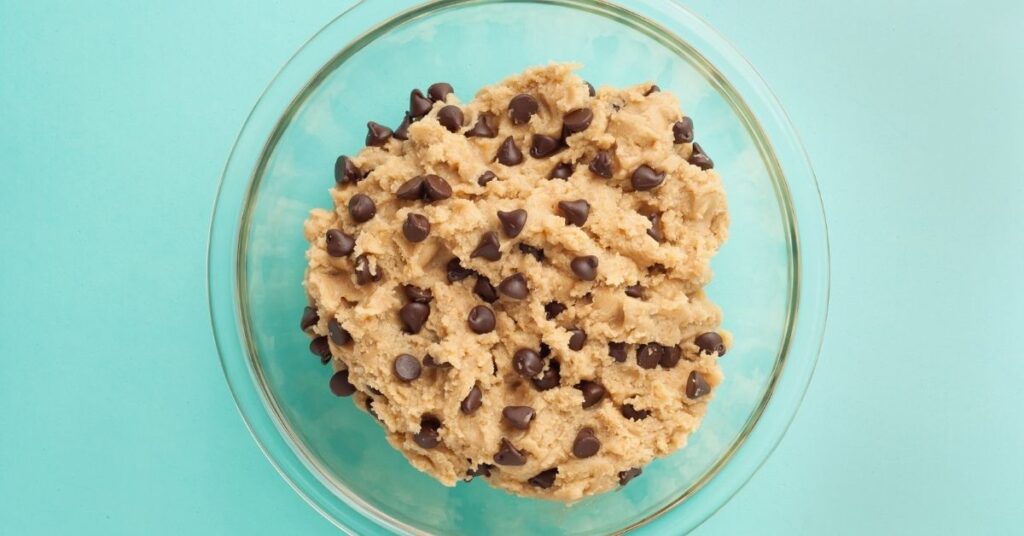
Yes, you can microwave cookie dough, but it often results in a rubbery texture and carries health risks unless you use heat-treated flour and pasteurized eggs.
Most of us have stood in the kitchen late at night, staring at a tube of store-bought dough, wondering if we can skip the oven preheat. You want a warm treat, and you want it now. While the microwave seems like a fast solution, it fundamentally changes how cookies bake.
Microwaves use radiation to excite water molecules, which cooks food from the inside out very quickly. This process differs entirely from the dry, ambient heat of a conventional oven. If you toss a standard dough ball into the microwave, you might end up with a hard, unappetizing puck rather than a soft, gooey cookie. Furthermore, food safety agencies warn against eating or lightly cooking raw dough due to bacteria found in untreated flour and raw eggs.
This guide explains the specific risks, the likely culinary results, and the only safe ways to use your microwave for a quick cookie fix.
Safety First: The Hidden Dangers Of Raw Flour And Eggs
Before discussing texture, we must address health. Many people assume the only risk in raw dough comes from raw eggs, which can carry Salmonella. However, raw flour is arguably a bigger concern in modern food safety.
Flour is a raw agricultural product. This means it hasn’t been treated to kill bacteria like E. coli (Escherichia coli), which can contaminate grain in the field through animal waste. When you ask, “can i microwave cookie dough” for just 30 or 60 seconds, you might not reach the internal temperature required to kill these pathogens. The Centers for Disease Control and Prevention (CDC) warns that cooking flour thoroughly is the only way to ensure it is safe to eat.
Temperature Requirements For Safety
To eliminate Salmonella and E. coli, your cookie must reach an internal temperature of at least 160°F (71°C). Microwaves heat unevenly. One spot of your cookie might be boiling hot, while a pocket of dough just a centimeter away remains lukewarm and raw. This uneven heating makes the microwave an unreliable tool for sanitizing raw ingredients compared to a steady oven.
Comparison Of Cookie Cooking Methods
Understanding how different appliances affect your dough helps manage expectations. This table breaks down why the oven remains the gold standard and where the microwave falls short.
| Method | Mechanism | Resulting Texture |
|---|---|---|
| Conventional Oven | Convection/Ambient Heat | Crispy edges, soft center, caramelized flavor (Maillard reaction). |
| Microwave | Dielectric Heating (Radiation) | Pale, steamed, rubbery, or rock-hard. No browning. |
| Toaster Oven | Radiant Heat (Coils) | Similar to an oven but cooks faster; risk of burning the top. |
| Air Fryer | Rapid Air Technology | Very crispy outside, potentially undercooked inside if not watched. |
| Steaming | Moist Heat | Cake-like, soft, dense, lacks crispness. |
| Skillet/Stovetop | Direct Conduction | Crispy bottom, requires a lid to cook the top/center. |
| Waffle Iron | Direct Contact | Crispy waffle pattern, cooks quickly and evenly. |
| Slow Cooker | Low Indirect Heat | Giant soft cookie bar, takes hours. |
The Science: Why Microwaved Cookies Taste Different
You might notice that microwave cookies look pale. In a standard oven, the Maillard reaction occurs above 300°F (150°C). This chemical reaction between amino acids and reducing sugars gives browned food its distinctive flavor and crust. Because microwaves rely on water molecules boiling at 212°F (100°C), the surface of your cookie rarely gets hot enough to brown or caramelize.
Instead of baking, you are essentially steaming the dough. The butter melts rapidly, often pooling at the bottom before the structure sets. The sugar dissolves but doesn’t caramelize. The result is usually a greasy, pale mass that hardens instantly once it cools down.
How To Microwave Cookie Dough Successfully
If you accept the texture trade-offs and ensure you use safe ingredients (pasteurized eggs and heat-treated flour), you can attempt this method. Speed is the main advantage here.
Step-By-Step For Store-Bought Dough
Store-bought dough (like Pillsbury) is formulated for ovens. If you absolutely must microwave it, follow these steps to minimize disaster:
- Portion Control: Do not microwave the whole log. Cut one small round.
- Use Parchment: Place the dough on a microwave-safe plate lined with parchment paper. This prevents sticking when the sugars melt.
- Lower Power: Set your microwave to 50% power. This slows the cooking process slightly, allowing the heat to distribute more evenly.
- Short Bursts: Cook for 20 seconds. Check the texture. Add 10-second intervals until the dough looks set but not dry.
- Cool Down: Let it sit for two minutes. Microwaved sugar is dangerously hot and needs time to solidify.
Note that many major brands now use heat-treated flour in their raw dough, making it safe to eat raw (“edible cookie dough”). However, once you heat it, the texture issues described above still apply.
Microwaving Cookie Dough – Rules For Success
To get a palatable result, you usually need to modify the recipe rather than just tossing standard dough in the microwave. The best approach is the “Mug Cookie.”
A mug cookie recipe changes the ratios. You typically remove the egg (since one egg is too much for a single cookie) and increase the liquid slightly. This creates a batter that steams well, resulting in a dense, cake-like treat rather than a crispy cookie. This is safer and tastier than trying to force traditional dough to cooperate with microwave radiation.
Common Mistakes When Microwaving Dough
Avoid these specific errors to save your ingredients and your sanity.
Overcooking The Dough
This is the most frequent issue. Microwaves work fast. A difference of 10 seconds can turn a soft treat into a tooth-breaking stone. Because the cookie cooks from the inside, it might look wet on top even when the center is fully done. Always undercook slightly and let carry-over heat finish the job.
Using Metal Or Foil
Never put aluminum foil in the microwave. It causes arcing and can start a fire. Always use glass or ceramic plates labeled microwave-safe.
Ignoring The Steam
Covering your cookie with a paper towel can trap moisture, making the result soggy. Leaving it uncovered lets some moisture escape, which is better for a cookie texture. However, if you cook it too long uncovered, it dries out completely.
Risks Of Specific Dough Types
Not all doughs react the same way. Understanding your specific type of dough helps predict the outcome.
Chocolate Chip: The chips melt faster than the dough cooks. You often end up with scorched chocolate pockets inside undercooked dough.
Oatmeal Raisin: Oats absorb moisture. These tend to dry out faster in the microwave, becoming crumbly.
Sugar Cookies: Without chips or nuts to break up the texture, these often turn into the hardest pucks. They rely heavily on the Maillard reaction for flavor, which the microwave cannot provide.
Peanut Butter: The high fat content in peanut butter attracts microwave energy. These can burn internally very quickly.
Troubleshooting Microwave Cookies
If you have already tried it and things went wrong, this table helps identify what happened and how to fix it next time.
| Problem | Cause | Solution |
|---|---|---|
| Rock Hard Texture | Overcooking or too much sugar. | Reduce time by 15 seconds; eat immediately while warm. |
| Soggy Bottom | Trapped steam/butter. | Use parchment paper; do not cover the dough. |
| Burnt Center | High fat/sugar concentration. | Lower power level to 50%; move dough to edge of turntable. |
| Uneven Cooking | Hot spots in microwave. | Rotate plate halfway through; form dough into a ring shape. |
| Exploding Dough | Too much butter/air. | Flatten the dough ball slightly before cooking. |
| Bland Taste | Lack of browning. | Add a drop of vanilla or molasses; top with sea salt. |
| Rubber Consistency | Gluten over-development. | Do not overmix the dough; use less flour. |
Safe Alternatives To The Microwave
If you want a single cookie without heating the whole house, consider a toaster oven or an air fryer. These appliances use the same dry heat mechanism as a large oven but preheat much faster. An air fryer, for example, can bake a single large cookie in about 5-6 minutes at 350°F. The moving air creates a crispy exterior that a microwave simply cannot replicate.
If you are strictly looking for the speed of a microwave, stick to recipes specifically designed for it. Mug cakes and mug cookies use chemical leavening (baking powder) and liquid ratios tailored for steam cooking.
Making Edible Cookie Dough Safe
If your goal is just to eat the dough warm without baking it into a solid cookie, you must treat the flour first. Spread your flour on a baking sheet and bake it at 350°F for 5 minutes, or microwave the flour alone in a bowl until it reaches 160°F. This kills the potential E. coli. Combine this treated flour with butter, sugar, and milk (skip the eggs completely). You can then microwave this safe mixture for 10-15 seconds just to warm it up without fear of illness.
Final Thoughts On Microwaving Dough
So, according to FDA guidelines, eating raw dough is risky. Microwaving it is a partial solution that solves the temperature issue if done long enough, but it ruins the culinary experience. The convenience of a 60-second cook time rarely outweighs the loss of quality. If you have the patience, the toaster oven is a far superior choice for small-batch baking.
However, if you are in a dorm room or a kitchen with limited appliances, and you ask yourself “can i microwave cookie dough” again, you now know the rules. Use lower power, watch it like a hawk, and let it cool before taking a bite. The result won’t be a bakery-style masterpiece, but it will be warm, sweet, and safe enough to satisfy a craving.
