
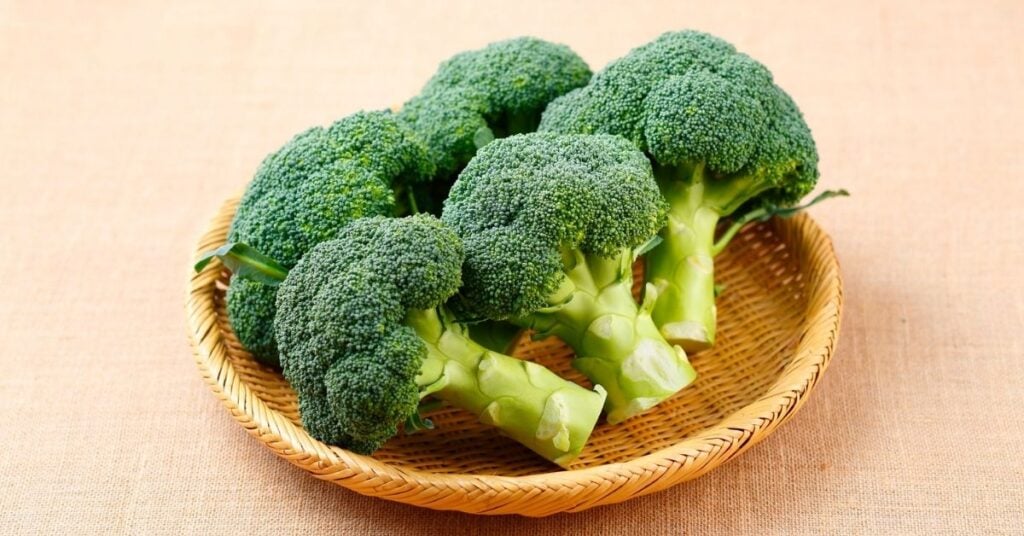
Yes, you can microwave broccoli to steam it quickly while preserving nutrients, provided you use minimal water and a covered dish.
Cooking vegetables often feels like a chore when you need a side dish fast. You might stare at that head of fresh broccoli and wonder if dragging out the steamer basket is worth the effort. The microwave offers a faster route, but it comes with a reputation for creating rubbery stalks or mushy florets. The good news is that microwaves are actually one of the best tools for this specific vegetable.
This method works because microwaves heat water molecules efficiently. When you trap that heat, you create a powerful steam environment in seconds. This approach keeps the bright green color intact and retains vitamins that usually leach out into boiling water. You just need to follow the right steps to avoid the dreaded “sulfur smell” or uneven texture.
Can I Microwave Broccoli For Better Nutrition?
Many home cooks worry that microwaves zap the health benefits out of fresh produce. The opposite is true for broccoli. Because microwaves cook food quickly and require very little liquid, they preserve water-soluble vitamins better than stovetop boiling. Vitamin C and glucosinolates (compounds linked to cancer prevention) are heat-sensitive and water-sensitive.
When you boil broccoli in a large pot of water, those nutrients seep out into the liquid, which you then pour down the sink. Microwaving effectively steams the vegetable from the inside out using its own moisture plus a splash of added water. A study cited by Harvard Health regarding cooking vegetables confirms that the cooking method that best retains nutrients is one that cooks quickly, heats food for the shortest amount of time, and uses as little liquid as possible. The microwave checks all three boxes.
Preparation Steps Before You Cook
Great results start on the cutting board. You cannot simply throw a whole head of broccoli into the microwave and expect it to cook evenly. The thick stalk requires more energy to soften than the delicate florets. If you leave it whole, the tops will disintegrate before the center is tender.
Wash And Dry
Rinse the broccoli under cool running water. Shake off the excess, but do not worry about drying it completely. The water clinging to the florets helps generate steam. If the broccoli is too dry, it might scorch or shrivel during the cooking process.
Cut For Uniformity
Slice the florets into even pieces, roughly 1 to 1.5 inches in size. If you want to eat the stalk, peel the fibrous outer layer with a vegetable peeler and slice the inner core into thin coins. These coins cook at roughly the same rate as the florets.
The Right Container Matters
You need a microwave-safe dish with a lid. A glass Pyrex bowl or a ceramic casserole dish works best. Avoid metal bowls or plastic containers that are not explicitly labeled microwave-safe, as high heat can cause warping or chemical leaching.
If your bowl does not have a lid, use a microwave-safe plate to cover it. You can also use plastic wrap, but ensure you poke a few holes in it to let excess pressure escape. Trapping 100% of the steam can make the cover explode off the bowl or burn your hands when you remove it.
Detailed Cooking Times And Ratios
Guessing the time often leads to disaster. The density of broccoli changes how it absorbs energy. A small handful cooks in moments, while a family-sized portion needs a few minutes. The following table breaks down the timing based on standard microwave wattages.
Note: Times assume you are using 1 tablespoon of water per cup of broccoli.
| Broccoli Amount | Water Needed | 1000 Watt Time | 700 Watt Time | Texture Outcome | Steam Standing Time | Best For |
|---|---|---|---|---|---|---|
| 1 Cup (Florets) | 1 Tbsp | 1.5 – 2 Mins | 2.5 – 3 Mins | Crisp-Tender | 30 Seconds | Salads, Sides |
| 2 Cups (Florets) | 2 Tbsp | 2.5 – 3 Mins | 3.5 – 4 Mins | Tender | 1 Minute | Stir-frys |
| 3 Cups (Florets) | 3 Tbsp | 3.5 – 4 Mins | 5 – 6 Mins | Soft | 1 Minute | Soup, Mash |
| Whole Head (Chopped) | ¼ Cup | 4 – 5 Mins | 6 – 7 Mins | Variable | 2 Minutes | Family Dinner |
| Stalk Coins Only | 1 Tbsp | 2 – 3 Mins | 3 – 4 Mins | Firm | 1 Minute | Snacking |
| Broccoli Rabe (1 Bunch) | 2 Tbsp | 3 Mins | 4.5 Mins | Wilted | 1 Minute | Pasta Dishes |
| Frozen Florets (1 Bag) | None | 5 – 6 Mins | 7 – 8 Mins | Softer | 2 Minutes | Casseroles |
How To Microwave Broccoli For Perfect Crunch
Achieving that bright green, “al dente” bite requires precision. You want to stop the cooking process before the cell walls collapse completely. Follow this workflow for the best texture.
Add Water Sparingly
Place your cut broccoli in the bowl. Add water according to the table above. Do not submerge the vegetable. You only need enough liquid to create steam. If you add too much water, you are essentially boiling it, which leads to mushiness.
Cover And Vent
Place the lid or plate over the bowl. Leave a tiny gap or vent. If you seal it perfectly tight, the steam builds up too much pressure. A small vent allows a controlled steam bath that cooks the broccoli gently.
The Shake Test
Halfway through the cooking time, pause the microwave. Carefully remove the bowl (it will be hot) and give it a shake. This redistributes the florets so the pieces in the center move to the outside. Microwaves heat unevenly, so this step ensures no single piece remains raw while another turns to paste.
Check Doneness Early
Microwaves vary in power. Check your broccoli 30 seconds before the timer ends. Pierce a stalk with a fork. It should slide in with a little resistance. If it is still hard, continue in 30-second bursts. Remember that the broccoli continues to cook for a minute after you take it out due to residual steam.
Dealing With Frozen Broccoli
Frozen vegetables are processed at their peak ripeness and blanched before freezing. This means they are partially cooked already. The rules for fresh broccoli do not apply here.
Do not add water to frozen broccoli. The ice glaze surrounding the frozen florets provides plenty of moisture as it melts. Place the frozen pieces in your bowl and cover. Microwave for 3 to 5 minutes depending on the package size. Drain any excess liquid immediately after cooking to prevent the vegetable from sitting in hot water and becoming soggy.
Common Mistakes To Avoid
Even with a simple appliance, things can go wrong. If you have ever asked can i microwave broccoli and ended up with a gray, smelly mess, you likely fell into one of these traps.
Overcooking
Broccoli goes from perfect to pulverized in about 60 seconds. The sulfur compounds in cruciferous vegetables release a strong, unpleasant odor when overcooked. If your kitchen smells like rotten eggs, you cooked it too long. Reduce the time by a minute in the next batch.
Using Metal Or Foil
Never cover your bowl with aluminum foil. Metal reflects microwaves, which prevents cooking and can cause arcing (sparks) that damage your appliance. Stick to glass lids, microwave-safe plastic covers, or a simple paper towel for a lighter steam.
Seasoning Too Early
Salt draws moisture out of vegetables. If you salt the broccoli before microwaving, it can dehydrate the florets and result in a tough, rubbery texture. Add salt, pepper, butter, or oil only after the broccoli comes out of the microwave and is drained.
Troubleshooting Texture Issues
Sometimes the result is not what you expected. Here is how to fix it or prevent it next time.
Problem: Rubbery Stalks. This usually means the broccoli dried out. Ensure you added enough water and that the lid was tight enough to trap steam. Old broccoli that has lost its natural moisture also tends to turn rubbery.
Problem: Uneven Cooking. The pieces were likely different sizes. Cut everything to the same width. Arranging the broccoli in a donut shape (leaving the center of the bowl empty) can also help, as microwaves penetrate from the outside in.
Problem: Soggy Florets. You likely used too much water or let it sit in the hot water after cooking. Drain it instantly. If it is too soft for a side dish, repurpose it into a broccoli soup or mash.
Comparing Cooking Methods
To understand why the microwave is a superior choice for weeknight dinners, look at how it stacks up against other common methods. We look at time, nutrient retention, and texture control.
| Method | Approximate Time | Nutrient Retention | Texture Risk | Cleanup Effort |
|---|---|---|---|---|
| Microwaving | 3 – 5 Minutes | High (Best for Vit C) | Rubbery if dry | Low (1 Bowl) |
| Boiling | 6 – 8 Minutes | Low (Leaches out) | Mushy/Waterlogged | Medium (Pot + Strainer) |
| Roasting | 20 – 25 Minutes | Medium | Burnt/Charred | High (Sheet Pan) |
| Steaming (Stovetop) | 8 – 10 Minutes | High | Consistent | High (Pot + Basket) |
| Sautéing | 10 – 12 Minutes | Medium-High | Oily/Greasy | Medium (Pan) |
| Blanching | 3 – 4 Minutes | Medium | Raw centers | High (Pot + Ice Bath) |
| Air Frying | 8 – 10 Minutes | Medium | Dry/Crispy | Medium (Basket) |
Flavor Ideas And Serving Suggestions
Plain steamed broccoli can be boring. Once you master the microwave technique, you can build flavor profiles quickly. Since the vegetable is hot and porous right after cooking, it absorbs sauces well.
Lemon and Garlic: Whisk fresh lemon juice with a clove of minced garlic and olive oil. Toss the hot broccoli in this dressing immediately. The acid cuts through the earthy taste.
Asian Style: Drizzle sesame oil and soy sauce over the cooked florets. Sprinkle with sesame seeds and red pepper flakes for heat.
Cheesy Broccoli: If you want a cheese sauce, do not microwave the cheese with the broccoli for the full time. It will separate and become oily. Sprinkle shredded cheddar on top during the last 30 seconds of cooking, or stir it in during the resting period.
Safety With Plastics And Microwaves
The safety of microwaving food in plastic containers is a common concern. While many containers are labeled “microwave-safe,” some experts suggest using glass or ceramic whenever possible to avoid any risk of plasticizers migrating into food. The FDA guidance on safe handling emphasizes using containers strictly in accordance with their labeling.
If you must use plastic, ensure it is free of BPA and phthalates. Never use margarine tubs, yogurt containers, or styrofoam takeout boxes. These materials are not designed to withstand heat and can melt or release chemicals into your healthy vegetable dish.
Can I Microwave Broccoli Without Water?
Technically, yes, but the results are rarely good. Without added water, the broccoli relies entirely on its internal moisture to cook. This often leads to a dry, withered texture. The tips of the florets may burn or turn brittle before the stalk is edible. The only exception is freshly washed broccoli that still has plenty of water droplets clinging to it. In that case, the residual water might be enough, but adding a teaspoon of liquid is always a safer bet for texture.
Storing And Reheating Leftovers
Cooked broccoli lasts in the refrigerator for 3 to 4 days. Store it in an airtight container to prevent the sulfur smell from permeating your fridge. When you reheat it, do not blast it for minutes. Leftover broccoli overcooks easily.
Reheat in 30-second intervals at 50% power. This warms it through without making it mushy. You can also eat leftover steamed broccoli cold in salads, which avoids the texture issues of reheating altogether.
Why This Method Wins
Microwaving is not just a shortcut; it is a legitimate cooking technique that honors the vegetable. It preserves the vibrant green color that often turns olive-drab in boiling water. It keeps the texture crisp rather than waterlogged. Most importantly, it keeps the vitamins where they belong—in the food, not the drain.
Next time you find yourself wondering can i microwave broccoli for a quick dinner addition, grab a glass bowl and a splash of water. You will have a nutritious side dish ready before your oven even finishes preheating.
