
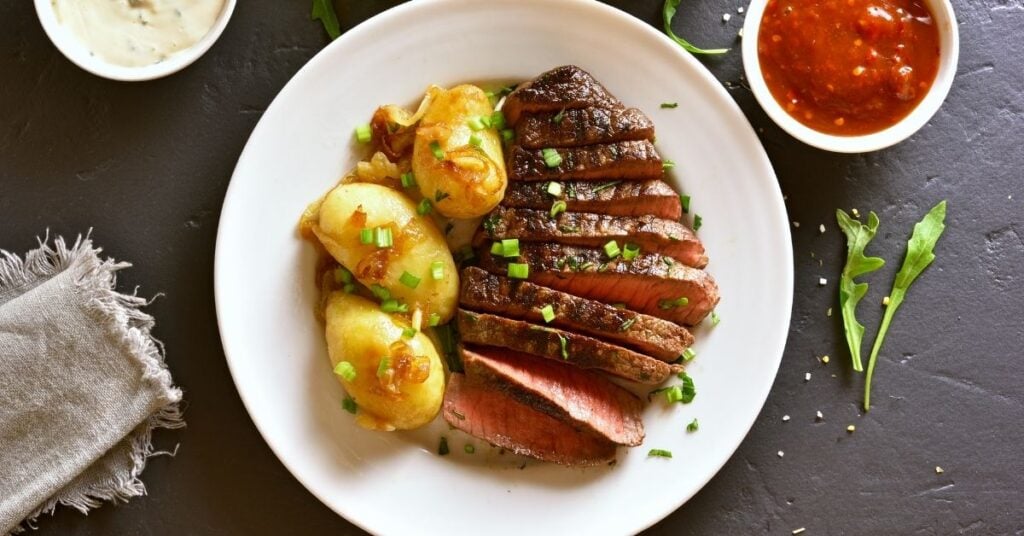
Yes, you can marinate steak overnight, but you must choose the right ingredients and keep the soaking time between 12 to 24 hours for the best results.
Steak dinners often require planning. You buy the meat, prep the kitchen, and mix your flavors. But life gets busy. Sometimes you need to prep food way ahead of time. This leaves many cooks staring at a Ziploc bag in the fridge wondering if they have made a mistake. Leaving meat in a liquid mixture for too long can have consequences.
The line between a tender, flavorful steak and a piece of mushy beef is thin. The ingredients in your bag determine how long the meat can last. High acid mixtures work differently than oil-based ones. We will break down exactly how to time this process so your steak tastes better, not worse.
The Science Behind Steak Marination
Marinating involves more than just coating meat in sauce. It is a chemical reaction. Salt draws out moisture and then pulls seasoned liquid back in. This process takes time. If you pull the meat too early, the flavor stays on the surface. If you wait too long, the proteins break down too much.
Acid plays a major role here. Vinegar, lemon juice, and wine denature proteins. This means they unwind the tight protein strands in the beef. At first, this tenderizes the meat. Eventually, though, the proteins tighten up again and squeeze out moisture, or they turn into a soft paste. Knowing your cut of beef helps you decide the timeline.
Tougher cuts with loose muscle fibers absorb liquid faster. Dense cuts like tenderloin resist absorption. You need to match the cut to the clock.
Beef Cuts And Ideal Marination Times
Different steaks handle long soaks differently. A skirt steak is thin and porous. A ribeye is thick and fatty. Here is a breakdown of common cuts and their limits.
| Steak Cut Type | Ideal Marinade Time | Maximum Safe Limit |
|---|---|---|
| Flank Steak | 6–12 Hours | 24 Hours |
| Skirt Steak | 4–10 Hours | 12 Hours |
| Ribeye | 6–8 Hours | 12 Hours |
| New York Strip | 6–8 Hours | 12 Hours |
| Sirloin Tip | 12–24 Hours | 24 Hours |
| Filet Mignon | 2–4 Hours | 6 Hours |
| Hanger Steak | 12–24 Hours | 24 Hours |
| Chuck Steak | 12–24 Hours | 48 Hours |
| T-Bone / Porterhouse | 4–6 Hours | 8 Hours |
Can I Marinate Steak Overnight?
You definitely can. In fact, for many cuts, an overnight soak is the sweet spot. The typical overnight window is about 8 to 12 hours. This duration allows salt to penetrate deep into the muscle fibers. The seasoning gets past the surface level. When you slice into the cooked meat, the flavor is consistent throughout.
The success of this method depends on the strength of your marinade. If you use a mixture that is 50% vinegar, 12 hours will ruin the meat. The surface will turn gray and mushy. If you use a marinade based mostly on oil, herbs, and mild soy sauce, the meat will be perfectly fine. You must balance the aggressive ingredients with neutral ones.
Asking yourself “can i marinate steak overnight” requires checking your recipe first. If the recipe calls for papaya, kiwi, or pineapple, the answer is no. These fruits contain enzymes that digest meat. They work fast. An overnight soak with these ingredients will result in a sandy, unpleasant texture.
Ingredients That Determine Timing
Your marinade components dictate the clock. Some ingredients are gentle, while others act fast. You can adjust your recipe to fit your schedule.
The Role Of Salt
Salt is the only ingredient that fully penetrates the meat. It works through osmosis. At first, it draws liquid out. This might look alarming as water pools in the bag. Give it time. The brine that forms will eventually re-absorb into the steak. This process usually takes at least 40 minutes, but 12 hours allows for maximum distribution.
Acids Versus Fats
Acids cut through fat and flavor the meat. Common acids include citrus juice, vinegar, wine, and yogurt. Dairy is unique because the lactic acid is milder than the acetic acid in vinegar. You can leave steak in yogurt or buttermilk longer than you can in straight lemon juice.
Fats like olive oil, sesame oil, or vegetable oil protect the meat. They carry fat-soluble flavors like garlic and herbs. A marinade high in oil is safer for long soaks. It creates a barrier and keeps the meat moist.
Enzymatic Tenderizers
Fresh ginger, papaya, pineapple, and kiwi contain active enzymes. These are powerful. They break down connective tissue rapidly. If you plan to sleep while your meat marinates, avoid using large amounts of these fresh fruits. Cook or can the fruit first to deactivate the enzymes if you need that flavor profile for a long soak.
Risks Of Over Marinating Steak Overnight
Going beyond the recommended time limit causes issues. You might think “more time equals more flavor,” but that logic fails with meat chemistry. There are two main ways a steak goes bad in the fridge: texture failure and food safety.
Texture Changes
The most common complaint is “mushy” meat. This happens when acid dissolves the protein bonds on the surface of the steak. When you cook it, the exterior does not sear properly. It stays soft and mealy. On the flip side, some marinades tighten the proteins so much that the meat becomes tough and dry. It squeezes out its own juices as it cooks.
Chemical Cooking
Highly acidic environments essentially “cook” the meat without heat. This is how ceviche works. For a steak you plan to grill, this is bad news. The meat turns gray in the bag. It loses its raw, red color. Once this happens, you cannot reverse it. The steak will taste dry no matter how perfectly you cook it.
Food Safety And Storage Rules
Temperature control is non-negotiable. You must marinate beef in the refrigerator, never on the counter. Bacteria multiply rapidly between 40°F and 140°F. An overnight soak at room temperature is dangerous. Even in the fridge, placement matters.
According to the USDA Food Safety and Inspection Service, you can keep beef in the refrigerator for 3 to 5 days. However, once you add a marinade, you should use it sooner. The liquid can encourage bacterial growth if contamination was present on the mixing spoon or bag. Keep your marinating container on the bottom shelf. This prevents raw juices from dripping onto fresh produce or cooked items below.
Always use a glass, food-grade plastic, or stainless steel container. Avoid aluminum vessels. Acid reacts with aluminum. This reaction can give your steak a metallic taste and discolor the metal bowl.
How To Build An Overnight Safe Marinade
You want a recipe that adds flavor without destroying the beef. We need a balanced ratio. This formula works well for an 8 to 12-hour rest.
The Three-Part Ratio
Follow a 3:1:1 ratio. Use three parts oil, one part acid, and one part aromatic/seasoning. This keeps the acid low enough to be safe for overnight use.
- Oil (The Base): Olive oil, avocado oil, or grapeseed oil.
- Acid (The Tenderizer): Soy sauce, Worcestershire sauce, balsamic vinegar, or lemon juice.
- Aromatics (The Flavor): Garlic, rosemary, thyme, onion powder, black pepper, brown sugar.
Mix these thoroughly before adding the meat. Ensure the steak is fully submerged or coated. If using a zip-top bag, squeeze out as much air as possible. This ensures the liquid touches every inch of the surface.
Can You Freeze Marinated Steak?
Yes, you can freeze steak in its marinade. This is a great meal-prep hack. The freezing process stops the marinating action. The liquid will not tenderize the meat while it is frozen solid.
However, the marinating process restarts the moment the meat begins to thaw. If you freeze a steak in a strong marinade, you must count the thawing time as marinating time. It takes about 24 hours to thaw a thick steak in the fridge. That means the meat sits in the liquid for a full day. For this method, use a weaker marinade with less acid.
Troubleshooting Common Mistakes
Even with good intentions, things go wrong. Maybe you oversalted, or the meat smells like pure vinegar. Here is how to handle common issues.
| Problem | Why It Happened | How To Fix It |
|---|---|---|
| Meat is too salty | Soaked too long or too much soy/salt. | Rinse thoroughly with cold water; pat dry. |
| Texture is mushy | Too much enzyme fruit or acid. | Cook immediately on high heat; use for tacos/stew. |
| Surface is gray | Acid “cooked” the exterior. | Pat dry heavily; sear hard to build crust. |
| Flavor is weak | Bag had too much air or oil. | Add salt and fresh herbs after cooking. |
| Meat burned on grill | Sugar in marinade caramelized too fast. | Wipe off excess marinade before cooking. |
| Metallic taste | Used aluminum bowl or foil. | Discard meat (safety/flavor cannot be fixed). |
Preparing To Cook After Overnight Marinating
The steps you take right before cooking are just as important as the soak. Do not take the steak straight from the bag to the pan. This is a common error that ruins the sear.
Remove And Pat Dry
Take the steak out of the liquid. Discard the used marinade immediately. Never reuse it as a sauce unless you boil it vigorously for several minutes to kill bacteria. Place the steak on paper towels. Pat it completely dry.
Wet meat does not brown. It steams. If you throw a wet, marinated steak onto a hot grill, it will turn gray and chewy. You want the surface dry so the Maillard reaction can happen. This reaction creates that brown, delicious crust.
Let It Come To Temperature
Let the steak sit on the counter for about 30 to 45 minutes. This takes the chill off. A steak that is closer to room temperature cooks more evenly. If the center is ice cold, the outside will burn before the inside is done.
Alternatives To Liquid Marinades
If you lack time or worry about mushy texture, try a dry brine. A dry brine consists mainly of salt and dry spices. You rub it on the steak and leave it uncovered in the fridge overnight.
Dry brining provides excellent results. It dries out the surface (great for searing) while pulling seasoning deep into the meat. It poses zero risk of making the meat mushy. You can dry brine a steak for up to 48 hours safely. It creates an intense, beefy flavor that liquid marinades sometimes mask.
Frequently Made Mistakes With Equipment
Tools matter. Using a fork to pierce the meat before marinating is a technique some people swear by. They believe it helps the liquid penetrate. While true, it also pushes surface bacteria deep into the center of the steak. If you like your steak rare or medium-rare, this adds a safety risk. It also lets juices escape during cooking. Avoid piercing the meat.
Another issue is the vacuum sealer. Vacuum sealing opens the meat’s pores and forces liquid in faster. If you vacuum seal a steak with marinade, you do not need to wait overnight. 30 to 60 minutes is usually enough. Leaving a vacuum-sealed marinated steak overnight often results in over-marinated, mushy textures because the process is accelerated.
Choosing The Right Method For You
Deciding “can i marinate steak overnight” comes down to your schedule and your taste preference. If you love the tang of a balsamic glaze or the savory depth of soy sauce, the wet marinade is perfect. Just watch the clock. Set a reminder on your phone if you have to.
If you prefer a pure beef taste with a crispy crust, the dry brine might be superior. It is less messy and more forgiving with timing. Both methods benefit from an overnight rest, provided you follow the rules regarding acid and salt content.
Safe Handling Summary
Keep your workspace clean. Wash your hands after handling raw meat or the marinade container. Cross-contamination is a major cause of foodborne illness. If marinade spills on the fridge shelf, wipe it up with hot, soapy water immediately.
Remember that the quality of the beef matters too. A high-quality ribeye needs very little help. A cheaper flank steak benefits greatly from the tenderizing effects of a long soak. Adjust your strategy based on what you bought from the butcher.
Cooking is about experimentation, but guidelines keep you safe. Stick to the 12 to 24-hour window for most cuts. Use glass containers. Balance your acids with oil. If you do this, your overnight steak will be the highlight of the week.
