
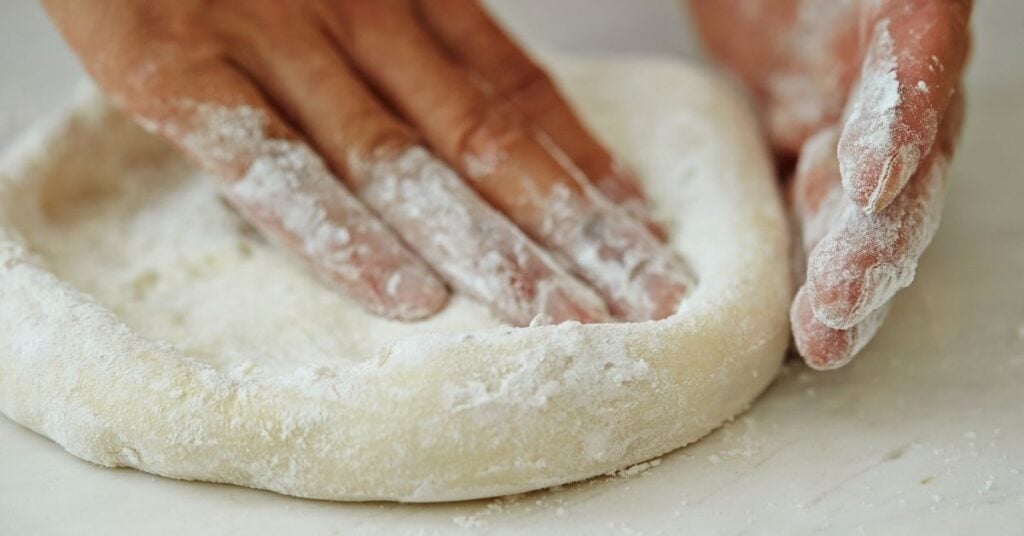
Yes, you can make pizza dough without yeast by using baking powder, baking soda, or flatbread-style dough, though the crust texture will change.
Running out of yeast right when a pizza craving hits feels rough, but the good news is that you don’t have to abandon the plan. You can make pizza dough without yeast and still get a base that carries sauce, cheese, and toppings with plenty of flavor. The crust will behave differently from a slow-fermented, yeasted dough, yet with the right method you still get a tasty, weeknight-friendly pizza.
This guide looks at what actually happens when you skip yeast, which no-yeast dough styles work best, and how to fix common problems such as dense crusts or bland flavor. By the end, you’ll know exactly when a quick no-yeast pizza makes sense and when it’s worth waiting for yeast-based dough instead.
Can I Make Pizza Dough Without Yeast? What Actually Changes
When you ask, “can i make pizza dough without yeast?”, you’re really asking whether another leavener or method can replace what yeast does. Yeast brings two main things to pizza: gas for rise and flavor from fermentation. No-yeast doughs can handle the rise with chemical leaveners or steam, but they can’t copy the same depth of flavor in a short time.
Chemical leaveners such as baking powder, or baking soda plus an acid, release gas when they meet moisture and heat. That gas lifts the dough in the oven, so you still get some puff. Many food writers and bakers point out that this gives quicker results but a tighter, less chewy crumb than a yeasted crust. A no-yeast recipe often uses baking powder or a mix of baking soda and an acid like yogurt or lemon juice to bring that lift.
Texture is the other big shift. Yeast doughs sit for hours, giving gluten time to relax and develop. That’s why a classic pizza base stretches easily and bakes up light and chewy. No-yeast dough is usually mixed, rested briefly, then rolled or pressed, which leads to a crust that leans toward biscuit, flatbread, or cracker territory. That can still taste great, especially for thick, saucy pan pizzas or quick skillet pies.
| No-Yeast Method | Leavener Or Structure | Texture And Best Use |
|---|---|---|
| Baking Powder Dough | Baking powder mixed into flour | Softer, biscuit-like crust; good for thicker pan pizzas |
| Baking Soda + Acid Dough | Baking soda with yogurt, buttermilk, or lemon juice | Light, slightly tangy crust; nice with veggie toppings |
| Self-Rising Flour Shortcut | Flour pre-mixed with salt and baking powder | Very fast dough; good for weeknight sheet pan pizza |
| Yogurt Flatbread Base | Greek yogurt and flour | Chewy flatbread; works well cooked in a hot skillet |
| Unleavened Olive-Oil Dough | No added leavener | Thin, crisp crust; close to a cracker-style pizza |
| Sourdough Starter (No Packet Yeast) | Wild yeast from active or discard starter | Chewy crust with more flavor; slower than other options |
| Store-Bought Flatbread Or Tortillas | Ready-made bread | Ultra-fast “cheater” pizza; best with light toppings |
Each of these answers the question “Can I Make Pizza Dough Without Yeast?” in a slightly different way. Some lean on speed, some on flavor, and some on convenience. The right pick depends on how much time you have, how thick you like your crust, and how many ingredients you want to pull out.
Making Pizza Dough Without Yeast: Quick Methods That Work
When yeast is out of reach, a few simple pantry tricks save pizza night. Here’s how to put the most reliable no-yeast dough methods to work in your kitchen, without special equipment or long rest times.
Baking Powder Pizza Dough
Baking powder dough might be the closest thing to classic pizza when you have no yeast on hand. Baking powder releases gas as soon as it touches water and again in the heat of the oven, so the dough puffs without waiting for a long rise.
A basic approach looks like this:
- Stir together flour, baking powder, salt, and a pinch of sugar.
- Add warm water and olive oil, then mix until a rough dough forms.
- Knead just until smooth, five minutes or less.
- Rest the dough for 10–15 minutes so the gluten relaxes.
- Roll or press it into an oiled pan, add toppings, and bake in a very hot oven.
The result is a soft, slightly bready base that pairs well with plenty of sauce and cheese. Many no-yeast recipes use this formula, with adjustments to liquid and oil depending on how thick you want the crust.
Baking Soda And Yogurt Dough
If you have plain yogurt in the fridge, baking soda dough gives you a quick pizza with a gentle tang. Baking soda needs an acid to react, and yogurt fills that role while adding moisture and richness. Some recipes use buttermilk or a splash of lemon juice instead, but thick yogurt keeps the dough easy to shape.
At a high level, you stir flour, salt, and baking soda, then fold in yogurt until a soft dough comes together. Once it rests for a few minutes, you can pat it into a skillet or sheet pan and bake. The oven heat activates the baking soda-yogurt reaction, so the crust inflates slightly and bakes up tender rather than dense.
Self-Rising Flour Shortcut
Self-rising flour bundles flour, salt, and baking powder in one bag. That makes it handy on days when you want fewer steps. A no-yeast pizza dough with self-rising flour usually needs only oil and water added to the bowl.
Because the leavening is already measured into the flour, you don’t have to worry about balancing baking powder and salt. Mix, rest briefly, shape, and bake. This type of dough suits thicker, pan-style pies where you don’t mind a more bread-like texture and less chew.
Flatbread-Style Skillet Pizza
For an even faster option, flatbread-style dough uses only flour, water, salt, and oil, with no leavener at all. The steam from water in the dough gives a little lift in a hot pan, while the oil adds flavor and crisp edges.
You can:
- Mix a simple dough, rest it for 20–30 minutes, then divide into balls.
- Roll each ball thin and cook it in a dry or lightly oiled skillet until both sides are spotted brown.
- Add sauce and toppings, then slide the flatbread under a broiler to melt the cheese.
This style won’t give big puffy crust bubbles, yet it works well when you want a thinner base that still feels homemade. The dough also doubles as a base for wraps or simple flatbread dinners when pizza isn’t on the menu.
Sourdough Starter As A No Packet Yeast Option
Some home bakers keep sourdough starter on the counter or in the fridge. Using that starter in pizza dough lets you skip store-bought yeast, though it still relies on natural yeast from the starter itself. Many baking resources share sourdough discard pizza recipes that use unfed starter to add flavor and structure to the dough while keeping steps simple.
A sourdough pizza dough takes longer than baking powder dough because the wild yeast needs time to ferment. The payoff is a more complex crust that sits somewhere between classic pizza and rustic flatbread. This route suits nights when you have a few hours to let dough sit but lack packet yeast in the pantry.
Can I Make Pizza Dough Without Yeast? Common Flavor And Texture Problems
Once you start testing no-yeast doughs, another form of “can i make pizza dough without yeast?” pops up: can the crust taste and feel good enough to keep making it? The short answer is yes, as long as you tweak seasoning, handling, and baking temperature.
Boosting Flavor In No-Yeast Crusts
Yeast dough develops flavor over time, so a speedy recipe needs a few tricks to keep things interesting. Helpful additions include:
- Extra salt in the dough compared with a yeasted crust.
- A spoonful of olive oil for richness and a softer crumb.
- Garlic powder, dried herbs, or grated hard cheese mixed into the flour.
- A short rest after mixing so the flour hydrates fully.
A brief rest might not sound like much, yet it lets starches absorb water and brings the dough together. That improves both flavor and texture once the crust hits the oven.
Getting The Texture Right
Texture problems with no-yeast pizza usually fall into three camps: dense, tough, or pale. Each has a different fix.
- Dense crust: Too little leavener, old baking powder, or heavy toppings can weigh dough down. Check that your baking powder or baking soda is fresh, and measure it with care.
- Tough crust: Overmixed dough or too much flour often leads to chew that feels stiff instead of pleasant. Mix only until the dough comes together and add flour gradually while kneading.
- Pale crust: Oven heat might be too low, or the pan might not be preheated. No-yeast dough benefits from a hot stone, steel, or preheated sheet pan.
When you use raw flour, even in a quick crust, follow safe handling advice to reduce the risk of illness from bacteria that can live in uncooked flour. Food safety agencies stress that flour is a raw ingredient and that both dough and crust need baking before you snack on them.
| Problem | Likely Cause | Practical Fix |
|---|---|---|
| Dough Feels Sticky And Hard To Shape | Too much water or very humid kitchen | Dust the counter with flour and knead in small amounts until dough just stops sticking |
| Crust Bakes Up Dry | Too much flour, very long bake, or low fat | Add a little more oil next time and watch the oven during the last minutes |
| No Browning On The Bottom | Cool pan or low oven temperature | Preheat a stone or heavy sheet and slide the dough on top |
| Corners Burn Before Center Is Done | Oven rack too low or toppings piled in the middle | Move the rack up one level and spread toppings more evenly |
| Flat, Biscuit-Like Crust | No gluten development or weak flour | Knead a little longer next time and use bread or strong all-purpose flour |
| Strong Baking Powder Or Soda Taste | Too much leavener or uneven mixing | Stick to measured amounts and sift dry ingredients together first |
| Soggy Center | Too much sauce or low oven heat | Use less sauce, pre-bake the base for a few minutes, then add toppings |
Food Safety And Ingredient Handling For No-Yeast Dough
No-yeast pizza still uses raw flour, water, and often dairy, so normal kitchen safety habits still apply. Wash hands before and after handling dough, keep raw dough away from ready-to-eat foods, and bake crusts until the edges and bottom are fully cooked. If you use yogurt or milk in the dough, keep those ingredients chilled until you’re ready to mix.
Leftover dough can usually rest in the fridge for a day in a sealed container. Cold rest helps hydrate the flour and can even help the flavor. Once baked, leftover slices should cool briefly, then head into the fridge within a couple of hours and be reheated until hot before eating.
When Yeast Is Still Worth The Effort
No-yeast methods answer “Can I Make Pizza Dough Without Yeast?” with a clear yes, yet yeast dough still has a place in your kitchen. Packet yeast or a mature sourdough starter gives more lift, stronger chew, and that classic pizzeria aroma that’s hard to beat.
On nights when you can plan ahead, mixing a yeasted dough in the morning and letting it rest in the fridge until dinner delivers a crust that stretches easily and bakes with deep color. You can keep both options in your playbook: quick, no-yeast dough for spontaneous pizza cravings and slower, yeast-based dough when you want that extra chew and flavor.
Planning Your Next Homemade Pizza Night
So, can i make pizza dough without yeast? Yes, and you now have several ways to do it. Baking powder dough works nicely for tall, soft pan pies, yogurt and baking soda dough brings gentle tang, flatbread-style bases keep things crisp and light, and sourdough starter covers the “no packet yeast” camp with more flavor.
The next time yeast is missing from your pantry, pick the method that fits your schedule and the crust style you like best. Keep an eye on oven heat, season the dough well, and give it a short rest before shaping. With those habits in place, pizza night doesn’t depend on a single ingredient in a small packet.
