
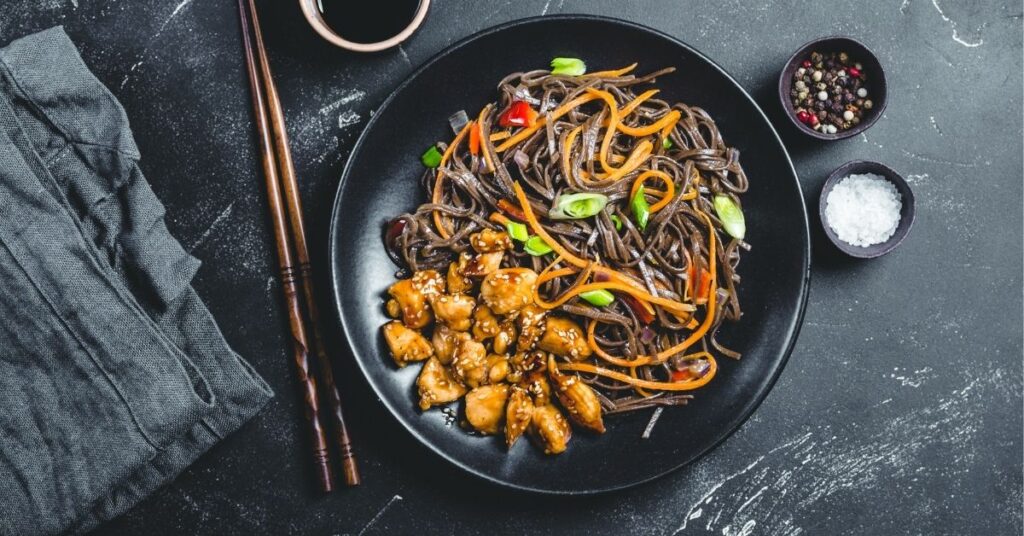
Yes, you can make noodles in the microwave as long as you use water, a microwave-safe bowl, and short intervals with stirring for even cooking.
If you are standing in front of the microwave with a packet of noodles and a growling stomach, you might be asking yourself, can i make noodles in the microwave? The short answer is yes, and once you learn a simple routine, it feels as easy as boiling them on the stove.
Microwave noodle cooking works for instant ramen, dried pasta, and even fresh noodles, as long as you pay attention to water level, container size, and timing. This guide walks through step-by-step methods, safety checks, and small tweaks so your bowl turns out hot, tender, and ready to eat.
Making Noodles In The Microwave Safely At Home
Most noodle types cook well in a microwave, including instant bricks, short dried pasta, and precooked udon or soba packs. The main differences are how much water you need, how long each style takes, and whether the noodles start raw, par-cooked, or already soft.
Package directions should always be your starting point, since many brands now include microwave instructions that match the product’s exact thickness and starch content. If the packet only lists stovetop directions, the table below gives realistic starting times that you can fine-tune in your own oven.
| Noodle Type | Water Or Broth Per Serving | Approx Microwave Time (1000 W) |
|---|---|---|
| Instant ramen brick | 2 to 2 1/2 cups | 3 to 4 minutes, stir halfway |
| Dried spaghetti (broken in half) | Enough to cover by 1 inch | 8 to 11 minutes, stir every 3 minutes |
| Elbow macaroni or small shapes | 2 cups water per 1/2 cup dry pasta | 6 to 9 minutes, stir every 2 to 3 minutes |
| Thin rice noodles | Water to cover plus 1/2 inch | 3 to 5 minutes, then stand in hot water |
| Fresh egg noodles | Water to cover by 1 inch | 3 to 6 minutes, stir at least once |
| Precooked udon in pouches | Enough broth or sauce to just cover | 2 to 3 minutes, break noodles apart |
| Glass noodles (bean thread) | Hot water to cover by 1 inch | 3 to 4 minutes, then check texture |
| Whole wheat pasta | Water to cover plus 1 inch | 9 to 12 minutes, stir often |
Use these times as starting points, not rigid rules. Different brands swell at different speeds, and noodle thickness, bowl shape, and microwave wattage all change how fast the center cooks.
Can I Make Noodles In The Microwave? Step-By-Step Method
If you want one go-to routine that works for most dried noodles, this method covers the basics. You can adjust the exact time and water amount as you learn how your microwave behaves.
Step 1: Choose A Microwave-Safe Bowl
Pick a deep, microwave-safe bowl made from glass, ceramic, or a container labeled microwave safe. A deep bowl helps prevent boil-overs and gives the noodles room to move as they soften.
Step 2: Measure Noodles And Water
Add your noodles to the bowl. Pour in enough water or broth to cover the noodles by roughly 2 to 3 centimeters. For small pasta shapes, that usually means about two parts water to one part dry pasta by volume.
Step 3: Cover Loosely
Place a microwave-safe plate, vented lid, or paper towel over the bowl. Leave a small gap so steam can escape. This keeps splashes under control while still trapping enough heat to cook the noodles evenly.
Step 4: Cook In Short Bursts
Microwave on high for 2 to 3 minutes. Carefully slide the bowl out, stir, and check the liquid level. Return the bowl and cook in 1 to 2 minute bursts, stirring between rounds, until the noodles turn tender but still hold a bit of bite.
Step 5: Season, Drain, Or Add Sauce
When the noodles reach the texture you like, you can leave some liquid in the bowl for soup, or drain most of it for saucy noodles. Add seasoning packets, broth concentrate, or your own sauce, then stir well so the flavor coats every strand.
By repeating this routine a few times, the question can i make noodles in the microwave? starts to feel almost too simple. Once you know roughly how long your favorite brand needs, you can cook from memory and adjust on the fly.
Choosing The Right Container And Water Level
The container matters more than many people expect. Thin plastic takeaway tubs often warp, and small mugs overflow as soon as the water boils. A solid bowl with enough headroom lets you walk away for short intervals without cleaning starch spray off the oven walls later.
Safe Containers For Microwave Noodles
Look for dishes that are clearly marked as safe for microwave use. Glass and ceramic bowls made for oven or microwave use are a steady choice. Some food-grade plastics are fine at normal reheating temperatures, but they should carry a microwave-safe stamp before you use them with boiling water and starch.
Regulators such as the U.S. Food and Drug Administration explain that microwave-safe containers are tested so they do not break down under normal use when heated with food or liquid. Following that sort of guidance helps you avoid containers that may melt or crack while you cook.
How Much Water To Use
Too little water leaves noodles half raw and glued to the side of the bowl. Too much water drags cooking time out and can wash away seasoning. As a baseline, cover noodles by at least a centimeter or two, as this gives the strands room to float and cook evenly.
Starchier shapes such as macaroni soak up more water, so they often need extra liquid. Rice noodles and glass noodles usually soften in a modest depth of water, especially when you let them rest in the hot liquid for several minutes after the microwave finishes.
Common Microwave Noodle Problems And Simple Fixes
Even with a good method, small mistakes lead to soggy noodles, dry clumps, or a starchy spillover. The table below lists common problems and quick adjustments that usually solve them on the next try.
| Problem | What You See | Easy Fix Next Time |
|---|---|---|
| Boil-over mess | Water and starch spill onto turntable | Use deeper bowl, reduce power, leave more headspace |
| Chewy or undercooked center | Noodles soft outside, firm or chalky inside | Add more water, cook in extra short bursts with stirring |
| Mushy noodles | Noodles break apart and feel soft all the way through | Cut cook time, use cooler water start, test a piece sooner |
| Stuck clumps | Noodles clump in tight balls that resist stirring | Use more water, stir earlier, gently separate with a fork |
| Flavor seems flat | Seasoning tastes weak even with packet added | Keep a bit of cooking water, add salt, acid, or fat for balance |
| Scorched edges | Dry, dark spots at rim of bowl | Stir more often, add water, lower power setting |
Food Safety Tips For Microwave Noodles
Cooking noodles in a microwave is about more than texture. You also want the dish to be safe to eat, especially when you add meat, eggs, or leftover broth. A few small habits greatly cut the risk of foodborne illness.
First, follow package directions closely whenever they tell you to heat noodles, sauces, or frozen ingredients to a certain temperature. Campaigns such as the USDA Cook It Safe reminders stress how uneven microwave heating can be and why stirring and standing time matter so much.
Second, handle leftovers with care. Cool cooked noodles promptly, store them in shallow containers in the fridge, and reheat them until steaming hot all the way through before you eat them again. General safe food handling guidance from agencies like the USDA and FDA underlines how room-temperature holding gives bacteria room to grow.
When you cook noodles with meat or seafood in the same bowl, treat the dish like any other mixed meal. Use a food thermometer if you are unsure about doneness, and make sure the hot liquid and solid pieces all reach a safe internal temperature before you dig in.
Flavor Boosts And Mix-Ins That Work Well In The Microwave
Once you are comfortable with the basic method for microwave noodles, you can start treating the bowl as a quick canvas for flavor. Small additions turn basic noodles into something that tastes like a real meal instead of a plain snack.
Simple mix-ins include frozen peas, corn, or spinach added during the last few minutes of cooking. Thin slices of leftover cooked chicken or tofu warm through nicely in the hot liquid at the end. A spoonful of miso paste, chili crisp, peanut butter, or grated cheese changes the character of the bowl with almost no extra work.
Finish with toppings that wake up the surface: sliced green onion, sesame seeds, a squeeze of lemon or lime, or a drizzle of toasted oil. These small touches go a long way, especially when the noodles themselves are plain.
Quick Recap For Confident Microwave Noodle Nights
So, can i make noodles in the microwave? Yes, as long as you match the bowl size, water level, and timing to the noodles in front of you. Use a deep microwave-safe bowl, enough water to cover, and short bursts with stirring so the heat spreads evenly.
Keep an eye on food safety by following package instructions, letting the bowl rest so heat can even out, and chilling leftovers promptly. With those habits, microwave noodles become a steady, low-effort option for late-night study sessions, small kitchens, or any time you want pasta without pulling out a pot at home or in dorms.
