
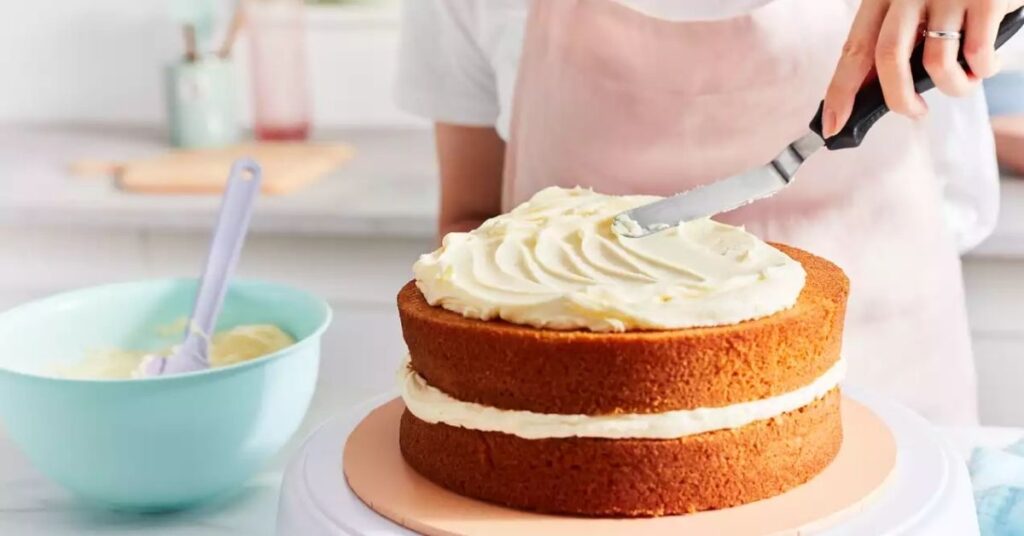
Yes, you can make icing without icing sugar by using homemade powdered sugar, simple glazes, or buttercreams built on other sweeteners.
Running out of icing sugar right when a cake comes out of the oven feels like a small disaster. The good news is that you still have several ways to finish your bake with a smooth, sweet topping. You just need to understand what icing sugar does and how to copy that effect with the ingredients you already have.
Home bakers ask the same question every weekend: can i make icing without icing sugar? The answer is yes, as long as you match the texture and sweetness your dessert needs. You can whip up a fast glaze with granulated sugar, blend your own icing sugar, or switch to styles like ganache, cream cheese icing, or ermine frosting that never call for powdered sugar at all.
Can I Make Icing Without Icing Sugar? Easy Methods That Work
To answer Can I Make Icing Without Icing Sugar? in practical terms, think in three routes. First, you can blitz regular sugar into a fine powder and use it like store-bought icing sugar. Second, you can pick an icing style that dissolves sugar in heat or liquid, so graininess disappears. Third, you can choose a frosting that gets structure from eggs, flour, or cream rather than a large amount of powdered sugar.
The right choice depends on what you are icing and which ingredients you have. A simple tray bake can handle a thin sugar glaze. A tall birthday cake might need a more stable buttercream. Cupcakes hold up well under rich chocolate ganache or cream cheese icing made with caster sugar.
To help you match your situation to a method, here is a quick overview of icing options that skip packaged icing sugar.
| Icing Type | Main Sweetener | Best Use |
|---|---|---|
| Homemade Icing Sugar | Blended granulated sugar + cornstarch | General substitute for powdered sugar in most recipes |
| Milk Sugar Glaze | Granulated or caster sugar | Drizzles for tray bakes, loaf cakes, cinnamon rolls |
| Chocolate Ganache | Chocolate with natural sugar | Cakes, cupcakes, brownies, rich finishes |
| Cream Cheese Icing | Caster sugar or homemade powdered sugar | Carrot cake, red velvet, spiced cakes |
| Ermine (Flour) Frosting | Cooked sugar and milk base | Layer cakes that need light, stable, less sweet icing |
| Russian Buttercream | Sweetened condensed milk | Quick frosting for cupcakes or single-layer cakes |
| Whipped Cream Topping | Granulated sugar or syrup | Shortcakes, sponge cakes, fresh fruit desserts |
Each option has its own texture and flavor. Once you know what you want on the plate, you can pick the method that gives you that finish with the ingredients sitting in your cupboard.
How Icing Sugar Shapes Texture And Sweetness
Icing sugar, also called powdered or confectioners’ sugar, is just granulated sugar ground into a very fine powder. Commercial versions usually contain a little starch to prevent clumping. The fine grind lets the sugar dissolve fast and gives classic buttercream its smooth, fluffy mouthfeel. A guide from BBC Good Food on icing sugar points out that this powdery texture is the main difference from standard table sugar.
In uncooked icings, those tiny particles matter. Granulated sugar takes longer to dissolve and can stay gritty in simple buttercream or royal icing. That is why many recipes look strict about icing sugar. They are really asking for sugar that is ground small enough to melt into the fat or liquid without visible grains.
Once you know that texture is the real goal, the question shifts from “Do I have icing sugar?” to “Can I get my sugar fine enough, or can I dissolve it fully another way?” That gives you room to improvise.
Method 1: Make Your Own Icing Sugar Substitute
The closest answer to “can i make icing without icing sugar?” is to make your own version in a blender. Several baking resources describe the same simple method: blend granulated sugar with a little cornstarch until powdery. A detailed guide from Bon Appétit uses a ratio of 1 cup sugar to 1 tablespoon cornstarch, blitzed for one to three minutes in a dry blender or food processor until the mix feels like soft powder between your fingers.
Step-By-Step Homemade Icing Sugar
- Measure 1 cup (200 g) of white granulated sugar and 1 tablespoon (8 g) of cornstarch.
- Make sure your blender or grinder is completely dry. Any moisture will cause clumps.
- Add sugar and cornstarch, then blend on high. Pause to stir so every grain hits the blades.
- Check the texture by rubbing a pinch between clean fingers. If it feels gritty, keep blending.
- Use straight away for icing, or store in an airtight jar if your kitchen is cool and dry.
You can scale this method up or down. Just keep the same basic ratio of sugar to starch. For many home kitchens a small blender, spice grinder, or coffee grinder works well in batches. A list of powdered sugar alternatives from Good Housekeeping recommends similar sugar-plus-starch blends, including versions with coconut sugar or other sweeteners for a different flavor.
Use homemade icing sugar just like the regular kind in glazes, simple buttercreams, or cream cheese icing. If your icing seems a bit soft, add a spoonful more of the powdered mix. If it tastes too sweet, balance with a pinch of salt, a squeeze of lemon juice, or extra cream cheese.
Method 2: Simple Icing Recipes Without Icing Sugar
Sometimes you do not have a blender, or you want an icing style that naturally uses another base. In that case, your best move is to switch to a recipe that relies on heat, cream, or eggs instead of raw powdered sugar. These styles can taste even better than a standard icing sugar buttercream and often feel lighter on the palate.
Milk And Sugar Glaze
This glaze works well on loaf cakes and tray bakes when you want a thin, sweet coating rather than big swirls.
- Warm 100 g granulated or caster sugar with 3–4 tablespoons milk in a small pan.
- Stir until the sugar dissolves completely and the liquid looks clear.
- Let it cool to a thick but pourable consistency, then spoon over your slightly warm cake.
The key is to let the sugar dissolve fully so the glaze sets smooth and shiny once it cools.
Chocolate Ganache Icing
Ganache feels rich and polished, yet it is only chocolate and cream. The sugar comes from the chocolate itself, so no icing sugar is needed.
- Chop 200 g of good quality chocolate.
- Heat 200 ml of heavy cream until it just steams, then pour over the chocolate.
- Let it sit for a minute, then stir from the middle until glossy and smooth.
For a pourable finish, use the ganache while it is still warm. For a spreadable frosting, let it cool at room temperature, stirring now and then, until thick and silky.
Cream Cheese Icing With Caster Sugar
Cream cheese icing does not have to rely on icing sugar. Caster sugar works if you give it enough time to dissolve.
- Beat 200 g full-fat cream cheese and 50 g soft butter until smooth.
- Add 80–120 g caster sugar in small additions, beating well each time.
- Flavor with vanilla, citrus zest, or a pinch of cinnamon.
Let the bowl sit in the fridge for 20–30 minutes, then beat again. The short rest helps the sugar dissolve fully, which gives a smoother mouthfeel.
Ermine Or Flour Buttercream
Ermine frosting starts with a cooked mixture of milk, sugar, and flour. Once cooled, that base is whipped into butter, giving a light, stable icing that spreads in neat swoops and pipes well. Because the sugar dissolves in the warm milk, there is no need for icing sugar at all.
A typical pattern looks like this: cook milk, sugar, flour, and salt until thick; cool fully; then whip with softened butter and vanilla. The result tastes soft and creamy, with a sweetness level many people prefer to classic buttercream.
Choosing The Best Icing Alternative For Your Dessert
Not every icing suits every bake. A delicate sponge cake may sag under a heavy ganache, while a dense brownie can handle nearly anything you spread on top. The dessert itself, the weather, and how you plan to serve the dish all matter when you choose an icing that avoids icing sugar.
Use this table as a quick guide when you need to pair your bake with a sugar-free-of-icing-sugar topping.
| Dessert | Icing Without Icing Sugar | Why It Works |
|---|---|---|
| Simple loaf or pound cake | Milk sugar glaze | Thin, sweet crust that soaks into the crumb |
| Chocolate layer cake | Chocolate ganache | Rich flavor and clean slices with glossy finish |
| Carrot or spice cake | Cream cheese icing | Tangy note that balances warm spices and sweetness |
| Birthday sponge cake | Ermine frosting | Light texture, stable for layering and piping |
| Cupcakes for a crowd | Russian buttercream | Quick to whip, smooth to pipe, sweet but not heavy |
| Brownies and bars | Soft ganache or glaze | Keeps fudgy texture center stage |
| Fresh fruit shortcake | Lightly sweetened whipped cream | Soft topping that pairs well with fruit juices |
Think about how sweet your base dessert is, too. Very sweet bakes often feel better with a slightly less sugary icing. In those cases, cream cheese icing, ermine frosting, or whipped cream make a nice match because they do not rely on huge amounts of powdered sugar.
Troubleshooting Icing Made Without Icing Sugar
When you swap icing sugar for other methods, a few common problems tend to appear. Grainy texture, icing that will not thicken, or icing that turns too sweet can all show up on your first try. Small changes in method usually fix them.
If Your Icing Feels Grainy
- Check that all sugar has dissolved if you used a cooked glaze. Warm gently and stir again.
- If you used homemade icing sugar, blend another minute and sift before adding more.
- For cream cheese icing, chill and beat again so remaining sugar crystals can soften.
If Your Icing Is Too Runny
- Chill butter-based icings for 15–20 minutes, then whip again.
- Beat in small amounts of extra butter, cream cheese, or cocoa powder instead of more sugar.
- For ganache, let it stand longer at room temperature or add a little more melted chocolate.
If The Sweetness Feels Over The Top
- Add a pinch of fine salt to round out the flavor.
- Stir in lemon juice, yogurt, or sour cream where the recipe allows.
- Spread a thinner layer and rely more on fresh fruit or nuts for balance.
Once you adjust a batch to your taste, jot down the changes. Next time you ask yourself, can i make icing without icing sugar?, you will already have a house method that you trust.
Storage And Food Safety For Homemade Icing
Icing made without icing sugar still follows the same basic safety rules as any frosting. Recipes that contain dairy, eggs, or cooked flour bases belong in the fridge for longer storage. Buttercream, cream cheese icing, ermine frosting, and Russian buttercream should sit out only for the serving window, then move back to a chilled shelf.
As a rough guide, most dairy-based icings keep for three to five days in the fridge in a sealed container. Bring them back to room temperature and re-whip briefly before spreading. Ganache keeps well when cooled and covered, while simple milk sugar glazes can usually stay on the cake at room temperature for a day or two if your kitchen is not too warm.
Label containers with the date, and do a quick smell and visual check before using leftovers. If the icing smells off, looks separated beyond repair, or shows any hint of mold, the safest move is to discard it and make a fresh batch.
Once you get used to these methods and understand why icing sugar behaves the way it does, you will feel far more relaxed when a recipe calls for powdered sugar and the bag in the cupboard is empty. You will know exactly which swap suits your dessert, your tools, and your pantry, and your cakes will still reach the table with a smooth, sweet finish.
