
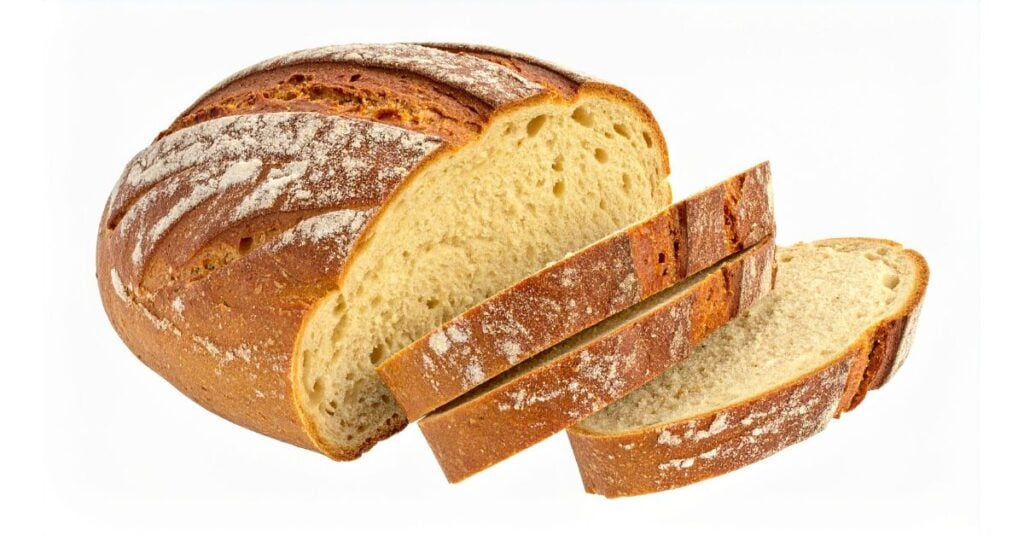
Yes, you can make gluten free sourdough with gluten free flours, a gluten free starter, and careful handling to avoid cross-contact.
If you miss the tang and chew of classic sourdough, gluten free sourdough can bring that back to your table. With the right flours, a dedicated starter, and a few tweaks to your process, you can bake loaves that slice well, toast beautifully, and sit comfortably within a strict gluten free diet.
So can i make gluten free sourdough? The short answer is yes, as long as every step stays gluten free from flour choice to baking tin. This guide walks you through how gluten free sourdough works, which flours to pick, how to build a starter, and what to change compared with wheat bread.
What Makes Sourdough Gluten Free Or Not
Classic sourdough uses wheat, rye, or barley. Those grains all contain gluten proteins that give dough stretch. Fermentation breaks some of those proteins into smaller pieces, but regular sourdough still contains far too much gluten for anyone with coeliac or celiac disease. A safe gluten free sourdough must use gluten free grains from the start and avoid any contact with gluten along the way.
Gluten free sourdough still relies on the same basic science. Wild yeasts and lactic acid bacteria live in your starter. They eat sugars from the flour, release carbon dioxide that lifts the dough, and create organic acids that give that sour flavor and help the bread keep longer. The difference sits in the flour blend and the way you build structure in the dough, since you cannot rely on gluten strands.
Best Gluten Free Flours For Sourdough Bread
Gluten free sourdough works best with blends. Each flour brings its own taste and texture. A mix of lighter and heavier flours, plus a binder, gives a loaf that slices cleanly instead of crumbling.
| Gluten Free Flour | Flavor & Texture | Notes For Sourdough |
|---|---|---|
| White Rice Flour | Mild, neutral crumb | Good base flour; pair with wholegrain options for depth |
| Brown Rice Flour | Nutty, slightly denser | Adds color and fiber; use as part of a blend |
| Sorghum Flour | Soft, wheat-like taste | Helps mimic classic bread flavor in gluten free sourdough |
| Buckwheat Flour | Earthy, dark crumb | Great for rustic loaves; pair with lighter flours |
| Millet Flour | Mild, slightly sweet | Adds tenderness; helps balance stronger flavors |
| Certified Gluten Free Oat Flour | Soft, wholesome taste | Check certification; can give a soft sandwich-style crumb |
| Teff Or Quinoa Flour | Bold, hearty flavor | Use in small amounts for flavor complexity and minerals |
| Commercial Gluten Free Bread Flour | Blended for structure | Often includes starches and binders that simplify recipes |
Most home bakers lean on a base of rice or sorghum flour with starches such as tapioca or potato to lighten the crumb. Some blends also include xanthan gum or psyllium husk, which help hold gas bubbles in the dough and give the slice that gentle chew you expect from sourdough.
Can I Make Gluten Free Sourdough? Step-By-Step Method
If you want a safe loaf, treat “gluten free” as a rule for your whole baking process, not just the flour bag. That means a gluten free starter, clean tools, and no shared wooden spoons or porous stones that have seen wheat dough.
Step 1: Set Up A Gluten Free Kitchen Zone
Set aside a mixing bowl, spatula, banneton or loaf tin, and baking tray that never touch gluten. Wash worktops well before you start. If your home is mixed, label these tools so they stay gluten free.
Check that every ingredient you plan to use is safe. That includes flour, starch, salt, seeds, and any toppings. The Celiac Disease Foundation gluten free foods list helps you check grains and packaged items against current guidance.
Step 2: Build A Gluten Free Sourdough Starter
You can buy a gluten free starter, or you can build your own from flour and water. A starter is simply a mix of gluten free flour and water that you feed daily until a stable colony of yeasts and bacteria grows strong enough to raise dough.
Pick one main flour for your starter such as brown rice or sorghum. Each day, mix equal weights of flour and room temperature water in a clean jar, then loosely cover. Once or twice per day, discard about half and feed with fresh flour and water. Within several days you should see bubbles, a tangy smell, and a steady rise and fall pattern.
A detailed day-by-day plan like the King Arthur Baking gluten free sourdough starter recipe can guide your feeding schedule and quantities. The goal is a starter that doubles in volume within four to eight hours of feeding and smells pleasantly sour, not harsh.
Step 3: Mix And Bind The Dough
Gluten free dough feels more like a thick batter than a kneadable ball. You do not need to stretch and fold it in the same way as wheat dough. Instead, you mix thoroughly once, then let the binders and fermentation work.
A simple starting point is:
- 1 part active gluten free starter
- 2 parts water
- 3–3.5 parts gluten free flour blend
- Salt to taste
- Psyllium husk or xanthan gum for structure
Stir starter and water together, then add psyllium husk if you use it. Let it thicken for ten to fifteen minutes. This creates a gel that mimics gluten strands. Then mix in your flour blend and salt until no dry pockets remain. The dough should hold shape but still feel soft and sticky.
Step 4: Bulk Fermentation
Transfer the dough to a lightly oiled bowl. Smooth the top with a damp hand or spatula. Cover and leave at room temperature until the dough rises by about 50 percent and feels airy. With gluten free dough you look more at bubbles and loosened texture than huge volume increase.
Timing depends on room temperature, starter strength, and flour blend. Many gluten free sourdough recipes use a mix of natural starter and a pinch of instant yeast to keep rise times predictable, especially in a cooler kitchen.
Step 5: Shape And Proof
When the dough feels light and puffy, shape it. For a freeform loaf, dust a piece of parchment with gluten free flour or starch, scrape the dough onto it, and gently tuck the edges under with a scraper to form a round or oval. For a sandwich loaf, spoon the dough into a greased tin and smooth the top with a wet hand.
Cover again and let the dough proof until it rises close to the top of the tin or spreads slightly and shows plenty of surface bubbles. A gentle poke should leave a soft dent that slowly springs back.
Step 6: Bake For Crust And Crumb
Heat the oven thoroughly, often to 220–230°C (425–445°F) for a strong initial rise. A Dutch oven or lidded pot traps steam and helps crust development, but you can also bake on a tray with a pan of hot water in the base of the oven.
Bake until the crust is deep golden and the center reaches at least 95°C (203°F) on a thermometer. Gluten free loaves can look done before they are fully set inside, so temperature checks help. Let the bread cool completely before slicing; this sets the crumb and prevents gumminess.
Gluten Free Sourdough Bread At Home – What Changes
Gluten free sourdough behaves differently from wheat dough, so a few expectations need a tweak. The dough will be stickier, and the rise may be lower, yet you can still pull off a loaf with a pleasant crumb and sour aroma.
Texture And Flavor Differences
The crumb of gluten free sourdough leans more tender than chewy. Some blends give a tighter slice that works well for sandwiches, while others give a more open crumb suited to toast. Using a mix of wholegrain flours boosts flavor so the bread tastes like more than a rice cake with crust.
Sourdough fermentation also softens some of the stronger notes in grains such as buckwheat or teff. The acids produced by the bacteria help reduce staling, so gluten free sourdough often keeps better than yeast-only gluten free loaves.
Hydration And Bindings
Gluten free flours absorb water differently from wheat. Rice flour tends to drink more water; starch blends can swing either way. Many bakers find that higher hydration, held in place by psyllium husk gel, leads to a lighter loaf. If your dough looks like cookie dough, it is probably too dry. Aim for a thick batter that still holds a loose shape.
Baking a few loaves teaches you how your chosen blend behaves. Keep simple notes on flour brands, amounts, and how the dough looks at mix, proof, and bake. Small tweaks in water level or proof time can change the final bread far more than fancy add-ins.
Safety For Coeliac Or Celiac Diets
If you live with coeliac or celiac disease, gluten free sourdough is only safe when every ingredient and tool stays gluten free. Regular wheat sourdough, even long fermented, still contains gluten and is not safe for this group. That applies to starters as well; you cannot “wash” gluten out of a wheat starter by feeding it gluten free flour.
Certified gluten free flours and grains give extra reassurance. Groups such as Coeliac UK explain how gluten free labelling works and why cross-contact in shared kitchens matters so much. If you are unsure what level of gluten is safe for your situation, speak with a health professional who understands gluten related conditions.
Common Problems With Gluten Free Sourdough
Even experienced wheat bakers hit a learning curve with gluten free dough. Here are frequent issues and simple tweaks that often fix them.
Dense Or Gummy Crumb
A gummy middle usually points to one of three things: too much water, under-baking, or too little binder. Try baking longer at a slightly lower temperature so the center sets without burning the crust. You can also drop hydration a bit or add a little more psyllium husk so the water stays in a gel network instead of pooling.
If your crumb is dense but not wet, your starter may need a few extra days of regular feeding. A sluggish starter cannot trap enough gas in the dough. Make sure it doubles predictably before you bake with it.
Flat Loaf With Weak Rise
Gluten free dough cannot stretch as far as wheat dough, so over-proofing leads to collapse. If your loaf spreads and then sinks, shorten proof time and bake earlier in the rise. A loaf tin also gives side support, which helps the dough rise upward instead of sideways.
A small amount of oil in the dough can help keep the crumb soft and slow staling, but too much fat can weigh down the structure. Start with a teaspoon or two and adjust from there.
Sour Flavor Too Mild Or Too Sharp
A mild loaf usually means a young starter or shorter fermentation. Feed the starter regularly for several days and let the dough rest a bit longer in bulk or proof. If the bread tastes harshly sour, shorten fermentation or bake a little earlier in the proof stage. You can also use a slightly cooler spot for bulk so acid builds more slowly.
Sample Gluten Free Sourdough Baking Timeline
Once your starter runs reliably, a simple timetable helps you fit gluten free sourdough into a workday or weekend. Adjust times for your room temperature and starter strength, but use this as a base pattern.
| Time | Step | What To Check |
|---|---|---|
| Night Before | Feed Starter | Starter doubles by morning, smells pleasantly tangy |
| Morning | Mix Dough | Dough looks like thick batter, no dry pockets |
| Late Morning | Bulk Fermentation | Dough loosens, small bubbles appear through the surface |
| Early Afternoon | Shape | Dough holds shape on parchment or fills loaf tin evenly |
| Afternoon | Proof | Dough rises, surface looks airy, gentle poke springs back slowly |
| Late Afternoon | Bake | Crust is deep golden, internal temp at least 95°C / 203°F |
| Evening | Cool And Slice | Loaf is cool to the touch, crumb slices cleanly without smearing |
Answering The Big Question: Can I Make Gluten Free Sourdough?
By this point you can see that the real question is not “can i make gluten free sourdough?” but “which flours and methods fit my kitchen and my diet”. With a gluten free starter, safe tools, and a little patience while you learn your blend, gluten free sourdough moves from idea to weekly habit.
Start small with one loaf, keep simple notes, and adjust water, proof time, or baking method one change at a time. Within a few bakes, you will know how your dough should look and feel at each stage. From there, you can branch into rolls, focaccia-style slabs, or flatbreads, all based on the same gluten free sourdough skills.
