
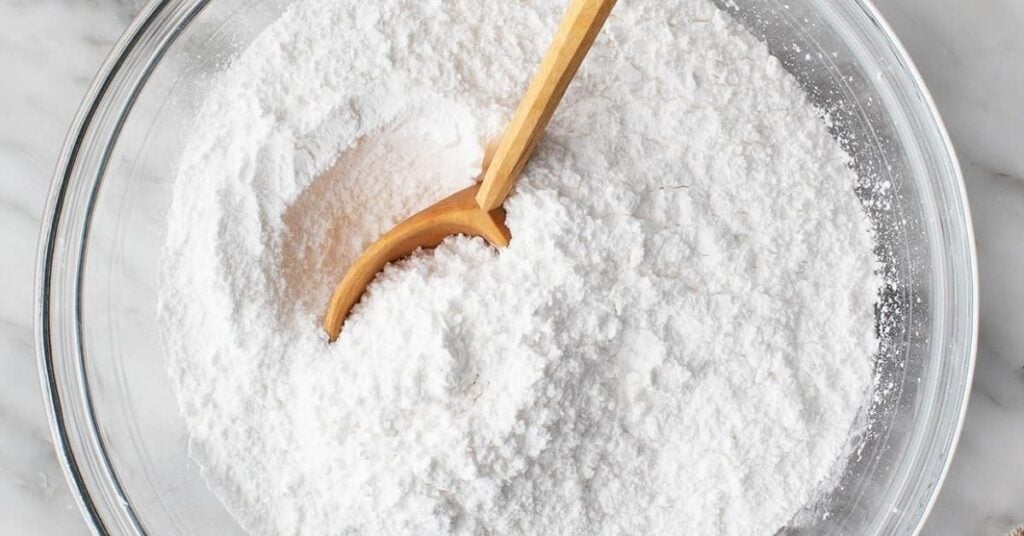
Yes, you can make confectioners sugar at home by blending granulated sugar with a little starch until it turns into a fine powder.
If you ran out of powdered sugar halfway through frosting, you might wonder, can i make confectioners sugar? The short answer is yes, as long as you have plain white sugar and a decent blender or food processor. With the right ratio and a few safety tips, you can turn pantry basics into smooth, dust-fine sugar that works in icings, glazes, and quick desserts.
This guide explains what confectioners sugar actually is, how to copy the texture of store brands, when homemade works well, and where you should still reach for a bag from the store. By the end, you’ll know exactly how to whip up a batch without wasting ingredients or wrecking a frosting recipe.
What Is Confectioners Sugar Exactly?
Confectioners sugar (also called powdered sugar or icing sugar) is just regular granulated sugar ground down to a powder and blended with a small amount of starch. The starch keeps the sugar from clumping and helps it stay free-flowing in the bag.
Commercial producers mill sugar to an extremely fine particle size and mix in around 2–5% starch, often cornstarch. That fine grind helps the sugar dissolve fast in liquids and gives buttercreams and glazes their smooth, velvety feel.
Home cooks mostly use confectioners sugar to make frosting, whipped cream, glazes, royal icing, and for dusting finished bakes. You can also stir it into no-cook fillings or drinks where you want sweetness without graininess.
Homemade Vs Store-Bought Confectioners Sugar
Before you grab the blender, it helps to see how homemade powdered sugar stacks up against the bag from the baking aisle.
| Factor | Homemade Confectioners Sugar | Store-Bought Confectioners Sugar |
|---|---|---|
| Texture | Very fine, though often a bit less fine than 10X | Ultra fine; consistent grind across each batch |
| Ingredients | Granulated sugar + starch you choose | Granulated sugar + cornstarch or other starch |
| Starch Level | You control how much starch goes in | Usually around 2–5% starch added |
| Equipment Needed | Blender, spice grinder, or food processor | No equipment; ready to pour from the bag |
| Best Uses | Buttercream, glazes, dusting, emergency swaps | Any recipe, including very smooth icings |
| Control Over Additives | High; you pick sugar type and starch type | Low; brand decides additives and grind |
| Cost And Convenience | Great when you already have sugar at home | Great when you bake often and use it regularly |
Can I Make Confectioners Sugar? Step-By-Step Method
Yes, you can. The method is simple, and you only need two ingredients plus a grinder or blender. Once you try it once, the question can i make confectioners sugar? becomes “why didn’t I do this earlier?”
Ingredients And Basic Ratio
Here’s the straightforward formula that lines up with common baking guidance:
- 1 cup (200 g) granulated white sugar
- 1 tablespoon cornstarch, tapioca starch, or potato starch
This ratio gives you a texture close to standard confectioners sugar used in home baking. Cornstarch is the classic choice, though tapioca or potato starch also work if you avoid corn.
Best Equipment For Fine Powder
You get the best results when the blade can grab a small amount of sugar and hit it from several angles. Good options include:
- A small high-speed blender, like a bullet-style blender
- A spice or coffee grinder dedicated to sweet ingredients
- A strong countertop blender with a narrow jar
- A food processor with a sharp metal blade (works, but sometimes a bit less fine)
A large, wide blender jar can struggle with tiny batches. If the sugar just spins around the sides, pause, shake or stir, and blend again in shorter bursts.
Step-By-Step Blender Method
Once your ingredients and equipment are ready, follow these steps:
- Add the granulated sugar and starch to the blender or grinder.
- Secure the lid firmly. Sugar dust spreads everywhere if the lid shifts even a little.
- Pulse in short bursts to break up the crystals, then blend on high for 30–60 seconds.
- Stop, let the dust settle for a few seconds, then open the lid.
- Stir the mixture to pull any stubborn crystals toward the blade.
- Blend again for another 30–60 seconds until the sugar looks fluffy and powdery.
- Rub a pinch between your fingers. If you still feel grit, blend for another short round.
- Once you reach a smooth powder, let the sugar cool for a minute, then transfer it to an airtight container.
Blending warms the sugar slightly, which can pull in a little moisture from the air. Letting the powder cool before you close the container reduces clumping later.
Making Confectioners Sugar At Home Safely
Sugar dust might look harmless, but it can irritate your throat and cloud the kitchen. It also settles on surfaces and turns sticky when it touches moisture. A little preparation keeps things neat and safe.
Simple Safety Tips
- Keep the lid pressed down while blending, even if it locks.
- Let the blender sit for 5–10 seconds after each burst so dust settles.
- Open the lid away from your face.
- Wipe the counter and blender base with a damp cloth right after you finish.
Choosing Sugar And Starch
Plain white granulated sugar gives the most predictable result. Raw sugar or turbinado sugar can work, though the powder may stay slightly beige and carry a light caramel note.
Most brands of confectioners sugar rely on cornstarch as the anti-caking agent. If you want a similar feel, copy that choice. Bakers who avoid corn can use tapioca starch or potato starch in the same quantity. The starch softens the texture and helps homemade powdered sugar behave closer to the bagged product.
If you’d like to compare your ratio with an expert source, you can peek at the Sugar.org method for homemade powdered sugar, which uses the same basic balance of sugar and starch.
How Much Homemade Powdered Sugar You’ll Get
Grinding sugar adds air and lowers density, so 1 cup of granulated sugar turns into more than 1 cup of powdered sugar. The exact volume depends on how fine you grind and how fluffy you let it stay. Weighing gives you the best accuracy in recipes.
As a rough guide, expect 1 cup of granulated sugar to give around 1¾–2 cups of confectioners sugar. When in doubt, go by weight: if your recipe calls for 120 g of confectioners sugar, weigh out 120 g of homemade powder rather than measuring by cup.
How Homemade Powdered Sugar Compares To Store-Bought
Homemade confectioners sugar works well in many recipes, but it doesn’t always match factory-milled sugar in texture. Knowing the differences helps you decide which option fits your recipe before you reach for the blender.
Texture And Fineness
Commercial confectioners sugar comes in grades like 6X, 10X, or even finer, which describes how many times the sugar passes through grinding steps. That process creates silky powder that blends into butter and liquid without leaving even the tiniest crunch.
Home equipment usually lands a bit short of 10X fineness. Most high-speed blenders get close enough for buttercream, glaze, and dusting. Thin royal icing for detailed piping or ultra-smooth mirror glazes sometimes show small specks when you rely on homemade powder alone.
Writers at Serious Eats on granulated vs. confectioners sugar point out that the extra starch and fine grind change how baked goods hold structure and moisture. That lines up with what home bakers notice when swapping one sugar for the other.
Flavor And Sweetness
Since confectioners sugar is still plain sucrose, the sweetness per gram stays basically the same. Starch slightly dilutes the sweetness by weight, though the effect is small at home-baking levels.
Brown or raw sugar adds a hint of molasses flavor if you grind it, which can taste great in some frostings and terrible in others. For a neutral sweet base that suits most recipes, stick with refined white sugar.
Best Uses For Homemade Confectioners Sugar
Homemade powder works especially well when:
- You need a small batch of frosting or glaze right away.
- You ran out of confectioners sugar and stores are closed.
- You want control over starch type for dietary reasons.
- You enjoy adjusting sweetness and texture without buying another ingredient.
For large batches of royal icing, meringue-based frosting, or detailed decorating where ultra-smooth texture matters, many bakers still lean on store-bought brands. A bag of 10X sugar gives more consistent results across dozens of cookies or several cake layers.
Storage Tips For Homemade Confectioners Sugar
Once you have a jar of powder, good storage keeps it from clumping into hard lumps.
Best Containers
- Use an airtight jar or container with a tight-fitting lid.
- Store in a cool, dry cupboard away from steam and heat.
- Add a small piece of parchment between the lid and sugar to catch stray dust.
If the sugar clumps, you can sift it through a fine mesh strainer or a dedicated sugar sifter. That quick step restores a light, snow-like texture.
How Long Homemade Powdered Sugar Lasts
Plain sugar doesn’t spoil in the usual sense, though it picks up moisture and odors over time. When protected from steam and strong smells, homemade confectioners sugar stays usable for months.
If the powder smells stale, musty, or like another pantry item, discard it and grind a fresh batch. Sugar absorbs aromas easily, especially in fine powdered form.
Troubleshooting Homemade Confectioners Sugar
Even with a simple method, a few common problems tend to pop up. This table gives quick fixes so you can rescue the batch instead of starting over.
| Problem | Likely Cause | Quick Fix |
|---|---|---|
| Powder feels gritty | Blend time too short or grinder too full | Blend in smaller batches and extend the grind |
| Powder clumps right away | Sugar still warm or kitchen humid | Let powder cool, add a touch more starch, store tight |
| Off flavor in frosting | Starch picked up pantry odors | Switch to fresh starch and sugar; store away from strong smells |
| Light beige color | Using raw or unrefined sugar | Use white sugar when you want a bright white finish |
| Dust everywhere when blending | Lid not tight or opened too soon | Hold the lid down and wait a few seconds before opening |
| Frosting feels too thick | Too much starch in the blend | Next time, reduce starch a little or add more fat/liquid |
| Powder tastes less sweet | High starch ratio or cup-only measuring | Weigh sugar and starch so the ratio stays consistent |
When Homemade Confectioners Sugar Works Best
Homemade powdered sugar shines when you need flexibility. You pick the starch, you set the batch size, and you can grind only what you need. That control helps if you bake gluten-free treats, avoid corn, or simply want fresh-tasting frosting without a last-minute store run.
Now that you know the method, the question can i make confectioners sugar? turns into “what recipe should I frost next?” You can keep a jar on hand for small projects and still lean on store-bought sugar when you plan a big baking day.
Final Thoughts On Homemade Confectioners Sugar
So, can I Make Confectioners Sugar? Yes, and the process takes just a few minutes with standard kitchen gear. Grind white sugar with a spoonful of starch, watch the texture, and store the powder carefully in a dry jar.
Once you’re comfortable with the base method, you can tweak your homemade confectioners sugar to fit different recipes: a slightly lower starch ratio for a softer glaze, raw sugar for a hint of caramel in chocolate frosting, or extra-fine batches for special-occasion cakes.
Next time you reach for a bag and find it empty, you’ll know you can make a small batch on demand and still finish your dessert on time, without grittiness or guesswork.
