
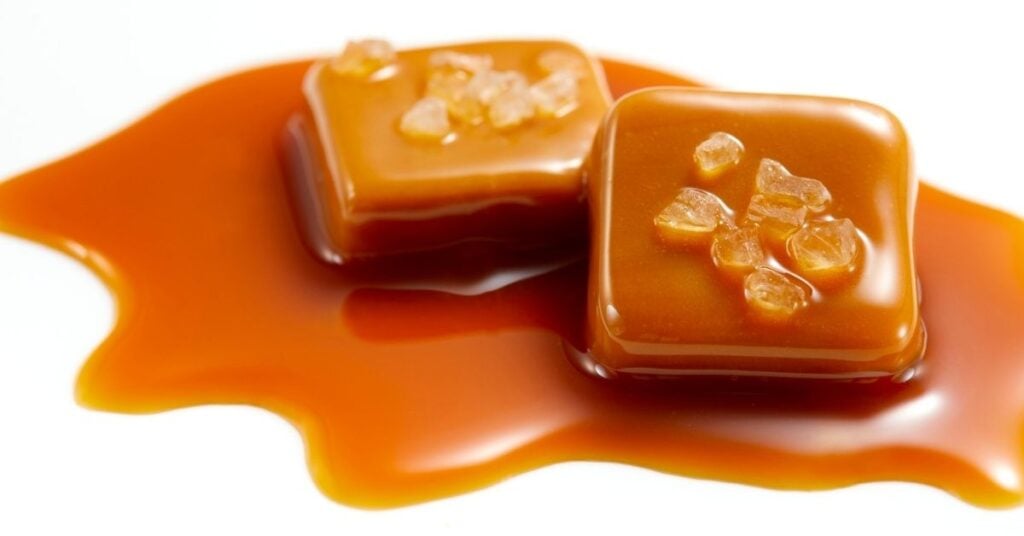
Yes, you can make caramel with brown sugar, though the molasses shifts it toward butterscotch style with deeper flavor and softer texture.
Home cooks ask this question a lot: can i make caramel with brown sugar? The short answer is yes, you can, and the result tastes rich, cozy, and deeply flavoured. The longer answer is that brown sugar caramel behaves a bit differently from classic white sugar caramel, so a few tweaks help a lot.
This guide walks through what actually happens in the pan, how brown sugar changes the sauce, and how to cook a smooth, glossy batch without grainy crystals or burnt spots. You will also see where brown sugar caramel really shines and when plain white sugar still makes more sense.
Can I Make Caramel With Brown Sugar? Basics You Need To Know
Classic caramel starts with plain white granulated sugar. Heat breaks the sucrose apart and new flavour compounds form as the syrup darkens and thickens. Food science groups point out that sucrose caramelisation usually kicks in around 170 °C / 340 °F when the sugar is nearly dry in the pan.
Brown sugar is still mostly sucrose. The big twist is a coat of molasses around each crystal. That molasses brings extra moisture, acidity, and minerals. It melts fast, adds deep colour even at lower heat, and naturally helps limit crystallisation.
So, can i make caramel with brown sugar? Yes, as long as you accept that the flavour leans toward butterscotch and the texture tends to be softer and saucier. For sauce, glazes, and sticky toppings, that is often exactly what you want.
Brown Sugar Caramel Styles And Classic Sugar Styles
Brown sugar caramel sits in the same family as butterscotch and toffee. The base idea is always sugar plus heat. Differences come from which sugar you pick, how hot you take it, and when you add dairy or fat. Baking resources such as King Arthur Baking describe caramel as white sugar cooked until it melts and browns, while butterscotch uses brown sugar and butter from the start.
| Style | Main Ingredients | Typical Use |
|---|---|---|
| Dry White Sugar Caramel | Granulated sugar only | Classic amber sauce base, flan, flan syrup |
| Wet White Sugar Caramel | Sugar plus water | Caramel sauce, custard toppings, candy base |
| Brown Sugar Caramel Sauce | Brown sugar, butter, cream | Ice cream sauce, cake drizzle, fruit topping |
| Butterscotch Sauce | Dark brown sugar, butter, cream, salt | Puddings, sundaes, pie toppings |
| Toffee | Brown sugar, butter, cooked to hard crack | Brittle candy, chocolate-covered shards |
| Soft Caramel Candy | White sugar, cream, butter, corn syrup | Wrapped chewy caramels, bar fillings |
| Salted Caramel Sauce | Caramel base plus sea salt | Dessert sauces, coffee drinks, frosting |
When you swap in brown sugar, you move your sauce closer to the butterscotch side of that table. The molasses in light or dark brown sugar adds notes that many tasters read as caramel, vanilla, and toffee. That is why brown sugar caramel tastes bold even when the sugar has not reached the same deep amber stage as a white sugar batch.
Food science organisations explain that caramelisation is a series of browning reactions triggered once sugar reaches high heat and most water has cooked off. The molasses in brown sugar already went through heat during production, which helps explain the ready-made flavour boost you get in the pan.
How Brown Sugar Changes Flavour, Texture, And Cooking Window
With granulated sugar, you watch the colour closely. It goes from clear syrup to pale gold, then to amber, then to a deeper mahogany tone. Each shade brings a shift in flavour from sweet and light to nutty, then to bitter if you push it too far.
Brown sugar starts darker from the first moment it melts. That means you rely more on smell and bubbling pattern than on colour alone. A brown sugar caramel sauce usually reaches a rounded, toasty flavour at a slightly lower temperature than a white sugar caramel sauce.
Texture changes as well. Brown sugar brings extra moisture, so brown sugar caramel tends to be a little looser at serving temperature. It also feels plush and sticky in a way many people enjoy over ice cream or pound cake.
The molasses acidity helps guard against gritty crystals, which is one reason many quick “no thermometer” caramel recipes switch to brown sugar. That same acidity can deepen flavour and help balance sweetness when you add cream and salt.
Step-By-Step Brown Sugar Caramel Sauce Method
You can cook brown sugar caramel in several ways. This method keeps things straightforward, uses basic equipment, and works on most home stoves. It is a wet style caramel sauce built from brown sugar, butter, and cream.
Ingredients For Brown Sugar Caramel Sauce
- 1 cup packed light or dark brown sugar
- 1/2 cup heavy cream, at room temperature
- 1/2 cup unsalted butter, cut into chunks
- 1/4 teaspoon fine salt (or more to taste)
- 1 teaspoon vanilla extract (optional)
Equipment You Need
- Medium heavy-bottomed saucepan
- Heat-safe whisk or silicone spatula
- Measuring cups and spoons
- Heat-proof jar or container for storage
Cooking The Sauce
- Warm the cream slightly. Place the cream in a small jug and let it sit near the stove so it is not fridge-cold. This helps prevent splattering when you add it to the hot sugar.
- Melt the butter. Add the butter to the saucepan and set the heat to medium. Stir as it melts and starts to foam.
- Add the brown sugar. Sprinkle the brown sugar over the melted butter and whisk until the mixture looks thick and glossy. At this stage it often looks grainy; that smooths out as it heats.
- Bring to a gentle boil. Keep the heat at medium and let the mixture bubble for 3 to 5 minutes, whisking now and then. You want steady bubbles across the surface but not heavy, smoking boil.
- Check for smoothness. When the mixture looks smooth and slightly thickened, take the pan off the heat. If you see undissolved sugar crystals, place the pan back on low heat and stir until they melt.
- Stir in the cream. Slowly pour in the warm cream while whisking. The sauce will bubble up, so pour in a thin stream. Whisk until the sauce looks unified and silky.
- Add salt and vanilla. Stir in the salt and vanilla. Taste once the bubbling settles and adjust the salt level to suit your dessert.
- Cool and store. Let the sauce cool for 10 to 15 minutes before transferring it to a jar. It thickens as it cools. Store in the fridge and reheat gently before serving.
This method gives you a rich brown sugar caramel with minimal steps. Serious baking guides note that wet caramel methods tend to be more forgiving because the water buys you time while the sugar melts and heats. That point applies here as well: the melted butter and cream keep the sauce flexible across a wider temperature band than bare sugar.
Brown Sugar Caramel Vs Classic Caramel: When To Use Each
When you scan recipes, you will often see white sugar for hard candy and some sauces, and brown sugar for sauces and softer toppings. That split is not random. White sugar caramel sets up more firmly and stays neutral in flavour, so it suits candies, spun sugar, and pale desserts where extra molasses notes might clash.
Brown sugar caramel is better when you want a sauce that feels plush and tastes layered. It pairs well with apple pie, sticky buns, banana bread, or coffee drinks. Molasses in the sugar lines up nicely with spices such as cinnamon and nutmeg.
Cooking sites that compare caramel and butterscotch point out that brown sugar versions tend to stay a touch sweeter and less bitter than deeply cooked white sugar caramel. That comes from both the lower final temperature and the flavour of the molasses itself. Salt helps balance that sweetness, which is why salted brown sugar caramel sauce has become so popular.
Common Brown Sugar Caramel Problems And Fixes
Even simple sauces can misbehave. Brown sugar caramel gives you more leeway than a dry white sugar caramel, yet a few snags still pop up from time to time. This section lays out the usual trouble spots and fast fixes.
| Issue | Likely Cause | Fix |
|---|---|---|
| Grainy Texture | Sugar not fully dissolved before adding cream | Return pan to low heat, stir until smooth, avoid rapid boiling |
| Greasy Or Split Sauce | Butter separated, heat too high | Whisk in a spoonful of warm cream off heat, then rewarm gently |
| Burnt Taste | Sauce left at high heat without stirring | Discard and start again; burnt notes cannot be removed |
| Too Thin When Cool | Short boil time or extra cream | Return to pan and simmer a few minutes to reduce slightly |
| Too Thick Or Fudgy | Cooked too long, excess water boiled off | Whisk in small splashes of warm cream until pourable |
| Crystals On Pan Sides | Sugar granules on the walls seeded crystals | Brush sides with a wet pastry brush while cooking, avoid stirring once smooth |
| Dull Flavour | Sauce pulled from heat too soon | Next batch, let it bubble slightly longer and season with salt |
A candy thermometer gives you extra control if you enjoy gadgets. Many sugar science resources explain that most sugar caramel work happens in the 165–175 °C range. You do not need exact numbers for brown sugar sauce, though staying under the smoking point of the butter helps keep flavours clean.
Safety, Storage, And Reheating Tips
Hot sugar syrups can cause severe burns, even in a small home kitchen batch. Use a pan with higher sides than you think you need so the bubbling sauce has room to rise after you add cream. Keep children and pets away from the stove during the cooking step and cooling period.
Once cool, store brown sugar caramel sauce in a clean jar in the fridge. Many home cooks keep it for up to two weeks. If you see mould, off smells, or separation that will not blend back together, throw the jar out and make a new batch.
To reheat, scoop what you need into a small pan or heat-proof bowl and warm it gently. Low power in the microwave or low heat on the stove works well. Stir often until the sauce loosens and looks glossy again.
Best Ways To Use Brown Sugar Caramel
Once you know the answer to “can i make caramel with brown sugar?” and have a batch in the fridge, the fun part starts. Spoon warm sauce over ice cream, waffles, pancakes, or slices of apple cake. Swirl a spoonful into coffee or hot chocolate for a quick dessert drink.
Brown sugar caramel also works as a filling. Cool the sauce until thick but still spreadable, then layer it between cake tiers or sandwich it between cookies. A pinch of flaky sea salt on top balances sweetness and adds a small crunch.
For baking projects, you can drizzle cooled sauce over brownies or bars right before serving. This keeps the top glossy and prevents the sauce from soaking in completely. A batch of brown sugar caramel keeps desserts flexible all week, since you can warm small portions and change up how you use them each day.
