
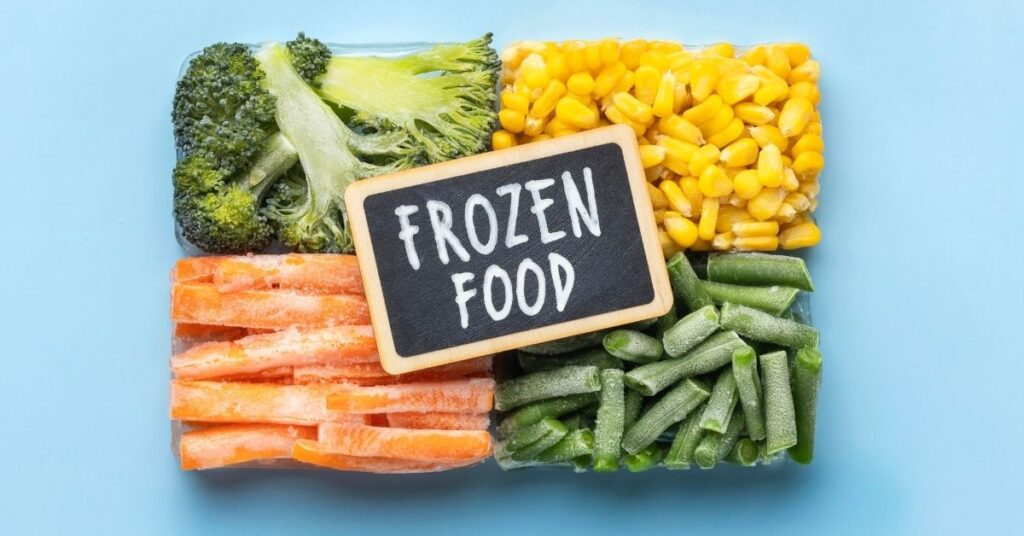
You can mail frozen food on many domestic routes if it stays cold, the packaging controls leaks, and carrier rules for perishable items are met.
Quick Answer On Mailing Frozen Food
People often ask “Can I mail frozen food?” when they want to ship meat, meals, or treats across the country. The short answer is yes on many domestic services, as long as the food can stay safely frozen or refrigerator-cold during the whole trip and the carrier accepts that type of perishable parcel.
Mail services do not promise food safety. Carriers only move the box. You are responsible for choosing a service level, packing method, and shipping window that keeps frozen food out of the temperature danger zone where bacteria grow fast.
| Frozen Item Type | Usually Mailable Domestically? | Typical Extra Conditions |
|---|---|---|
| Commercially frozen meat or poultry | Often allowed | Insulated packaging, cold source, short transit time |
| Homemade cooked meals | Case by case | Solidly frozen, leak-proof containers, clear labeling |
| Frozen fish and seafood | Often allowed | Strong outer box, plenty of cold packs or dry ice |
| Ice cream and similar desserts | Tricky | Needs heavy insulation, generous dry ice, fast service |
| Frozen baked goods | Often allowed | Wrapped tightly, cushioned to prevent crushing |
| Frozen raw dough | Often allowed | Secure container, cold source, vented box if dry ice |
| Homemade baby food or low acid purees | Risky | Strongly discouraged unless producer follows strict safety rules |
Can I Mail Frozen Food? Rules And Limits
Postal operators treat frozen food as perishable matter. In the United States, the postal service explains that food which can spoil is mailable only at the sender’s own risk when packaging and transit time are suitable.
Mailable frozen food still has to arrive in good shape and without creating leaks, strong odors, or mess in sorting equipment. If the box warms up, melts, or breaks, staff may dispose of it. That is another reason to pick packing methods that can handle some delay and rough handling.
Domestic Shipping Basics Across Major Carriers
Each carrier writes its own rules for frozen shipments. USPS allows some frozen foods when they fit size and weight limits and when the parcel meets packaging rules for perishable matter. Private carriers follow similar logic but may add their own restrictions, so always read the service guide before you prepare a shipment.
If you plan to use dry ice, you also have to follow hazardous material rules for that coolant. UPS notes that dry ice counts as a regulated material on air services once you pass certain weight limits, often around 5.5 pounds per package, and shippers have to mark the box with the net weight and UN 1845 code.
Policies change over time, so read the latest service guide for your carrier and route before you pay for a label.
International And Military Mail Restrictions
Frozen food that needs constant refrigeration often cannot travel through international mail. Many countries treat such items as nonmailable because transit times are long and storage conditions vary. USPS international rules list most fresh and frozen meats, dairy products, and many other foods as barred for standard mail channels.
USDA advice for military care packages also warns against sending foods that must stay below 40 degrees Fahrenheit to stay safe. Instead, it encourages shelf-stable snacks and cured or dried meats that do not need cold storage on a long trip.
Food Safety Before You Mail Frozen Food
Food safety experts repeat one rule above all: frozen food must stay cold all the way from your freezer to the recipient’s freezer. The USDA advises that perishable items should arrive frozen, have visible ice crystals, or at least sit at refrigerator temperature when they land.
Once the product sits above 40 degrees Fahrenheit for more than a short stretch, bacteria can multiply at high speed. A package delayed for days at warm room temperature can become unsafe even if it still looks fine. When in doubt, the safest choice is to throw the food away instead of tasting it.
Which Frozen Foods Travel Well
Dense, solid pieces tend to ship better than airy or fragile items. Firm cuts of meat, solid casseroles, thick soups in leak-proof containers, sturdy pies, and bread loaves hold temperature longer and can handle a bit of jostling.
Loose items with lots of air space, like puffs or delicate pastries, lose their chill faster and crumble in transit. Frozen drinks in glass bottles bring breakage risk, while soft cheeses and similar products can soften and leak once the chill fades. Try to match the frozen product to the distance and shipping speed you can pay for.
Mailing Frozen Food Safely: Packaging And Ice Choices
Good packaging keeps cold in, keeps leaks in, and keeps people handling the parcel safe. Many home shippers use a small foam cooler inside a sturdy corrugated box. The food sits in the inner cooler with gel packs or dry ice around it, then everything slides into the outer carton with padding to stop movement.
Choosing Containers And Insulation
Pick containers that will not crack when the contents freeze solid. Rigid plastic tubs with tight lids, vacuum-sealed bags, or heavy-duty zipper bags double packed inside another barrier all help prevent leaks. Wrap each food item in plastic, then place those items inside the insulated liner or foam cooler.
Foam coolers or panels slow heat gain from outside air. Thicker walls hold the chill longer. Fill empty space with crumpled paper, bubble wrap, or extra insulation so that packs and food cannot slide around and punch through the walls during handling.
Dry Ice, Gel Packs, And Frozen Water Bottles
Each cold source has tradeoffs. Dry ice keeps items frozen longer and can handle long transit better than gel packs, but it turns into carbon dioxide gas and needs special handling rules. You must never seal dry ice in an airtight box without a vent, since pressure from the gas can build up.
Dry ice should not sit directly against food meant to be eaten. Wrap it and place it on top of the food so cold air flows downward. Mark the outer carton with “Contains Dry Ice” and list the net weight so carriers know what they are handling.
Gel packs work well for one-or-two day service when you only need the contents to stay refrigerator cold. Freeze them solid, spread them around the food, and pack enough that they will still feel cold on arrival. Frozen water bottles can back up gel packs and give the recipient chilled drinks once the parcel arrives.
Packing Methods Compared For Frozen Food By Mail
This second table compares common packing setups for frozen shipments so you can match the method to the route and budget.
| Packing Setup | Best Use Case | Pros And Limitations |
|---|---|---|
| Foam cooler + dry ice + outer box | Meat or full meals on one to three day routes | Strong temperature hold, higher cost, dry ice labeling duty |
| Foam cooler + gel packs | Frozen baked goods on overnight or two day service | No hazardous material rules, shorter cold window |
| Insulated liner + gel packs | Smaller boxes, mixed frozen and chilled items | Lighter than foam, less protection in hot weather |
| Dry ice only in lined carton | Very dense frozen items on quick air routes | Strong freeze, must vent box and follow dry ice rules |
| Gel packs + frozen water bottles | Short zone ground shipments in cooler seasons | Low cost, less chill time during summer heat |
| Commercial cold shipping kit | Small businesses repeating the same lanes | Predictable performance, higher packing expense |
Timing, Transit, And Recipient Arrangements
Even the best packing job can fail if the box sits in a depot over a long weekend. Plan ship dates so frozen parcels leave early in the week and reach the destination before Saturday when possible. Many shippers avoid sending frozen food on Fridays for that reason.
Choose the fastest service you can afford for truly perishable items. Overnight or two-day air keeps the time in transit short. For dense, well-packed items moving only one or two zones away, a fast ground service sometimes works, but build in extra cold source capacity to account for traffic or weather delays.
Let the recipient know the tracking number and expected arrival day. Ask them to move the contents into a freezer as soon as the parcel appears at the door. Clear communication cuts the odds that a box sits on a porch for hours in sun or snow.
Labeling And Marking The Box
Every frozen food parcel should tell handlers what is inside. Mark at least two sides with “Perishable” and phrases like “Keep Frozen” or “Keep Refrigerated.” If you use dry ice, add a line with “Contains Dry Ice” and list the weight in pounds along with the UN 1845 code.
Make the shipping label easy to read. Print addresses in large letters, add a phone number for the recipient, and remove old barcodes from recycled boxes. Smudged ink or stray labels can slow routing or send a perishable parcel to the wrong city.
Step By Step Checklist Before You Ship
Use this quick checklist each time you plan a shipment so you send frozen food by mail with less guesswork.
Frozen Food Mailing Checklist
- Confirm that your carrier accepts the specific frozen item on the route you need.
- Pick a ship date early in the week to avoid weekend layovers in transit hubs.
- Freeze the food solid, then pack it in leak-proof containers and wrap each piece.
- Choose an insulated container sized to the contents with minimal empty space.
- Add enough gel packs, dry ice, or both to cover the full travel window and some delay.
- Place the insulated container in a sturdy outer box with padding on all sides.
- Seal the box tightly with tape on every seam and mark it with clear handling labels.
- Share the tracking link with the recipient and ask them to store the food promptly.
When You Should Skip Mailing Frozen Food
Sometimes the honest answer to “can I mail frozen food?” is no. Long international routes, remote locations, and slow economy services leave parcels in trucks or depots far too long for safe temperature control, even with heavy insulation and dry ice.
If you cannot afford a fast service, cannot predict delivery conditions, or do not have access to reliable insulation and cold sources, look for shelf-stable alternatives. Dried meats, baked goods that hold room temperature, or gift cards for local food delivery give your friend or customer something to enjoy without any food safety gamble.
References & Official Guidelines
For more specific regulations regarding shipping perishables and food safety, please refer to the official sources cited in this guide:
- USPS Regulations: Publication 52 – Hazardous, Restricted, and Perishable Mail
- USDA Food Safety: Mail Order Food Safety Guidance
