
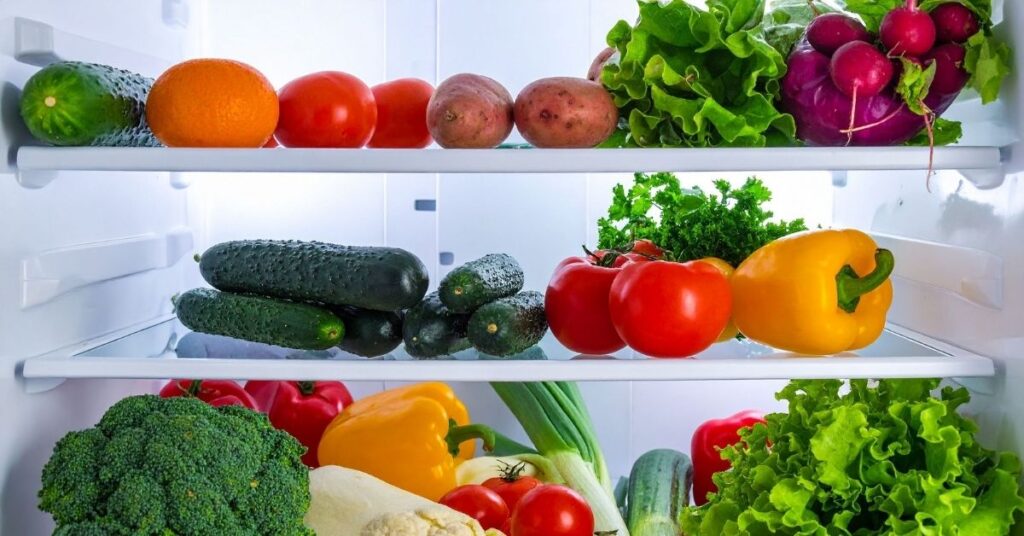
Can You Keep Potatoes In The Fridge? Storage Rules and Safety
Raw potatoes generally belong in a cool, dark pantry to prevent sugar buildup, while cooked potatoes must go in the fridge to prevent bacteria growth.
Quick Answer On Fridge Storage For Potatoes
Home cooks often ask “Can I keep potatoes in the fridge?” to make them last longer. The short answer is it depends on if they are raw or cooked. Cooked potatoes must be refrigerated to stay safe. Raw potatoes are traditionally stored in cupboards, though recent advice in some countries now allows fridge storage under specific conditions.
Storage methods impact not just freshness, but food safety. Improper storage can lead to an increase in acrylamide (a chemical formed during high-heat cooking) or allow bacteria to grow on cooked leftovers.
| Potato Type Or State | Best Storage Place | Expected Shelf Life |
|---|---|---|
| Whole raw potatoes | Cool, dark cupboard | 2–4 weeks (longer in root cellars) |
| New or baby potatoes | Fridge crisper or cool pantry | Up to 1 week (eats best when fresh) |
| Cut raw potatoes | Fridge (submerged in water) | Up to 24 hours |
| Plain cooked potatoes | Fridge in sealed container | 3–4 days |
| Mashed potatoes (w/ dairy) | Fridge in sealed container | 3–4 days |
| Frozen cooked potatoes | Freezer-safe bag | 2–3 months |
| Sprouted/Green potatoes | Trim heavily or discard | Do not store; use immediately |
Can I Chill Raw Potatoes? Rules And Risks
Different food safety agencies provide slightly different guidelines regarding raw potato storage. This is largely due to a reaction called “cold sweetening,” where starch turns into sugar at low temperatures.
In the United States, the FDA generally advises storing potatoes in a cool, dark place rather than the refrigerator. This is to minimize the formation of acrylamide, a compound that can form when sugary potatoes are fried or roasted at high temperatures.
Understanding The Acrylamide Risk
Raw potatoes are mostly water and starch. When stored below 40°F (4°C), some starch converts to glucose and fructose. If you fry, roast, or bake these cold-stored potatoes, those sugars react with the amino acid asparagine to create acrylamide and cause the potato to turn dark brown very quickly.
However, the UK’s Food Standards Agency (FSA) recently updated their advice, stating that raw potatoes can be stored in the fridge to reduce food waste. Their research suggests the acrylamide risk is manageable if home cooks aim for a light golden color rather than a deep brown char when cooking.
Best Practices For Raw Storage
If you have a cool, dark pantry (45-50°F), that remains the gold standard for raw potatoes. If you live in a hot climate and must use the fridge, keep the potatoes in a paper bag in the crisper drawer to allow airflow.
Crucially, keep raw potatoes away from onions and apples. Apples release ethylene gas which speeds up sprouting, while onions can transfer moisture and flavor that ruins the potatoes.
Handling Cut And Peeled Potatoes
Once a potato is peeled or sliced, the rules change immediately. The natural protective barrier is gone, making the vegetable vulnerable to bacteria and oxidation (turning gray/brown).
Short Term Storage In Water
If you are prepping dinner in advance, you can store cut raw potatoes in the fridge. Place the peeled or cut potatoes in a bowl and cover them completely with cold water. This blocks air from reaching the surface.
Store the bowl in the refrigerator and use the potatoes within 24 hours. Leaving them longer can result in a waterlogged texture and cloudy water as the starch leaches out.
Storing Cooked Potatoes Safely
Cooked potatoes—whether mashed, roasted, or baked—are perishable foods. They must be kept cold to stop bacterial growth. The USDA advises that all cooked vegetables should be refrigerated within two hours of cooking.
Cooling And Containers
Do not leave foil-wrapped baked potatoes sitting out at room temperature. The foil creates a low-oxygen environment that can encourage botulism bacteria to grow if the potato stays warm. Remove the foil or open it to let the potato cool, then refrigerate.
For mashed potatoes or leftovers, use shallow containers with tight-fitting lids. Shallow containers allow the food to cool down to a safe temperature faster than deep tubs.
Storage Methods Compared For Potato Types
This table helps you decide the best storage method based on how you plan to cook the potato later.
| Storage Setup | Best Use Case | Pros And Limitations |
|---|---|---|
| Cool, dark pantry (No Fridge) | Baking, frying, or roasting whole potatoes | Lowers acrylamide risk; preserves fluffy texture. |
| Fridge crisper drawer | Boiling, steaming, or new potatoes | Prevents sprouting in hot homes; may cause browning if fried later. |
| Submerged in cold water (Fridge) | Prepped fries or cubed potatoes for soup | Saves prep time; must be used within 24 hours. |
| Airtight container (Fridge) | All cooked leftovers | Essential for safety; lasts 3–4 days maximum. |
| Freezer bag (Frozen) | Cooked wedges or mashed potatoes | Long-term storage; texture may become watery upon reheating. |
Step By Step Checklist For Potato Freshness
Use this checklist to ensure you are getting the longest life out of your sack of potatoes without compromising safety.
Potato Storage Checklist
- Remove potatoes from plastic grocery bags; transfer to paper bags or a basket for ventilation.
- Check for soft spots, mold, or “weeping” liquid and discard bad potatoes immediately.
- Store in a cool, dark place away from the oven, sunlight, or heat vents.
- Separate potatoes from onions, garlic, and ethylene-producing fruits like apples.
- If refrigerating raw potatoes (due to hot climate), plan to boil or steam them rather than fry them.
- Refrigerate all cooked leftovers within 2 hours of serving.
- Discard any cooked potatoes that have been in the fridge longer than 4 days.
When You Should Throw Potatoes Away
Sometimes, storage cannot save a potato. If raw potatoes have large sprouts, are shriveled and soft, or have turned green, they are past their prime. Green skin indicates the presence of solanine, a bitter toxin. While you can trim small green spots, heavily green or bitter potatoes should be composted.
For cooked potatoes, if they smell musty, have visible mold, or have a slimy texture, do not taste them. The safest choice is to throw them away to avoid foodborne illness.
References & Official Guidelines
For more specific regulations regarding acrylamide, produce storage, and food safety, please refer to the official sources cited in this guide:
- FDA Guidance: Acrylamide and Diet, Food Storage, and Food Preparation
- FSA (UK) Advice: Acrylamide and Home Cooking Safety
- Produce Storage: Fruits & Veggies: Best Ways to Store Potatoes, Onions, and Garlic
