
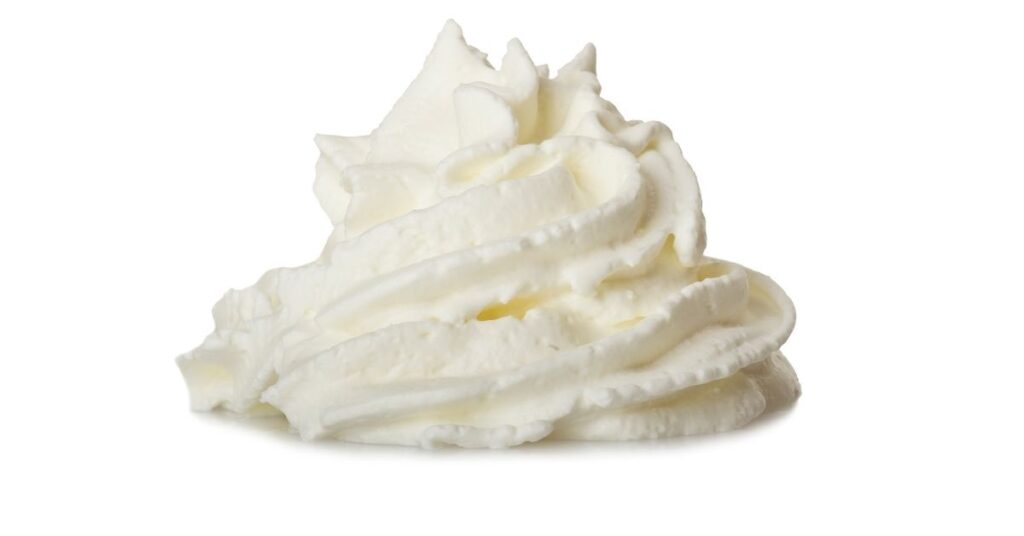
Yes, heavy cream can stand in for buttermilk when it is thinned and acidified, though flavor and rise will not match classic buttermilk exactly.
Maybe you planned on fluffy pancakes or tender biscuits, opened the fridge, and found a carton of heavy cream where the buttermilk should be. The box of baking soda waits on the counter, the oven is preheating, and you’re wondering if this swap will ruin the batch or save breakfast.
This guide walks through when heavy cream can replace buttermilk, how to mix it so your batter still reacts with baking soda, and when you’re better off reaching for another substitute instead.
Heavy Cream Substitutes For Buttermilk In Baking
To answer can heavy cream be substituted for buttermilk, you first need to know what each ingredient brings to the bowl. Buttermilk is tangy and acidic. Heavy cream is rich and high in fat. Those differences change how cakes, quick breads, and fried coatings behave.
Here’s a side-by-side view before you start pouring.
| Feature | Heavy Cream | Buttermilk |
|---|---|---|
| Typical Fat Range | About 36–40% milk fat | Low fat, often 1–2% milk fat |
| Acidity Level | Low acid on its own | Acidic, reacts with baking soda |
| Texture | Thick, silky, coats a spoon | Pourable, thicker than milk |
| Flavor | Sweet dairy taste, mellow | Tangy, slightly sour dairy taste |
| Effect On Crumb | Rich, tender, can feel heavy | Soft, light, open crumb |
| Reaction With Baking Soda | Needs added acid to fizz | Acid already present |
| Best Known Uses | Ganache, sauces, whipped cream | Pancakes, biscuits, muffins, marinades |
The main issue is acidity. Classic buttermilk activates baking soda and gives lift, while heavy cream on its own behaves more like rich milk. To mimic buttermilk, you need to add acid and usually some extra liquid so the batter doesn’t turn dense.
Many baking teachers recommend turning milk into buttermilk with lemon juice or vinegar. Some, including this method from The Kitchn, mention that cream can be soured the same way for a richer substitute.
How Heavy Cream And Buttermilk Behave In Recipes
Once you know how each liquid acts in the oven or frying pan, you can decide when the swap makes sense and when it’s better to reach for milk, yogurt, or sour cream instead.
Texture And Tenderness
Buttermilk’s lower fat and higher acidity relax gluten strands. That gives you soft interiors in pancakes, soda bread, and muffins. Heavy cream, with its higher fat content, coats flour more. That can still give a tender crumb, but the texture leans toward rich and dense if the rest of the recipe doesn’t change.
When you thin cream with water or milk and add acid, you pull its behavior closer to buttermilk. The batter spreads more easily in the pan, and the rise from baking soda sits in the same range as the original recipe.
Flavor And Browning
Buttermilk adds tang. Biscuits taste a bit sharper, and pancakes feel lighter on the tongue. Heavy cream brings sweetness and extra dairy richness instead. A cream-based substitute will mute that tangy note and add a dessert-like edge.
More fat also supports browning. Pancakes and waffles made with a cream mix can brown faster on the outside. That can be an advantage, but you may need to lower the heat a little so the inside cooks through before the surface darkens.
Can Heavy Cream Be Substituted For Buttermilk? Quick Ratios
So can heavy cream be substituted for buttermilk in real kitchen terms? Yes, if you mix it in a way that adds acid and controls fat. Here are practical ratios you can use when a recipe calls for 1 cup of buttermilk.
Basic Heavy Cream “Buttermilk” Mix
This mix gives you a tangy liquid close in thickness to buttermilk and keeps fat under control.
- 6 tablespoons heavy cream
- 6 tablespoons whole or low-fat milk
- 1 tablespoon lemon juice or white vinegar
Stir the milk and cream together, then add the acid and set the cup aside for 5–10 minutes. The mix thickens a little and turns slightly curdled on the surface. That visual change tells you the acid is working on the dairy proteins, just like in buttermilk. Methods like this echo common ratios used in many home baking guides.
Richer Cream-Forward Version
If you want a more indulgent crumb and don’t mind less tang, you can lean harder on cream:
- 1/2 cup heavy cream
- 1/2 cup water or low-fat milk
- 1 tablespoon lemon juice or white vinegar
This version suits pound cakes and dense quick breads. It still reacts with baking soda, but the structure holds more fat, so muffins and loaves come out closer to dessert than to lean breakfast bread.
What If You Only Have Cream And No Acid?
If there is no lemon juice or vinegar in the house, you can still thin cream with water or milk and use it in a recipe that relies mainly on baking powder, not baking soda. You won’t get the same rise or tang, yet the high fat content means the crumb can stay soft. For recipes built around baking soda and buttermilk together, an acid source matters a lot more.
Best Buttermilk Substitutes By Recipe Type
Heavy cream is only one path when buttermilk is missing. Yogurt, kefir, sour cream, and soured milk all bring their own strengths. This table shows where a cream mix works best and where another dairy choice steps in more smoothly.
| Recipe Type | Good Substitute Mix | What To Expect |
|---|---|---|
| Pancakes And Waffles | Half cream, half milk + acid | Golden edges, slightly richer taste, gentle tang |
| Biscuits And Scones | Cream mix or plain cream thinned with water | Tender crumb, less sharp flavor, more browning |
| Quick Breads And Muffins | Cream mix or yogurt thinned with milk | Moist slices, mild tang, closer to cake texture |
| Chocolate Cakes | Cream mix, sour cream, or yogurt mix | Deep flavor, dense crumb, strong moisture |
| Fried Chicken Marinade | Yogurt or kefir thinned with milk | Better cling, stronger tang than cream mix |
| Salad Dressings | Half cream, half yogurt plus lemon juice | Creamy pour, mellow tang, thicker mouthfeel |
| Mashed Potatoes | Heavy cream plus a splash of buttermilk or yogurt | Silky texture with light tang if any buttermilk is used |
This layout shows where a cream-based substitute shines and where another sour dairy choice fits better. A quick rule of thumb: the more a recipe leans on tang and thin texture, the more you may want yogurt, kefir, or soured milk instead of a cream mix.
When Heavy Cream Swaps Work Well
Heavy cream shines in batters where richness is welcome and a hint of extra density won’t spoil the result. That includes pancakes, waffles, many muffins, chocolate loaves, and snack cakes. In those recipes, a cream mix keeps crumbs moist for longer on the counter or in the freezer.
Cream also blends smoothly into salad dressings and dips. When you mix cream with yogurt and lemon juice, you keep some tang from the cultured dairy while softening sharp edges, which suits ranch-style dips and drizzle sauces.
Situations Where You Should Skip Heavy Cream
There are cases where cream isn’t the best stand-in. Fried chicken is one. Traditional buttermilk marinades cling well and pack plenty of acidity, which helps season the meat and tenderize the outer layer. A thin cream mix can slide off and doesn’t bring the same edge of sourness.
Another tricky spot is airy biscuits that rely on strong reaction between buttermilk and baking soda. A cream mix still lifts the dough, yet the crumb tends to lean heavier. If you crave tall, flaky layers, a milk-based buttermilk substitute or plain cultured buttermilk, when you have it, gives a result closer to the original recipe.
Heavy Cream And Buttermilk Safety, Storage, And Use
Any time you swap dairy, storage and food safety matter just as much as texture. Both cream and buttermilk belong in a cold refrigerator, away from the door where temperatures swing each time you open it. Guidance from agencies such as the USDA points out that buttermilk usually keeps in the fridge for around two weeks and can be frozen for longer storage.
When you sour cream or milk with lemon juice or vinegar, treat that cup like fresh buttermilk. Chill it if you mix it ahead of time and use it on the same day. If it smells off, looks moldy, or separates more than a gentle curdle on top, discard it instead of trying to bake with it.
Frozen buttermilk or cream can still work in baked goods once thawed, though texture can change in coffee or sauces. Thaw in the fridge, stir well, and measure after it reaches a smooth pour again.
Practical Tips For Last-Minute Buttermilk Swaps
If you’re rushing through a recipe and still wondering can heavy cream be substituted for buttermilk, this checklist keeps you from wrecking the batter.
- Check the leavening mix. If a recipe uses only baking powder, a cream mix without acid might still bake well. If baking soda is in the list, add lemon juice or vinegar for a good rise.
- Thin cream to match texture. Pure cream is thicker than buttermilk. Blend with milk or water until it pours like the original ingredient in the recipe.
- Adjust fat elsewhere. When you use a cream-heavy substitute, you can trim a spoon or two of butter or oil from the recipe so the result doesn’t feel greasy.
- Mind the heat. Batters rich in cream brown faster. Drop the oven temperature by 10–15 °C or lower the pan heat on the stove if edges darken too fast.
- Start with a small batch. If you bake for guests, test the cream version in a half batch on a quiet day so you know how your oven, flour, and pan shape respond.
Once you’re comfortable with these swaps, can heavy cream be substituted for buttermilk stops feeling like a trick question and turns into a handy baking habit. You’ll waste fewer ingredients, stretch what’s already in the fridge, and still pull tender cakes and pancakes from the oven with confidence.
