
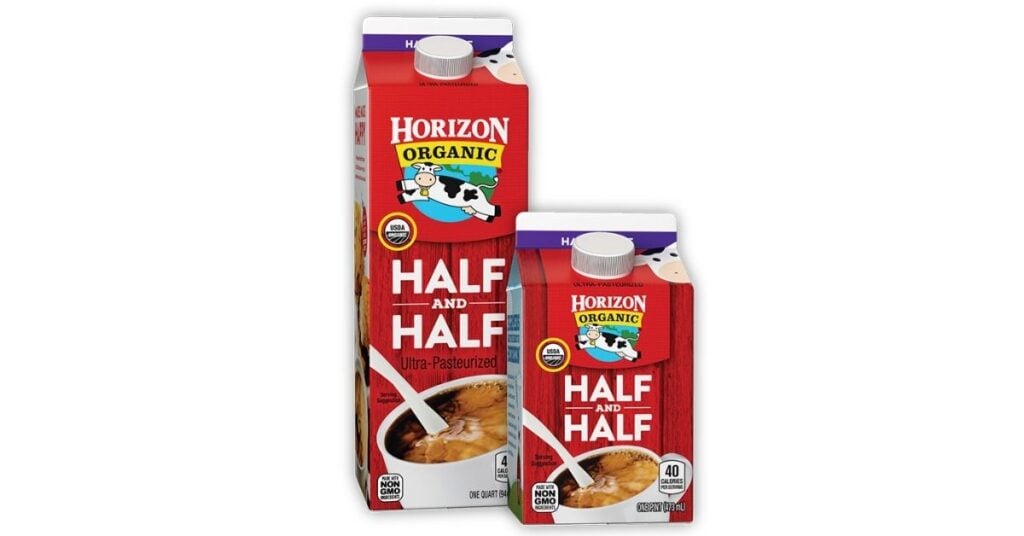
Yes, half and half can substitute for milk in many recipes if you thin it with water or adjust fat, but it changes richness and baking texture.
You reach for coffee, cereal, or a quick sauce and realize the milk carton is close to empty, while a fresh carton of half and half sits in the fridge. The big question pops up: can half and half stand in for milk without wrecking the recipe?
This guide walks through when using half and half instead of milk works well, when it backfires, and how to adjust ratios so your dishes still taste and look right.
What Half And Half Is Compared To Milk
Half and half is a blend of whole milk and cream. In the United States it usually sits between about 10.5 and 18 percent milkfat, while standard whole milk sits near 3.25 percent milkfat under federal rules.
The U.S. Food and Drug Administration defines beverage milk in detail, including minimum milkfat and milk solids, in its standard of identity for milk. Half and half falls under cream products, not this milk category, yet many people still pour it into drinks as a milk replacement.
Nutrient databases such as USDA FoodData Central show that half and half delivers more calories and fat per tablespoon than whole milk, with similar protein and sugar content. That extra fat brings a silky mouthfeel and more body.
| Liquid | Typical Fat Range | Common Kitchen Use |
|---|---|---|
| Whole Milk | About 3.25% | Drinking, baking, sauces |
| Reduced Fat Milk (2%) | About 2% | Drinking, lighter baking |
| Low Fat Milk (1%) | About 1% | Drinking, smoothies |
| Skim Milk | 0–0.5% | Drinking, diet recipes |
| Half And Half | 10.5–18% | Coffee, richer sauces, some baking |
| Light Cream | 18–30% | Pouring over desserts, coffee |
| Heavy Cream | 36%+ | Whipped cream, ganache, ice cream base |
Nutrition Snapshot Of Half And Half Vs Milk
Per tablespoon, half and half often has about two to three times as much fat as whole milk and roughly double the calories. Protein stays low in both, since a tablespoon is a small serving.
In coffee or tea, that extra richness can feel pleasant. In recipes that already contain butter, cheese, or oil, swapping large amounts of milk for half and half can push the dish into heavy territory fast.
Can Half And Half Substitute For Milk? Daily Kitchen Uses
Now to the core question: can half and half substitute for milk? In day to day cooking the answer often leans toward yes, as long as you adjust either volume or water so the total fat level stays close to what the recipe expects.
Think about how the original recipe uses milk. When milk just enriches or adds moisture, half and half can step in with little trouble. When milk structure affects rise, crumb, or setting, the swap needs more care.
Using Half And Half In Coffee, Tea, And Cocoa
In hot drinks, half and half works as a direct stand in for milk. Add the same splash to coffee or tea and you will get a creamier taste with a thicker feel on the tongue. In hot chocolate, you can mix half and half with water or brewed coffee so the drink stays easy to sip and not heavy.
Half And Half In Creamy Soups And Sauces
Many soups, gravies, and pan sauces finish with a pour of milk for body. Here half and half can replace milk one for one, especially when the quantity stays modest. The extra fat helps carry flavor and gives a glossy surface.
For larger volumes, such as chowders or cream based tomato soup, a full swap may feel too rich or may leave a layer of fat on top. A simple trick is to replace each cup of milk with two thirds cup half and half plus one third cup water. The taste stays round while total fat lands between whole milk and half and half.
Scrambled Eggs, Omelets, And Savory Dishes
Many cooks add a splash of milk to scrambled eggs or quiche custard. Half and half works here, and some people even prefer it. Use the same volume for scrambled eggs. For baked egg dishes, reduce any added butter or cheese a little when you swap in half and half, so the final slice cuts clean instead of greasy.
Half And Half Instead Of Milk In Baking
Baking reacts more sharply to dairy changes than stovetop dishes. Fat level, water content, and even how the liquid coats flour change the crumb and rise.
When you ask whether half and half can stand in for milk in baked goods, think about the recipe goal. Tender cake or muffin batter can handle extra fat better than lean sandwich bread.
When Half And Half Works Well In Baking
Quick breads, muffins, pancakes, waffles, and rich cakes often turn out well with half and half. The added fat softens the crumb and can give deeper color on the crust. If the recipe already includes several tablespoons of butter or oil, you can often swap half and half for milk one for one.
Drop biscuits and scones also handle this swap well. The dough feels slightly softer, so chilling before baking helps hold shape. In brownies and blondies that call for a splash of milk, half and half rarely causes problems since flour and eggs do most of the structural work.
When Half And Half Causes Problems
Lean yeast breads and sandwich loaves rely on a careful balance between water and fat. Extra fat from half and half coats flour particles and can slow gluten development. That may lead to dense loaves or sluggish rise.
Custards and puddings thickened with starch also care about dairy fat level. Too much fat can cause separation, with a slick layer rising to the surface. When a custard recipe calls for milk and you swap in half and half, thinning it first with water is safer than pouring it in straight.
This is where a small change in method pays off. Mix half and half with water before you pour it into the batter or custard base, so the blend acts more like milk during heating.
Simple Dilution Ratios For Baking Swaps
When you want half and half to behave more like whole milk, use this starting point:
- For 1 cup of whole milk, mix 2/3 cup half and half with 1/3 cup water.
- For 1 cup of low fat or skim milk, mix 1/2 cup half and half with 1/2 cup water.
This still gives a richer result than milk alone, just not as heavy as straight half and half. If a recipe feels too dense on the first try, add a tablespoon or two of extra water next time.
Half And Half As Milk Substitute In Drinks And Breakfast
Cold cereal with pure half and half tastes lush but can feel heavy after a few bites. Many people pour some half and half into the bowl, then top with cold water or a little regular milk to loosen the texture.
In smoothies, half and half can replace part of the milk for a dessert like treat. Blend fruit, a small splash of half and half, and water or ice. The drink still pours easily and fruit stays in the spotlight.
Hot chocolate, chai, and flavored lattes work well with a half and half blend. Heat it slowly and avoid boiling, since high heat can cause a thin skin or slight curdling in drinks with acid such as coffee or cocoa.
| Recipe Type | Swap Feasibility | Adjustment Tip |
|---|---|---|
| Coffee Or Tea | Works | Use half and half straight for extra creaminess. |
| Creamy Soups | Works With Care | Use 2/3 half and half and 1/3 water. |
| Pan Sauces | Works | Swap one for one, then taste and thin if needed. |
| Quick Breads And Muffins | Works | Swap one for one or slightly dilute if crumb feels dense. |
| Yeast Breads | Risky | Thin half and half and monitor dough softness. |
| Custards And Puddings | Risky | Blend with water to avoid separation. |
| Cereal And Cold Drinks | Works | Mix with water or milk for lighter texture. |
Health, Dairy Tolerance, And Label Check Tips
From a dairy tolerance angle, milk and half and half behave in a similar way. Both come from cow milk and both contain lactose. Anyone with lactose intolerance or a dairy allergy should talk with a health professional before swapping one for the other.
Some half and half products include stabilizers or added sugar. Reading the ingredient list helps you understand what goes into your recipe beyond fat and protein. Plain products with just milk and cream keep flavor neutral for both sweet and savory dishes.
If you count calories or track saturated fat, half and half raises both compared with using milk. That does not mean it has no place in your kitchen. Smaller portions or partial swaps keep recipes satisfying while still staying in line with your own nutrition goals.
How To Decide When Half And Half Can Replace Milk
By now the pattern should feel clear. Whenever you ask, “can half and half substitute for milk?”, run through a quick mental checklist before you pour.
Step 1: Ask What The Milk Does
Check whether milk just moistens or flavors the dish, or whether it shapes texture. Coffee, tea, and many sauces simply need flavor and a bit of body. Yeast doughs and delicate custards depend on milk for hydration as well as flavor.
Step 2: Match Or Adjust The Fat Level
If the dish already contains a lot of fat from butter, cheese, cream cheese, or oil, thinning half and half with water protects the balance. In lean recipes, a straight swap may taste pleasant and still bake or cook as intended.
Step 3: Start Small, Then Tweak
For brand new recipes, try half and half in a small test batch. Note how the crumb, thickness, and flavor change. Then adjust water, baking time, or added fat next time so the result lines up with your taste.
Handled with these steps, half and half can stand in for milk across a wide range of drinks, baked goods, and savory dishes. With a little dilution and attention to fat balance, you can stretch the dairy you have on hand and still bring reliable results to the table.
