
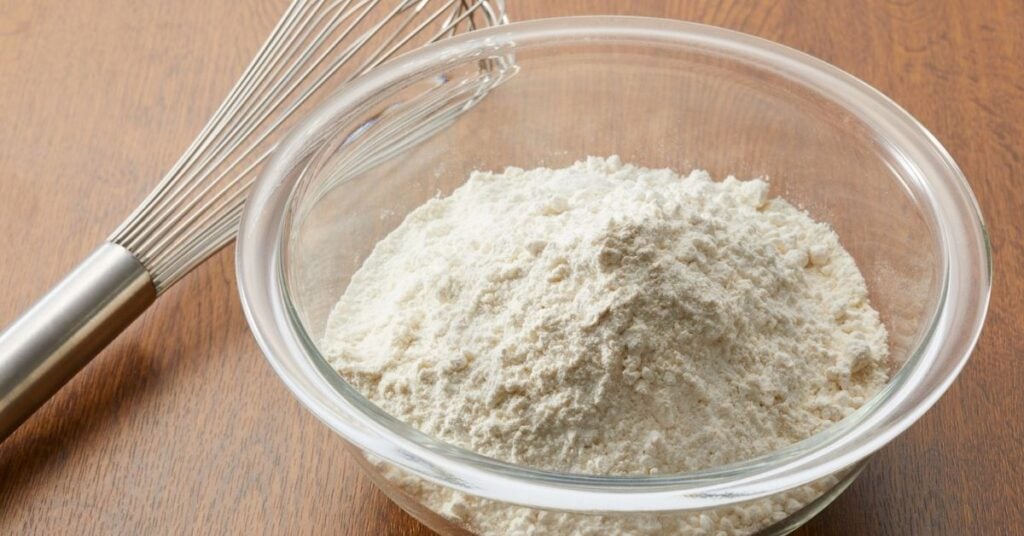
Yes, gluten free all purpose flour can replace regular flour in many recipes when you match the right blend, ratio, and method.
Home bakers ask this question all the time: can gluten free all purpose flour be substituted for flour? The short answer is that many modern gluten free all purpose blends are designed for one-to-one swaps, especially in cookies, cakes, muffins, and pancakes. Still, gluten free flours behave differently from wheat, so results depend on the recipe style, the brand you use, and how you tweak moisture and structure.
This guide walks through when a gluten free all purpose flour swap works with almost no changes, when you need adjustments, and where a standard all purpose gluten free blend simply is not the best choice. You will see clear tables, step-by-step testing advice, and practical troubleshooting so you can bake with confidence, whether you avoid gluten for medical reasons or you bake for someone who does.
Can Gluten Free All Purpose Flour Be Substituted For Flour? Baking Outcomes
Many commercial gluten free all purpose blends are sold as “1:1” or “measure-for-measure.” Brands design these mixes so you can use one cup of gluten free flour in place of one cup of wheat flour, at least in basic cakes, muffins, quick breads, and similar batters. Bakers and recipe developers report that these blends usually work well for softer, moister baked goods where gluten is less important for structure.
Yeast breads, pizza dough, and flaky pastry tell a different story. Wheat flour relies on gluten strands for stretch and chew. When you swap in a gluten free mix, you lose that built-in structure. The result can feel dense, crumbly, or gummy if you do not adjust hydration, binding, and bake time. Some recipes need eggs, psyllium husk, or extra fat to help mimic the network gluten usually provides. Many bakers keep a separate gluten free bread flour or bread-specific recipe instead of using an all purpose mix for loaves.
Sauces, gravies, and batters without much lift treat gluten free all purpose flour kindly. You can often whisk the same volume into a roux, pancake batter, or tempura-style coating and reach a smooth result with only minor tweaks. In these cases, flavor and mouthfeel matter more than a tall rise, so a straightforward swap makes sense.
| Recipe Type | Swap 1:1? | Tips For Better Results |
|---|---|---|
| Drop Cookies | Usually yes | Chill dough; bake a test cookie to check spread. |
| Cakes & Cupcakes | Often yes | Use eggs, avoid over-mixing, let batter rest 10 minutes. |
| Muffins & Quick Breads | Often yes | Add a bit more moisture, keep mix-ins small and even. |
| Pancakes & Waffles | Usually yes | Rest batter so starch hydrates and texture smooths out. |
| Yeast Bread Loaves | Rarely straight swap | Use gluten free bread recipes with extra binders and water. |
| Pizza Dough | Needs recipe changes | Use higher hydration and a mix built for pizza crust. |
| Pie Crust & Pastry | Sometimes | Keep fat cold, work fast, and expect a more tender, fragile crust. |
| Roux, Gravies & Sauces | Often yes | Brown the flour gently and add liquid gradually to avoid lumps. |
Plenty of gluten free bakers eat this way due to celiac disease or gluten sensitivity, so food safety sits beside texture. In the United States, foods labeled “gluten-free” must meet an FDA standard of less than 20 parts per million of gluten, which helps shoppers rely on package claims. The FDA’s guidance on gluten and food labeling outlines these limits in detail.
How Gluten Free All Purpose Blends Behave
Gluten free all purpose flour is not a single flour. It is a blend of several flours and starches crafted to act like wheat all purpose flour in everyday baking. Common ingredients include white or brown rice flour, sorghum flour, potato starch, tapioca starch, and sometimes millet or oat flour. Many blends also include xanthan gum or guar gum, which act as binders to hold air and moisture inside the crumb.
These ingredients each bring their own quirks. Rice flour can taste mild but may feel slightly gritty if the grind is coarse. Starches lighten the blend and help with crisp edges yet can turn baked goods gummy when the ratio climbs too high. Sorghum and millet add flavor and color, which works nicely in rustic muffins or pancakes but might stand out in a plain white cake. Because companies choose their own ratios, two bags labeled “gluten free all purpose” can behave quite differently.
Wheat flour contains proteins that form gluten when you mix dough with water. Gluten traps gas from yeast or baking powder and stretches as the product rises. Gluten free blends skip these proteins, so they depend on gums, eggs, and starch to trap gas instead. This is why batters and doughs made with gluten free all purpose flour often seem thicker, stickier, or looser than what you expect from wheat recipes; they are building structure in another way.
Texture Changes You Can Expect
Even with a well-designed gluten free blend, cakes and breads often rise a bit less than their wheat cousins. Crumbs tend to be more tender and delicate, and slices may crumble more easily, especially when warm. Cookie edges can crisp nicely, yet centers may feel soft or chewy in a different way. Swaps in muffins and snack cakes generally succeed because extra fruit, yogurt, or oil keeps everything moist and forgiving.
Gluten free doughs do not like rough handling. Stirring and kneading create stretch in wheat dough, but the same moves can knock air out of gluten free mixtures without adding strength. Gentle folding and short mix times usually lead to better bakes. Resting batters for ten to twenty minutes before baking gives starches time to absorb liquid, which often improves crumb and reduces grittiness.
Substituting Gluten Free All Purpose Flour In Everyday Baking
This section looks at where a one-to-one substitution shines and where you need a plan. When you ask, “can gluten free all purpose flour be substituted for flour?” in a specific recipe, think about moisture, rise, and how much structure you need. Soft batters with plenty of liquid and fat are the easiest place to start, while tall loaves and intricate pastries sit near the harder end of the spectrum.
Best Fits For One-To-One Swaps
Brownies, snack cakes, banana bread, pancakes, waffles, and many cookie recipes handle a straight swap well with a good 1:1 blend. These batters are already rich in eggs, oil or butter, sugar, and liquids that help keep the crumb tender. With these styles, you can usually replace the wheat all purpose flour cup for cup, mix just until combined, rest the batter briefly, and bake.
Sheet cakes and cupcakes baked in liners also tend to behave nicely, since they do not need to rise as tall as a big layered cake. Bars and blondies, where a slightly fudgy texture feels welcome, give even more room for success. When you move into recipes that depend on a strong, stretchy dough, such as cinnamon rolls or braided loaves, a simple swap becomes less reliable.
Recipes That Need Extra Adjustments
Standard all purpose gluten free blends struggle with classic sandwich bread, braided loaves, pizza crust, and laminated pastry. These recipes lean heavily on gluten to trap gas over a long rise and to stretch without tearing. To convert them, bakers often raise hydration, add psyllium husk or ground flaxseed for extra binding, and shift to specialized gluten free bread flour or tested gluten free bread recipes.
Pie crust can work with gluten free all purpose flour, yet the dough feels different under your hands. It may crack more while rolling and can dry out faster. Keeping fat cold, adding a bit more water than you expect, and rolling between sheets of parchment all help. Many bakers also chill shaped crusts before baking to reduce shrinking and improve flakiness.
Managing Liquids, Fats, And Binders
Gluten free blends often absorb liquid differently from wheat flour. Some pull in more water and need an extra tablespoon or two of milk, oil, or eggs to keep the crumb moist. Others already contain a large share of starch and may turn gummy if you add too much liquid. A safe starting point is to follow the original recipe, swap the flour one-to-one, then adjust liquid upward in small splashes if the batter looks much thicker than usual.
Binders matter as well. Many blends already contain xanthan gum. If your blend includes gum, you rarely need to add more. If it does not, recipes such as sandwich bread, pizza dough, and tender cookies may benefit from a small amount. Too much gum leads to a bouncy or rubbery bite, so light dosing is best. Some bakers prefer natural binders such as ground psyllium husk or flaxseed, which can improve sliceability and keep crumbs from crumbling.
When you bake for someone with celiac disease or gluten sensitivity, certified gluten free ingredients are essential for safety. The Celiac Disease Foundation explains that “gluten-free” labels must meet standards based on FDA rules, so shoppers can rely on that wording when picking flours and mixes. Their article on the law behind the gluten-free label gives helpful background on the 20 ppm limit and how it protects those who cannot tolerate gluten.
Step-By-Step Method For A New Gluten Free Flour Swap
Every gluten free all purpose blend has its own character. A simple method keeps experiments under control and protects both ingredients and your time. This approach works whether you bake for yourself or for a guest who needs gluten free food on a regular basis.
Start With The Bag Instructions
Many gluten free flour brands print clear substitution advice on the package. Some say “1:1 replacement for all purpose flour,” while others list recipe types that work best. Read that guidance, then choose a recipe that matches. A trusted muffin, brownie, or sheet cake from your own recipe box makes a great test case because you already know how the wheat version should look and taste.
Run A Small Trial Batch
- Pick a recipe that you know well and cut it in half or even to one-third size.
- Swap wheat flour for gluten free all purpose flour using the same measuring method (ideally by weight).
- Mix batter just until no dry spots remain, then rest it for ten to twenty minutes.
- Bake as directed but start checking a few minutes early, since some gluten free bakes brown faster.
- Assess color, rise, crumb, and taste once cooled, not just straight from the oven.
After that first test, you can adjust one variable at a time. You might add a tablespoon of milk if the crumb seems dry, raise bake time slightly if the center feels underdone, or drop oven temperature by a small amount if edges darken too quickly. Keeping notes helps you refine the swap until the gluten free version earns a regular place in your kitchen.
Gluten Free Flour Swap Problems And Fixes
Even skilled bakers run into the same handful of issues when swapping gluten free all purpose flour for wheat flour. Crumbs can crumble, centers can sag, and textures can feel sandy or rubbery. When you wonder again whether can gluten free all purpose flour be substituted for flour in that stubborn recipe, this table acts as a quick repair guide.
| Problem | Likely Cause | Adjustments To Try |
|---|---|---|
| Dry, Crumbly Texture | Too little liquid or fat | Add 1–3 tbsp extra liquid or a bit more oil or butter. |
| Gummy Or Sticky Center | Too much starch or liquid | Cut liquid slightly, bake longer at a slightly lower heat. |
| Dense, Low Rise | Weak structure, old leavening | Use fresh baking powder, add an egg, avoid over-mixing. |
| Gritty Mouthfeel | Coarse rice flour, short rest | Rest batter longer so flour hydrates; try a finer blend. |
| Cookies Spread Too Much | High sugar or fat, warm dough | Chill dough, add a spoon of flour, bake on cool pans. |
| Edges Brown, Center Pale | Oven heat high, dark pan | Lower oven temperature slightly, use light-colored pans. |
| Bread Won’t Slice Cleanly | Not enough binders, sliced too warm | Add psyllium or gum next time, cool fully before slicing. |
Gluten free baking rewards patience and small changes. Start with recipes that already lean moist and forgiving, use a proven gluten free all purpose blend, and keep your first batch small. Once you see how your chosen flour behaves with your favorite recipes, you can branch out to taller cakes, rustic loaves, and more fragile pastries. With practice, gluten free versions can share the table with wheat bakes so everyone enjoys similar textures and flavors, even when ingredients differ behind the scenes.
