
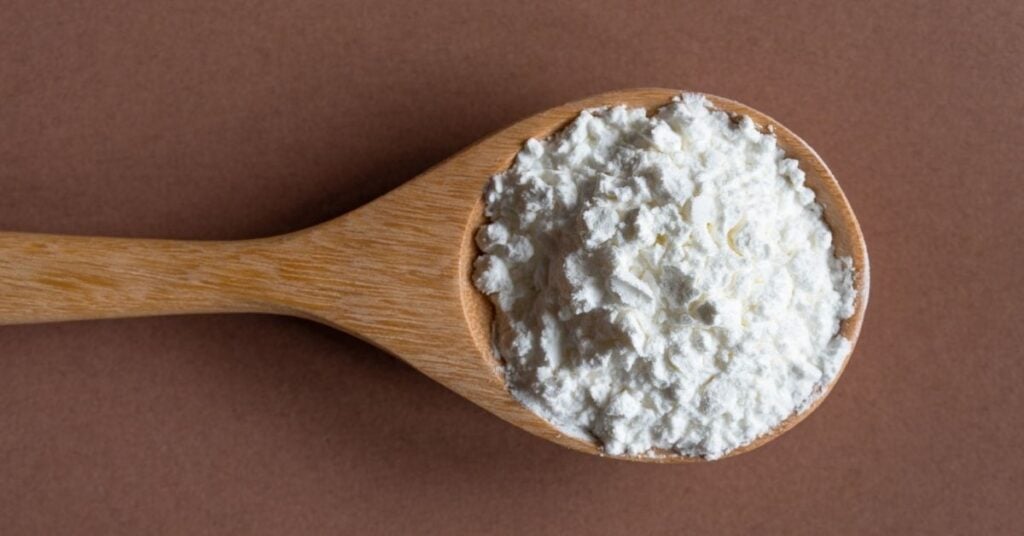
Cornstarch can substitute for flour in many sauces and coatings when you adjust the ratio, but it can’t replace flour in most baked goods.
You grab a recipe, spot flour in the thickening step, and realise you only have cornstarch in the cupboard. The question jumps straight to mind: can cornstarch substitute for flour? The short answer for home cooking is “sometimes, and with limits”. Cornstarch shines in smooth sauces and crisp coatings. Flour still carries the load in bread doughs and most cakes.
This article walks through where a cornstarch swap works, where it falls flat, and how to pull off the substitution without lumps or cloudy gravy. By the end, you’ll know when that box of fine white powder can stand in for flour and when it’s better to stick with the original ingredient.
Can Cornstarch Substitute For Flour? Everyday Kitchen Answer
When people ask can cornstarch substitute for flour?, they usually mean one of three things: thickening a liquid, coating food for frying, or baking. In the first two, cornstarch often does a great job. In baking, the picture changes, because flour provides structure as well as thickening.
Pure cornstarch is almost all starch. All-purpose flour holds starch plus protein (gluten), bran, and other components. That extra protein is why flour forms chewy bread and tender cake crumb, while cornstarch alone cannot. It also explains why the substitution ratio is not one-to-one when you use cornstarch instead of flour in sauces.
As a rule of thumb, cornstarch has roughly twice the thickening power of flour. So if a sauce recipe asks for 2 tablespoons of flour, you’ll usually need about 1 tablespoon of cornstarch to reach the same thickness.
Cornstarch Vs Flour At A Glance
| Kitchen Use | Better Choice | Quick Reason |
|---|---|---|
| Pan Gravies | Flour Or Cornstarch | Flour gives opaque, hearty gravy; cornstarch gives glossy, lighter texture. |
| Clear Sauces And Glazes | Cornstarch | Creates clear, shiny finish without floury taste. |
| Creamy Soups | Flour | Flour thickens and adds body that stands up to reheating. |
| Fruit Pie Fillings | Cornstarch | Thickens juicy fillings without making them pasty when used correctly. |
| Fried Chicken Or Fish Coating | Cornstarch Or Mix | Pure cornstarch or a blend with flour yields a crisp, light crust. |
| Yeast Breads | Flour | Gluten in flour builds structure that cornstarch cannot provide. |
| Cakes, Muffins, Cookies | Flour (With Some Cornstarch) | Cornstarch can soften crumb, but flour still forms the base. |
So in thickening and frying, cornstarch often works as a swap with the right ratio. In baked goods, it usually plays a supporting role rather than taking over from flour completely.
When Cornstarch Can Substitute For Flour In Cooking
There are plenty of situations where cornstarch gives you a clean, dependable stand-in for flour. The key is matching the method and the ratio to the dish in front of you.
Thickening Sauces, Soups, And Gravies
Cornstarch is a classic thickener for pan sauces, stir-fry sauces, and many gravies. Because it gels at a lower temperature than flour and has more thickening power, you use less and still reach the same nap on the back of a spoon.
Many test kitchens suggest using about half as much cornstarch as flour for the same volume of liquid. For instance, if a gravy recipe lists 1/4 cup flour for 2 cups of pan juices, plan on about 2 tablespoons cornstarch instead. Mix it with cool water to make a smooth slurry, then stir that into the hot liquid near the end of cooking for a glossy finish. Guidance from established cooking sites such as Better Homes & Gardens on thickening with cornstarch and flour lines up with this half-as-much rule and reminds cooks that freezing cornstarch-thickened sauces can weaken the gel.
For creamy soups, flour often remains the better pick because it tolerates longer cooking and reheating. Cornstarch-thickened soups can thin out or turn slightly slick if boiled hard or held at high heat for a long stretch.
Stir-Fry Sauces And Clear Glazes
Cornstarch shines in quick stir-fry sauces and clear glazes for vegetables or meats. In these dishes, cooks usually want a transparent, shiny coating that clings without clouding the colours of the ingredients. Flour can make these sauces dull and slightly grainy, while cornstarch stays clear when handled correctly.
Use that same half-ratio idea, but add the slurry only after your other seasonings are in the pan. Bring the sauce just to a gentle simmer, stir for a minute to activate the starch, then pull it off the heat so it sets into a smooth coating rather than breaking down.
Crispy Fried Coatings
Fried chicken, fish, tofu, or vegetables can all benefit from a cornstarch coating. Cornstarch browns nicely and forms a thin, shattery crust that absorbs less oil than a heavier flour dredge.
You can dredge directly in seasoned cornstarch or mix cornstarch with flour in about a 50:50 blend. That way, you keep some wheat flavour while gaining the crispness that cornstarch brings. Many cooks also toss cornstarch with spices and salt, then roll damp ingredients in the mix just before frying for a light, crunchy finish.
Small Gluten-Free Baking Tweaks
While cornstarch cannot replace flour in regular cake or bread recipes, it does show up inside gluten-free flour blends. It lightens the texture and softens crumb in cakes and cookies when used alongside other starches and gluten-free flours. If you bake gluten-free, your blend may already rely on cornstarch as one of several starch components.
That said, lifting flour out of a wheat-based cake recipe and dropping in straight cornstarch will not work. You would lose the gluten network that traps gas and holds the cake together.
Where Flour Still Beats Cornstarch
In some recipes, flour does more than thicken. It builds structure through gluten, bonds with fat, and reacts with leavening. In those spots, cornstarch cannot fully stand in for flour, no matter how carefully you stir.
Breads And Yeast Doughs
Yeast breads, pizza doughs, and many rolls depend on wheat flour’s gluten for chew and lift. Cornstarch has almost no protein, so it cannot stretch and trap bubbles the way flour can. If you swapped all the flour for cornstarch here, you would end up with a dense, crumbly brick.
In bread recipes, cornstarch might appear in a dusting layer or in a light coating on the surface, but it does not stand in for the main flour component.
Cakes, Muffins, And Cookies
Many bakers add a little cornstarch to cake flour blends to soften texture, yet the bulk of the recipe still uses wheat flour. Cornstarch on its own cannot create the tender yet resilient crumb that holds slices and crumbs together.
If you see a recipe that uses cornstarch to replace part of the flour, treat it as a carefully tested formula rather than a general rule. Dropping cornstarch into a random cake recipe in place of flour often leads to sunken centres, gummy patches, or cakes that fall apart when sliced.
Batters That Need Structure
Pancakes, waffles, and quick breads need some gluten strength as well. A small amount of cornstarch can make pancakes softer, but flour still does the main job of holding the batter in shape on the griddle.
In short, whenever a batter or dough rises in the oven or on the stove, flour usually stays in charge. That’s why recipe writers rarely suggest a full one-to-one swap of cornstarch for flour in those dishes.
How To Swap Cornstarch For Flour Step By Step
When you do decide that cornstarch can replace flour in a sauce or coating, a simple process keeps the texture smooth and the flavour clean.
Step-By-Step Method For Sauces And Gravies
- Check The Recipe: Confirm whether the flour is only there to thicken. If flour also forms a roux that cooks for a long stretch with fat, picture how that flavour will change when you switch to cornstarch.
- Set The Ratio: Use about half as much cornstarch as the stated flour amount. If the dish ends up too thin, you can mix a bit more slurry later.
- Make A Slurry: Stir cornstarch with a small amount of cool water, stock, or milk until smooth. Dry cornstarch dropped straight into hot liquid clumps almost instantly.
- Add Near The End: Bring the sauce to a gentle simmer, then whisk in the slurry slowly. Keep the heat on until the mixture turns glossy and thick.
- Avoid Hard Boiling: Once thick, lower the heat. Hard boiling or long simmering can weaken the starch gel and thin the sauce again.
- Season At The End: Taste and adjust salt, acid, or sweetness after the sauce reaches final thickness, since flavour perception shifts with texture.
This process lines up with advice from nutrition-oriented cooking sources such as Verywell Fit, which stress mixing cornstarch with cold liquid first and boiling briefly to activate the starch while avoiding excessive heat that can break it down.
Cornstarch Substitution Ratios By Recipe Type
| Recipe Type | Flour In Original Recipe | Cornstarch Substitute |
|---|---|---|
| Pan Gravy | 2 tbsp Flour For 2 Cups Liquid | 1 tbsp Cornstarch Slurry |
| Stir-Fry Sauce | 2 tbsp Flour For 2 Cups Sauce | 1 tbsp Cornstarch Slurry |
| Creamy Pasta Sauce | 3 tbsp Flour For 2 Cups Milk | 1½ tbsp Cornstarch Slurry |
| Fruit Pie Filling | 1/4 Cup Flour For 4 Cups Fruit | 2 tbsp Cornstarch Slurry |
| Clear Meat Glaze | 2 tbsp Flour | 1 tbsp Cornstarch Slurry |
| Vegetable Stir-Fry Glaze | 2 tbsp Flour | 1 tbsp Cornstarch Slurry |
| Simple Pan Sauce | 1 tbsp Flour Per 1 Cup Stock | 1½ tsp Cornstarch Slurry |
Treat these substitution ratios as starting points, not rigid rules. Different flours, cooking times, and liquid types all change the final thickness, so a little tweaking by eye still matters.
Nutrition And Diet Notes On Cornstarch And Flour
From a nutrition angle, cornstarch and all-purpose flour do not look the same on paper. Cornstarch is almost pure starch, with barely any fibre or protein. According to data collected in USDA FoodData Central, a tablespoon of cornstarch delivers roughly 30 calories, nearly all from carbohydrate.
Flour, on the other hand, brings some protein, trace minerals, and in enriched products, added B-vitamins. When you swap cornstarch for flour in small amounts to thicken sauces, the overall nutrition profile of the dish does not swing wildly. In breads, cakes, and other baked goods, though, the flour portion contributes much more than thickening; it affects protein content, fibre, and satiety.
People avoiding gluten often turn to cornstarch-based blends to thicken sauces and fillings, since pure cornstarch contains no gluten. As always, those following a strict gluten-free pattern should check packaging and cross-contact statements for each product they buy.
Quick Troubleshooting And Pro Tips
Even a simple cornstarch swap can go sideways if the pan is too hot or the ratio slips off. These quick tips keep your sauces and coatings on track.
Prevent Lumps
- Always stir cornstarch with cool liquid before it meets heat.
- Add the slurry slowly while whisking, rather than dumping it in one go.
- If lumps form, strain the sauce through a fine mesh sieve while still warm.
Control Thickness
- Start with slightly less cornstarch than you think you’ll need; you can add more slurry later.
- If the sauce turns too thick, whisk in warm liquid a spoonful at a time.
- Keep in mind that cornstarch gels more as it cools, so check texture after a minute off the heat.
Handle Reheating And Storage
- Reheat cornstarch-thickened sauces gently over low heat to avoid breakdown.
- Avoid freezing sauces that rely on cornstarch; thawing often leads to weeping and a grainy mouthfeel.
- Store leftovers in shallow containers so they chill quickly and maintain better texture.
Bringing It All Together For Everyday Cooking
So, can cornstarch substitute for flour? In many sauces, gravies, stir-fries, and fried coatings, yes, as long as you cut the amount in half and use a slurry. In breads, cakes, and other baked goods where flour provides structure, cornstarch cannot step in alone.
Once you understand where cornstarch excels and where flour still rules the roost, that last-minute pantry swap stops feeling like a gamble. Instead, you can treat cornstarch and flour as two different tools, each with strengths you can tap whenever a recipe or craving calls.
