
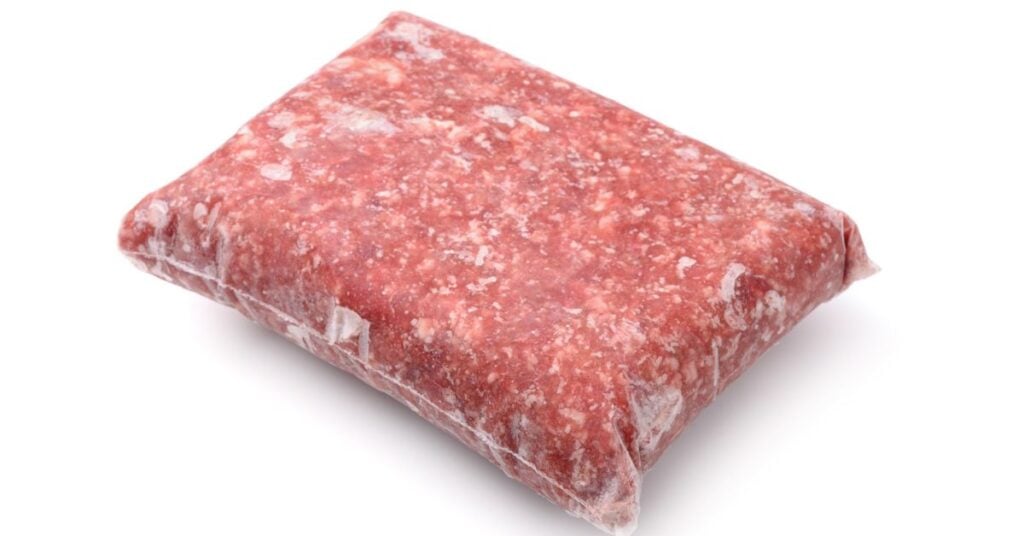
The safest way to thaw ground beef is in the refrigerator; cold water and microwave methods work when you cook the meat right away.
When you pull a block of frozen ground beef from the freezer, you want a method that keeps flavor and stays food safe. This guide lays out the refrigerator method first, then two faster options. You will see steps, timing, and when to cook or refreeze.
Best Way To Thaw Frozen Hamburger Meat: Refrigerator Wins For Safety And Quality
The refrigerator method keeps meat below 40°F, which slows bacterial growth. It also buys you time: once thawed, the beef can stay in the fridge for one to two days before cooking. That buffer helps with meal timing and reduces waste. It is the best fit for flavor and texture because the temperature shift is gentle, so fewer juices are lost.
Step-By-Step: Refrigerator Thaw
- Place the unopened package on a rimmed plate to catch any drips.
- Set it on the bottom shelf to avoid contact with ready-to-eat food.
- Allow roughly 24 hours for each pound; thin, flat packs thaw faster.
- After thawing, cook within 1–2 days or refreeze if plans change.
Why this works: the meat never enters the danger zone where bacteria multiply fast. Because the process is slow, the fibers relax and hold moisture better once cooked.
Time And Temperature Benchmarks
Use these practical figures to plan your shopping and weeknight cooking.
| Method | Typical Time | Notes |
|---|---|---|
| Refrigerator | ~24 hours per pound | Best quality; cook within 1–2 days after thawing |
| Cold Water (bagged) | ~1 hour per pound | Change water every 30 minutes; cook right away |
| Microwave (defrost) | 5–10 minutes per pound | Cook immediately; edges may warm |
| From Frozen (cook) | About 1.5× normal time | Safe when cooked to 160°F |
| Countertop | Not safe | Meat warms above 40°F |
| Hot Water | Not safe | Uneven warming; bacteria risk |
| Garage/Car/Basement | Not safe | Uncontrolled temps |
Authoritative guidance backs up these numbers and rules. USDA Food Safety and Inspection Service lists only three safe thawing options—refrigerator, cold water, and microwave—and warns against room-temperature thawing. The same source notes that food thawed with cold water or a microwave must be cooked right away, while refrigerator-thawed meat can be cooked within a day or two or refrozen for later.
For a second source on the same rules and the danger zone, see the FDA page on safe food handling, which aligns with the three safe methods and urges you to avoid the counter.
Thawing Frozen Hamburger Meat The Right Way When You Are Short On Time
Need speed? Use cold water or a microwave. Both bring ground beef from rock solid to ready in minutes, then go straight to the stove or oven. Here is how to run each one without quality slips.
Cold Water Method
- Seal the meat in a leak-proof bag to prevent water from getting in.
- Submerge in a bowl of cold tap water, weighing it down if needed.
- Change the water every 30 minutes to keep it cold.
- Estimate about an hour per pound; thin packages can finish sooner.
- Cook the beef as soon as it is pliable with no icy core.
This method is quick yet safe because the water pulls heat into the surface evenly while staying cold. The bag blocks water from washing away flavor. Keep the water cold and keep it moving with timely changes.
Microwave Method
- Place the package on a microwave-safe plate.
- Use the defrost setting by weight; rotate or flip halfway.
- Stop when the meat is flexible and only a few firm spots remain.
- Cook right away; the edges may be warm and need prompt heating.
The microwave shaves time but can create hot spots. Break the meat into chunks as soon as it softens and get it into a hot pan. Move and mash with a spoon to spread heat fast and keep texture tender.
Food Safety Corner: Temperatures, Refreezing, And Storage
Cook To A Safe Finish
Ground beef needs an internal temperature of 160°F (71°C). Use an instant-read thermometer and check in multiple spots near the center of the pan. Color alone is unreliable. Keep a clean thermometer, and sanitize the probe after readings to avoid cross-contact between raw meat and cooked food.
When Refreezing Is OK
If the meat thawed in the refrigerator and stayed cold, you can refreeze it without cooking. Quality may dip slightly, but safety is maintained. If you thawed with cold water or a microwave, cook it first before any refreeze. That step stops bacteria growth that may have started as the outer layer warmed. USDA’s Q&A on refreezing thawed food spells out these limits clearly.
Fridge Timing After Thawing
Once thawed in the refrigerator, you have one to two days before cooking. Leftovers keep three to four days in the fridge. Label dates so you can plan meals with confidence and avoid waste.
Best Way To Thaw Frozen Hamburger Meat In Real-World Kitchens
Here are everyday scenarios with practical picks. Each one keeps safety first and trims stress on busy nights.
Morning Planner
Move a one-pound pack from freezer to the fridge before work. It will be ready to cook at dinner. If it is a thick brick, press it flat inside a bag before freezing next time; thin packs thaw faster and brown more evenly.
Last-Minute Taco Night
Forgot to plan? Drop the sealed beef in cold water and refresh the water on the half hour. While it thaws, set out tortillas, chop toppings, and heat your pan. Cook the beef as soon as it is soft.
From Freezer Straight To Pan
No time to thaw? Start in a skillet over medium heat. Add the frozen slab, cover for a minute to loosen the edges, then scrape and flip. Keep breaking the meat as it softens. Expect the cook time to run about one and a half times longer than normal, so give it a little patience and let the thermometer guide your finish.
If you are ever unsure about timing, choose the fridge path. The best way to thaw frozen hamburger meat should never trade safety for speed, and this method keeps the meat cold from start to finish.
Quality Tips That Keep Flavor And Texture
Flatten Before Freezing
Press fresh ground beef into a thin rectangle inside a freezer bag, then freeze it flat. Thin shape means faster, more even thawing and quicker browning.
Protect Against Freezer Burn
Use heavy freezer bags or wrap tightly in plastic plus foil. Squeeze out air before freezing. Label weight and date so timing stays clear during thaw and cook days.
Keep Surfaces Clean
Place raw packages on a plate in the fridge and wash cutting boards and hands after contact. Small habits prevent cross-contact with ready-to-eat food. Sanitize sinks and faucets.
If Meat Starts To Brown During Microwave Thaw
Pause the cycle and separate the warmed edges from the firm center. Move those warmer bits straight to a hot pan to start browning. Return the still-firm center to the microwave in short bursts, rotating between bursts. This stops overcooking while keeping the process moving toward a safe, even cook.
Cold Water Vs. Microwave: Picking The Faster Path
Both fast methods end with immediate cooking, but they feel different in the kitchen. Use this quick table to pick based on your timeline and equipment.
| Factor | Cold Water | Microwave |
|---|---|---|
| Speed | Quick for 1 lb; scales with weight | Fastest for small packs |
| Hands-On Time | Low; change water every 30 min | Moderate; monitor for hot spots |
| Texture Control | Even thaw; stays cold | Edges can warm |
| Refreezing Option | Cook first before any refreeze | Cook first before any refreeze |
| Equipment | Bowl, cold tap water, bag | Microwave with defrost |
| Best Use Case | Dinner in an hour | Meal in minutes |
Frequently Missed Rules That Keep You Safe
Skip The Counter
Room-temperature thawing leaves the surface in the danger zone for too long. That raises the odds of bacteria growth even if the center still looks icy.
Cook Promptly After Fast Thaws
Cold water and microwaves are legitimate tools, but they end with the stove. Moving straight to heat keeps the process safe from end to end.
Use A Thermometer
Guessing by color misses the mark with ground beef. A quick temperature check takes seconds and removes doubt.
Quick Recipes That Work After Thawing
Weeknight Skillet Tacos
Brown the beef, drain, then season with chili powder, cumin, garlic, and a pinch of salt. Add a splash of water and simmer until glossy. Spoon into warm tortillas and add crisp lettuce, diced tomatoes, and a squeeze of lime.
Simple Burger Patties
Season the meat with salt and pepper. Form loose patties with minimal handling. Sear in a hot skillet or on a grill until the thermometer reads 160°F. Rest for a couple of minutes while you toast the buns.
Linking It All Together With Trusted Sources
For the rules on safe thawing methods, see the USDA page on safe defrosting. For storage times and cooking temperatures for ground beef, review USDA’s freezing and food safety.
Final Take: Safe, Tasty, And Stress-Free
The best way to manage frozen ground beef is simple: plan for the fridge when you can, switch to cold water or a microwave when time is tight, and cook to 160°F every time. Follow those guardrails, and the best way to thaw frozen hamburger meat becomes second nature.
References & Official Guidelines
For more specific regulations regarding safe thawing, refreezing, and food safety, please refer to the official sources cited in this guide:
- USDA Food Safety: The Big Thaw — Safe Defrosting Methods
- FDA Guidelines: Safe Food Handling
- USDA Storage: Freezing and Food Safety
