
21 smoker picks that actually help you nail clean smoke, steady heat, and juicy meat
If you’ve ever followed a “perfect” recipe and still ended up with dry chicken, bitter bark, or a smoker that drifts like a shopping cart with one wonky wheel… you’re not alone. Most guides obsess over square inches and ignore the stuff that determines whether your food tastes like a backyard legend or a campfire accident.
I built this list differently. I used your Amazon listings and real-owner reviews as the core truth, then wrote the guide the way a practical pit buddy would explain it: what matters, what breaks your cook, and how each smoker behaves after the honeymoon phase. Because the reality is simple—best rated smokers aren’t “the biggest” or “the fanciest.” They’re the ones that make it easy to repeat good results.
You’ll see pellet grills that can feed a crowd, compact electrics that smoke without drama, propane cabinets that keep going when electronics get moody, and charcoal rigs that teach you “the zen” without punishing you. And yes—there’s a legit indoor option for apartments that still gives you real wood smoke flavor.
How to use this guide fast
- In a hurry? Jump to the comparison table and pick your “best match.”
- New to smoking? Read the “How to choose” section first—your food will improve instantly.
- Already smoke regularly? Use the product sections for the “quirks + pro tips” you won’t find on Amazon.
Table of contents
How to choose the Best Rated Smokers without getting tricked by specs
Here’s the shortcut most people never get: smoked food is a systems game, not a “features” game. You’re balancing four forces—heat stability, smoke production, airflow, and moisture management. A smoker that’s “bigger” but leaky, inconsistent, or annoying to refuel will quietly sabotage you.
1) Pick your fuel system based on the experience you actually want
- Pellet grills are the “most automatic” outdoor option: set temp, let the auger feed pellets, monitor with a probe. Great for brisket, ribs, pork shoulder—especially if you hate babysitting. Tradeoff: more moving parts and electronics.
- Electric cabinet smokers are the easiest “plug in and smoke” path. They excel at low-and-slow, and owners love the simplicity. Tradeoff: they often top out at lower temps, and smoke output can depend on how often the heating element cycles.
- Propane vertical smokers are the “steady workhorse” when you want simple heat control without electronics. Great in cold weather. Tradeoff: you still manage chips/wood, and you must respect airflow and chip pan behavior.
- Charcoal smokers give you that classic profile and teach real fire control. They can be surprisingly stable once dialed in. Tradeoff: learning curve and hands-on time.
- Indoor/stovetop smokers are for space-limited cooking. They’re fantastic for small batches and experimenting, but ventilation and heat discipline matter a lot.
2) Learn the “clean smoke” rule (this is the difference-maker)
“More smoke” is not the goal. Clean smoke is: light, steady, and not harsh. Thick white smoke often means smoldering with poor airflow and can lead to bitterness. The best smokers make it easier to keep smoke clean by holding temperature and feeding oxygen properly.
3) Don’t buy capacity you can’t realistically use
Bigger is only better if you’ll actually cook big. Large chambers need more fuel and more warm-up time, and they punish you when you keep opening doors. If you’re cooking for 1–3 people most nights, a compact pellet grill or a well-designed electric cabinet can be a better “daily driver.”
4) The hidden “make-or-break” features owners talk about
- Side chip loaders (electric cabinets): you add wood without dumping heat and smoke.
- Reliable probes: when done well, they prevent the “open the door every 20 minutes” trap.
- Door seals & leakage: some leakage is normal, but heavy leaks make temperature control harder and can waste fuel.
- Cleanup design: ash management (pellets/charcoal) and grease paths matter more than most people admit.
- Electronics reality: app control is awesome… until it isn’t. If you’ll lose sleep worrying about controllers, propane or analog setups might fit you better.
Quick Comparison of the Best Rated Smokers
| Model | Smoker type | Cooking area | Best match | Amazon |
|---|---|---|---|---|
| Traeger Pro 34 | Pellet grill / smoker | 884 sq in | Best overall “set & cook” pellet rig | Get link |
| Traeger Woodridge Pro | Smart pellet grill | 970 sq in | Big cooks + app control + “Super Smoke” | Get link |
| GE Profile Smart Indoor Smoker | Indoor electric + pellets for smoke | Countertop (3 racks) | Apartments / indoor smoking | Get link |
| Traeger Pro 22 | Pellet grill / smoker | 572 sq in | Smaller patios, steady results | Get link |
| Masterbuilt 40" ThermoTemp Propane | Propane vertical cabinet | 960 sq in | Big batches, cold-weather cooking | Get link |
| Pit Boss 500FB2 | Pellet grill with flame broiler | 518 sq in | Smoke + real sear option | Get link |
| Ninja Woodfire Pro OG751 | Electric outdoor grill/smoker/air fryer | 141 sq in grate | Small spaces, “all-in-one” cooking | Get link |
| EAST OAK Ridgewood Pro 30 | Electric vertical cabinet (stand + probe) | 725 sq in | Comfort-height electric smoker | Get link |
| Cuisinart CPG-256 | Portable pellet grill/smoker | 256 sq in | Tailgates / RV / compact pellet | Get link |
| Masterbuilt 30" Digital (Leg Kit) | Electric vertical cabinet | 710 sq in | Easy digital smoking + window | Get link |
| Pit Boss 3-Series Gas Vertical | Propane vertical (dual burner) | 880 sq in | Propane stability + high temp ceiling | Get link |
| EAST OAK 30" (Glass + Probe) | Electric vertical cabinet | 725 sq in | Great value + built-in probe | Get link |
| Cuisinart COS-244 (36" Propane) | Propane vertical cabinet | 785 sq in | Beginner propane with learning-friendly size | Get link |
| EAST OAK 30" (Black) | Electric vertical cabinet | 725 sq in | Budget-friendly electric capacity | Get link |
| Masterbuilt 30" Digital MB20071117 | Electric vertical cabinet | 710 sq in | Classic “plug-in & go” smoker | Get link |
| Cuisinart COS-330 (Electric) | Electric cabinet (dial control) | 548 sq in | Higher-temp electric range + simplicity | Get link |
| Masterbuilt 30" Analog MB20070210 | Electric cabinet (analog dial) | 535 sq in | Simple “old-school” reliability | Get link |
| Char-Broil Bullet 16" | Charcoal bullet smoker | 388 sq in | Charcoal learning without chaos | Get link |
| Royal Gourmet CC1830S | Charcoal grill + offset smoker | 823 sq in | Budget offset + grilling in one | Get link |
| Cuisinart COS-116 (Charcoal) | Charcoal vertical smoker | 402 sq in | Starter charcoal smoker on a budget | Get link |
| Nordic Ware Kettle Smoker | Stovetop kettle smoker | Small-batch (full size) | Quick indoor/outdoor experiments | Get link |
In-depth reviews: strengths, quirks, and who each smoker is really for
Quick note: I’m not going to pretend every model is “perfect.” Real owners don’t talk like that—and neither should a useful buyer guide. For each smoker below, you’ll see what it does best, what people routinely run into, and the simple habits that make it shine.
1) Traeger Grills Pro 34 Electric Wood Pellet Grill & Smoker

If you want a smoker that lets you cook like you’ve been doing this for years (even if you haven’t), the Pro 34 is the easiest “big, reliable pellet rig” in this lineup to recommend. Owners repeatedly talk about the same thing: it makes smoking feel calm. You set a temperature, let the pellets feed, and focus on the food instead of the fire.
The real advantage here isn’t just capacity—it’s how the experience scales. Whether you’re cooking for a crowd or doing a weekend brisket, the Pro 34 gives you room to space meat out so smoke and heat circulate. That spacing alone often improves bark and reduces “wet spots” on ribs and poultry skin.
The “truth from the trenches”: pellet grills are fantastic at low-and-slow, but high-heat grilling can feel less efficient. Several owners note that pellet rigs do their best work when you treat them like an outdoor oven that happens to smoke. Translation: smoke your ribs, roast your chicken, bake your mac—then sear elsewhere if you’re chasing steakhouse crust.
What owners tend to love
- Large cooking area makes entertaining genuinely easier
- “Set and go” smoking that stays consistent during long cooks
- Wood-fired flavor with less babysitting than charcoal
What to know before you buy
- Pellet grills use more pellets when running hot and fast
- Best results come from keeping the lid closed as much as possible
- Like most pellet grills, it shines more as a smoker than a searing machine
2) Traeger Woodridge Pro Electric Wood Pellet Grill & Smoker
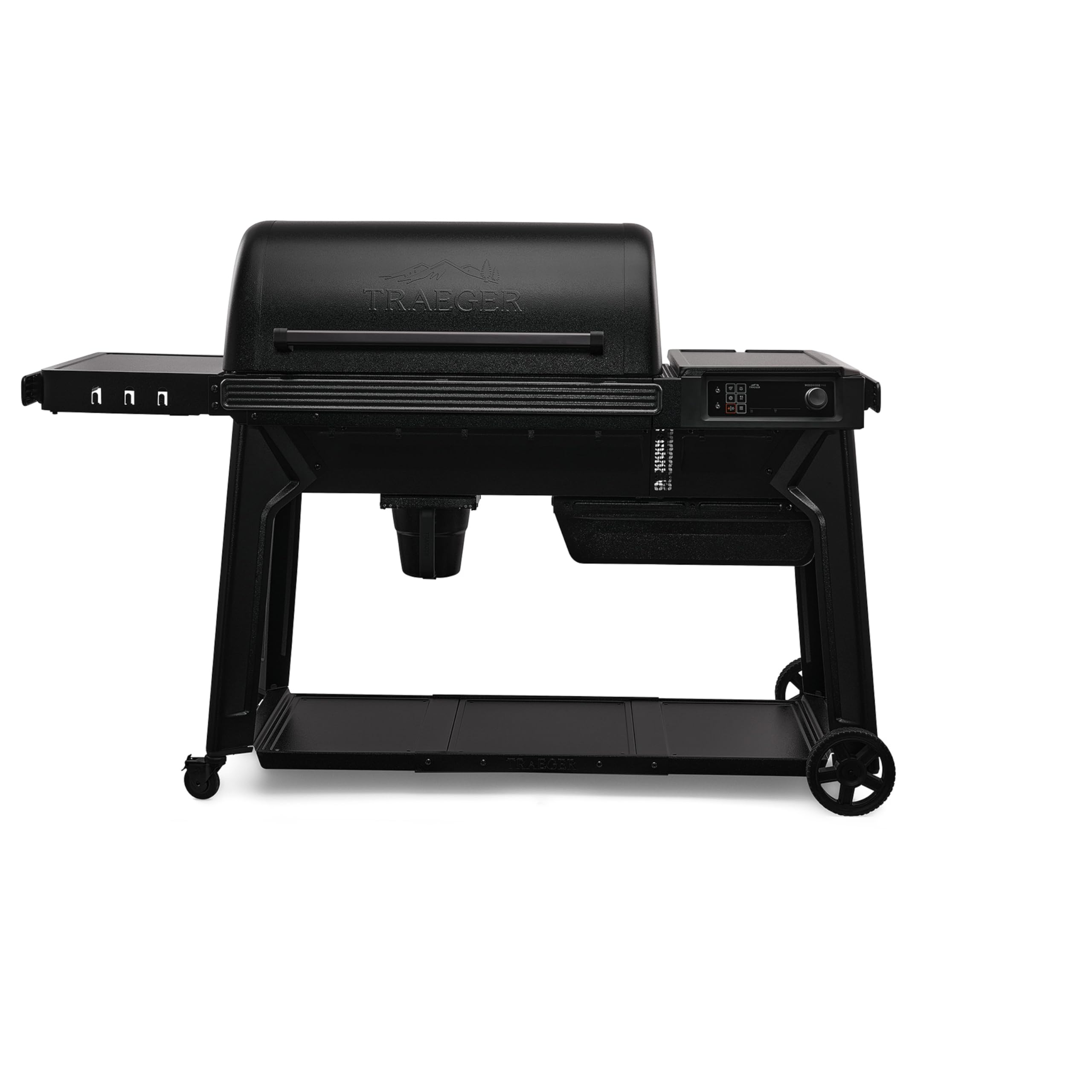
The Woodridge Pro is for the person who loves the idea of “I’m going to run errands while a pork shoulder becomes magic.” This model leans hard into convenience: app control, pellet level awareness, and a boost mode designed to push more smoke flavor when you’re cooking low and slow.
Why this matters in real life: a lot of disappointing smoked food comes from two moments—when you run out of fuel without realizing, and when you panic-open the lid repeatedly to “check.” Smart monitoring cuts both problems. If you’re the type who wants to see temps and progress without hovering, you’ll appreciate that vibe.
The honest caution: anytime you add more electronics, you add more complexity. Some owners report controller-related frustrations in the long run. The practical workaround mindset is simple: protect the electronics (cover it, keep it dry, use stable power, and keep vents clean) and you’ll reduce the odds of a bad day.
What owners tend to love
- Huge usable cooking space for parties and holiday cooks
- App control makes long cooks feel effortless
- Extra smoke mode helps when you want a deeper profile
What to know before you buy
- Electronics demand basic care (cover + clean + protect power)
- Assembly is easier with two people due to size/weight
- Like most pellet grills, searing is not its main superpower
3) GE Profile™ Smart Indoor Pellet Smoker (Active Smoke Filtration)

Indoor smoking is usually where good intentions go to die—either from smoke alarms or from “this doesn’t taste like real barbecue.” This GE Profile is one of the few indoor solutions that owners describe as legit: real wood smoke flavor, consistent results, and surprisingly strong smoke circulation across multiple racks.
A key reality check from owners: it’s indoor-friendly, not “smell-free.” You’ll often get that warm-smoke aroma in your space—especially if you open the door before the unit clears smoke. Think of it like cooking bacon: doable indoors, but you’ll appreciate ventilation. If you have a fan, a covered patio, or a garage-laundry setup, that’s a sweet spot.
Practical stuff that matters: (1) remove any protective film/sticker on the control panel before first use, (2) run it on a stable circuit because it behaves like a serious electric oven, and (3) line the bottom area with foil if you want easier cleanup. Owners also mention the app’s “subscription recipes” are optional—monitoring is the real value.
What owners tend to love
- Genuinely smoky flavor indoors (not just “roasted”)
- Multi-rack circulation works well when loaded
- Presets help beginners avoid time/temp panic
What to know before you buy
- You’ll still smell smoke—use ventilation like you would for high-heat cooking
- Countertop footprint is substantial
- Capacity is great for small families, not giant parties
4) Traeger Grills Pro 22 Wood Pellet Grill & Smoker

The Pro 22 is basically the “I want Traeger consistency, but I don’t want a giant footprint” option. It’s still big enough to run real smoking projects (ribs, chickens, pork shoulder), but it’s easier to place on a patio and less intimidating for first-time pellet owners.
Owners love the feeling of progress: smoke something once, nail the flavor, then you start using it weekly because it’s simply not stressful. That’s the hidden win of a good pellet rig—it removes friction, so you cook more.
Best practice here is the same as most pellet grills: don’t treat it like a blazing-hot steak searer. Treat it like a stable outdoor oven that adds wood-fired depth. If you do that, it’s one of the easiest routes to repeatable BBQ.
What owners tend to love
- Simple, repeatable temperature control
- Great size for families without wasting space
- Wood-fired flavor without charcoal babysitting
What to know before you buy
- Like most pellet grills, best at low-and-slow
- Pellet storage matters for consistent performance
- Keep lid closed for faster recovery and better smoke retention
5) Masterbuilt® 40-inch ThermoTemp Propane Gas Vertical Smoker (MB20051316)

If you want a cabinet smoker that feels like a “real piece of backyard equipment,” propane is a strong choice—especially when weather is cold or windy. Owners often buy this Masterbuilt for two reasons: capacity and temperature staying power. Once you learn its rhythm, it can run long cooks with less drama than many electronics-heavy setups.
Real-world owner patterns are clear: (1) many people add gasket tape to tighten the door seal and reduce smoke leakage, and (2) they rely on a separate thermometer (or multi-probe system) because door gauges are rarely perfect. And yes—window glass looks cool, but smoke residue will quickly “frost” it. That’s not a failure; it’s just the nature of smoking.
One thing to respect: chip pans and grease can create flare-up moments if airflow and pan management are ignored. Owners have found that using sturdier setups (and being mindful about drippings) keeps the smoke cleaner and the cook steadier.
What owners tend to love
- Massive capacity for holidays, parties, and meal prep
- Propane heat handles cooler weather better than many electrics
- Simple dial control feels “honest” and predictable
What to know before you buy
- Assembly is a real project—go slow and be methodical
- Many owners upgrade the seal for better smoke retention
- Like most smokers, you’ll want a better probe thermometer than the built-in gauge
6) Pit Boss 500FB2 Pellet Grill (Flame Broiler Lever)
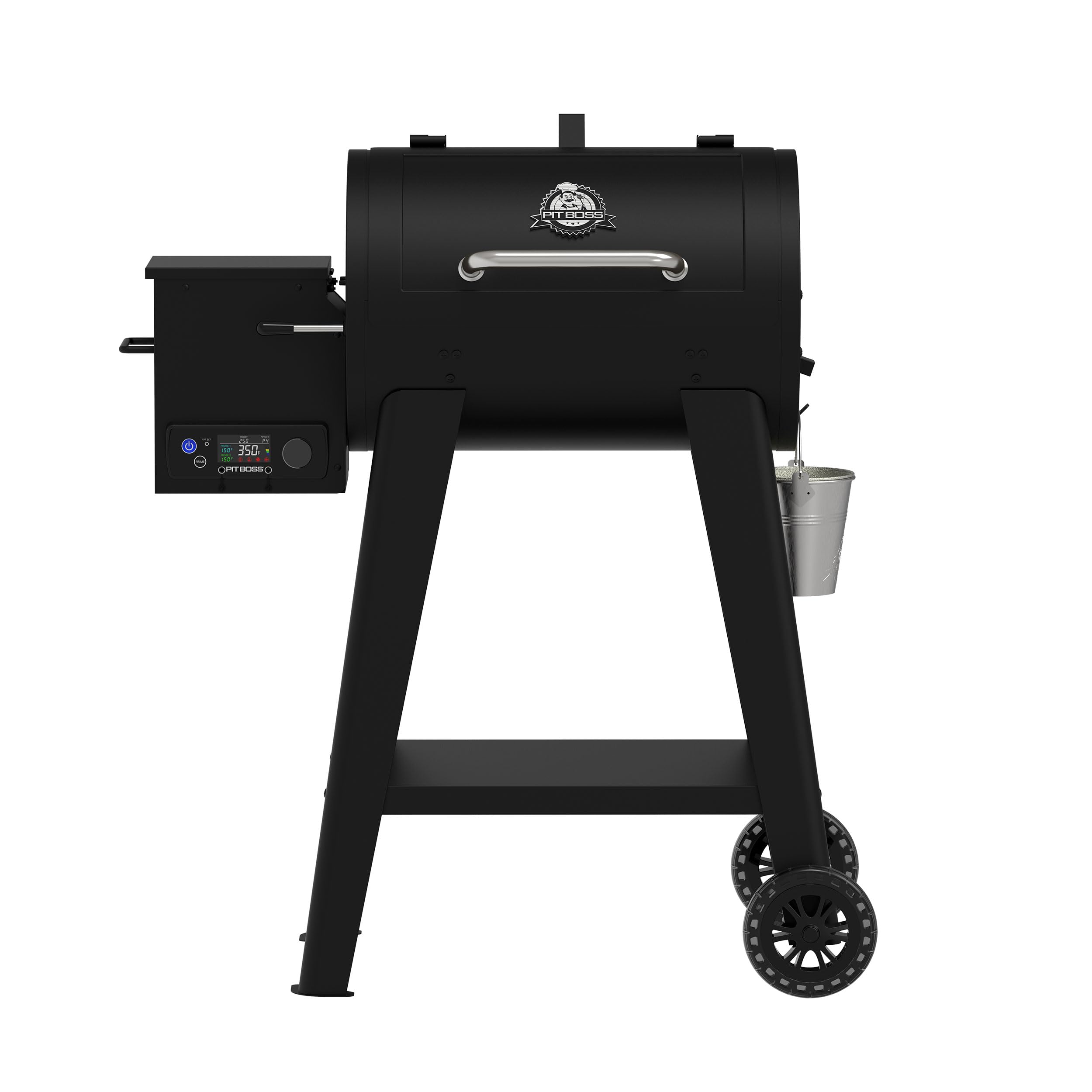
A common pellet-grill complaint is “great smoke, weak sear.” The 500FB2 fights that with a flame broiler lever that can expose food to direct flame. In real life, this is for the cook who wants one machine to do most things: smoke ribs, roast chicken, then finish with real heat when you need a crust.
Owners who love it usually talk about two things: it feels solid (built like a tank) and it makes daily cooking easier. The flipside is classic pellet reality: moving parts, shipping/parts issues can happen, and you want to be comfortable dealing with a brand if you ever need a replacement component.
If your weeknight routine includes burgers, chops, and occasional weekend smokes, this “smoke + sear” personality is a practical fit. You get the wood flavor without sacrificing all the high-heat fun.
What owners tend to love
- Direct-flame option adds versatility for finishing and searing
- Strong construction feel
- Good size for families and casual entertaining
What to know before you buy
- Pellet grills still require ash/grease cleanup discipline
- Small-ish hopper means you plan longer cooks a bit more carefully
- Like any pellet unit, keep pellets dry for reliable feeding
7) Ninja OG751 Woodfire Pro Outdoor Grill, BBQ Smoker & Air Fryer

This is the “small space, big ambition” machine. People buy it thinking it’s tiny, then realize it can handle surprisingly real meals—especially if your goal is smoky flavor without propane tanks or charcoal bags. The built-in thermometer is a genuine quality-of-life feature because it cuts down on lid opening (and smoke loss).
The most consistent owner lesson: ignore overly long suggested cook times. Many people report finishing foods significantly faster than recipe books suggest. Once you learn that, it becomes a weeknight weapon—grill a protein, air-fry sides outdoors, and keep the kitchen cooler.
Smoke-wise, think “strong flavor boost” rather than “competition brisket rig.” It’s brilliant for chicken, wings, pork roasts, and turkey breast. If you want deeper smoke penetration, you’ll do better with longer, lower cooks and a wrap/foil strategy once bark is where you want it.
What owners tend to love
- Electric convenience with real wood pellet flavor
- Air-fry and roast modes make it useful beyond smoking
- Compact and portable for decks and small gatherings
What to know before you buy
- It’s compact—great for small groups, not giant parties
- Learning cook times is part of the deal
- Use recommended pellets for consistent performance
8) EAST OAK Ridgewood Pro 30" Electric Smoker (Stand + Meat Probe)

The Ridgewood Pro is an electric cabinet smoker that feels like it was designed by someone who actually smokes food regularly—because it fixes an annoying problem: crouching. The elevated stand sounds “small,” but if you’ve ever done an all-day smoke and kept checking temps, you’ll appreciate not living in a squat.
Owners love the “longer smoke per chip load” reality and the side loader, because opening the main door is the fastest way to wreck stability. The built-in probe + keep-warm behavior is also a quiet luxury: it reduces the panic of “did I overcook it?” and helps you land the finish window more comfortably.
One realistic quirk that pops up in reviews: internal rack sizing may not align with standard sheet pans. That doesn’t ruin the smoker, but it changes how you manage drips. Many experienced users cook directly on racks and use foil-lined trays where possible to keep cleanup sane.
What owners tend to love
- Stand height makes the whole experience more comfortable
- Side loader helps maintain heat and smoke stability
- Probe + keep-warm reduces overcooking anxiety
What to know before you buy
- Max temp is lower than “grill” temperatures—this is a smoker
- Plan your drip management (foil/trays) for easier cleanup
- Outdoor temps can affect time—normal for cabinet smokers
9) Cuisinart 8-in-1 Portable Wood Pellet Grill & Smoker (CPG-256)

Most portable smokers are either too flimsy or too fiddly. The CPG-256 hits a useful middle: big enough to cook “real food” (not just a couple sausages), but compact enough for tailgates, RV trips, and small patios. Owners love that it can produce genuinely tasty pulled pork and a real smoke ring when used correctly.
A recurring real-world note: display temps and actual grate temps can differ, especially on the lower range. This isn’t rare with compact cookers—internal sensor placement matters. The winning approach is simple: use a reliable grate-level probe, treat the built-in readout as a “trend indicator,” and you’ll cook with confidence.
For cleanup, do what experienced owners do: foil-wrap the deflector/heat shield area (without blocking airflow), and keep grease paths clear. Portable units get used hard; small habits keep them running happily.
What owners tend to love
- Portable pellet flavor without needing a full-size rig
- Solid performance for pulled pork, chicken, and roasts
- Compact footprint for patios and travel
What to know before you buy
- Use a separate thermometer for best accuracy
- Smaller hopper means you plan long cooks more carefully
- Expect some temperature swing—results can still be excellent
10) Masterbuilt® 30" Digital Electric Smoker with Leg Kit (MB20070421)

This is a classic “plug it in, set your temp, and learn smoking the friendly way” cabinet. The side chip loader is the hero feature. It sounds boring until you’ve smoked for hours and realized that every door-open is a heat/smoke reset. Being able to add chips without breaking the environment is a genuine advantage.
Owners who smoke frequently tend to develop a consistent routine: preheat properly in cold weather, cook to internal temperature (not time), and keep the door shut. If you do that, these Masterbuilt cabinets can deliver juicy meat with a clean smoke profile surprisingly reliably.
The window is convenient early in a cook (before smoke residue builds up). But the best habit is still: trust your probe, not your eyeballs. That’s how you avoid dry meat and extended cook times.
What owners tend to love
- Side chip loader keeps heat/smoke steady during long cooks
- Large cabinet capacity without a huge footprint
- Digital control is approachable for beginners
What to know before you buy
- In hot weather, smoke production can be lighter when the element cycles less
- Window visibility fades as smoke residue builds (normal)
- Foil lining trays makes cleanup dramatically easier
11) Pit Boss 3-Series Gas Vertical Smoker (PBV3G1)
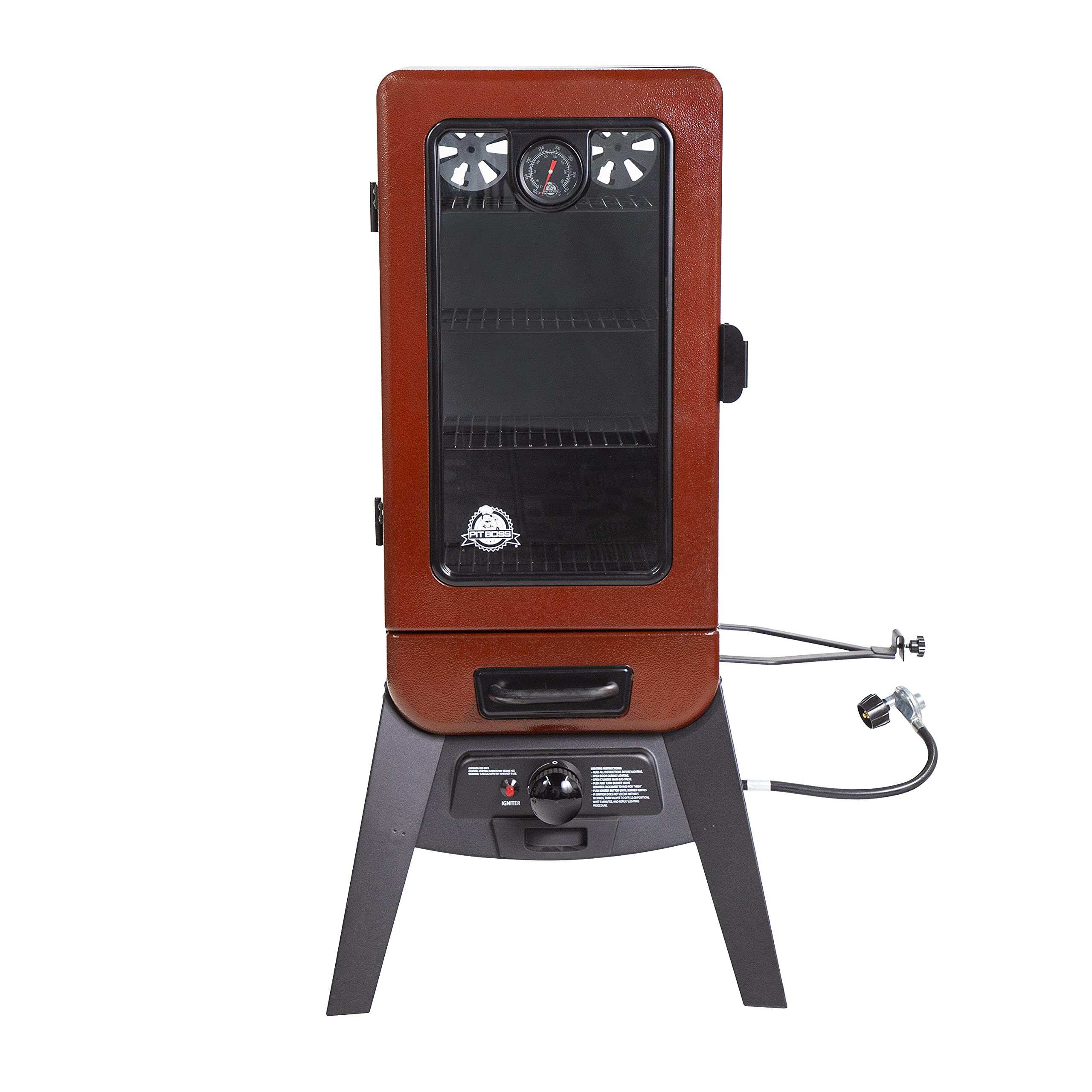
If you’ve been burned by electric smokers that “lose their brains” over time, propane starts looking very attractive. Owners who switch to this Pit Boss often say the same thing: the smoker feels more dependable because temperature control isn’t dependent on a fragile controller board.
The dual burner setup is the practical advantage: one burner supports smoke-chip performance and one supports cabinet heat. That separation can make the whole experience feel more controllable, especially when outdoor temps swing. You’ll still see some smoke leakage (common in cabinets), but once you learn your vent and knob rhythm, it becomes predictable.
For cold-weather smoking, propane cabinets can be a game changer. Just don’t confuse “easy” with “hands-off”—you still want to monitor internal meat temp with a probe and avoid opening the door unless needed.
What owners tend to love
- Higher temperature ceiling than many electric cabinets
- Propane stability (especially in cooler weather)
- Big capacity for turkeys, ribs, and roasts
What to know before you buy
- Some smoke leakage is normal—sealing can help if you want it tighter
- Chip tray and door seal aren’t “laboratory tight”
- In extreme cold, you may run higher flame settings to maintain temps
12) EAST OAK 30" Electric Smoker (PES23001) — Glass Window + Meat Probe

This EAST OAK model gets love for doing the fundamentals right: it actually smokes consistently, it’s easy to use, and the probe lets you stop guessing. Owners who had disappointing experiences with other brands often describe this one as the first that felt genuinely “set it and forget it.”
The side chip loader is the not-so-secret weapon. Being able to add chips without opening the main door protects bark formation and keeps the chamber from yo-yoing. The window helps when you’re learning, but seasoned users still rely on the probe because window glass inevitably gets smoky and hazy over time.
The big “real world” note is about rack sizing (less friendly to standard sheet pans). If you plan to use pans for drips, measure your pan game before you assume everything fits like an oven. Most people adapt quickly by using foil and cooking directly on racks.
What owners tend to love
- Consistent smoke flavor without constant tinkering
- Probe makes doneness “automatic” instead of guesswork
- Side chip loader keeps heat stable and moisture locked in
What to know before you buy
- Max temperature is smoker-style (low-and-slow), not grilling heat
- Exterior can scratch if you’re rough moving it
- Pan fit is quirky—plan drip strategy accordingly
13) Cuisinart 36" Vertical Propane Smoker (COS-244)

This is a classic “my first real smoker” propane cabinet. Owners like it because it’s approachable: assembly is manageable, the footprint is friendly for patios and decks, and propane makes temperature control less stressful than charcoal when you’re learning.
The most helpful owner insight is about the tray design. The included wood/water tray is compact, which can mean more refills if you’re running longer cooks. Many experienced users solve this by using a separate foil tray for water/drips and dedicating the tray to wood. That single habit can increase smoke consistency and reduce the annoying “why did my smoke stop?” moment.
Also—trust your own thermometer more than the door gauge. That’s not a knock on this unit; it’s just the reality of smoker thermometers in general. Once you run a couple practice cooks (chicken is forgiving), you’ll find a dial position that hits your sweet spot.
What owners tend to love
- Propane makes temperature learning easier
- Compact footprint but still plenty of rack space
- Great results once you stop opening the door
What to know before you buy
- Door smoke leakage can happen—gasket tape is a common upgrade
- Wood/water tray capacity is modest for very long smokes
- Like most units, the included thermometer is a rough guide, not gospel
14) EAST OAK 30" Electric Smoker (PES23002) — Bigger Batches, Simple Controls

If you want the core benefit of the EAST OAK cabinet style—big capacity, side chip loader, and low-effort smoking—this version delivers without relying on a window or built-in probe. That simplicity can actually be a plus if you already have a thermometer you trust.
Owners like the “it just works” feel: load chips, set temperature, and let it run. The strongest advice from experienced users is to start your smoke session at a higher temp first to get consistent smoke output, then drop down once smoke is flowing (especially important on some chip-based electric units).
If you’re cooking multiple foods at once, use the rack strategy that works in real kitchens: meat lower (drips + heat), veggies higher. It keeps flavors cleaner and reduces flare-up-style grease issues.
15) Masterbuilt® 30" Digital Electric Smoker (MB20071117)

This model is a straightforward, widely-used electric cabinet format: digital controls, side chip loader, water bowl, and multiple racks. Owners who smoke frequently tend to appreciate the “repeatable routine” it supports—especially for shorter 3–4 hour cooks where electric smokers are almost unfairly convenient.
The real owner wisdom is about weather and element cycling. In hot weather, the heater may cycle less, which can reduce steady smoke generation. Experienced users work around this by starting “cold” (no long preheat) so the element runs longer early, building smoke flavor before stabilizing.
Cleanup becomes easy if you commit to foil lining and keeping grease paths clear. This is the kind of smoker that gets used more when it’s easy to clean—and that’s why so many people keep them for years.
16) Cuisinart 30" Electric Smoker (COS-330) — Adjustable Temperature Control

The COS-330 is for the person who wants electric simplicity but also wants the ability to run hotter when needed (think: crisper poultry skin strategies, stronger finishing temps, and more flexibility). Owners who prefer analog control often cite a simple reason: fewer electronic parts to fail when you’re emotionally invested in a long cook.
There’s a very practical technique owners use for consistent smoke: make sure the chip tray has good contact with the heating element so chips/pellets actually smolder properly. If you’ve ever had an electric smoker that “doesn’t smoke,” it’s often a contact/heat issue—not a wood issue.
Another real-world benefit is the legged design. You’re not crouching to load food, and you can position it on patios more comfortably. It’s a straightforward, traditional smoker that rewards good thermometer habits.
17) Masterbuilt® 30" Analog Electric Smoker (MB20070210)

This is the “old-school simple” electric smoker that longtime smokers often respect. Owners who smoke multiple times a week like that the system is basic: heating element, dial, racks, and a wood chip setup. When you use a smoker constantly, simplicity becomes a feature—not a lack.
One of the smartest owner takeaways is about smoke production in warm weather. If the element cycles off too often, smoke can lighten. The workaround many experienced users use is starting cold or briefly letting cabinet temp drop so the element runs and generates smoke again—without turning the cook into a door-opening festival.
This smoker also shines as a “dedicated fish unit.” Several experienced smokers keep one smoker just for fish so they don’t ghost their brisket with salmon vibes later. If you love smoked fish, that’s a pro-level move.
18) Char-Broil Bullet Charcoal Smoker 16" (18202075)

Bullet smokers are where you learn the craft—without needing a competition trailer. Owners love this Char-Broil because it can hold temperature surprisingly well once dialed in, especially using a steady lighting method and letting the cooker settle before tossing meat on.
The most consistent owner advice is also the most valuable: seal the spots that leak excessively (door, lid seams) with high-temp gasket. It keeps smoke where it belongs and makes temperature control easier. Several owners also point out that lid thermometers can read significantly off from grate level, so a probe thermometer is the smartest “upgrade.”
If you want the charcoal experience but don’t want to wrestle it, a bullet format is the friendliest teacher. Once you learn vent control, you’ll be shocked how hands-off it can feel.
19) Royal Gourmet CC1830S Charcoal Grill & Offset Smoker
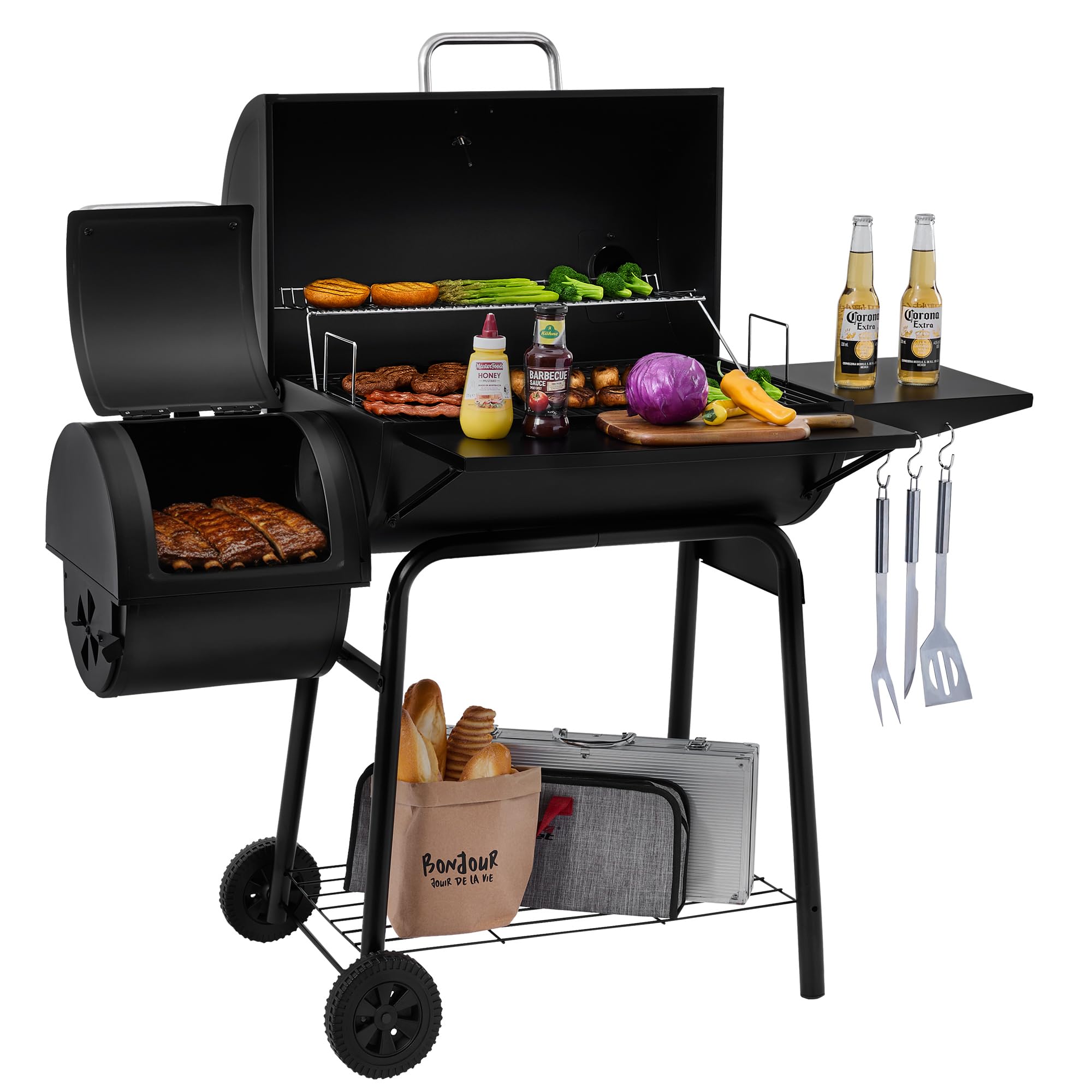
Offset smokers look romantic. In reality, they’re the most hands-on style here—and that’s why the CC1830S is best viewed as an “entry-level offset + grill combo” rather than a precision machine. Owners who love it talk about value and versatility: you can grill directly and experiment with offset smoking without buying two separate rigs.
Owners also tell the truth: it isn’t airtight. That means you may see heat leakage and you’ll do more vent and fuel management. The smart move is to treat it like a project: seal leaks with high-temp sealant where appropriate, use a cover to prevent rust, and embrace the learning process.
When you do it right, you can produce restaurant-good ribs and surprisingly even temps—especially once you learn your vent positions and fuel rhythm. But this is not a “set and forget” smoker. It’s a “learn and earn” smoker.
20) Cuisinart 16" Vertical Charcoal Smoker (COS-116)

This is a budget-friendly way to learn charcoal smoking without spending “premium bullet smoker” money. Owners who go in with the right expectations are often pleasantly surprised: it can hold low-and-slow temps for hours when you use a steady fuel method and stop opening the door.
The biggest owner complaint is leakage—smoke escaping from seams and doors. The best owner solutions are simple: add gasket material where needed, tighten up loose spots, and accept that a little leakage is part of cheaper charcoal rigs. Once sealed, it becomes much easier to keep stable temps and conserve fuel.
If you want to learn, this unit teaches you the fundamentals: vent control, fuel management, and patience. And those fundamentals transfer to every smoker you’ll ever own.
21) Nordic Ware Stovetop Kettle Smoker (Full Size)

This is the “I want smoke flavor tonight” tool. It’s not a backyard brisket machine; it’s an experiment-friendly kettle that can add smoky depth to chicken, fish, or small roasts—especially when you don’t have outdoor space or you want to try smoking without committing to a full-size smoker.
Owners love the flavor but emphasize the learning curve: stovetop smoking is direct heat, and food can overcook if you chase high temperatures. The winning approach is to stay in the recommended temperature range, keep the lid closed, and check doneness earlier rather than later. Cleanup becomes much easier if you line the drip area with foil and dry everything thoroughly after washing.
Real-life ventilation matters. Even enthusiasts who love this kettle often prefer using it outdoors on a grill for a more comfortable smoke experience, especially if anyone in the home is sensitive to smoke.
Smoke control is the real “power” (and it’s why good smokers feel easy)
People talk about “power” like it’s just temperature range. But in smoking, power is your ability to control the environment so food finishes juicy and flavorful. Here’s the expert-level truth: the best results come from steady heat + clean smoke + minimal door opening.
The 5 habits that instantly improve your smoked food (no matter what smoker you buy)
- Cook to internal temperature, not time. Time is a guess; internal temp is reality.
- Stop opening the door. Every peek is a temperature drop and moisture loss.
- Run clean smoke. If it smells bitter, fix airflow and fuel before adding more wood.
- Use water strategically. Water stabilizes temps and protects lean meats from drying out.
- Plan cleanup as part of the cook. Foil lining and drip management keep smokers performing better longer.
Pellet grills: the “outdoor oven” mindset
Pellet grills excel when you treat them like a stable oven with wood flavor. They’re amazing for brisket, ribs, pork shoulder, turkey, and smoked sides. If you want steakhouse sear, choose a model with direct-flame ability or plan a finishing step elsewhere.
Electric cabinets: protect the smoke cycle
Electric smokers often generate smoke most actively when the heating element is running. In warm weather, the element cycles less, which can reduce smoke output. The solution is usually simple: start the cook cold or begin at a higher temp to establish smoke, then adjust down.
Propane cabinets: stable heat, smart wood management
Propane gives steady heat and handles cold better, but you still control smoke via wood chips/chunks and airflow. If you want predictable smoke, don’t let drippings drown your wood tray, and avoid overloading chips to the point they ignite.
Charcoal: master vents and you master the cook
Charcoal is the craft. It’s also the most rewarding once you learn: light steadily, let temps settle, and use vents gently (tiny adjustments). A bullet smoker with a water pan can run surprisingly long if you stop fussing.
FAQ
Which smoker style is easiest for total beginners?
If you want the easiest learning curve, start with a pellet grill (like the Traeger models) or a digital electric cabinet (like the Masterbuilt and EAST OAK cabinets). They reduce the “fire management” workload so you can focus on food temperature and timing.
Do I need a separate thermometer if the smoker includes one?
If you care about repeatable results, yes. Built-in gauges are often “ballpark.” A dual-probe setup (one for meat, one for grate/chamber) is the single best upgrade you can make for consistent smoking.
Why does my food sometimes taste bitter?
Bitter usually comes from dirty smoke: insufficient airflow, wet fuel, or smoldering wood that produces thick white smoke. Use dry fuel, maintain airflow, and avoid overloading chips. Clean smoke smells inviting—not harsh.
What’s the simplest way to improve bark on ribs or brisket?
Two things: (1) keep the surface dry early (don’t spritz too much too soon), and (2) stop opening the door. Bark is basically a controlled drying + rendering process. Every door-open resets that progress.
Can I realistically smoke indoors without making my home smoky?
With a purpose-built indoor smoker like the GE Profile, you can smoke indoors more comfortably than with DIY methods. But any indoor smoking benefits from ventilation and good habits (letting the unit clear smoke before opening, running a vent fan, and keeping doors closed).
Final thoughts: pick the smoker that matches your life, not your fantasy
Here’s the bottom line: you’re going to love smoking when your smoker matches your routine. If you want calm, consistent weekend cooks, pellet grills like the Traeger Pro 34 are a confident “main rig.” If you want smart convenience and a huge cooking surface, the Woodridge Pro is built for that lifestyle. If your space is tight, the GE Profile indoor smoker and the Ninja Woodfire Pro can keep smoke flavor in your life without needing a big backyard.
And if you’re chasing the true “I’ll learn the craft” path, charcoal options like the Char-Broil Bullet reward patience with incredible results. No matter which direction you go, remember: best rated smokers are the ones that help you repeat great cooks—not just the ones that look impressive on day one.
If you want my “buy with confidence” shortcut
- Best overall experience: Traeger Pro 34
- Best indoor smoking option: GE Profile Smart Indoor Smoker
- Best electric cabinet value: EAST OAK PES23001
- Best propane capacity: Masterbuilt 40" ThermoTemp
- Best charcoal learning rig: Char-Broil Bullet 16"
