
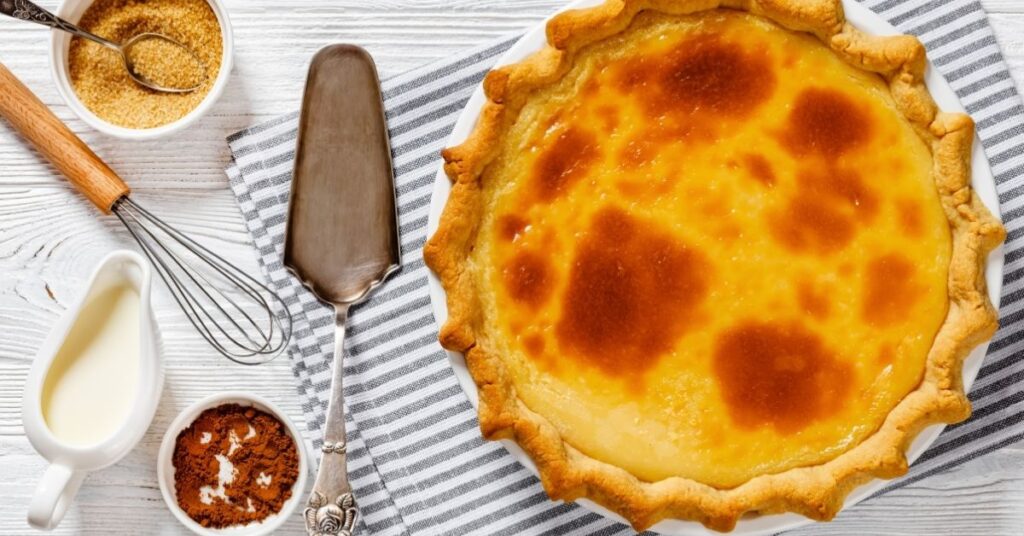
The best frozen pie shells bake flaky and hold fillings well; pick butter or butter-blend crusts sized to your pan and recipe.
Short on time but still want a tender, crisp crust? Frozen shells can deliver. The trick is picking the right fat blend, size, and pan style for your filling. This guide lays out smart picks, bake tactics that work, and storage know-how so your pies slice clean and taste like you fussed all day.
Best Frozen Pie Shells By Use Case
Below is a broad, in-depth snapshot of popular options and where each shines. It includes butter and shortening blends, gluten-free picks, and deep-dish shells for tall bakes.
| Brand / Fat & Style | Best For | Notes |
|---|---|---|
| All-Butter Fluted 9-Inch | Fruit pies | Rich flavor; flaky layers; browns fast, tent rim early. |
| Butter-Blend 9-Inch | Cream pies (blind-baked) | Good structure; mild taste; steady browning. |
| Deep-Dish Butter-Blend (1.5–2 in rim) | Tall apple, chicken pot pie | Extra capacity; sturdier sides for heavy fillings. |
| Shortening-Forward 9-Inch | Pumpkin, sweet potato | Holds crimp; neutral flavor; slower browning. |
| Gluten-Free 9-Inch | Custards, chiffon | Crumbly when hot; slice after a firm chill. |
| Mini 4-Inch Tart Shells | Lemon curd, ganache | Fast bakes; great for parties; watch over-bake. |
| Chocolate Cookie-Style Shell | No-bake mousse, icebox | Press-crumb style; no par-bake; chill to set. |
| Pre-Baked Graham Shell | No-bake cheesecakes | Ready to fill; keep chill for clean slices. |
Fruit Fillings Need Lift And Grip
Juicy fruit throws steam and syrup. An all-butter or butter-blend shell gives flavor plus layered lift, while a deep-dish rim keeps slumps in check. Add a little cornstarch or tapioca to the fruit so the bottom crust stays crisp.
Custards Prefer Even Heat
For pumpkin, sweet potato, and buttermilk bakes, reach for a butter-blend or shortening-forward shell. These brown at a steady clip and won’t overtake the custard. Shield the rim with foil once it reaches the shade you like.
Quiche Likes Structure
Egg and cream soak a base. Blind-bake a butter-blend or shortening-forward shell until edges are golden and the base is dry. Seal with a thin swipe of egg wash or a minute of oven time after docking.
Gluten-Free Crusts Need Chill Time
Many gluten-free shells slice better after a full cool and chill. Bake to deeper color than you think; color equals flavor and strength, which helps with clean wedges.
Budget Shells Still Win With Good Technique
Even lower-cost shells can rival premium picks when you blind-bake, dock, and shield the rim. Use a heavy sheet pan and preheat it so the base sets fast.
How We Tested And Chose
We baked fruit, custard, and quiche across butter, butter-blend, and shortening-forward shells in both 9-inch and deep-dish pans. We judged flake, flavor, sturdiness, browning, and slice quality. We also checked how the shells handled blind-bakes, par-bakes, and long bakes with wet fillings.
Flavor, Fat, And Flour: What Changes The Bite
Butter Vs Shortening
Butter brings dairy flavor and crisp layers. It also browns faster. Shortening tends to hold shape and crimp, with a milder taste. Butter-blends split the difference, giving flavor and form without racing to dark too soon.
Flour Mixes
Standard wheat shells bake sturdy and flaky. Gluten-free versions use rice, tapioca, or nut flours. These can taste great but need full color for strength and a longer cool before slicing.
Pan And Rim Shape
Fluted pans shield edges a bit and look classic. Straight-sided shells pack more filling and slice neatly. Deep-dish rims give the room tall pies need without boil-overs.
Blind-Bake Steps That Work
Dock, Weight, Bake
- Thaw per box directions until just pliable.
- Prick the base with a fork (lightly). Line with parchment.
- Fill with weights or dried beans to the rim.
- Bake on a preheated sheet pan until the edges set.
- Lift weights, brush a thin egg wash, and bake a minute more for a moisture seal.
This simple routine keeps bubbles down and blocks sog. It’s the base move for cream pies and any filling that isn’t baked long.
Size And Fit: 9-Inch Vs Deep-Dish
Pick The Right Capacity
Not all “9-inch” shells hold the same volume. Fruit pies and pot pies need headroom. If your filling tops the rim, use deep-dish. If it sits low, a standard shell avoids over-baked edges and a pale base.
Match Temperature To Style
Fruit pies like a hot start for lift. Custards prefer a steady, moderate oven. Quiche can start higher for the first 10 minutes, then settle into a lower bake to set the center without splitting.
Prevent Soggy Bottoms
- Use a screaming-hot sheet pan. Heat jumps the crust into set mode fast.
- Keep fruit starch levels honest. Watery filling swamps texture.
- Vent double-crust pies. Steam needs an exit.
- Brush with egg white after the first blind-bake pass for a seal.
- Let pies rest. Starches finish setting as they cool.
Nutrition And Label Reading
Frozen shells vary in fat type, sugar, and sodium. Look for butter or butter-blend if flavor matters most, or shortening-forward if shape matters more. To compare fats and fiber across brands, use the USDA FoodData Central database for crust styles and reference values. For storage timing and safe handling, see USDA guidance on Freezing And Food Safety.
Bake Times And Color Targets
Ovens run different. Use the ranges below, then trust color: golden edges and a dry, set base beat any printed minute count.
| Style | Oven Temp | Time Range |
|---|---|---|
| Blind-Bake, Standard 9-Inch | 400–425°F (205–220°C) | 12–15 min with weights; 5–8 min without |
| Blind-Bake, Deep-Dish | 400°F (205°C) | 15–18 min with weights; 6–9 min without |
| Pumpkin / Custard (Filled) | 375°F (190°C) | 40–60 min until barely wobbly center |
| Fruit Double-Crust | 425°F → 375°F | 20 min at 425°F, then 30–40 min at 375°F |
| Quiche | 400°F → 350°F | 10 min at 400°F, then 25–35 min at 350°F |
| No-Bake Fillings (Pre-Baked Shell) | 375–400°F (190–205°C) | 10–14 min to golden, then cool fully |
Troubleshooting Common Problems
Edges Browning Too Fast
Tent with a ring of foil once the rim turns deep golden. Move the pie to a lower rack to cool the top and heat the base.
Base Looks Pale
Preheat a dark sheet pan. Bake the pie on that deck. A darker pan absorbs heat and firms the base faster.
Shrinking Crust
Thaw until pliable, not floppy. Don’t stretch the dough into the pan. Dock lightly and use weights all the way to the rim during blind-bake.
Cracks After Blind-Bake
Brush a whisper of egg white, bake one minute, then fill. For custards, pour warm filling to reduce shock.
Storage And Food Safety For Frozen Shells
Keep shells frozen until needed and use before the package date. For comprehensive guidelines on keeping your ingredients and baked goods fresh, refer to our food storage category.
Once baked, cool to room temp, then chill if the filling is dairy or egg-based. Fruit pies can rest at room temp for a day; after that, chill. For long holds, wrap tight and freeze slices; re-crisp on a sheet pan at 325°F (165°C) until the crust revives.
Best Frozen Pie Shells: Ingredient Choices That Matter
Butter brings aroma and browning. Butter-blends balance flavor with shape. Shortening-forward versions keep flutes tidy and resist collapse with heavy fillings. Pick the profile that fits your pie: a butter-heavy shell for fruit, a steadier blend for custard, and deep-dish for tall builds.
Smart Pairings By Filling Type
Apple And Berry
Use a butter or butter-blend shell. Bake hot at first for lift, then finish lower so fruit cooks through. Vent the top crust to let steam out.
Pumpkin And Sweet Potato
Blind-bake a butter-blend or shortening-forward base. Pour warm custard, then bake until the center barely jiggles.
Pecan And Chess
Par-bake five minutes for a head start. The sugary mix sets into a crisp base when the shell isn’t raw.
Quiche Lorraine Or Veggie
Blind-bake fully. Paint with egg white for a seal. Fill and bake until the center reaches set but still tender.
Gear And Setup That Help
- Heavy Sheet Pan: Preheat it. Faster base set, less sog.
- Oven Thermometer: Calibrate your dial to real heat.
- Foil Or Shield: Protect rims from over-browning.
- Parchment And Weights: Keep the shell flat during blind-bake.
- Cooling Rack: Air under the pan preserves crisp.
Label Clues Worth Reading
Scan fat type, sugar level, sodium, and any sweeteners if your filling already runs sweet. If the box lists bake times, treat them as a starting point and judge by color and aroma. That small habit improves results across every brand.
Two Mentions To Match Buyer Intent
When shoppers search for best frozen pie shells, they want flavor and a crust that holds together. The picks above and the bake tactics here target both.
If you need gift-worthy results with almost no prep, the phrase best frozen pie shells points you to butter-blend deep-dish for tall bakes and blind-baked standard shells for cream pies.
Best Frozen Pie Shells, Now By Pantry And Budget
Butter Lover
Choose an all-butter fluted shell and tent the rim early. Expect bold flavor and crisp shards that shatter in a good way.
Weeknight Saver
Grab butter-blend. It’s forgiving, slices clean, and works across fruit, custard, and quiche.
Gluten-Free Crowd
Use a gluten-free shell and bake to deep color. Chill well before slicing for tidy wedges.
Party Minis
Mini tart shells bake fast and portion neatly. Keep fillings simple and flavorful, like lemon, ganache, or curd.
Wrap-Up You Can Use Tonight
Pick a shell that fits the filling, preheat the sheet pan, blind-bake when the recipe calls for it, and trust color over the clock. Follow those moves and your pie will taste like you rolled the dough yourself.
