
Specs are compiled from manufacturer listings and verified buyer reviews and can change over time — please confirm the key details on the product page before buying.
Prying off baseboards with a flat screwdriver or a crowbar is the fastest way to splinter your trim, dent your wall, and snap the wood right where you need it intact. A dedicated trim puller with a wide, flat blade and built-in wedge pops boards off cleanly, letting you reuse the trim and protect the drywall. Here are the nine best baseboard removal tools, what sets each apart, and which one suits your specific job.
I’m Mohammad Maruf — the founder and writer behind KitchPrep. This guide is built by comparing the manufacturers’ published specifications and the patterns across verified customer reviews, so you get each pick’s real strengths and trade-offs instead of marketing spin.
Removing baseboards without wrecking the trim or the drywall behind it depends on picking the right baseboard removal tool — and this breakdown names the one that earns its spot in your bag, whether you are remodeling one room or doing finish work daily.
Our Picks at a Glance

How To Choose The Best Baseboard Removal Tool
Your first decision is simple: are you salvaging the trim to reuse it, or just getting it off the wall fast? A dedicated trim puller with a wide flat face protects both the wood and the drywall, so you can reinstall the trim later. A classic pry bar gives you brute force for demolition where you do not care about the scraps — knowing which job you are doing decides everything else.
Blade Width and Wedge Design
Look for a wide, flat, contoured blade that spreads the pulling force across the baseboard instead of concentrating it in one spot. A center wedge built into the blade lifts the board away from the wall as you pull, which stops the drywall from cracking and keeps the trim from splitting. Tools with a sharpened front edge also cut through painted or caulked seams so you do not have to score them first with a knife.
Steel Type and Build Quality
You want the metal to flex slightly on stubborn nails but never bend permanently. High-carbon steel, chrome-vanadium steel, and drop-forged alloy steel all handle repeated hammer strikes without deforming. Heavier tools around 1 to 2 pounds bring more leverage to glued-down boards, while thinner, lighter bars slip into tight seams without marring the surface.
Handle and Grip Comfort
Removing baseboards is a low, repetitive task that can strain your hands and knees. A dipped, textured, or shock-absorbing rubber handle reduces fatigue, and some models add an impact-absorbing TPR+PP grip for mallet strikes. If you wear heavy work gloves, ensure the grip stays secure.
Quick Comparison
| Model | Best For | Length | Weight | Blade Design | Amazon |
|---|---|---|---|---|---|
| Stanley Super Wonder Bar★ Best Overall | All-round prying and nail pulling | 15-1/2 in | 1 lb | Wide 1-3/4 in radiused blade | Amazon |
| Goldblatt Trim PullerTrim Saver | Damage-free baseboard reuse | 3 in | 15.8 oz | 15-degree wedged center | Amazon |
| Shark Corp PrybarTight Spot Pro | Tight seams and finish work | 10 in | 9.6 oz | Thin double-tempered pry blade | Amazon |
| Estwing 3-In-1 Pry Bar | Heavy demolition and shingles | 16 in | 2 lb | Thin blade, 2-1/2 in fulcrum | Amazon |
| Titan 4-Piece Pry Bar Set | Variety of sizes for any gap | 8, 12, 18, 24 in | 3 lb | Angled tip, chiseled edge | Amazon |
| MARSHALLTOWN Trim Puller | Corners and high crown molding | — | 1.16 lb | 11-gauge steel, two pry tabs | Amazon |
| Zenith Floor Lifter | Flooring, tile, and wide baseboards | 14.5 in | 1.74 lb | Integrated wedged center | Amazon |
| MAXPOWER Pry Bar Set | Nail pulling and deck work | 7, 8, 10, 12 in | 3.01 lb | Double claw, chisel ends | Amazon |
| Zenith Pro Bar | Deck, pallet, and subfloor demo | 16 in | 3.27 lb | Thick pry bar with trim utility | Amazon |
In‑Depth Reviews
1. Stanley 15 in. Super Wonder Bar
Our pick — over 4.5★ from 400+ verified ratings; the strongest balance of quality and price.
The do-everything wonder bar that pries, pulls, and lifts with an arch that removes the need for a wood block.
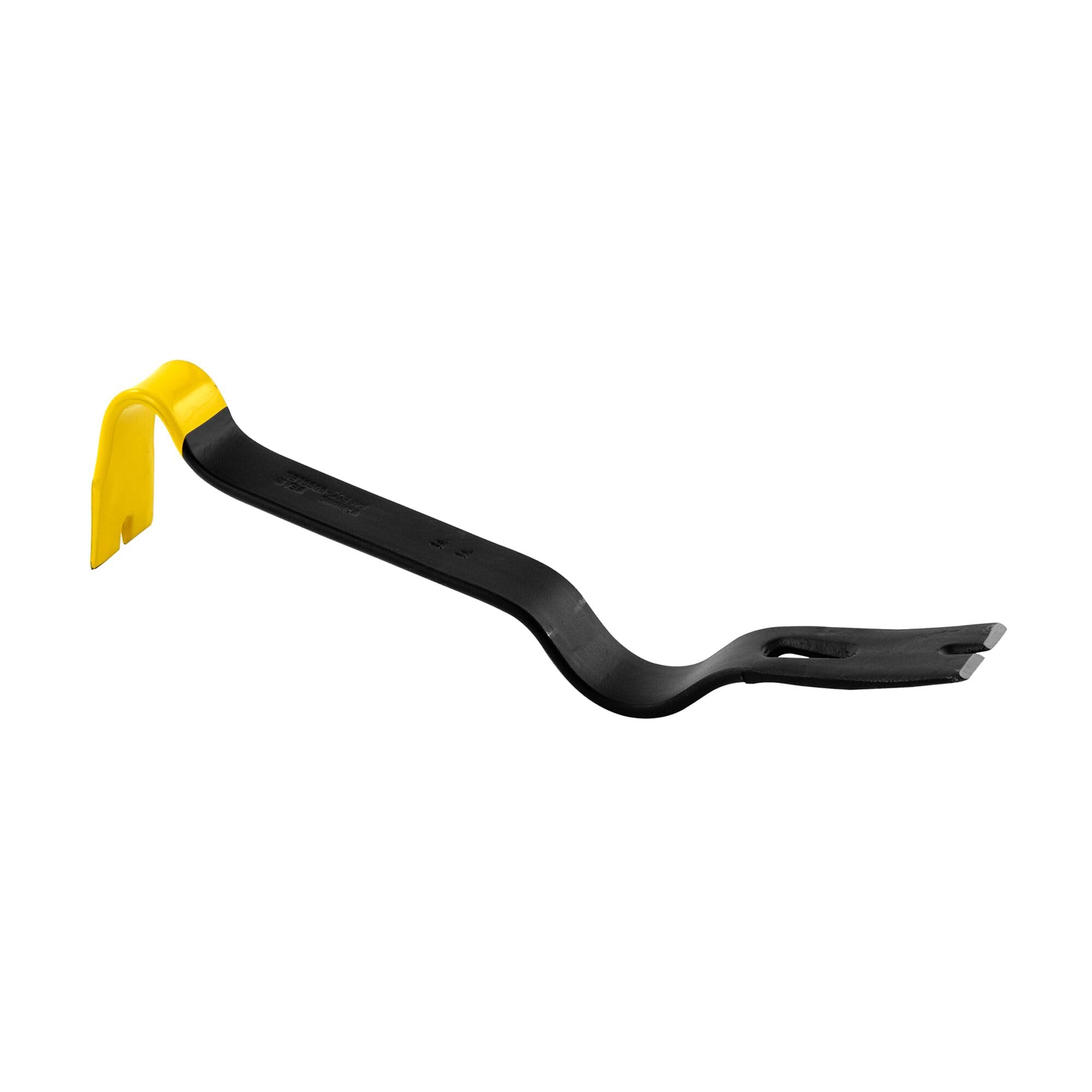
The Stanley Super Wonder Bar is the most versatile trim tool because its center arch provides extra nail-pulling swing without needing a wood block. At 15-1/2-in (395 mm) long with a 1-3/4-in (44 mm) wide blade, it spreads force across the trim, keeping both the wood and drywall intact. The tightly radiused bend angle lets you position the tip precisely, and the extra long tongue gives you a better grip and longer reach into tight spots.
Its panel-lift function separates it from a standard wrecking bar. You position the pry end under the panel, press down on the radiused end with your foot, and it works hands-free. It is made from high carbon steel, and at 1 pound it has a hefty feel that buyers report handles paneling, molding, and pulling nails with real authority.
Buyers describe it as a sturdy wonder bar that will not damage walls or molding, though one owner warns it is “kind of heavy if you need to use a bar all day” — a fair trade-off for a tool this capable. It has also proven itself on roofing work, where it separates, lifts, and holds shingles better than a standard pry bar. If you want one tool that handles nearly every prying job, this is it.
What Wins People Over
- Arch design gives more nail-pulling swing without a wood block
- Works as a hands-free panel lift using foot pressure
- High carbon steel holds up to heavy prying and demolition
Who Should Think Twice
- At 1 pound it feels heavy for all-day finish work
- Wide blade is less precise than a thin trim puller
The all-rounder pick: Best if you want one bar that pries trim, pulls nails, and lifts panels without swapping tools.
A fair warning: If you only remove delicate trim to reuse it, a dedicated thin puller protects the wood better.
2. Goldblatt Trim Removal Tool, 3-inch
The beefy little puller built for damage-free removal, with a patented 15-degree wedge that lifts trim clean.
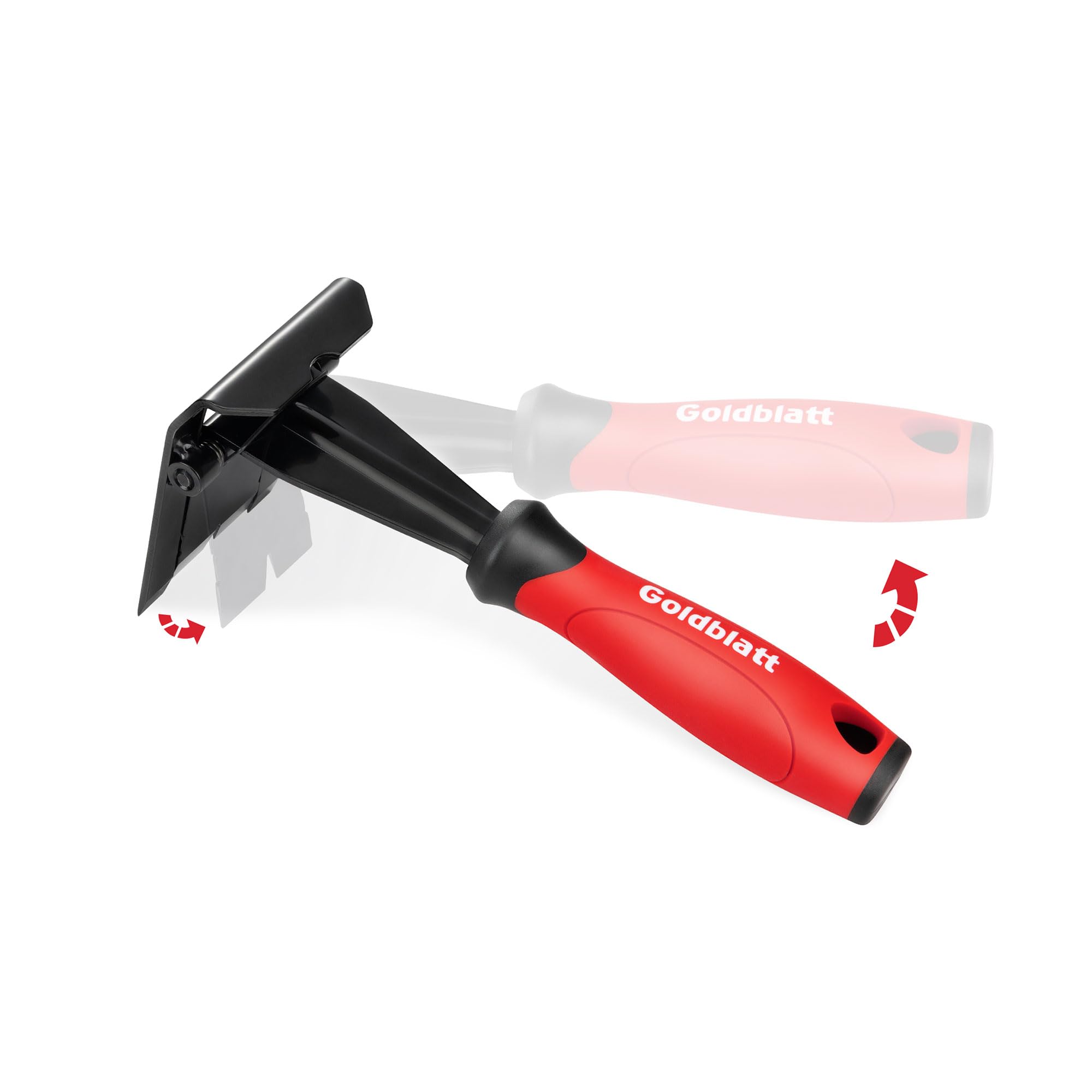
The Goldblatt Trim Puller is the tool you reach for when you want the baseboard off the wall in one piece. It is built from carbon steel and 65Mn steel with a black electrophoretic and polished finish that resists corrosion, and the integrated wedged center lifts the trim away from the wall freely and quickly as you pull. Its defining feature is the 15-degree wedged center, designed specifically for easy extraction of baseboards and trim, and Goldblatt holds a U.S. patent (number US 11,142,921) for this design.
The ergonomic, textured dipped handle is made of impact-absorbing TPR+PP, which keeps your palm comfortable when you have to whack the blade in with a mallet. Owners mention that this tool is so well made they “abused it and it still works great,” using it to pull nails, lift tile, strip tile off walls, and even remove carpet tack strips without finger injuries. The larger, flatter, wider contact area compared to traditional tools is what prevents damage to both the trim and the wall.
Weighing 15.8 ounces, it is substantially heavier than the Shark Corp prybar below (9.6 ounces), which gives it more authority on stubborn, glued-down trim. When you need to remove door and floor trim without the damage a crowbar or cat’s paw causes, this compact 3-inch tool is the specialist that gets it done. It is the standout choice for renovation work where you plan to put the trim back.
Built to survive: The thing everyone raves about is the build quality — customers note it shrugs off heavy abuse and keeps working across demolition tasks far beyond trim.
Best fit: Reach for this when preserving the trim and wall matters; it pulls nails, lifts tile, and strips tack strips with equal ease.
3. Shark Corp 21-2325 Moulding Prybar
The featherweight finish bar that slips into tight seams and pulls headless nails without marring wood.
For delicate finish work where you want precise control over force, the Shark Corp Moulding Prybar is your lightest option at just 9.6 ounces — noticeably lighter than the 15.8-ounce Goldblatt above. Its thin profile lets it slip into tight gaps where thicker bars will not fit, so you can ease trim off without gouging the wood. The bar is made from heat-treated chrome-vanadium steel (a tough alloy that resists bending), and its “V” pry blade is double tempered to stay sharp through repeated use.
Its defining feature is the cat’s paw end, which digs into and pulls embedded and headless nails that you cannot grab with pliers. The blade’s thin 20-degree curved tail removes molding without marring the surface, and the tail slit is safer on finished surfaces than a standard pry edge. Reviewers point out it is “the right tool for the job” when removing old baseboard heat enclosures, and it proves especially helpful on stairs where tight spaces make larger bars useless.
Where the Goldblatt wins on raw removing power, the Shark wins on finesse and access. Its 10-inch cutting width gives you a comfortable middle size that handles trim work precisely. If you do a lot of finish carpentry and need to pull trim without leaving a mark, this thin, sharp bar belongs in your apron.
Precision first: Owners praise the sharp edge that works particularly well for removing baseboards without damaging them, and the blade thickness is the main talking point.
Best fit: Choose this when you need to slide into tight seams and pull embedded nails cleanly, not when you face glued-down boards that need heavy leverage.
4. ESTWING Pro-Claw Pry Bar, 16″ 3-In-1

A single forged piece of American steel with a 2-1/2 inch fulcrum that lifts higher than other bars.
The Estwing Pro-Claw is the bar for serious demolition work, built the way Estwing has built tools since 1923 — forged in one piece from solid American steel in Rockford, IL. The thin blade end features a 2-1/2 inch fulcrum, which gives it a higher lift than other bars, making it perfect for removing shingles, downspouts, gutters, and nails, not just baseboards. At 2 pounds, it is the heaviest single pry bar here, and that mass translates directly into prying force.
Shoppers say this tool handles nails as large as 16s with ease, and one owner described pulling rusty 3.5-inch nails out of ramp planks that had resisted every other tool. The one-piece forged stainless steel construction means there are no seams or joints to fail, which is why owners describe it as a “buy it for life” tool that will last for years of hard use. It bites into the wood confidently and pops up warped boards without bending.
The trade-off is clear: this is a contractor’s tool for framers, roofers, and serious DIYers, not a delicate trim saver. It is heavier than the Goldblatt (15.8 ounces vs 2 pounds), and its higher-lift fulcrum is built for power, not finesse. If your project list includes shingles, gutters, and deck boards alongside baseboards, the Estwing is the most durable single investment you can make.
The Pro Arguments
- 2-1/2 inch fulcrum gives a higher lift than competing bars
- Single forged piece of steel means no joints to fail
- Pulls nails as large as 16s and bites into rusty fasteners
The Trade-Off
- 2 pounds of weight is overkill for delicate trim removal
- High-lift design favors power over precise finish work
Built for the pro: Choose this if your work mixes trim with roofing, gutters, and heavy demolition — it will outlast the job.
Not for fine work: skip it if your only task is popping off delicate baseboards you want to reuse; it is stronger than you need.
5. Titan 17101 4 pc. Pry Bar Set

Four forged steel bars in one set — 8, 12, 18, and 24 inches — so you always have the right reach.
The Titan 4-Piece Pry Bar Set solves the problem of never having the right length for the job. Instead of one bar, you get four angled-tip pry bars measuring 8, 12, 18, and 24 inches, which means you can always match the tool to the gap. The shortest bar fits in tight corners, while the longest gives you maximum leverage on stubborn, wide baseboards. Each bar is constructed of forged alloy steel with a black oxide finish, and the angled tip provides leverage for prying and lifting.
The distinguishing feature is the chiseled edge, which slips into tight spaces where a wider blade will not fit. Buyers report the tools are durable, with tips that have not bent or broken even in tough conditions, and the polypropylene hi-viz yellow handles remain comfortable through extended use. Owners also note the bars work well even around grease and hydraulic fluid, which speaks to the rust-resistant black oxide finish.
At 3 pounds for the whole set, it is not a single lightweight tool but a complete kit. The variety is what buyers praise most — you can start with the small bar to pop a seam, then switch to the larger one once you have room to work. For a homeowner who faces all kinds of prying jobs, this set delivers more versatility per dollar than any single bar here. It is the smart pick when you want coverage, not just one specialized tool.
The set advantage: What wins people over is having every size covered — owners mention no bent or broken tips and great versatility across different projects.
Best fit: Grab this if your toolbox lacks a pry bar entirely and you want four lengths for every gap instead of one compromise.
6. MARSHALLTOWN Baseboard Trim Puller
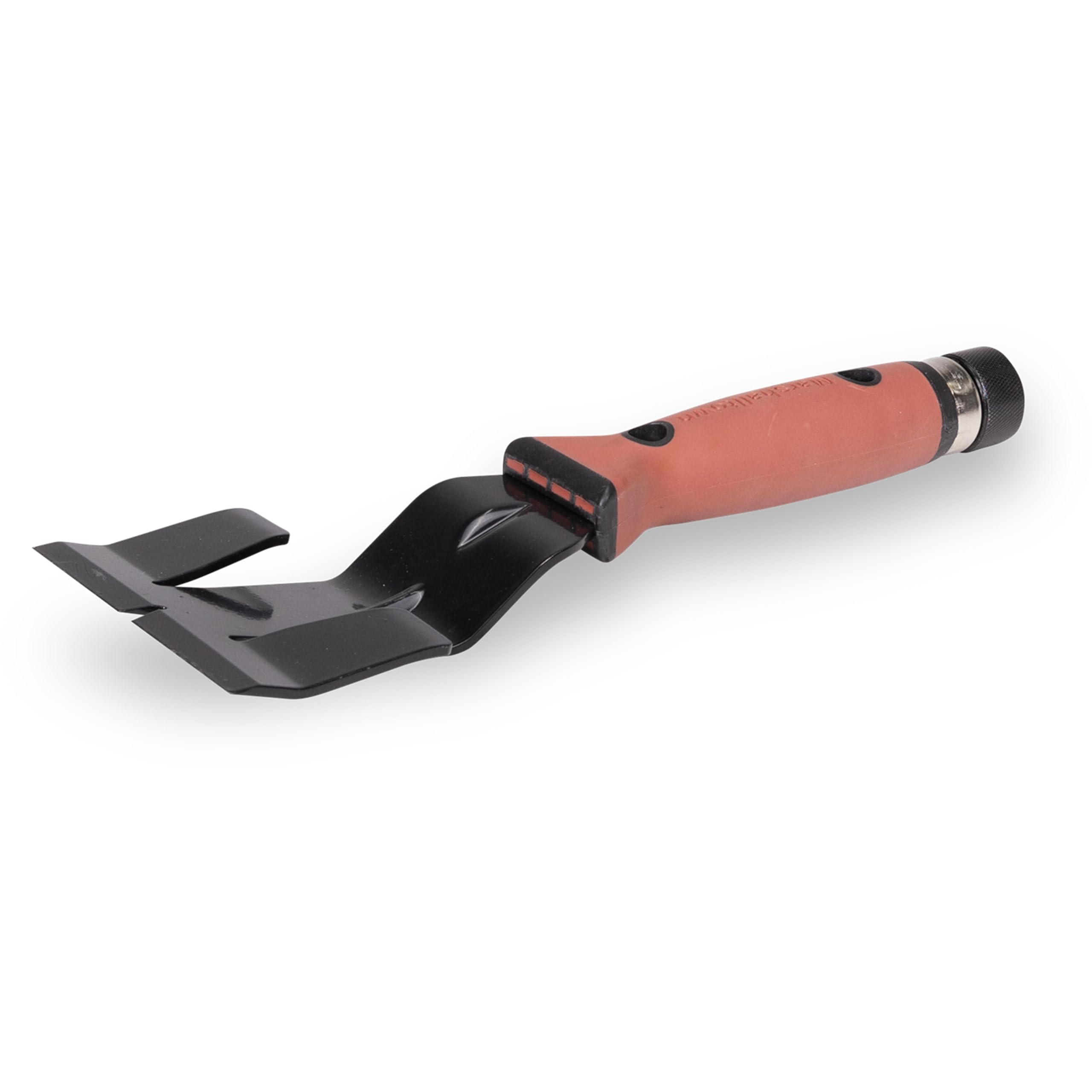
The remodel specialist with two angled pry tabs that bite into corners where center-wedge pullers slip.
The MARSHALLTOWN Trim Puller solves a specific problem: corners and inside angles. Where center-tab pullers slip and lose grip, this tool’s two angled pry tabs on the blade edge bite into tight corners and inside angles for clean baseboard and trim removal. It is built for the remodeler who faces the whole spectrum of demo work, not just straight runs of trim.
The front is sharpened like a chisel to lift ceramic tile, hardwood, laminate, and vinyl plank, then pull leftover nails — making it a genuine remodeling multi-tool. The blade itself is heavy-duty 11-gauge steel, and the wide hardened face gives you leverage to pry glued or nailed trim and siding while protecting drywall and studs from damage. Customers note it removed tight quarter round in under a minute with no hammer needed, thanks to the wide back and long handle providing leverage.
Its most unusual feature is the threaded end, which lets you spin on a standard broom handle to reach ceilings and high crown molding without a ladder. Weighing 1.16 pounds, it feels substantial but manageable. The one recurring caveat from owners is that the hammer strike area lacks a welded plate and paint can chip off quickly if you strike it hard. For corner work and tall reach without a ladder, this tool does things the others simply cannot.
The corner solution: Reviewers point out the wedged ears provide constant upward force, working well on parquet flooring and in tight inside angles where other pullers slip.
Best fit: Pick this for corner-heavy trim jobs and high crown molding; the threaded handle end extends your reach without a step ladder.
7. Zenith by Danco Floor Lifter ZN700201
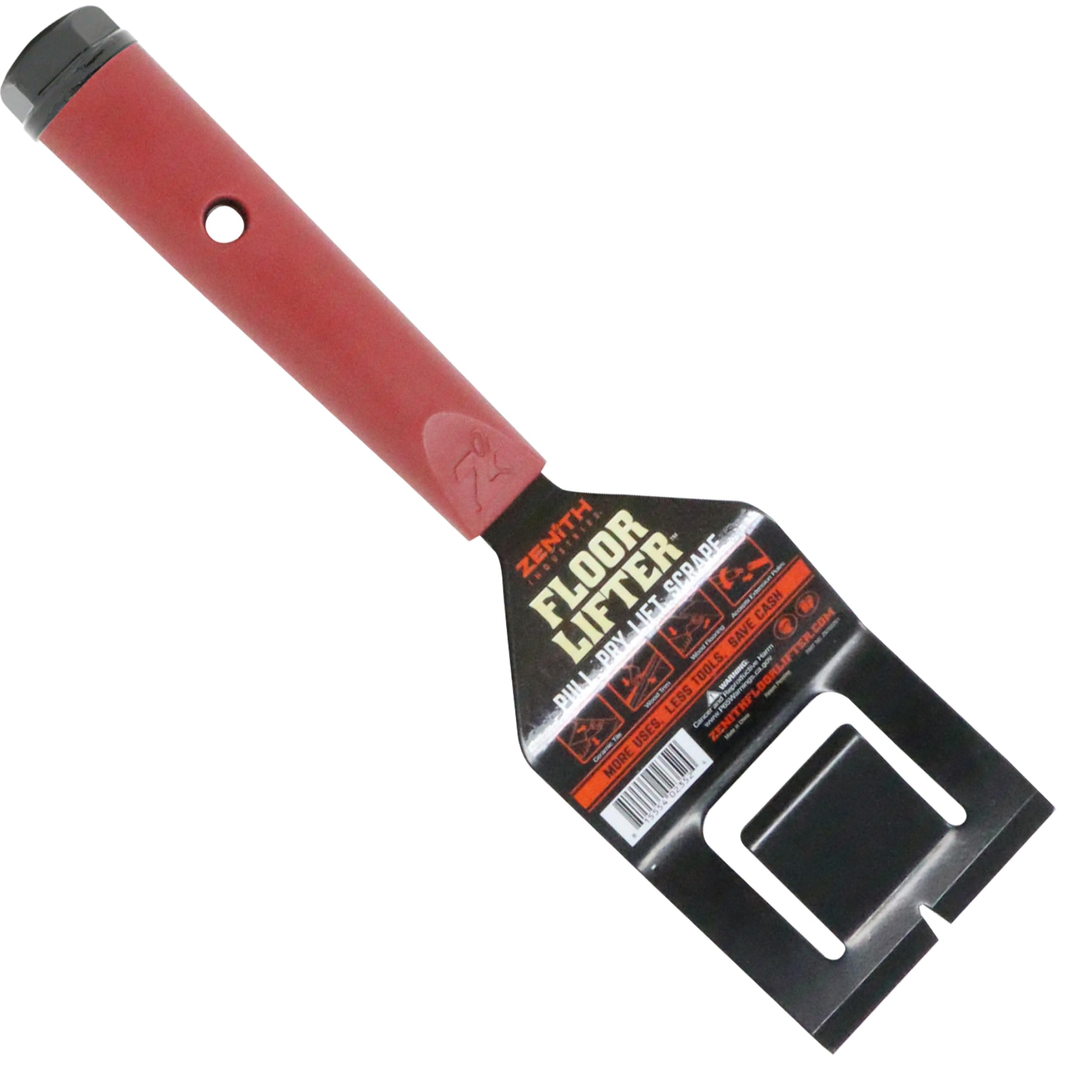
The demolition multi-tool with an integrated center wedge that tackles hardwood, tile, and wide trim.
The Zenith Floor Lifter is designed specifically for safely removing hardwood floors, ceramic tile, trim, and glued countertops — and its longer design provides a deeper plunge on wider baseboards. The larger angle with the integrated wedged center provides increased removal efficiency for more aggressive extractions, and that longer design eliminates the need for a shim or small board spacer. Made from 48Rc heat-treated steel, it is built to take serious punishment, with buyers reporting it handles the impact of a 2 lb sledgehammer without bending.
At 1.74 pounds, it is heavier than the Goldblatt and MARSHALLTOWN, which is exactly what you want when boards are glued down stubbornly. The ground bevel on the edge allows the tool to be driven easily between trim and wall, and doubles as a shim for leveling cabinet bases. The EDPM handle offers exceptional shock absorption, which matters when you are hammering the blade into mud-set tile or glued parquet.
Buyers describe it as “1000x easier than using a crowbar,” and report it removed linoleum, baseboards, carpet strips, tile, and glue without wall damage. The honest trade-off is that it is heavy and can cause palm soreness during long sessions, and the large threaded knob on the butt can loosen and need retightening. For aggressive removal projects where you want one tool that does the work of a wrecking bar and trim puller combined, this is a powerhouse.
Why It Wins Big Jobs
- Integrated wedged center tackles glued parquet and tile
- 48Rc heat-treated steel survives a 2 lb sledgehammer
- Ground bevel edge doubles as a leveling shim
Where It Overdelivers
- 1.74 pounds of weight causes palm soreness on long jobs
- Butt-end knob can loosen and requires periodic tightening
The demolition pick: Reach for this when you face glued floors, stubborn tile, or wide baseboards that need aggressive leverage.
Not for light trim: Skip it for quick, delicate baseboard removal where the extra weight works against you.
8. MAXPOWER 4-Pieces Pry Bar Set

A four-tool nail-pulling kit featuring a double-claw bar that digs out headless nails without damaging wood.
If your main battle is with stubborn nails, the MAXPOWER 4-Piece Pry Bar Set is built for extraction rather than prying. The 12-inch claw pry bar features a double claw and chisel end that pulls headless nails without damaging the wood, while the 8-inch carpenter pincers handle nail removal and the 7-inch and 10-inch flat pry bars cover prying and scraping. The end chisel on the 12-inch bar slips into tight gaps for precision nail pulling on trim, molding, and baseboards.
The star is the utility claw, which shoppers say has just the right angle to get under nail plate nails, round caps, and even roofing nails — “you can pry up any kind of nail with that thing and the claw tips don’t break off.” Every piece is drop-forged alloy steel (a process that makes the metal denser and stronger) with a corrosion-resistant black plated finish and polished beveled claws. The whole set weighs 3.01 pounds spread across four tools that each feel solid and well-made.
Durability does get a mixed verdict from buyers, with some finding the tools strong while others report chipping or breaking under hard use. This is the honest trade-off at this tier — on routine trim, flooring staples, and deck nails it performs admirably, but it is not built for the abuse an Estwing absorbs. For a homeowner who wants a complete nail-pulling and prying kit for general home and garage projects, this set delivers real value.
The claw advantage: Buyers report the double-claw bar pries up any kind of nail and the tips do not break off, making it the set’s standout piece.
Best fit: Choose this when nail pulling is your primary task — it combines a utility claw, pincers, and flat bars in one kit.
9. Zenith by Danco Pro Bar Demolition Multi-Tool
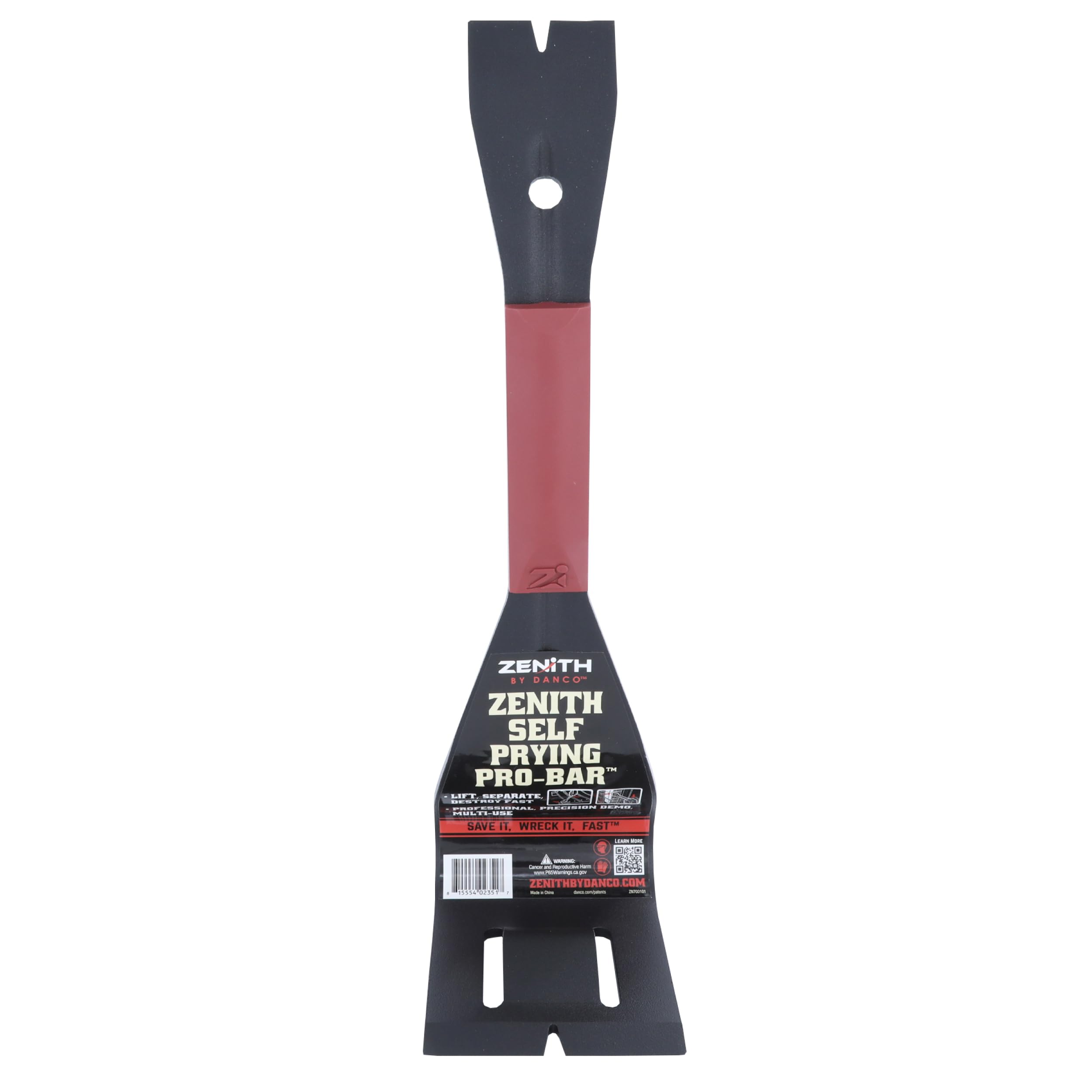
The heaviest hitter here at 3.27 pounds, delivering the broken-stiction burst that frees old nailed boards.
When old nails refuse to budge, the Zenith Pro Bar delivers the initial pulse of force needed to break their grip — the exact moment where lighter bars flex and fail. At 3.27 pounds with a rigid, thick blade, owners describe it as “superior to weaker trim removal tools.” It combines pry bar strength with trim puller utility, so it is equally at home busting pallets, removing decks, and handling storm clean-up.
Owners mention it easily pulls up 3/4-inch oak flooring without damaging the subfloor, and that its high-grade steel construction with integrated nail slots makes it a true multi-tool for salvage and wrecking work. The comfort grip and balanced design make the weight manageable, though owners do note it is “a little on the big side” for fine work. This is the tool you grab when the job is demolition first and finesse second.
The honest limitation is that its sheer size makes it too rough for delicate trim you plan to reuse, and its weight means it is not a carry-all-day tool. It is heavier than the Titan set’s largest bar and the Zenith Floor Lifter at 1.74 pounds, making it the clear choice for pallet busting and deck removal. When you need brute force to break the initial grip of old fasteners, the Pro Bar delivers force that lighter tools simply cannot.
The Power Case
- 3.27 pounds of rigid steel breaks old nail static friction
- Pulls 3/4-inch oak flooring without harming the subfloor
- Combines pry bar, nail puller, and chisel in one tool
The Honest Limits
- Too rough and heavy for delicate trim you want to salvage
- Size surprises some owners — bigger than expected in hand
The brute-force pick: Choose this for pallet busting, deck removal, and flooring tear-out where raw power matters most.
Think twice if: Your only task is popping off baseboards to reuse; this is more tool than that job needs.
Understanding the Specs
Wedge Angle and Blade Shape
The wedge angle is the heart of a modern trim puller. A wedged center, like the 15-degree design on the Goldblatt, lifts the board away from the wall as you pull, spreading the force across a wide contact area. That is what keeps the drywall intact and the trim reusable. A flat pry blade without a wedge concentrates force in one line, which works for demolition but risks cracking the wall.
Steel Type and Weight
Steel type decides whether a bar bends or survives. High carbon steel, chrome-vanadium steel, and drop-forged alloy steel all handle repeated hammer strikes without permanent deformation. Weight follows the same logic — a 2-pound bar like the Estwing brings raw power for demolition, while a 9.6-ounce bar like the Shark gives you control for finish work. Choose the weight that matches your project, not your ego.
FAQ
Will a pry bar damage my baseboards or walls?
What is the difference between a trim puller and a pry bar?
How do I remove baseboards that are glued as well as nailed?
Can I reuse baseboards after removing them with one of these tools?
What is a cat’s paw or nail puller end for?
Is a heavier pry bar always better for removing trim?
How long does a quality baseboard removal tool last?
Can I use these tools to remove flooring or tile too?
What does the wedge center do that a flat bar cannot?
Which tool is best for removing trim in tight corners?
Final Thoughts: The Verdict
Across the board, the baseboard removal tool winner is the Stanley Super Wonder Bar because its wide 1-3/4-inch blade and center arch remove the need for a wood block, making it the most versatile single bar you can own. If you want damage-free removal of trim you plan to reuse, grab the Goldblatt Trim Puller with its patented 15-degree wedge. For heavy demolition across flooring, tile, and pallets, the Zenith Floor Lifter is the powerhouse to reach for when lighter bars give up. The Stanley also holds a 4.8-star rating across 400+ owners, making it the safest bet for anyone starting out.
How We Picked
We do not accept paid placement. Every pick is matched to a real buyer and a real use-case; we do not hands-on test units.
Sources & Methodology
Specifications: manufacturer listings and product documentation. Review insights: verified customer reviews, as of September 2026. Pricing: not shown on this page (it changes often); check the current price via the retailer link.
As an Amazon Associate, KitchPrep earns from qualifying purchases. This does not affect which products we feature.
Related Guides
