
Specs are compiled from manufacturer listings and verified buyer reviews and can change over time — please confirm the key details on the product page before buying.
Quilt backing is the one fabric you buy by the bolt-width, not the fat quarter — and the wrong pick shows up as a puckered seam down the middle of your finished quilt. The fix: buy 108-inch-wide backing so a bed quilt needs no center seam, and buy from a listing that ships one continuous cut. Width and cut continuity matter more than thread choice, stitch length, or batting loft.
I’m Mohammad Maruf — the founder and writer behind KitchPrep. This guide is built by comparing the manufacturers’ published specifications and the patterns across verified customer reviews, so you get each pick’s real strengths and trade-offs instead of marketing spin.
Wide cotton comes in a handful of real widths and weights, and the differences decide how a quilt hangs, washes, and ages. Below are the picks for the Best Backing Material for Quilting, sorted by width, weight, and cut continuity.
Our Picks at a Glance

How To Choose The Best Backing Material for Quilting
Backing fabric is the largest single piece of cloth in any quilt, and it is also the piece most likely to arrive wrong — too narrow, cut into strips, or heavier than the quilt top it sits under. Sorting those three risks before you order saves a re-order every time.
Width: the number that decides whether you piece or not
A 108-inch-wide backing means a full-width cut with no center seam, which is what most quilters want for anything twin-size or larger. Narrower goods — 56 or 59 inches — are fine for lap quilts and baby quilts but will need piecing on a bed quilt. Check the listed width in inches, not the word “wide.”
Weight and weave: how the fabric behaves under the needle
Backing that is too heavy fights the needle on a domestic machine and can drag a longarm. Backing that is too loose lets batting migrate through the stitch holes. A mid-weight plain weave in the 100% cotton family is the safe middle ground for most home quilters.
Cut continuity: the quiet deal-breaker
Most backing is sold as “cut by the yard,” which in a good shop means one continuous length. Some sellers instead ship one-yard pieces, and a quilt back made from four one-yard strips is not the same product. Buy from listings that state continuous yardage, and read the review pages for cut complaints before ordering a large quantity.
Quick Comparison
| Model | Best For | Width | Fiber | Cut Form | Amazon |
|---|---|---|---|---|---|
| Kona Cotton 108″ Wide Quilt Back Navy★ Best Overall | All-purpose wide backing | 108″ | 100% Cotton | Cut by the yard | Amazon |
| ROC-lon 118/120″ Wide Permanent Press BackingWidest Available | Extra-wide bed quilts | 118/120″ | 100% Cotton | Cut by the yard | Amazon |
| Homiest Light Gray Cotton Broadcloth 3-Yard CutBest Budget Precut | Budget precut for lap quilts | 56″ | 100% Cotton | Precut 3-yard piece | Amazon |
| Mook Fabrics Marble Tex Cotton Arona | Wide backing with drape | 108″ | 100% Cotton | Cut by the yard | Amazon |
| Supreme 108″ Quilt Backing Grain of Color | Continuous wide yardage | 108″ | Cotton | Sold by the yard | Amazon |
| FFPDYBEST Natural Cotton Poplin 3-Yard Cut | Quilt backs and linings | 59″ | 100% Cotton | Cut by the yard | Amazon |
| ROC-lon 108″ Preshrunk Quilt Backing 3-Yard Cut | Shrinkage-shy quilters | 108″ | 100% Cotton | Precut 3-yard piece | Amazon |
| DIVINA VITAE 63-Inch Unbleached Muslin 10-Yard Roll | Mock-ups, draping, and utility use | 63″ | 100% Cotton muslin | 10-yard roll | Amazon |
| Tinyspool & Co. 3-Yard Cut Eternal Bleu No.15 | Pre-washed ready-to-sew backing | — | 100% American Cotton | Precut 3-yard piece | Amazon |
In‑Depth Reviews
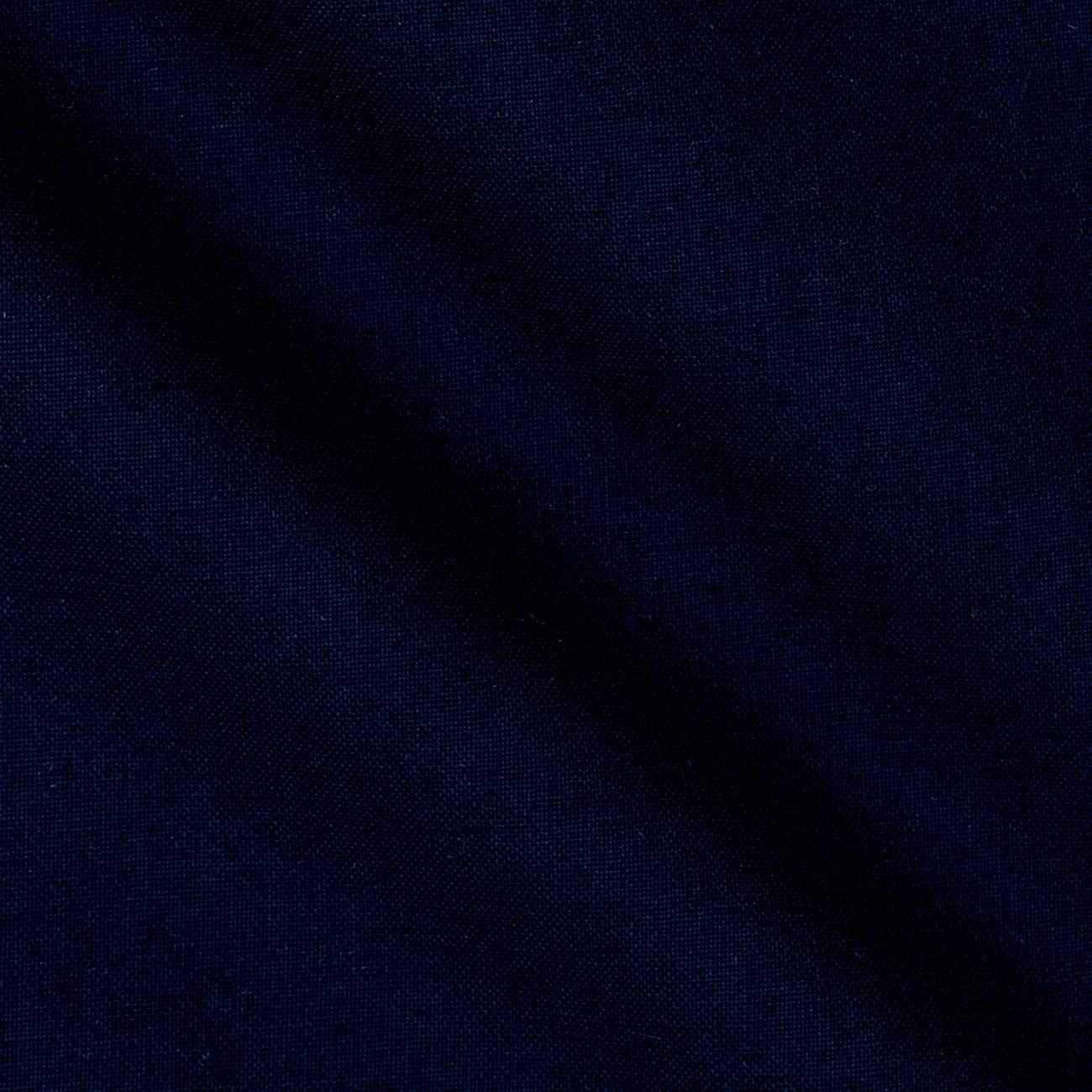
1. Kona Cotton 108″ Wide Quilt Back Navy, Fabric by the Yard
Our pick — over 4.5★ from 300+ verified ratings; the strongest balance of quality and price.
The wide back that ends the piece-or-not debate before you even cut
Kona’s the default answer for a reason: this is a 108-inch-wide 100% cotton cut, sold by the yard, so an order of three yards arrives long as a 108″ x 108″ square — a full quilt back with no center seam. That one dimension is what ends the piece-or-not debate before you ever pin the top down. Fabric quality is the thing everyone comes back for, and it’s the dominant praise in the listing — the cloth is smooth, holds a press, and behaves on the machine without fighting you. It’s OEKO-TEX Certified, which means the fabric has been tested against a published limit list of harmful substances, and it carries roughly 8 ounces per yard of cotton — light enough that a longarm needle sails through without dragging. Machine wash cold and tumble dry low, and it holds shape for repeat projects.
The catch is in the cut, not the cloth. The listing sells by the yard and will ship separate one-yard pieces if you order multiple — buyers report receiving “Ordered 3 yards but received in separate 1-yard cuts, not continuous,” which is fatal for a backing project because a quilt back pieced from four strips is not the same product. Order from a listing that promises continuous yardage or call it in. The 108″ width also arrives with a wide range of usable colors, and the brand’s reputation for color accuracy (especially on dark solids) is well-earned.
Compared with the Kona 108″ and the Supreme 108″ Grain of Color above, both ship 108″ wide at 8 ounces per yard — the difference is that Supreme’s listing explicitly promises continuous yardage, so if you need more than two yards, worth checking both side-by-side. If you want a single yard for a small project, either is fine.
What wins people over
- 108″ wide cut — no center seam on a full quilt back
- 100% cotton, OEKO-TEX Certified against a published substance list
- 8 ounces per yard — light enough that a longarm needle passes cleanly
- Smooth, deep color and easy press — suitable for both quilting and light garment work
What to watch for
- Multi-yard orders can arrive as separate one-yard pieces
- Cut ends can run uneven, making centering the quilt top tricky
Reach for this: if your quilt is twin-size or larger and you want the widest possible single-piece back in a proven cotton solid. It’s the safe default, backed by 4.6 stars across 300+ owners.
Look elsewhere: if you’re ordering three or more yards and cannot confirm continuous cut before purchase — the shipping shortfall is the one recurring gripe, and on a quilt back it matters.
2. ROC-lon 118/120″ Wide 100% Cotton Permanent Press Backing for Quilt, Craft, Sheet, Curtain, Cut by Yard, Unbleached White
The widest cotton back on this list — 118/120 inches, no pieced seam possible
Here’s the number that makes this pick stand out: 118/120 inches wide, which is the widest cut of 100% cotton on this list and lets even a king-size quilt back go in one unbroken sheet. Composition is pure cotton with a CRF — that’s a crease-resistant finish, a chemical treatment that helps the cloth resist hard fold lines during shipping and storage — and the maker lists residual shrinkage at 3-5%, so plan for the finished width to land a bit under the number on the label after the first wash. It’s unbleached white and it’s a workhorse for wide, plain backing.
What’s genuinely valuable here is that quilters running wide-bed projects — longarm work, 100-inch square backs, sheet-weight curtain projects — have struggled to find this width at all, and the listing delivers it reliably.
The recurring complaint on the listing is real and worth addressing head-on: owners mention that multi-yard orders have arrived as separate one-yard strips instead of a continuous run, and one reviewer noted “I bought this to back a 100″ square quilt. It arrived in pieces and not in one continuous 3 yard cut.” The cut is the problem, not the cloth — quilters keep reordering the fabric itself. If you need three continuous yards, message the seller before ordering, or place a smaller single-yard order to test the cut first.
The width advantage: 118/120 inches handles the biggest quilt back without piecing, and the CRF keeps it from creasing in the mail. Residual shrinkage 3-5% is disclosed by the maker, so wash and dry before you trim.
The cut risk: some multi-yard orders ship split into one-yard pieces — confirm continuity with the seller before you commit three or more yards. Also: the fabric arrives with a crease-resistant finish that some quilters find stiff until it’s washed, and getting those wrinkles ironed out has proven a labor for a few owners. A prewash and a hot-iron press usually resolves this.
Reach for this: if your quilt is enormous — king-size or 100-inch square — and the missing two inches of width between a 108″ and this 118/120″ back is the difference between one cut and a pieced seam.
Look elsewhere: if you need small quantity and can’t confirm a continuous cut before shipping — try a single-yard order first.
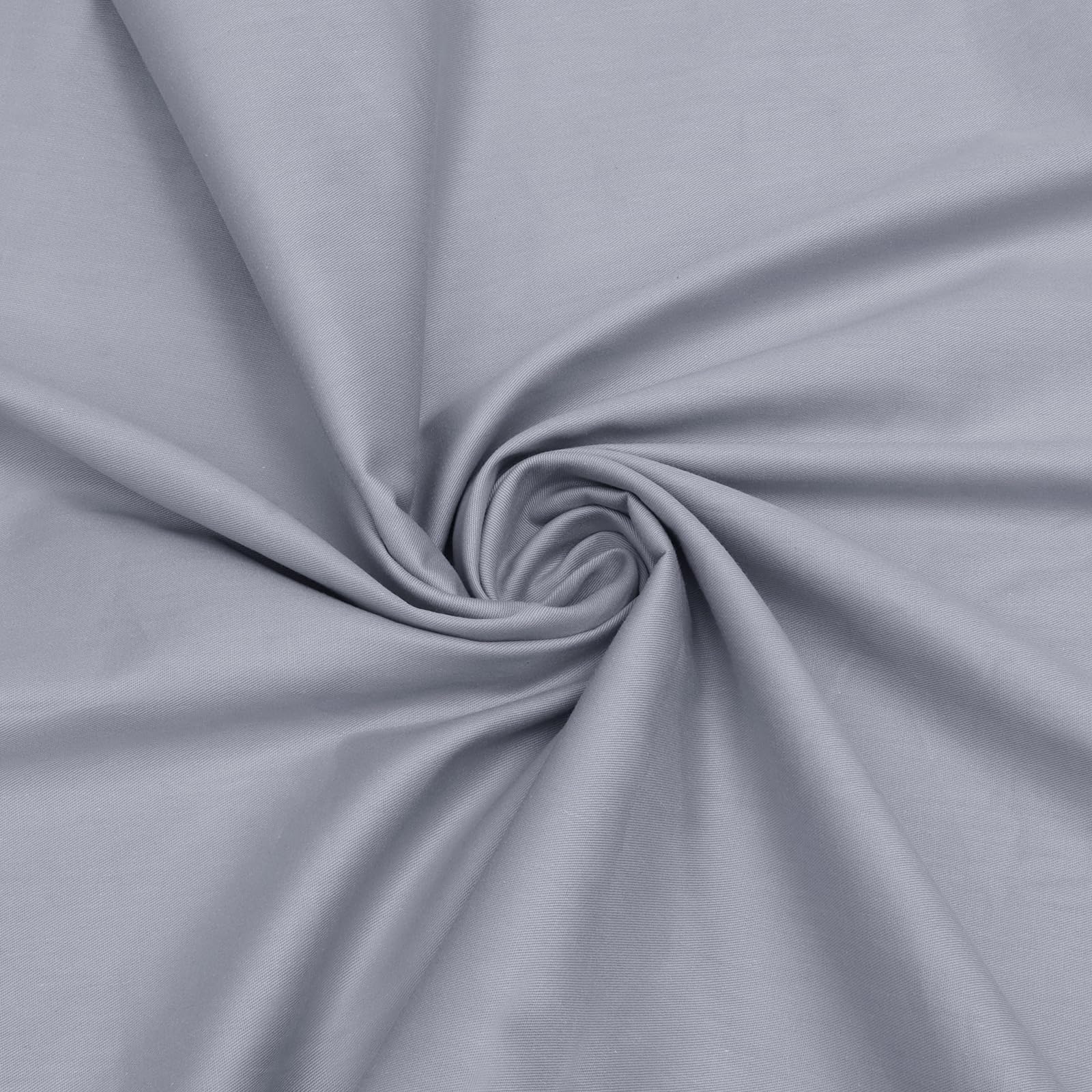
3. Homiest Light Gray Cotton Broadcloth Fabric by The Yard, 3Yards x56In
The heavy 3-yard precut that still runs under budget — but check your quilt width first
Narrow and heavy: this is a 56-inch-wide, 3-yard precut at 14.4 ounces total, which makes it the beefiest cloth of the three-yard cuts on this list. Compared with the Kona 108″ above, Homiest’s cut is 56 inches wide against 108 — half the width. That’s the honest trade-off, and it means this is a lap quilt and baby quilt backing, not a full bed quilt backing, unless you’re willing to piece. The cotton is a heavier broadcloth than typical muslin, and the buyers describe it as not punishing to cut, easy to press, and useful for bulletin boards, linings, and general crafts as well as quilt backs.
The listing’s own copy claims a 56″ x 3 yard pre-cut is ready to use for “full quilt backing without seams,” and that math doesn’t hold for a bed quilt. On a lap quilt or a play quilt, it’s a fair and inexpensive pick.
The recurring gripe divides into two camps: color reads differently than expected, and cut quality on the edges has been uneven. Less width than the 60″ described”), and one buyer mentioned “After prewash, frayed into knotted ball, further shrinking width.” This cloth frays at the cut ends, so finish the raw edges before washing and re-measure after drying.
Where it earns its keep: 14.4 ounces of cotton across three yards is generous fabric per dollar, and the medium-weight body makes it comfortable for quilt backs, linings, and utility projects like bulletin boards and pillows. The color reads as a light, matte gray in person.
The recurring gripe: edge quality — selvage cuts can run uneven and the width can come in under 60 inches after washing, so finish raw edges before prewash and re-measure. And with a 56-inch width, it will not cover a bed quilt without piecing.
Best fit: a lap-quilt or throw-quilt backer who wants three yards of heavier cotton at an entry-level tier — no continuous-run risk because the piece is already precut to size.
Skip if: your project is a full, queen, or king quilt top, or you need the exact width to come in as printed on the label after a wash.
4. Mook Fabrics Marble Tex Cotton Fabric, Arona Cut by The Yard

Wide, light, and cuts and irons like a dream — but the weave is loose
Two specs drive this pick: a 108-inch width at 12.8 ounces per yard, which lands it as the lightest wide back here. The Mook 108″ cut runs 108 inches wide against Homiest’s 56 inches — nearly double the usable width — at 12.8 ounces versus the heavier broadcloth. Cutting and sewing this one is the part everyone enjoys; the cloth is smooth, presses clean, and sews with almost no drag. The soft, silky hand feel is what most of the buyer notes circle back to, and it works for a queen quilt back with no piecing.
Machine wash and tumble-dry low is listed, and it holds color once washed. Longarm quilters note the cloth is stable enough not to shift under the needle.
The trade-off is weave density. A few quilters have flagged the weave as loose enough that batting can work its way through the stitch holes on a longarm — the cloth is not a tight plain weave, and on a high-loft batting that combination can show through. A medium-loft batting or a denser batting choice sidesteps the issue, and most owners never run into it at all. Also worth knowing: the listing sells by the yard but the Item Form tags list both “Cut by the Yard” and a 15-yard length option, so confirm the length you want on checkout.
Standout spec: 108 inches wide at 12.8 ounces per yard — the lightest wide back here, which keeps a quilt from feeling weighted and makes the top easy to maneuver through a domestic machine bed.
The recurring gripe: the weave is loose enough that some longarm quilters see batting cockle through the stitch lines, so match it with a denser batting if that’s your setup. Also worth checking shipping notes — this listing occasionally ships in pieces rather than one long cut, so confirm continuity on multi-yard orders.
Best fit: a queen-quilt backer who wants 108-inch width in a lighter cotton and doesn’t need the densest possible weave — this is the one to press into service when the project needs to drape softly.
Think twice if: you’re running a longarm with high-loft batting and expect a tight weave to hold the batting in check.
5. Supreme 108″ Quilt Backing – Grain of Color – Premium Cotton Fabric Cut by The Yard (Black Grain)
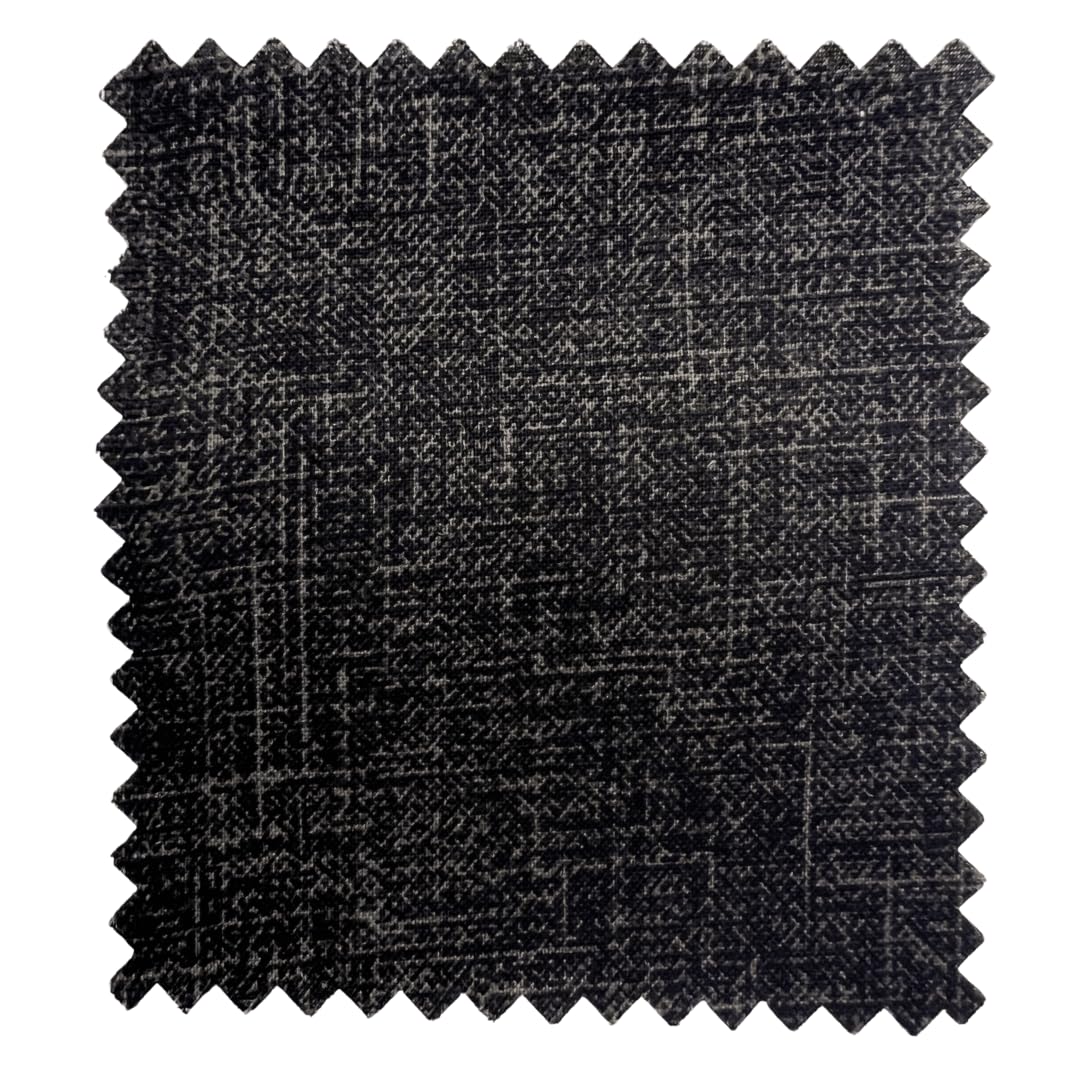
The multi-yard order that arrives whole — continuous cut is built into the listing
The seller promises the thing the others don’t: continuous yardage. Supreme’s listing explicitly states that orders of more than one yard ship as continuous yardage, and that a 15-yard order ships on a bolt in a box. That single promise eliminates the biggest multi-yard hazard on this list — critically, because the Kona 108″ above and the ROC-lon 118/120″ both have documented cases of arriving as separate one-yard pieces, whereas this one advertises the opposite.
Fabric quality is the dominant praise here — 100% cotton in a 108-inch width at 8 ounces per yard, so it runs the same weight as the Kona above. The color behind it is colorfast for multiple washes, and the color and print accuracy rate highly in reviews, including one buyer who noted the fabric arrived cut continuous with color accurately depicted.
Expect noticeable shrinkage on first wash if you skip a prewash — one buyer measured their cut width down from 108 inches after a cold wash and medium-heat dry. Prewash and dry low to lock in your working dimensions before you cut. Also worth knowing: the 15-yard bolts are the standard bolt size for this line, so if you order beyond that quantity you may see a shift in how it ships.
Where it wins: the continuous-cut promise is written into the listing, which removes the biggest risk of buying multi-yard backing online. 108-inch width and 8 ounces per yard match the Kona above, but Supreme handles the multi-yard problem directly.
Honest limit: full-width cotton shrinks noticeably after a wash — one owner measured their cut width in the low 100s after machine washing and medium-heat drying. Prewash and low-heat dry before cutting, and you won’t have to re-measure.
Best fit: any quilter ordering three or more yards at once and who refuses to gamble on a pieced backing — this is the listing that solves it, at a mid-range price from a specialty quilting shop named in the reviews as a “quilt shop quality” source.
Think twice if: you need to skip the prewash — this cotton does visibly shrink, and a backing that only just fits before its first wash may not fit after.
6. Cotton Fabric Natural Cotton Poplin Fabric by The Yard 100% Cotton, 59 Inches Wide Soft Embroidery Fabric Material for Quilting, Sewing, Crafts, Binding, Backing and Lining (Sage Green, 3 Yard)

A 3-yard poplin precut built for lining and backing on smaller quilts
The listing claims it “will not shrink after washing” — on a quilt back, one lost inch of width can mean one more seam. The listed weight is 5.2 oz per square yard (145 g/m2), which is precise and gives a light, plain-weave cotton poplin with a smooth surface that presses beautifully. At 59 inches wide, this is a three-yard precut, which puts it in the lap, baby, and small throw category — not a bed-quilt backer. Machine washable and dry-on-low, easy care.
Where it shines is in the mixed-use category: quilting, sewing, crafts, binding, backing, and lining are all explicitly listed, so a single 3-yard cut can serve multiple roles in one project. A queen-size quilt back works, but it needs to be pieced.
Two honest caveats. First, the fabric color reads lighter than advertised — the “sage green” is called out by some buyers as closer to a very pale green or light mint than the deeper sage the photos suggest; if your project depends on getting a specific shade, do a swatch. Second, the fabric’s quality reads mixed across the review pages, with some buyers happy and a few finding the cloth stiff or sheeny relative to a traditional muslin; the “See through thin, very sheer” note is a fit-note for anything meant to be a quilt top. As a quilt backer, the sheer/thin character is not usually a problem — but it does rule out using this cut as a front fabric.
Where it delivers
- 5.2 oz per square yard plain-weave poplin — light, easy to cut, presses clean
- Machine wash care, dry low — ready for regular laundering
- 59-inch width covers lap and baby quilt backs in one unbroken panel
- Multi-use: quilting, lining, binding, backing, and crafts on the same cut
Real limits
- Color accuracy is the recurring fit-note — suppliers describe it lighter than the listed name
- Sheer enough at 5.2 oz that it works as a backer, not as a main or front fabric
- 59-inch width needs piecing on a queen or king back
Reach for this: if you want a lighter, softer quilt backer for a lap or baby quilt in a mid-range color that behaves on the machine — and you don’t mind prewashing to confirm the shade.
Look elsewhere: if the exact color on the listing matters and you can’t risk a light-shade read, or if you need one unbroken piece for a bed-size quilt.
7. ROC-lon® 100% Cotton, 108″ Wide, Preshrunk, Lightweight, Quilt Backing Fabric for Sewing and Craft Solid Natural, 3 Yard Cut
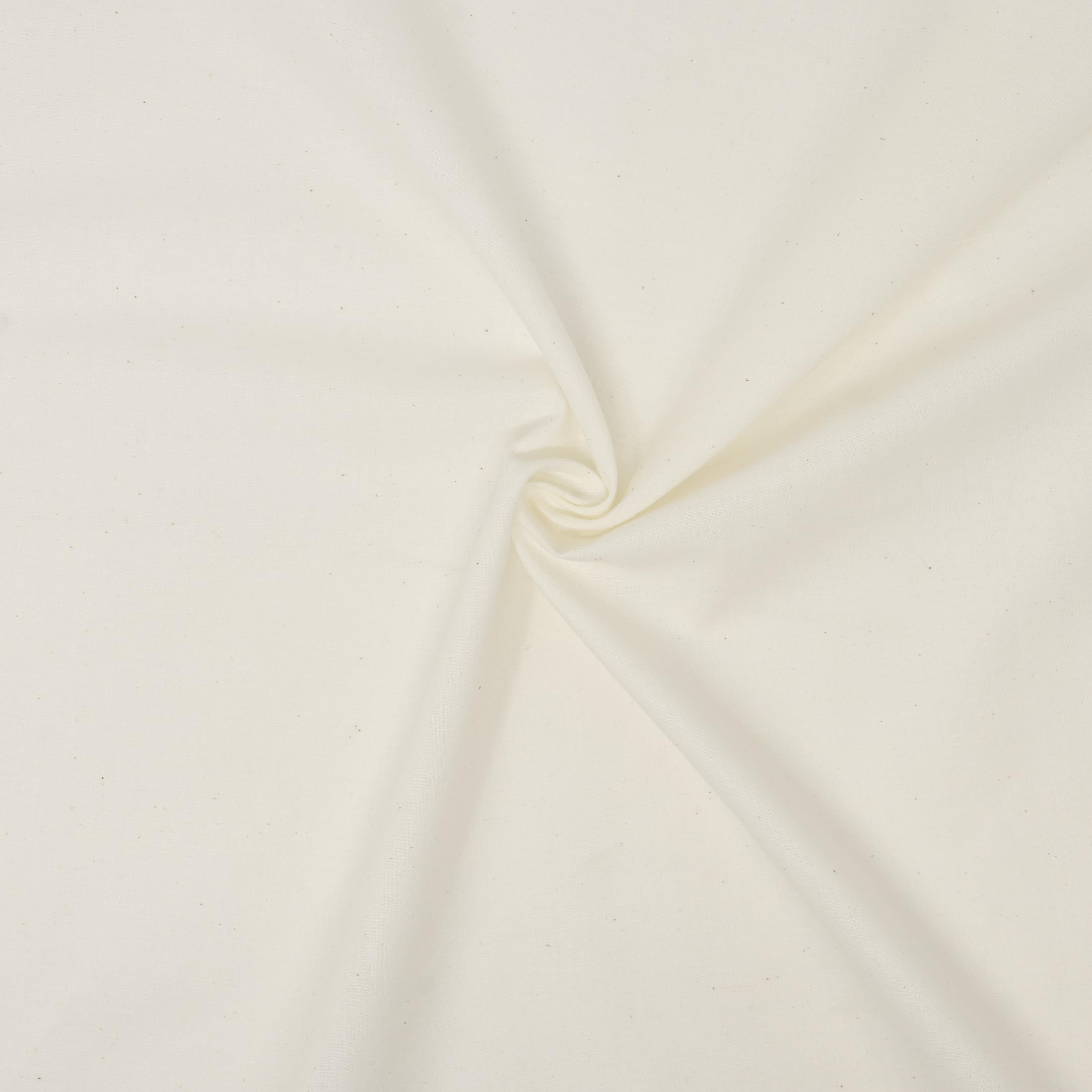
Preshrunk, wide, and light — pre-handled so the first wash is not a surprise
Preshrunk is the spec here, and it matters: this cut arrives already handled so you can skip the pre-wash risk of losing width on the first cycle — the difference between a backing you can measure and cut the day it arrives, versus one that needs a trip through the wash before you can trust its dimensions. It’s 108 inches wide, 100% cotton, and 12.8 ounces per yard, so it’s a lighter cut — good for quilts you want to drape, less ideal if you prefer a heavy back. Longarm quilters describe the size and 3-yard cut as workable for practical quilt assembly.
Appearance lands very well. Buyers describe the cloth as looking nicer in person than on the listing, and one called it similar to high-quality percale sheets — soft but crisp. Both backing and front-facing use come up in the reviews.
The persistent gripe is thickness. Several buyers describe it as thinner than expected — one called it “too sheer for quilt backing, better as lining” and wondered whether it was a natural cotton blend rather than pure cotton. Warmth and drape skip first, so if your quilt will see heavy use or a cool climate, weigh that in. The cloth reads more like a lightweight sheet than a sturdy cotton; it works best on quilts meant to be soft, not structural.
Where it shines: preshrunk and 108 inches wide in a lighter 12.8-ounce cotton — you can skip the pre-wash and cut immediately, and the cloth drapes instead of stiffening a quilt. Detailed wash instructions ship with it: cool iron, machine wash gentle cold, non-chlorine bleach, tumble dry low.
Size the trade-off: the recurring note is thinness — a few call it sheer and better as a lining than a backing, and consistency in color from batch to batch has been uneven. If you want a substantial backer that the batting can’t fight through, look to a heavier cotton, or the 118/120″ ROC-lon above.
Best fit: a quilter who hates washing before cutting and wants a wide, already-preshrunk backing to start on straight out of the package — especially for wall hangings, baby quilts, and soft summer quilts.
Look elsewhere: if you want a structural backer or a heavier finished quilt — this one runs light and a few quilters have found it sheer under a longer needle.
8. 63 inch x 10 Yards 100% Cotton Muslin Fabric Lightweight Natural Unbleached Muslin Fabric Textile Cloth Apparel Boho Wide Roll Backing Material for Sewing Material Apparel Cloth Quilting Draping
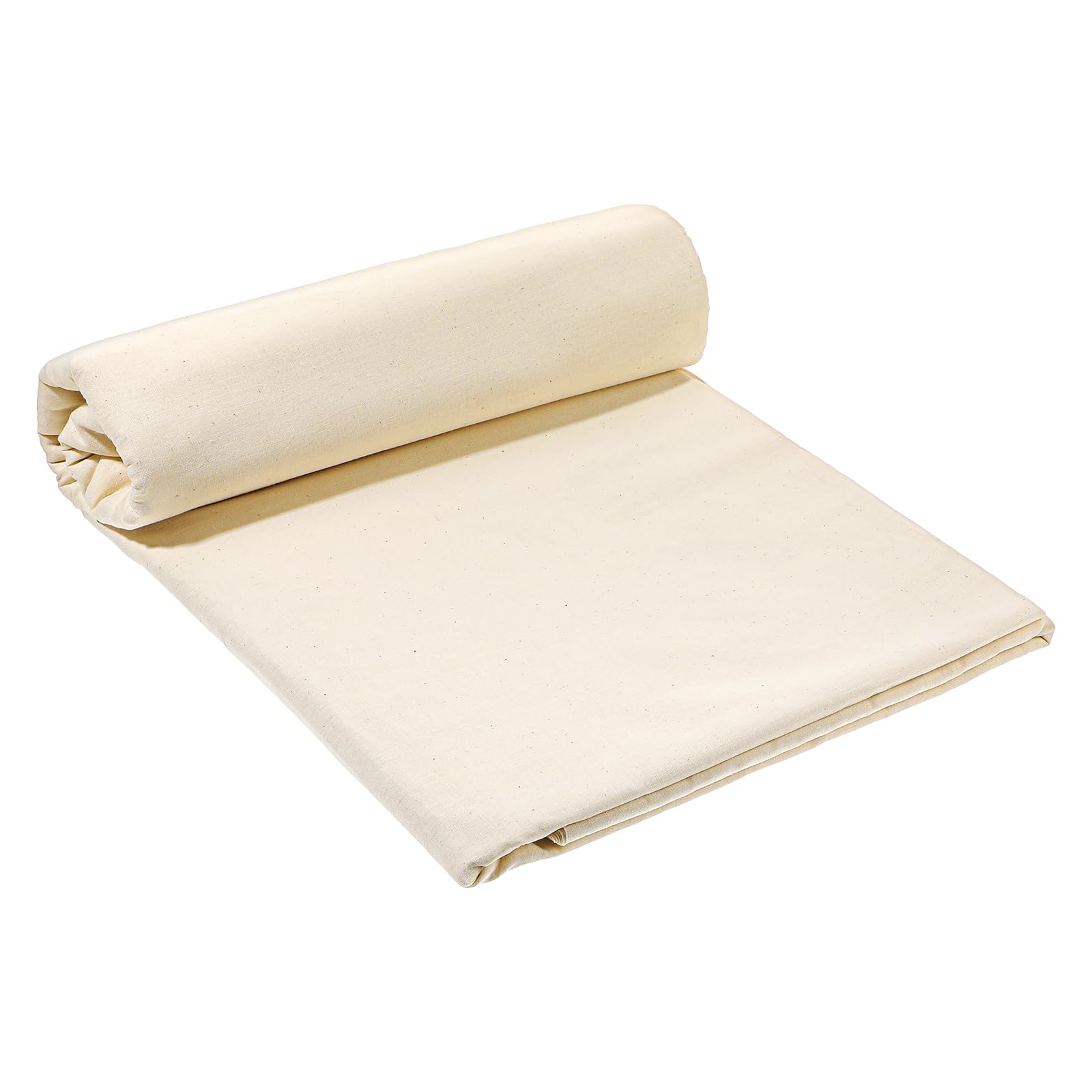
Ten yards of unbleached muslin, priced for mock-ups and utility use
Magnitude is the story here: a 63-inch wide, 10-yard roll of 100% cotton muslin — that’s a large working supply of fabric, enough for years of mock-ups, block tests, draping, and utility quilting. The roll arrives as one long cut, which is a meaningful practical advantage over per-yard cuts for anyone who runs through a lot of muslin. Unbleached natural white, no dyes, smooth surface, good drape — and the price-to-yardage ratio is the strongest of anything on this list.
Uses as listed span curtains, clothing, aprons, sheets, and crafts, plus backing, background, embroidery, and quilting. Several home sewers keep a roll like this as a workhorse — one used it for a full Regency-gown mock-up and noted plenty was left over for more projects. Drape and handling are the standout: “It’s easy to cut and sew, and I can easily see any tailoring marks I make on it.”
The recurring gripe is lint — unbleached cotton muslin sheds, and one reviewer notes having to clear the sewing machine bobbin case after one or two projects. A lint brush and regular cleaning keeps it manageable. If you want the fabric for a finished, heirloom quilt back, a prewashed, dressed cotton is the better choice; if you want utility, mock-ups, drape, and volume, this is the value pick.
Standout spec: 63 inches by 10 yards of 100% cotton muslin in one continuous roll — the biggest per-order volume here by a wide margin, and the pick for quilters who run through muslin for mock-ups and draping.
The trade: unbleached muslin is fuzzy and linty, and one owner reported needing to clear the bobbin case after one or two projects. Also worth noting: muslin drapes softly but lacks the body of a dressed quilt back, so on a finished heirloom quilt it reads a bit thin.
Best fit: a quilter or sewist who goes through a lot of muslin for mock-ups, block tests, draping templates, and utility quilting and wants it in one generous roll rather than yard-by-yard.
Skip if: your priority is a finished heirloom back — unbleached muslin’s lint and softness make it a better utility buy than an heirloom backer.
9. Tinyspool & Co. 100% American Cotton Fabric – 3 Yard Cut Quilting Fabric – Prewashed Preshrunk Yardage for Quilt Backing Borders Binding Sewing Crafts – Eternal Bleu No.15 – Baby Blue
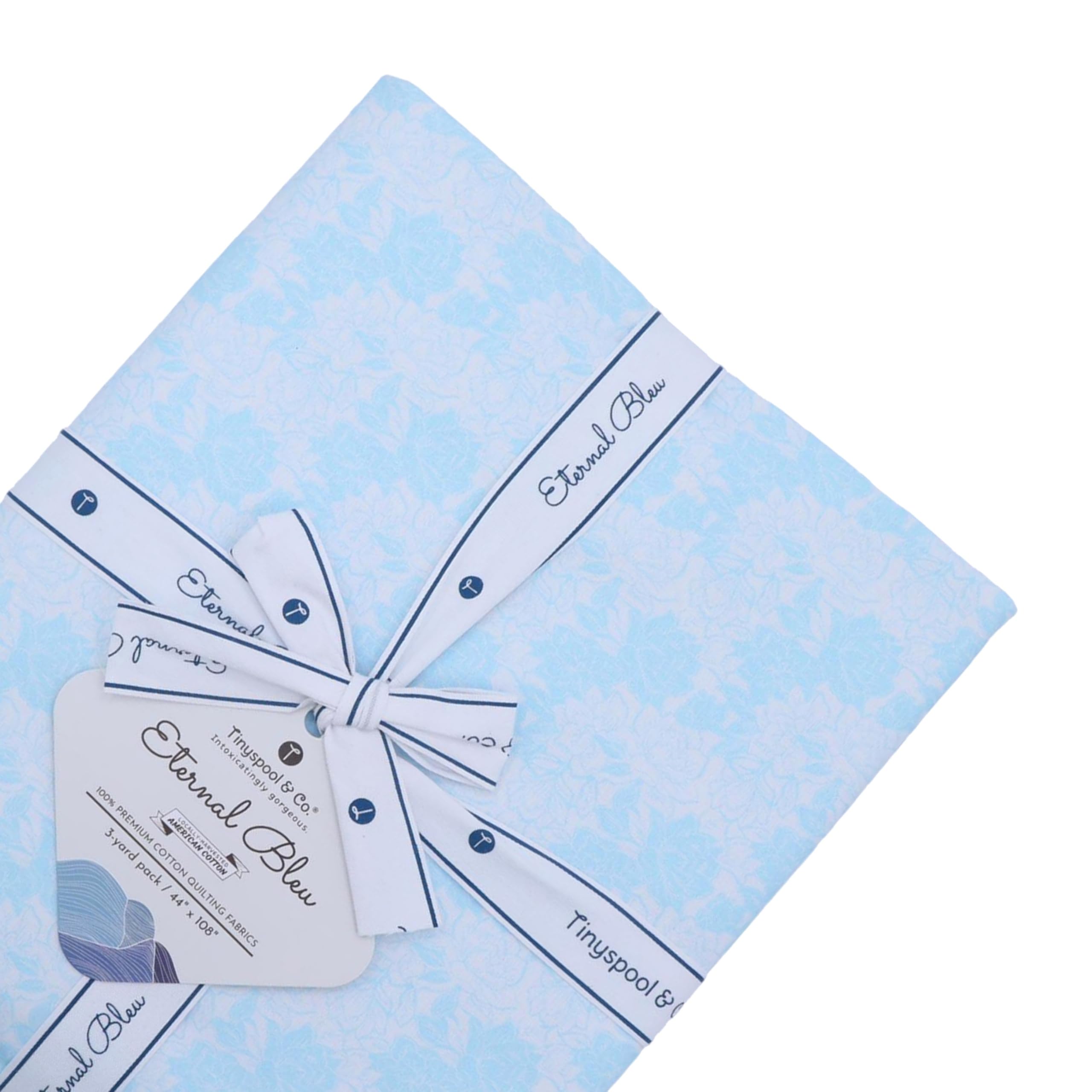
Cut from the package and start sewing — prewashed, preshrunk, printed American cotton
Scan this list for a backing that arrives ready to cut, and this Tinyspool cut stands out: it’s a 3-yard prewashed and preshrunk cut, so the fabric you see is what you get — no extra prep, no shrinkage surprise after sewing. Weight is listed at 155-160 GSM in plain weave (grams per square meter, a measure of how dense and heavy the cloth is — the higher the number, the beefier the cotton), and the maker describes it as 100% American-grown cotton with the softness and drape quilters expect. The collection has 20 exclusive prints under the Eternal Bleu No.15 baby-blue shade, so if this print isn’t the right one there are other coordinates in the same line.
Fabric quality is the thing everyone circles back to — the cloth is soft, holds a press, sews cleanly, and barely frayed on the cut. This is one of the two heaviest-rated cotton fabrics on this list; it reads sturdier than the lighter 12.8-ounce cottons and holds a quilt back with more body. Two more numbers owners appreciate: this cut is prewashed so warp and weft are already stabilized, and it’s described by one long-time quilter as a luxurious cloth and a fair value at this tier.
The only honest wrinkle is the other side of preshrinking — this cloth is heavier than the raw cotton backs above, and a few note the weight. It also costs more per yard than the entry-level cut options, which is a natural trade for the prewashed convenience and American cotton sourcing. One customer observed the color is slightly lighter than expected but framed that as a good surprise; worth a swatch check if a specific blue matters to your project.
Sold on
- Prewashed and preshrunk — straight to cutting, no prep cycle
- 155-160 GSM plain weave — sturdier than lighter backing cottons
- 100% American-grown cotton with a soft finish that presses well
- Part of a coordinated 20-print collection for borders, bindings, and backing
Weigh before you buy
- Heavier hand than a raw untreated backer — some quilters prefer a lighter weight
- Color can read slightly lighter than the listing swatch — swatch first if the shade is critical
- Smaller 3-yard cut, so larger quilts may need to piece or order multiples
Best fit: a quilter who wants to skip the pre-wash sprint and start cutting on day one, and who will pay slightly more per yard for the convenience of a preshrunk, American-grown cotton backer.
Think twice if: your quilt project needs an unusually light cotton back or the exact shade in the listing is critical to your palette — order a small cut first.
Understanding the Specs
Width in inches
Width is the spec that decides whether the back of your quilt will be a single panel or a pieced seam. Look for 108 inches for a bed-size back; 56 or 59 inches will work for lap and baby quilts but not for anything twin-size or larger without piecing. Also check that the listing’s actual cut is consistent with the displayed width — a few listings in this space show one width in the title and a different one in the product dimensions.
Weight in ounces or GSM
Weight controls drape, warmth, and how easily a needle passes through. Pounds and ounces are common on US listings; GSM (grams per square meter) appears on imported goods. Heavier cottons (around 14 ounces per yard or 155-160 GSM) hold shape well and warm a quilt; lighter cottons (around 8 ounces) drape softly and suit summer quilts. Both are valid — pick by how you want the finished quilt to feel.
Wash and shrink behavior
Prewashed or preshrunk cuts save the pre-wash step but often cost a little more per yard. Raw cotton may shrink noticeably on the first wash — several inches across a wide cut — so either prewash it yourself or size your project with that shrinkage in mind. Machine wash cold and tumble dry low is the common safe routine.
Cut continuity
Most backing is sold by the yard and cut to order. The good listings sell continuous length; the risky ones have shipped multiple one-yard strips instead. For anything beyond two yards, favor listings that explicitly promise continuous yardage, or confirm by message before placing the order.
FAQ
What width do I need for a queen-size quilt back?
Is 100% cotton always the right backing material for a quilt?
Why did my backing arrive in separate one-yard pieces?
Do I need to prewash backing fabric before sewing?
What is the difference between 108-inch and 118/120-inch wide backing?
Does lighter backing fabric hold up as well as heavier backing?
Can I use muslin instead of a labeled quilt-backing fabric?
How many yards of backing do I need for a quilting project?
Is prewashed fabric worth the extra cost for quilt backing?
Will unbleached muslin work as a finished quilt back?
Final Thoughts: The Verdict
For most quilters, the backing material for quilting winner is the Kona Cotton 108″ Wide Quilt Back Navy because 108-inch width, 100% cotton construction, and light 8-ounce weight let you back a twin-size or larger quilt in one unbroken panel — no center seam to fight. If you want the widest possible cotton back for a king quilt, grab the ROC-lon 118/120″ Wide Permanent Press Backing and its extra 10 to 12 inches of width. And for a ready-to-cut, prewashed, American-grown backer that skips the wash-step entirely, the Tinyspool & Co. 3-Yard Cut is the one to reach for — its ready-to-sew convenience is worth the tier bump. Whichever cut you land on, confirm continuous yardage before ordering more than two yards, and prewash anything not labeled preshrunk.
How We Picked
We do not accept paid placement. Every pick is matched to a real buyer and a real use-case; we do not hands-on test units.
Sources & Methodology
Specifications: manufacturer listings and product documentation. Review insights: verified customer reviews, as of September 2026. Pricing: not shown on this page (it changes often); check the current price via the retailer link.
As an Amazon Associate, KitchPrep earns from qualifying purchases. This does not affect which products we feature.
Related Guides
