
Specs are compiled from manufacturer listings and verified buyer reviews and can change over time — please confirm the key details on the product page before buying.
You need a 100A subpanel to safely power a garage workshop, finished basement, or detached pole barn without overloading your main box. Your buying decision depends on three things: how many breaker spaces you need, if you want a main breaker for shut-off convenience, and whether the panel matches the brand of breakers already in your home. This guide sorts through the options so you can pick the one that fits your wiring plan without paying for capacity you will never use.
I’m Mohammad Maruf — the founder and writer behind KitchPrep. This guide is built by comparing the manufacturers’ published specifications and the patterns across verified customer reviews, so you get each pick’s real strengths and trade-offs instead of marketing spin.
For a detached garage, the right 100a subpanel must pair with your existing breaker brand and offer enough slots for the circuits you plan to run.
Our Picks at a Glance
How To Choose The Best 100A Subpanel
Choosing a 100A subpanel means matching the box to your existing breaker brand and wiring plan, not just grabbing the biggest one. Avoid the two common pitfalls: picking a panel that uses a different breaker brand than your main house, and overbuying on spaces you won’t use.
Count Spaces, Not Just Circuits
The space count is the number of full-size breaker slots. A “12-space 24-circuit” panel doubles that count because each slot accepts a tandem breaker (a slim breaker that fits two circuits in one slot). More spaces give you room to expand later, but you pay a premium for that flexibility upfront.
Main Breaker vs Main Lug
A main breaker panel includes a built-in shut-off at the box, ideal for subpanels located far from the main house. A main lug panel lacks a breaker, serving only as a distribution point fed by a breaker at the main panel. Main lug panels cost less but force you to return to the main house to shut off power.
Match the Breaker Brand
Subpanels are brand-specific: Square D QO breakers fit QO panels, Siemens breakers fit Siemens panels, and so on. Match your subpanel to your main panel’s breaker brand to keep a single breaker type in stock.
Quick Comparison
| Model | Best For | Spaces / Circuits | Main Breaker | Bus Material | Amazon |
|---|---|---|---|---|---|
| Square D QO612L100RBCP★ Best Overall | Compact outdoor feeder | 6 / 12 | No (Main Lug) | — | Amazon |
| Square D QO816L100DSTop Performer | Slim indoor spaces | 8 / 16 | No (Main Lug) | Aluminum | Amazon |
| Square D QO2100NRBCPCompact Pick | Tiny outdoor disconnect | 2 / 2 | Yes | — | Amazon |
| Siemens SN1224B1100 | Mid-size indoor wiring room | 12 / 24 | Yes | Aluminum | Amazon |
| Square D HOM816M100PC | Garage / shop with arc-faults | 8 / 16 | Yes | Aluminum | Amazon |
| ABB TM2010CCUBK1 | Pole barns with starter breakers | 20 / 20 | Yes | Copper (tin-plated) | Amazon |
| Leviton LP210-BPD | Whole-panel pre-wiring | 20 / 20 | Yes | Copper (tin-plated) | Amazon |
| Siemens PN1224B1100C | Max space in a small footprint | 12 / 24 | Yes | Copper | Amazon |
In-Depth Reviews
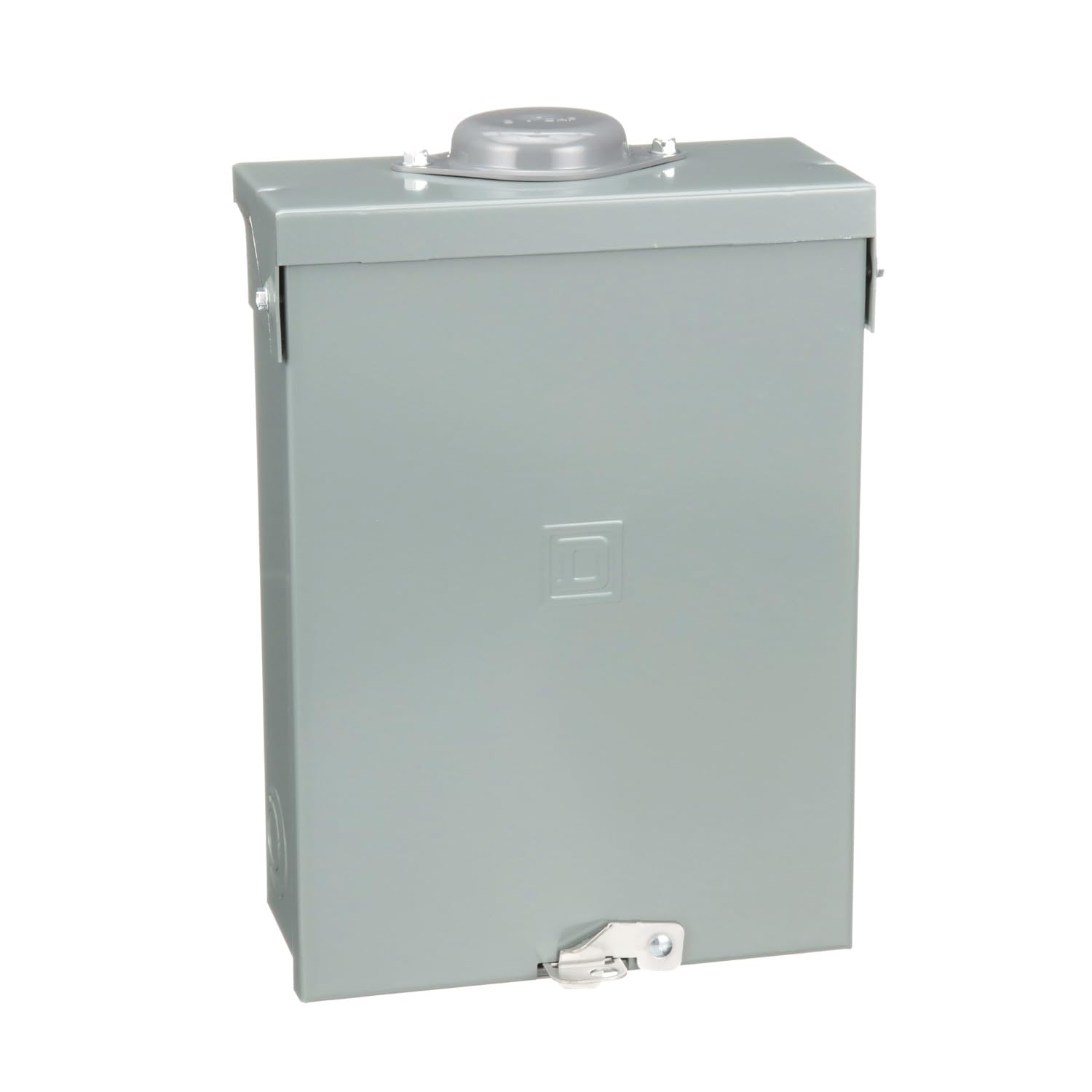
1. Square D – QO612L100RBCP QO 100 Amp 6-Space 12-Circuit Outdoor Main Lugs Load Center with Cover
Our pick — over 4.5★ from 200+ verified ratings; the strongest balance of quality and price.
The weatherproof workhorse for feeding power to a yard structure without a single empty slot left over.
What wins people over here is the build quality — buyers report “Excellent Construction for Exterior Weatherproof mounting,” and the rugged plastic housing backs that up for outdoor duty. As a main lug design, it has no main breaker, so it relies on a breaker at your main house for shut-off, which is standard practice for a feeder to a dock or yard house. In fact, several owners are using it exactly that way: as a combiner box shutoff for a 48V solar array where the cable comes together before running to a charge controller.
Six slots for secondary breakers is modest, but the plastic construction keeps it light at 9.6 pounds, and the cover features a lock so you can secure it against curious hands. It works as a subpanel for a main panel that has no empty slots left, and the internals are easy to reach.
The honest trade-off is that there is no ground lug mounted inside — owners mention it is a cheap part at a local hardware store. Do not buy this expecting a big multi-branch setup; it is a focused, small outdoor feeder, not a whole-shop distribution hub.
What owners cheer
- Rated for outdoor weatherproof mounting with a lockable cover
- Well-built internals that electricians themselves recommend for subpanel duty
- Versatile enough to serve as a solar combiner shutoff box
Going in knowing
- No ground lug mounted inside — you add one locally
- No main breaker, so shut-off happens back at the main panel
- Returns are not honored on this closeout item
Reach for this if: you need a compact, rain-safe way to power one outbuilding and already have room at the main panel for the feeder breaker.
Look elsewhere if: your project calls for many branch circuits or you want a local shut-off switch at the subpanel itself.
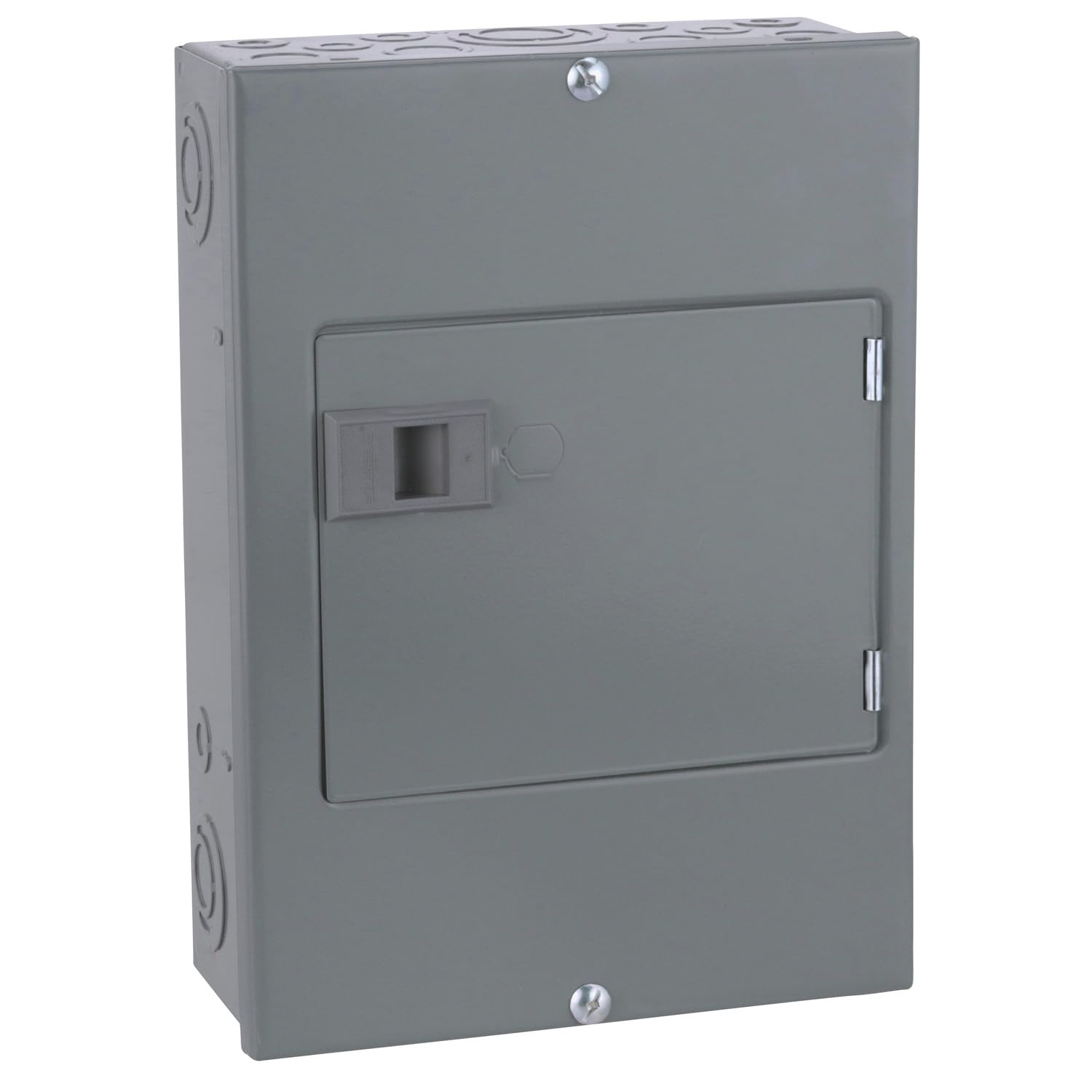
2. Square D – Square D QO816L100DS Load Center, Lug, 100A, 120/240Vac, 1Ph, MEDIUM
Squeeks into tight walls at just 3.8 inches deep while still landing 16 circuits for a growing home shop.
Buyers describe this as a better-grade Square D product, and the numbers back it: the aluminum-bodied interior is rated for 16 circuits in an 8-space layout, and it accepts the less expensive QOT breakers, up to 8 tandems for 16 circuits. A tandem breaker fits two circuits in one slot, so you effectively double your branch capacity without buying a larger enclosure.
At 8 pounds it is the slim pick of the group — noticeably lighter than the 9.6-pound outdoor Square D above — and the shallow depth makes it a candidate for stud bays where a deeper panel will not fit. You can also mount up to 4 ground bars, and the many knockouts in varied sizes give you flexible wire entry. It is built for indoor use only with a surface-mount cover and door included, plus it accommodates a plug-on secondary surge arrestor, which is sold separately.
The main feeders terminate from the top, though feeders can enter from any direction. Just know that the device cannot be rotated, so plan your wire approach before mounting. And since it is a main lug panel, there is no integrated shut-off breaker at the box.
Why it sells
- Ultra-slim 3.8-inch depth fits snug wall cavities
- Accepts up to 8 tandem breakers for 16 circuits to save space
- Holds up to 4 ground bars for complex installs
The fit note
- Main lug design means no local main breaker shut-off
- The ground bar kit is sold separately
- Indoor-only enclosure — keep it out of the weather
Best for: anyone squeezing a subpanel into a tight indoor recess who wants generous knockout options and the flexibility of tandem breakers later.
Think twice if: your install is outdoors — this one is strictly an indoor load center.
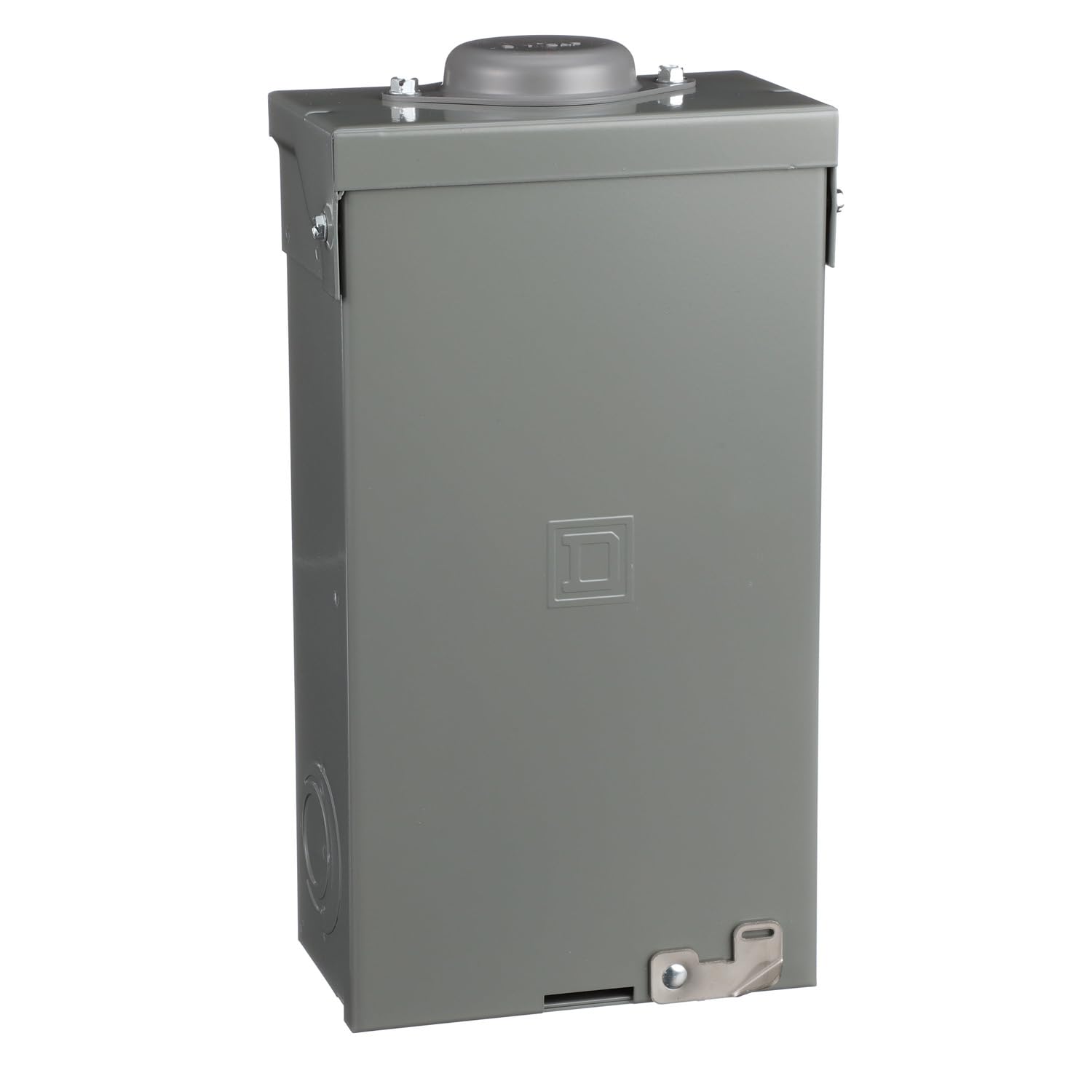
3. Square D – QO2100NRBCP QO Load Center Enclosure, Installed 100 A MB Circuit Breaker, 1-Phase, 2-Space
A ready-made 100A disconnect in a rainproof box that owners call a must-have for subpanels.
This is the smallest unit here at just 2 spaces, but it comes with the 100 amp main breaker already installed — customers note “The added 100 amp circuit breaker makes this a great deal,” since you skip the separate breaker purchase. That pre-installed main breaker is the whole point: it gives you a code-compliant external disconnect for a generator or for a subpanel feed, right at the box.
Owners are using it as a disconnect for a 22 kW Generac generator, and the rainproof enclosure is built for outdoor mounting. The push-in breaker design includes a small tab at the bottom of the panel that swings out to make the cover lockable, which adds security for an exterior install. The 120/240V single-phase rating covers standard residential needs.
The catch here is the same one that appears across this category: the ground bar is not included, and one has to be installed to meet code. It is also a no-return closeout item, so inspect it on arrival. For a large multi-branch shop, 2 spaces will feel cramped — this is a disconnect box first, a distribution panel second.
What you gain
- 100A main breaker pre-installed saves a separate purchase
- Rainproof plastic housing suited for exterior mounting
- Lockable cover tab for outdoor security
Know before you order
- Only 2 breaker spaces limits branch circuit capacity
- Ground bar sold separately; needed for code compliance
- Closeout item with no returns honored
Go with it if: you need a weather-safe 100A disconnect point for a generator or a single subpanel feed, not a multi-circuit hub.
Pass on it if: you expect to power several different rooms or tools from this one box.
4. SN Series 100 Amp 12-Space 24-Circuit Main Breaker Plug-On Neutral Indoor Load Center

Doubles your branch capacity to 24 circuits, and Siemens plug-on neutral speeds up a tidy install.
Twelve spaces and 24 circuits is the balance for a mid-size shop, and the Siemens SN Series packs that into a 20.25-inch-tall aluminum-bus enclosure with a factory-installed 100A main breaker. The plug-on neutral design means your neutral wires connect directly to the bus without needing a separate lug kit, which is a genuine time-saver if you are doing the install yourself. Owners who replaced an old 8-slot Murray subpanel bought this specifically to reuse their existing Siemens QP breakers.
There is over 4 inches of wire bending space inside, so landing thick feeder cables is not a wrestling match, and the NEMA Type 1 enclosure is rated for indoor use. The interrupt rating is 22000AIC, which is the panel’s capacity to safely stop a massive short-circuit fault. One factory-installed ground bar comes in the box, plus a 1-phase, 3-wire 120/240V layout is the standard residential configuration.
The notable constraint is brand lock-in: this panel needs Siemens breakers, so it only works if your main panel is also Siemens — the same-brand requirement is a real consideration owners flag. It would not suit a Square D or Homeline main system.
What makes it easy
- Plug-on neutral simplifies hooking up neutral wires
- Over 4 inches of bending space for thick feeder wire
- Main breaker built in, with 1 ground bar included
What to weigh
- Requires Siemens breakers to match this panel brand
- Indoor NEMA 1 enclosure only — not for wet locations
- 12 spaces can fill fast if you plan many dedicated circuits
Choose it for: a Siemens-equipped home adding a mid-sized subpanel where plug-on neutral wiring speed and 24-circuit headroom matter.
skip it if: your main panel is a Square D or other brand — breaker compatibility will force your choice.
5. Square D – HOM816M100PC Homeline 100 Amp 8-Space 16-Circuit Indoor Main Breaker Load Center with Cover (Plug-on Neutral Ready)

A garage renovation staple — sturdy, affordable, and ready for the latest Homeline arc-fault breakers.
This Homeline panel has a fully distributed neutral bar, which means you can install Homeline Plug-on Neutral combination arc fault breakers on any space in the box. Arc-fault breakers detect dangerous sparking in wiring and shut the circuit down — a real safety upgrade for a garage or shop where power tools run. Each pole space accepts full-size, tandem, or quad breakers, so the 8 spaces expand to 16 circuits when you need them.
Owners call it a “great little panel for a garage renovation,” noting it has more than enough circuits for any garage or small shop application, and the 14-pound weight reflects a sturdy steel build. The combination flush/surface indoor cover fits whether you mount it recessed between studs or on the wall surface. The ground and neutral bars accept up to three 0-14 equipment grounds each, which covers most residential grounding runs.
The plug-on neutral is “ready” rather than built-in, so the ground kit is a separate purchase — a step that owners say involves a separate ground lug strip and ground rod cable for subpanel use. Also note the top punch-outs are soft, so it is easy to oversize a hole if you hit them too hard with a hammer.
The strong points
- Distributed neutral bar accepts plug-on arc-fault breakers anywhere
- Each space takes full-size, tandem, or quad breakers
- Backed by a 10-year warranty for residential use
Handle with care
- Ground kit sold separately for subpanel grounding
- Top knockouts are soft and easy to oversize
- Homeline breakers needed — different from Square D QO line
Reach for it if: your home uses the Homeline breaker family and you want an affordable indoor panel that takes modern plug-on arc-fault breakers.
Look elsewhere if: you already own Square D QO breakers — the Homeline line does not accept them.
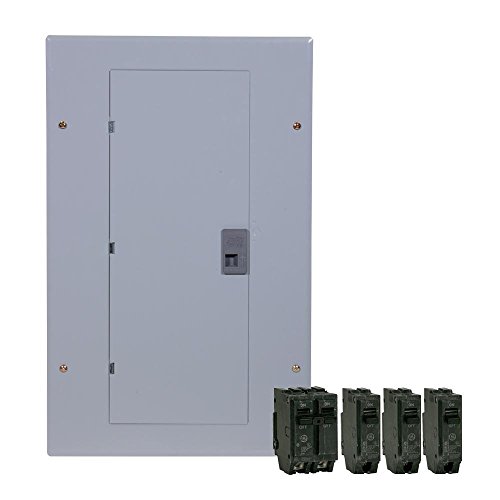
6. ABB 100A Main Breaker Load Center • Indoor Panel • 20-Space/20-Circuit
Arrives with four breakers already inside — a working 100A panel from the start for a barn or big shop.
This is the value pack that skips the second shopping trip: it comes factory-equipped with a 100A main breaker, plus three 20A single-pole and one 30A double-pole breakers to get you started. The crowd favorite review sums it up: “the additional breakers it comes with is a bonus.” Being part of the ABB/GE brand family, more breakers are easy to pick up at big-box stores, so expansion does not require special ordering.
Under the hood, the tin-plated copper bus bar boost conductivity for stable power distribution, and the NEMA 1 rated galvanized steel enclosure resists rust. The 22 kAIC interrupt rating tells you this panel can safely handle a very high fault current before tripping. With split neutral holes rated for 14-4 wire and compatibility with THQP, GFCI, AFCI, and Dual Function breakers, it is designed for modern wiring needs.
It is a roomy 20-space box at 23 inches tall, sized for a residence or a small shop. Owners note it is easy to install if you are knowledgeable, though one panel arrived with minor shipping damage while working fine.
The bonus you get
- Four breakers included alongside the 100A main
- 20 full-size spaces for a large shop or barn
- Rust-resistant galvanized steel with tin-plated copper bus
Worth knowing
- NEMA 1 indoor enclosure only
- Shipping boxes can take a bump in transit
- ABB/GE breaker line — a different family than Square D
Pick this if: you want the most ready-to-run 100A panel for a pole barn or big garage, with starter breakers already in place.
Consider other options if: your main house panel runs Square D or Siemens breakers and you want one breaker family across the whole property.
7. Leviton 20 Space, 20 Circuit Indoor Load Center with 100 Amp Main Circuit Breaker, LP210-BPD

A white powder-coated panel that lets you wire the whole box before any breaker goes in.
The Leviton’s party piece is rough-in wiring: you can wire the entire load center at rough-in with no circuit breakers present, then snap breakers in later. Owners call this a safer way to install and swap breakers with minimal effort, and the plug-on neutral design removes the fiddly screw terminals on every neutral splice. The white, powder-coated finish gives it a sleek, modern look that reviewers point out pairs perfectly with an existing Leviton main panel.
Every Leviton load center comes standard with tin-plated copper bussing for superior conductivity, and the 25.8-pound weight tells you this is a heavy, substantial panel. Notches stamped into the enclosure for cable ties promote secure, neat wiring — a small touch that keeps your work looking professional. A 10-year limited warranty backs the whole unit.
Two honest caveats sit with this premium pick: the door and cover are sold separately, so budget for that extra part, and it runs on Leviton’s proprietary breaker line, so you are locked into their ecosystem. A few owners also note the cover screws are not included and that panel screws can strip under high torque when landing 6AWG wire.
Why it impresses
- Wire the entire panel before any breaker is installed
- Tinned copper bussing with modern white finish
- Notches for cable ties keep wiring orderly
Budget for extras
- Door and cover sold separately
- Cover screws not included in the box
- Proprietary Leviton breakers required
Go for it if: you are building a Leviton-based system and value pre-wiring convenience plus a clean, modern look.
Hold off if: you want a door right from the start or need a panel that shares breakers with an existing Square D or Siemens setup.
8. PN Series 100 Amp 12-Space 24-Circuit Main Breaker Plug-On Neutral Load Center Indoor with Copper Bus

The copper-bus upgrade of the Siemens 12-space panel, giving better conductivity than aluminum.
This is the higher-spec cousin of Product 4: identical 12-space/24-circuit layout, but the connecting bars are copper, not aluminum as found on cheaper boxes. Copper carries current more efficiently than aluminum, which is why owners call it “best around” and praise it as not a Chinese-made unit. The 100A main breaker is already installed, and the plug-on neutral design means your neutral wires push straight onto the bus for a fast, reliable connection.
Two factory-installed ground bars come in the box, and the panel can be left unbonded as a subpanel — meaning you keep the neutral and ground separate, which is exactly what code requires for a subpanel feed. The NEMA 1 enclosure is indoor-only, and there is over 4 inches of wire bending space plus plenty of entry points for a neat wiring job. The interrupt rating of 22000AIC handles high fault currents safely.
The practical watch-outs: the main breaker should be checked to confirm it latches properly before install, and the panelboard is held by just 2 screws, so owners advise holding the breaker when tightening cable clamps to avoid breaking the mounting boss. It is also a Siemens-only panel, so it belongs in a Siemens breaker household.
The upgrade that counts
- Copper bus bar for better conductivity than aluminum
- Two ground bars pre-installed for subpanel bonding
- Over 4 inches of wire bending space for easy terminations
Install with care
- Verify the main breaker latches before you mount it
- Panelboard held by 2 screws — brace it while torquing cables
- Indoor unit; Siemens breakers only
Reach for this if: you want Siemens quality with the conductivity of a copper bus in a 12-space subpanel and you already run Siemens breakers.
Choose the aluminum version if: you want the same layout at a lower cost and do not need the copper conductivity upgrade.
9. PN Series 100 Amp 12-Space 24-Circuit Main Breaker Plug-On Neutral Load Center Indoor with Copper Bus
The copper-bus upgrade of the Siemens 12-space panel, giving better conductivity than aluminum.
This is the higher-spec cousin of Product 4: identical 12-space/24-circuit layout, but the connecting bars are copper, not aluminum as found on cheaper boxes. Copper carries current more efficiently than aluminum, which is why owners call it “best around” and praise it as not a Chinese-made unit. The 100A main breaker is already installed, and the plug-on neutral design means your neutral wires push straight onto the bus for a fast, reliable connection.
Two factory-installed ground bars come in the box, and the panel can be left unbonded as a subpanel — meaning you keep the neutral and ground separate, which is exactly what code requires for a subpanel feed. The NEMA 1 enclosure is indoor-only, and there is over 4 inches of wire bending space plus plenty of entry points for a neat wiring job. The interrupt rating of 22000AIC handles high fault currents safely.
The practical watch-outs: the main breaker should be checked to confirm it latches properly before install, and the panelboard is held by just 2 screws, so owners advise holding the breaker when tightening cable clamps to avoid breaking the mounting boss. It is also a Siemens-only panel, so it belongs in a Siemens breaker household.
The upgrade that counts
- Copper bus bar for better conductivity than aluminum
- Two ground bars pre-installed for subpanel bonding
- Over 4 inches of wire bending space for easy terminations
Install with care
- Verify the main breaker latches before you mount it
- Panelboard held by 2 screws — brace it while torquing cables
- Indoor unit; Siemens breakers only
Reach for this if: you want Siemens quality with the conductivity of a copper bus in a 12-space subpanel and you already run Siemens breakers.
Choose the aluminum version if: you want the same layout at a lower cost and do not need the copper conductivity upgrade.
