
Specs are compiled from manufacturer listings and verified buyer reviews and can change over time — please confirm the key details on the product page before buying.
If you are here, you are probably tired of hunting for a material that cuts cleanly, sticks where you put it, and actually stops the noise, cold, or vibration you are chasing. This guide digs into 1/4-inch foam board options that all share a closed-cell makeup, which means they resist water, hold their shape, and give you a real buffer between surfaces. We have organized the picks by what owners actually do with them, from silencing a window air conditioner to padding a workshop drawer, so you can match the roll to the job instead of guessing.
I’m Mohammad Maruf — the founder and writer behind KitchPrep. This guide is built by comparing the manufacturers’ published specifications and the patterns across verified customer reviews, so you get each pick’s real strengths and trade-offs instead of marketing spin.
You need a 1/4 foam board that blocks sound, seals a gap, or adds cushioning—but picking the wrong one wastes money and time. This guide compares the top options so you can match the material to your project without guessing.
Our Picks at a Glance


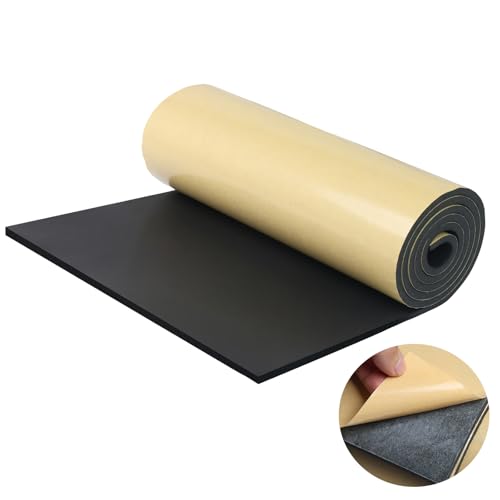
How To Choose The Best 1/4 Foam Board
Before you add a roll to your cart, you need to know what job it is doing. The best 1/4 foam board for sealing a car door is not automatically the best one for upholstery, because the material and the backing change how it behaves. Focus on the environment it will live in, whether it will see moisture, and how much pressure it will take.
Closed Cell vs Open Cell: Why It Matters
The picks here are almost all closed-cell, which means the bubbles inside the foam do not connect to each other. That structure blocks water and air from passing through, so it works for sealing, soundproofing, and outdoor use. Open-cell foam soaks up moisture and squishes flat over time, so it is wrong for gaskets or anything near rain.
Adhesive Backing: Convenience vs Control
Some rolls come with a peel-and-stick backing, so you skip buying spray adhesive. That works well for a permanent bond, but you cannot slide the sheet once it touches the surface—so positioning must be exact the first time. If you are tracing and cutting a gasket before placement, think twice about whether the sticky layer helps or hinders.
Thickness Checking: What Arrives vs What Is Listed
A roll shipped in a tight coil or vacuum-sealed bag can arrive looking thinner than the listed 1/4 inch. Owners of several rolls here note the foam needs time to relax and puff back up. If your project needs the full thickness to seal properly, give the sheet a day to recover before installation, and pat it gently if it was vacuum-packed.
Quick Comparison
| Model | Best For | Material | Size | Adhesive | Amazon |
|---|---|---|---|---|---|
| Artilife Closed Cell Foam Roll★ Best Overall | Large DIY padding and insulation projects | EPDM | 17″ x 80″ | No | Amazon |
| DGSL Neoprene SheetBest for Gaskets | Tail light and pump gaskets | Neoprene | 12″ x 59″ | Yes | Amazon |
| Eunice Neoprene Foam SheetTop Performer | Cushioning against rubbing and abrasion | Neoprene | 12″ x 59″ | Yes | Amazon |
| YOGHAVRS Adhesive Foam Roll | Weatherproofing windows and vents | Neoprene | 12″ x 59″ | Yes | Amazon |
| Storystore Neoprene Sheet | Marine and cabin lining | Foam / Rubber | 12″ x 59″ | Yes | Amazon |
| ToLanbbt Neoprene Foam Sheet | Tough sealing in damp basements | Neoprene | 12″ x 59″ | Yes | Amazon |
| MYFAMIREA Neoprene Mat | Cabinet buffers and AC side flaps | Neoprene | 12″ x 60″ | Yes | Amazon |
| Amylove Upholstery Foam Sheet | Upholstery padding and crafts | Polyurethane | 24″ x 72″ | No | Amazon |
In‑Depth Reviews
1. Artilife Closed Cell Foam Roll
Our pick — 4.5★ from 850+ verified ratings; the strongest balance of quality and price.
The oversized roll that gives you the most square footage to cut down for any job.
If you want one roll that can handle sound deadening, pipe insulation, and cushioning without running out halfway, this is the pick. It measures a generous 17 inches wide by 80 inches long at the 1/4-inch thickness, which is noticeably larger than the standard 12-inch-wide sheets you see elsewhere on this list. That extra width makes it easier to cover bigger panels like a dishwasher side or a workbench top in fewer strips.
The material is EPDM, a closed-cell rubber that owners describe as dense, squishy, and water-resistant. Insulation is the thing people praise most here, with dozens of buyers using it to quiet dishwashers and wrap water pressure tanks to stop them sweating. A common scene in the reviews is cutting it into door padding for a two-post lift, where it was soft enough to avoid marring the car but dense enough to protect it.
The trade-off is thickness accuracy, with some rolls arriving closer to 1/16 inch than the listed 1/4 inch. Some buyers report the roll arrives thinner than expected, closer to 1/16th inch in a few cases, so if your seal depends on the exact 1/4-inch depth, check it after unrolling. There is no adhesive backing on this one, so you will need your own spray adhesive or tape for permanent placement.
What wins people over
- Big 17″ x 80″ sheet means fewer seams on large surfaces
- Dense EPDM foam stays tough and water-resistant
- Easy to trim into custom pads and gaskets
Keep in mind
- No adhesive backing, so you supply your own glue
- Some rolls arrive thinner than the listed 1/4 inch
- Density varies between batches per some buyers
Reach for it if: you need maximum coverage and plan to cut your own shapes for insulation or padding.
Look elsewhere if: you want a peel-and-stick sheet that is ready to mount straight out of the package.
2. DGSL Foam Insulation Neoprene Sheet
The white tracing paper favorite for making replacement gaskets that stop leaks for good.
When you need to trace a part and cut a perfect gasket, the color of the foam matters more than you would think. This DGSL sheet comes in white, and owners mention it is easier to trace on than black foam, which is a small detail that saves a lot of frustration. The material is 1/4-inch closed-cell neoprene, and owners found it cuts easily and fits where an OEM gasket used to sit.
The real-world proof is in the tail light story. Customers note this sheet replaces worn tail light gaskets, noting it comes out about 1/16th inch thicker than the original but still fits, and it puts an end to rain leaks. The adhesive backing is there, but reviewers point out it is not strictly necessary because the foam compresses into place on its own.
It is not just for cars. The same roll has been used to insulate 5-gallon buckets and to cover the accordion side panels on window air conditioners, with the adhesive holding well enough to unstick, adjust, and restick without losing grip. The sheet is fragile, so handle it gently when stretching over curved surfaces to avoid tearing.
Gasket workhorse: the white surface, clean cuts, and reliable seal make this the roll to grab when you are replacing a worn-out rubber gasket on lights, pumps, or pool gear.
Best for: anyone replacing gaskets on tail lights, water pumps, or AC units who wants a material that traces and cuts cleanly.
Not ideal for: heavy impact cushioning, as the sheet can tear if you are rough with it.
3. Eunice Sponge Neoprene Foam Sheet
The comfort-first sheet that stops rubbing, soreness, and blisters when padding gear.
This is the roll you want when the job is about protecting skin and delicate surfaces from friction, not just sealing a draft. It covers 708 square inches at 12 by 59 inches, with a 1/4-inch thickness that shoppers say is exactly right for padding. The standout use in the reviews is lining a leg brace, where the foam prevented ankle rubbing, soreness, and blisters during daily wear.
The closed-cell neoprene resists heat up to 50°C, so it holds up in saunas and car interiors. One owner used it to cover sauna neck pillows, and it kept sweat off, wiped clean, and stayed durable in high temperatures. That same heat resistance points back to the listed temperature range of -150°C to 50°C, which tells you the closed-cell neoprene will not soften or degrade in warm environments like a car interior or a sunroom.
The catch is the adhesive, which is extremely sticky and hard to reposition once applied. Buyers report it is extremely sticky, almost too sticky, because once it touches a surface it is hard to remove or reposition. It also lacks memory, meaning if you step on it or press it hard, it flattens and does not bounce back. For a bunk bed ladder or a toolbox liner, that is fine; for something that needs to stay plush under constant weight, look elsewhere.
Where it shines
- Right thickness for brace and cushioning use
- Survives heat and wipes clean easily
- Super sticky backing holds firm on metal
Where it struggles
- Adhesive is hard to reposition once applied
- Flattens under heavy pressure with no spring back
- Not meant as a permanent heavy-duty pad
Pick this for: comfort padding where you need a soft, sticky sheet that stays put on braces, ladders, or toolboxes.
Skip it for: flooring or seating where you need the foam to recover its shape after compression.
4. YOGHAVRS Adhesive Foam Padding Roll
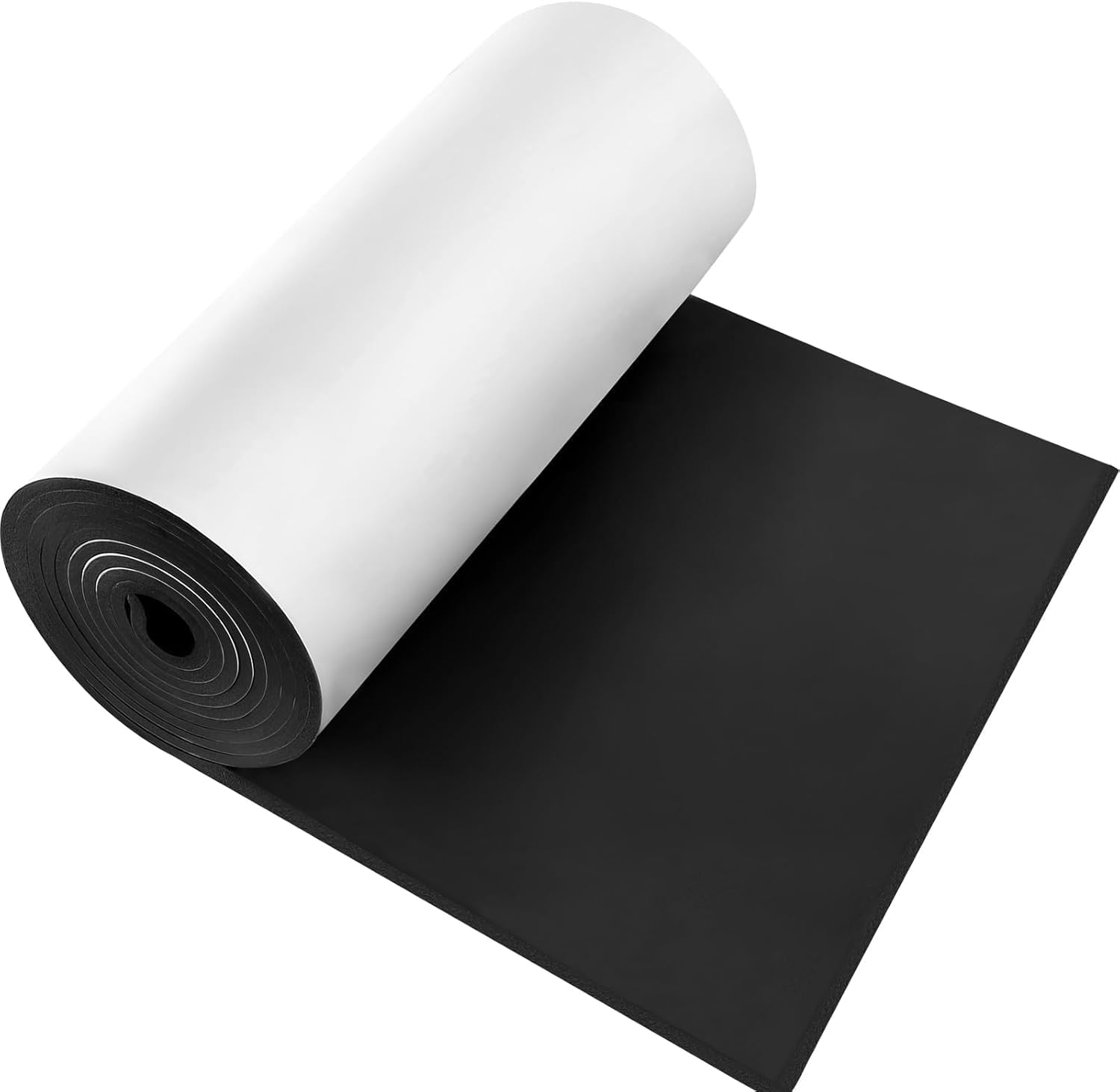
The flame-retardant all-rounder that seals windows and protects a 200-year-old violin.
Versatility is the name of the game here, and this sheet proves it by handling both weatherproofing and fine instrument care with the same 1/4-inch neoprene. It measures 12 inches by 59 inches, and the brand offers the roll in five thicknesses from 3/4 inch down to 1/16 inch, so you can find the exact depth for your project. The material is closed-cell and flame retardant, which is a meaningful safety feature if you are insulating around appliances.
Owners put it to work sealing an air conditioner opening in a window, and the strong adhesive held up with an easy cut. On the gentler side, it was used as padding inside a viola case, protecting a 200-year-old violin, where the thickness was perfect and the foam stayed put after being covered with velveteen. That range, from AC vents to antique instruments, tells you the density works for both soft protection and firm sealing.
The adhesive can peel on textured walls but holds firmly on smooth surfaces like windows. For decorative or craft use, the non-damaging adhesive is a bonus because it will not leave a sticky mess behind if you change your mind. Just clean the surface first for the best grab.
Two-in-one performer: it seals out heat and noise at the window while staying gentle enough to cradle delicate valuables, making it the most flexible sheet in this lineup.
Grab it if: you want one roll that moves between home weatherproofing, workshop gaskets, and protective padding without missing a beat.
Think twice if: your target surface is heavily textured, where the adhesive will not bite as well.
5. Storystore Sponge Neoprene Foam Sheet
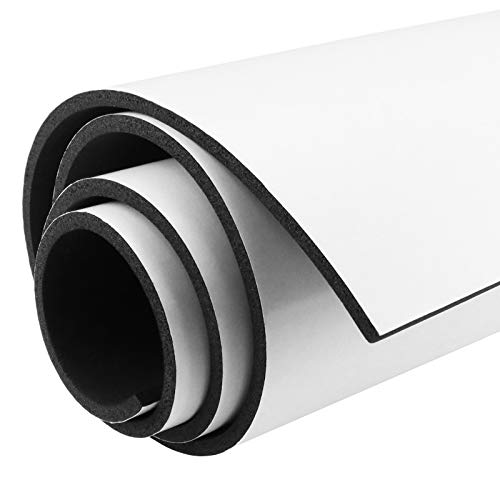
The budget-friendly roll that lines doghouses, fish tanks, and air handlers alike.
For a lot of buyers, the entry point to 1/4 foam board is this Storystore roll, which gives you 4.9 feet of 12-inch-wide neoprene at a friendly price. The closed-cell foam is non-slip and watertight, which makes it a natural fit for marine use, lining cabins, decks, and cockpit seats. Owners also used it under fish tanks on a granite countertop, where it kept the glass warmer and added a cushion.
The insulation wins people over here, with buyers praising the barrier it creates. One owner lined an entire doghouse with several rolls to hold in heat on cool nights, while another chose it as replacement insulation for the inside of an air handler, finding it rolled out nicely and cut cleanly. There is even a gasket use case where it worked perfectly for sealing parts.
The trade-off is durability, as the soft sheet tears easily when pulled during installation. Owners mention the sheet is soft and a bit thin, and it tears easily if you pull it while placing it. The adhesive is strong once down, but the material itself needs careful handling during install. For static projects like tank pads or drawer liners, it is excellent value; for anything that will take repeated rubbing or stress, it may not hold up.
Why it is a bargain
- Great insulation barrier for heat and cold
- Non-slip and watertight for wet areas
- Rolls out flat and cuts easily with scissors
Why it is not for heavy use
- Tears easily if you stretch it while working
- Softer density than pricier neoprene sheets
- Adhesive quality varies according to owners
Choose it for: simple insulation and cushioning jobs on a budget, like tank pads, doghouse lining, or drawer bottoms.
Pass on it for: gaskets or sealing that will face repeated friction and stress.
6. ToLanbbt Sponge Neoprene Foam Sheet
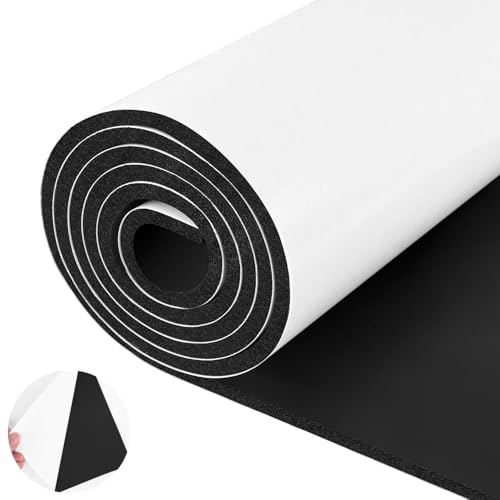
The wear-resistant roll with 52 PSI tensile strength for damp, demanding spots.
When your project lives in a basement, near a car, or anywhere damp, you want a sheet that will not soften or fall apart. This ToLanbbt roll brings a 52 PSI tensile strength rating, meaning it holds its shape under pressure, and the neoprene is wear-resistant, waterproof, and slip-resistant. It covers 12 by 59 inches at the 1/4-inch thickness, with a temperature tolerance from -50°C to 150°C.
Quality is the thing buyers mention most here, and the adhesive is a close second. Customers note it sticks well to clean surfaces and hard plastic without leaving sticky residue, making it a favorite for lining toolboxes and drawers. One practical use was preventing condensation dripping, which is exactly the job a closed-cell sheet should handle in a humid environment.
The foam compresses under heavy pressure and arrives curled, so flatten it before use. Some buyers also found it hard to reposition once the strong adhesive touches down. For a car door, cabinet liner, or basement seal, that firm grip is a feature, not a flaw.
Built for damp spaces: the combination of tensile strength, waterproofing, and strong glue makes this the sheet to trust where moisture and pressure are constant.
Best for: sealing and padding in basements, garages, and automotive spots where you need a tough, moisture-proof barrier.
Not for: projects that need frequent removal, since the strong adhesive is hard to lift once set.
7. MYFAMIREA Neoprene Sponge Rubber Sheet

The extra-long 60-inch sheet that wraps cabinets and AC flaps with a firm hold.
This sheet sneaks in one extra inch of length over the standard 59-inch rolls, giving you 12 by 60 inches of neoprene to work with. The material is anti-slip, waterproof, and oil-proof, which makes it a solid choice for workshop and garage settings where grease is part of the scene. It is also tear-resistant, which is a welcome change from the softer, more fragile sheets on this list.
Owners found a perfect use as a buffer between a cabinet and a concrete wall, where the strong adhesive and easy application made quick work of protecting both surfaces. Another popular job was insulating the side flaps of a window air conditioner, with buyers reporting it looks and works better than the accordion side wings that come with the unit. The firm hold is the highlight, sticking securely to plastic and wood alike.
Be aware the neoprene here is stiffer than some competitors, which makes it harder to cut and manipulate for curved, flat projects. One owner wrapped a guitar stand bar with it and found a pool noodle would have been easier. If you are working on straight, flat surfaces, this stiffness is a benefit; if you need to bend it around tight curves, it will fight you.
Strength points
- Extra inch of length covers slightly more area
- Oil-proof and waterproof for garage use
- Firm adhesive holds on plastic and wood
Watch out for
- Stiffer foam is harder to bend around curves
- Leaves sticky residue on some surfaces
- Does not always lay perfectly flat at first
Pick it for: straight flat surfaces like cabinet walls, AC side panels, and drawer liners where a firm grip matters.
Pass on it for: wrapping cylindrical or heavily curved objects where flexibility is key.
8. Amylove Upholstery Foam Sheet
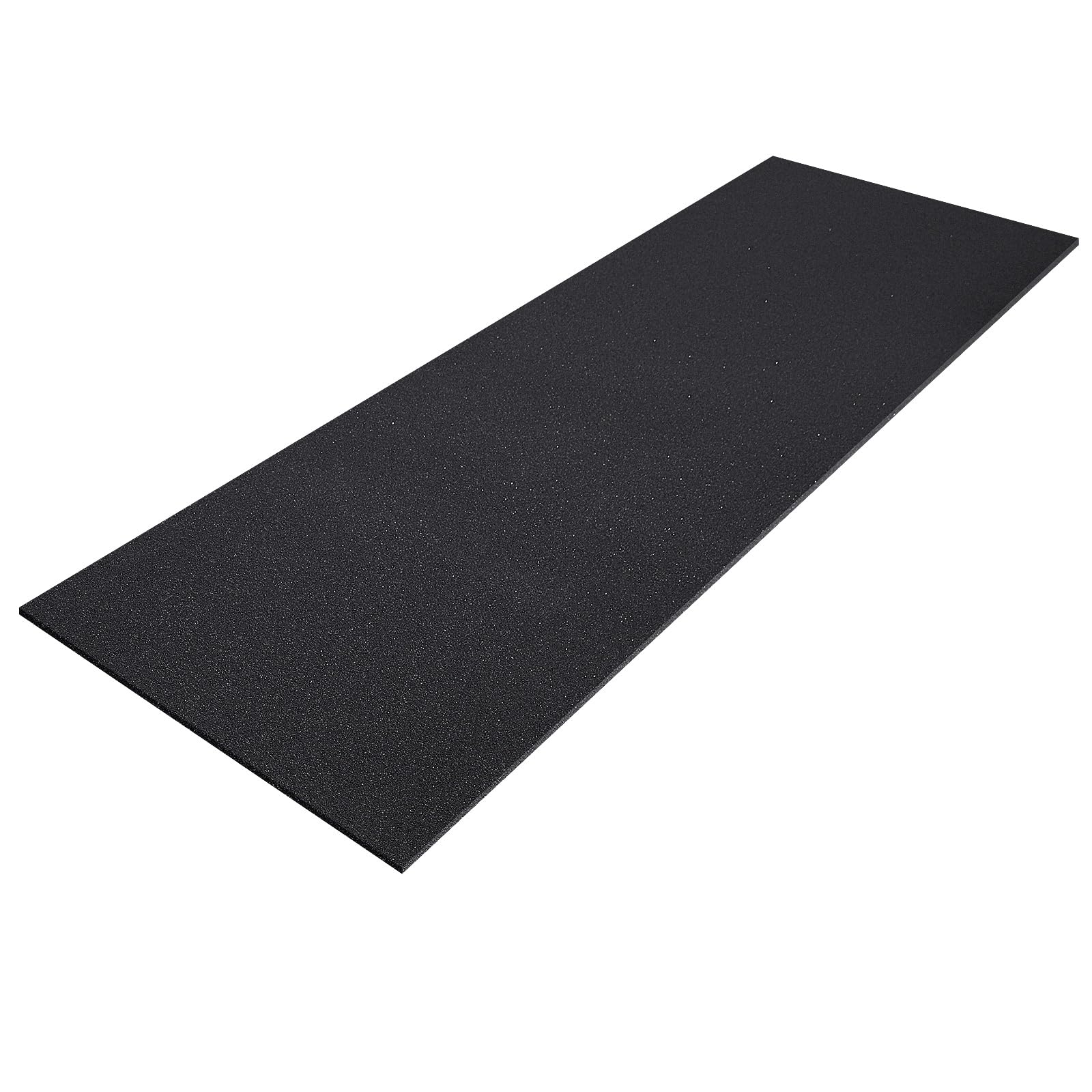
The wide-format polyurethane sheet built for upholstery texture and soft cushion work.
This pick breaks the mold by being a polyurethane foam rather than neoprene, which makes it the right tool for a different set of jobs. It measures a roomy 24 inches by 72 inches at the 1/4-inch thickness, giving you double the width of the neoprene rolls above. That wider footprint is ideal for upholstery projects where you need to cover a seat or headboard without stitching multiple strips together.
The standout use in the reviews is as scrim foam for an upholstering job, where it added texture to stitching and worked great. Another owner used it for boat upholstery and found the quality solid. The PU material is soft to the touch and recovers its fluffy state after compression, which is a different feel from the firmer closed-cell sheets and better for cushioning than sealing.
The caveat is the vacuum-sealed packaging, which can leave the sheet compressed below 1/4 inch. This sheet arrives vacuum-sealed, and some reviewers point out it arrives compressed at under 1/4-inch thickness, with one noting it did not fully recover its shape after days. The listed size of 24 x 72 inches can also run slightly short. Pat it gently when it arrives, give it time to puff back up, and it should serve well for craft and upholstery work.
Upholstery ally: the wide 24-inch format and soft, shape-recovering PU foam make this the go-to for cushioning and craft texture that the firmer neoprene rolls cannot match.
Ideal for: upholstery backing, crafts, and soft cushioning where you want width and a gentle touch.
Not for: gaskets, weather sealing, or any job needing a firm, watertight closed-cell barrier.
Understanding the Specs
Closed-Cell vs Open-Cell Foam
Closed-cell foam has sealed bubbles, so it blocks water, air, and sound. That is why it is the default for gaskets, weatherproofing, and outdoor insulation. Open-cell foam soaks up moisture and compresses easily, making it wrong for those jobs but sometimes softer for cushioning.
Neoprene vs EPDM vs Polyurethane
Neoprene and EPDM are both rubber-based closed-cell foams that resist water, oil, and temperature swings, with EPDM generally a bit firmer. Polyurethane is a softer, more cushioning foam that recovers its shape well but does not seal water or air. Match the material to the job: rubber for sealing, polyurethane for padding.
FAQ
Can 1/4 foam board stop sound from a dishwasher?
Will this foam work as a gasket for tail lights?
Is the adhesive backing strong enough to stay on metal?
Why does my foam arrive thinner than 1/4 inch?
What is the difference between neoprene and polyurethane foam?
Can I use this foam to insulate a window air conditioner?
Will the foam hold up in a wet environment?
Is this material safe to use as padding for delicate items?
Final Thoughts: The Verdict
If you want one dependable pick, the 1/4 foam board winner is the Artilife Closed Cell Foam Roll because its 17-inch width and 80-inch length give you the most material per roll for cutting custom insulation and padding. If you want a peel-and-stick sheet for gaskets and AC seals, grab the DGSL Neoprene Sheet. And for upholstery or soft cushion work, the Amylove Polyurethane Sheet is the one to reach for.
How We Picked
We do not accept paid placement. Every pick is matched to a real buyer and a real use-case; we do not hands-on test units.
Sources & Methodology
Specifications: manufacturer listings and product documentation. Review insights: verified customer reviews, as of September 2026. Pricing: not shown on this page (it changes often); check the current price via the retailer link.
As an Amazon Associate, KitchPrep earns from qualifying purchases. This does not affect which products we feature.
Related Guides
