
Sediment in your water line isn’t just an annoyance; it’s a slow-moving attack on every pump, faucet, and appliance in your RV, boat, or home. The right 1/2-inch inline filter acts as a first line of defense, catching the grit before it causes costly damage. Choosing the wrong one, however, can mean leaks, pressure drops, or a false sense of security.
I’m Mohammad Maruf — the founder and writer behind KitchPrep. Over the last 15 years, I’ve analyzed countless plumbing specifications and market trends, helping thousands choose gear based on material science and real-world application data.
This guide cuts through the clutter of mesh counts and thread types to show you the filters that work, whether you’re protecting an RV pump, a pressure washer, or your garden irrigation. Finding the right tool requires understanding the difference between a basic strainer and a true filtration unit, which is the core of selecting the best 1/2 inline water filter.
How To Choose The Best 1/2 Inline Water Filter
Not all filters are created equal. Your specific application—be it an RV fresh water system, a pressure washer inlet, or a garden hose—dictates the ideal features. Here’s what to prioritize.
Strainer vs. Filter: Know Your Goal
A strainer uses a stainless steel mesh screen (e.g., 40, 60, 80, 100 mesh) to catch physical debris like sand, rust flakes, and organic matter. It’s reusable, washable, and meant to protect mechanical equipment. A filter, like a carbon block unit, uses a dense media to reduce chlorine, bad tastes, odors, and finer sediments (measured in microns). For pump protection, you start with a strainer. For drinking water quality, you add a filter downstream.
Mesh Count & Micron Rating
Mesh count refers to the number of openings per linear inch. A higher number means smaller holes and finer filtration. A 40-mesh screen catches larger sand, while a 100-mesh screen stops very fine silt. However, finer mesh can restrict flow more quickly. For general RV and marine pump protection, 80-100 mesh is a sweet spot. Micron ratings (like 20-micron on carbon filters) are another standard; lower numbers mean finer filtration.
Thread Type & Connection
This is the most common installation mistake. NPSM (National Pipe Straight Mechanical) threads are common on RV and marine water pumps. They require a gasket or O-ring to seal, not thread tape. NPT (National Pipe Tapered) threads are the standard in plumbing and seal via thread engagement and tape or compound. Many units have female NPT ports, requiring male NPT adapters to connect to your specific hoses.
Pressure Rating & Material
Always check the Maximum Working Pressure (MWP). For RV systems (typically 40-65 PSI), a 150 PSI rating is ample. For pressure washer inlets or other high-pressure applications, verify the rating matches your equipment. The bowl material matters: clear polycarbonate (PC) allows for visual inspection but may be less UV-resistant. Nylon tops offer good strength. Stainless steel components resist corrosion.
Quick Comparison
On smaller screens, swipe sideways to see the full table.
| Model | Type | Best For | Key Feature | Amazon |
|---|---|---|---|---|
| Camco Tastepure RV Filter | Carbon Filter | Drinking water taste | 6-step filtration, Lead-free cert. | Amazon |
| SAFBY 1/2″ 100 Mesh | Inline Strainer | All-around protection | Includes spare filter & tape | Amazon |
| SEAFLO In-Line Strainer | Inline Strainer | Boats & RVs | 100 mesh, 150 PSI, Clear bowl | Amazon |
| AutoRocking 100 Mesh | Inline Strainer | Pressure washers | 150 PSI rating, Transparent bowl | Amazon |
| SAFBY 1/2″ 60 Mesh | Inline Strainer | Heavy sediment | High flow, less restriction | Amazon |
| Liebemode Sediment Filter | Inline Strainer | Garden & RV | 100 mesh, Twist-off bowl | Amazon |
| Hoypeyfiy Water Pump Strainer | Inline Strainer | Campers & sprayers | 2-Pack, 80 mesh screen | Amazon |
| IMXMI Twist-On Strainer | Inline Strainer | Agricultural use | 80 mesh, Nylon/PC build | Amazon |
| Mudder RV Replacement | Inline Strainer | RV pump replacement | 50 mesh, OEM compatible | Amazon |
| LIMING Sediment Filter | Inline Strainer | Garden hose | 40 mesh, Female threads | Amazon |
| SHURFLO Twist-On Strainer | Inline Strainer | Basic suction side | OEM part, Simple design | Amazon |
In‑Depth Reviews
1. Camco Tastepure RV Water Filter
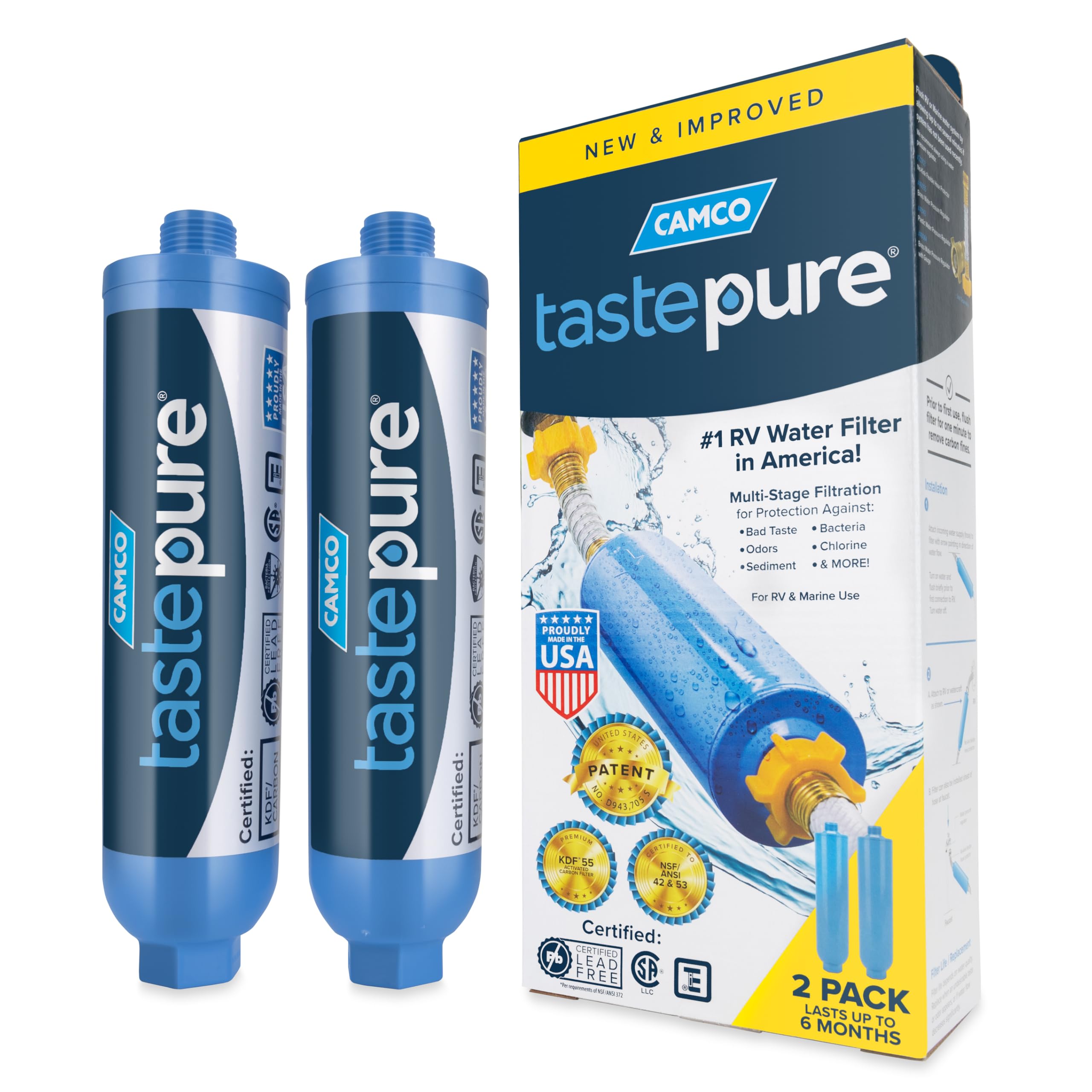
This is the premium choice for anyone prioritizing water quality for drinking and cooking in an RV or at a campsite. Unlike simple mesh strainers, the Camco employs a patented 6-step filtration process with Granular Activated Carbon (GAC) and KDF media to tackle chlorine, bad tastes, odors, sediment, and even inhibit bacteria and mold growth.
Certified to NSF/ANSI standards for material safety and lead-free content, it provides peace of mind. The wide-body design maintains excellent flow rate, and the 20-micron sediment pre-filter catches finer particles than most strainers. User feedback consistently highlights the noticeable improvement in water taste and the convenience of the included two-pack, making it an essential piece of kit for seasonal campers.
For the ultimate combination of mechanical sediment blocking and chemical contaminant reduction for potable water, this is the definitive, field-proven solution.
Why it’s great
- Comprehensive filtration that improves taste and odor.
- Independently certified to rigorous safety standards.
- High flow design prevents water pressure drop.
- Excellent value as a two-pack for seasonal replacements.
Good to know
- Designed as a disposable filter cartridge, not a cleanable screen.
- Bulkier than simple inline strainers; needs more space.
- Must be replaced regularly (every 6 months to a year with use).
2. SAFBY 1/2″ 100 Mesh Strainer

This strainer represents the sweet spot in the mid-range category, offering thoughtful extras and reliable performance. It features a 100-mesh stainless steel screen for fine filtration, housed in a durable nylon body with a clear nylon bowl for easy visual inspection.
Where it stands out is in the package. SAFBY includes a spare stainless steel filter screen and a roll of thread seal tape, acknowledging that screens can get damaged during cleaning and that a proper seal is paramount. Users praise its clean threads, solid construction, and the convenience of having a backup part on hand from day one. It’s versatile enough for RV water tanks, pressure washer inlets, and even specialized applications like home brewing or hydroponics.
If you want a capable, reusable strainer that comes with everything you need for a proper installation and a bit of future-proofing, this is a top-tier choice.
Why it’s great
- Excellent value with the inclusion of a spare screen and thread tape.
- High-quality machining on threads for a reliable seal.
- Fine 100-mesh screen provides excellent debris protection.
- Clear bowl makes maintenance checks intuitive.
Good to know
- As with many clear bowls, long-term UV exposure could be a concern.
- Ensure the O-ring is properly seated during reassembly to prevent bowl leaks.
3. SEAFLO In-Line Strainer

SEAFLO is a respected name in marine and RV plumbing, and this strainer lives up to that reputation. It’s engineered as a robust, no-nonsense guard for your water system’s critical components, featuring a 100-mesh stainless screen and a robust 150 PSI maximum working pressure.
Boat owners specifically champion this model as essential, affordable insurance for a vessel’s engine cooling raw water intake. The compact design fits in tight engine compartments, and the twist-off clear bowl allows for quick checks and cleaning after a day in weedy or sandy waters. RV users find it a perfect, drop-in upgrade or replacement for OEM strainers, noting its solid feel and leak-free performance right out of the box.
For those in marine environments or who simply trust established brands in the fluid-handling space, the SEAFLO strainer is a reliable and professional-grade option.
Why it’s great
- High 150 PSI rating suits a wide range of applications beyond RVs.
- Compact and well-built with quality materials.
- Highly trusted brand in the marine and RV industries.
- Very easy to service and clean without tools.
Good to know
- Purely a strainer; does not affect water taste or chemicals.
- Ensure you have the correct male NPT adapters for your hoses.
4. AutoRocking 100 Mesh Strainer

Designed with higher-pressure systems in mind, this strainer explicitly states its 150 PSI maximum working pressure, making it a suitable candidate for pressure washer inlet lines or other applications where pressure spikes might occur.
Its design is straightforward: female NPT ports, a 100-mesh (150 micron) stainless screen, and a transparent bowl. Users have successfully employed it in diverse scenarios, from filtering coolant in automotive heater cores to pre-filtering water for cold plunge tubs and home brewing setups. The common thread in feedback is its effectiveness at catching particulate without significant flow restriction, provided it’s cleaned regularly.
For anyone needing a sturdy strainer rated for more than typical RV system pressures, the AutoRocking model is a functionally sound and versatile pick.
Why it’s great
- Clear pressure rating (150 PSI) inspires confidence.
- Fine 100-mesh screen is effective for many applications.
- Simple, serviceable design with a viewable bowl.
- Used successfully in creative, non-standard applications.
Good to know
- Some units may not include the plastic wrench for the bowl; have a strap wrench handy.
- Pay close attention to aligning the internal screen when reassembling to avoid damage.
5. SAFBY 1/2″ 60 Mesh Strainer
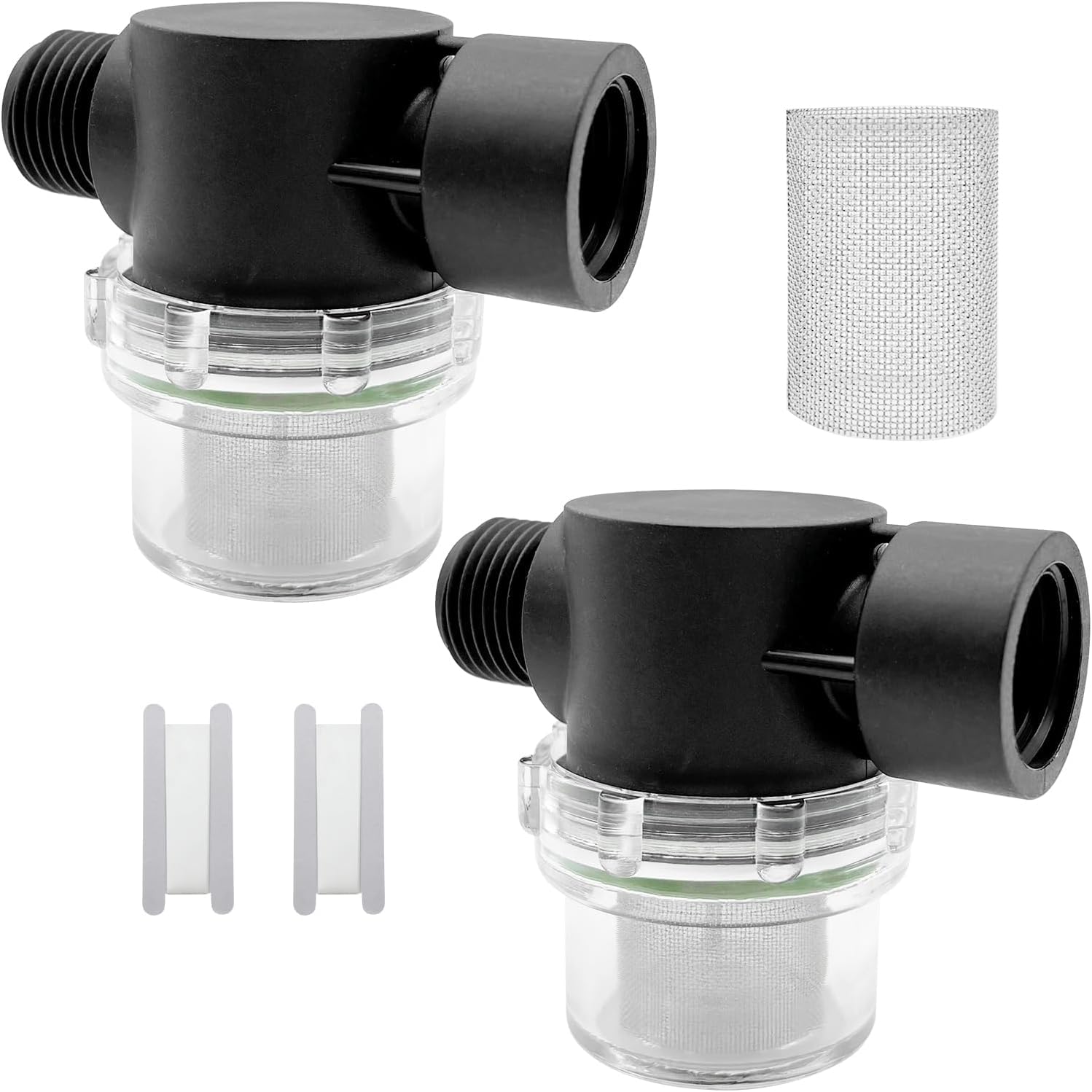
When your primary concern is maintaining maximum water flow while still screening out larger debris, a coarser mesh is the answer. This SAFBY variant uses a 60-mesh stainless steel screen, which allows better flow and is less likely to clog quickly in water with heavier sediment loads.
This is an ideal choice for applications like pre-filtering irrigation water, protecting pumps in sandy environments, or on RV toilets where previous, finer filters plugged too frequently. It shares the same quality construction as the 100-mesh SAFBY model, with a nylon body, clear bowl, and included installation accessories. Users report it works “as good as name brand” strainers for a fraction of the cost, effectively solving flow-related clogs.
If you’re battling sand, larger organic matter, or just want minimal flow restriction, this 60-mesh strainer is a strategically smart selection.
Why it’s great
- Coarser 60-mesh screen minimizes pressure drop and clogging.
- Perfect for sandy water or high-flow applications.
- Same quality build and included extras as the finer-mesh sibling.
- Solves specific clogging issues caused by overly fine filters.
Good to know
- Will not catch fine silt or sediment; choose based on your debris size.
- Purpose is protection, not achieving perfectly clear water.
6. Liebemode Sediment Filter

This is a well-spec’d, general-purpose inline strainer that gets the job done for most common tasks. It features the standard 100-mesh stainless screen, a 150 PSI rating, female NPT ports, and a clear bowl for visual monitoring.
Customer experiences highlight its value, with many noting it performs identically to strainers costing significantly more. It’s been used successfully in marine applications, RV setups, and garden hose lines. While most report leak-free operation, a few notes mention the importance of checking for mold flashings on the plastic parts and ensuring the gasket is properly seated to achieve a perfect seal, which is good practice for any such unit.
For a no-frills, effective sediment strainer that covers all the basics, the Liebemode offers solid performance and represents a strong value in its category.
Why it’s great
- Excellent value for the core feature set.
- Rated for 150 PSI, suitable for many applications.
- Simple twist-off design makes cleaning effortless.
- Widely used and reported as effective.
Good to know
- Inspect upon arrival and deburr any plastic flashings for optimal flow.
- Double-check the gasket/o-ring placement during installation to prevent leaks.
7. Hoypeyfiy Water Pump Strainer
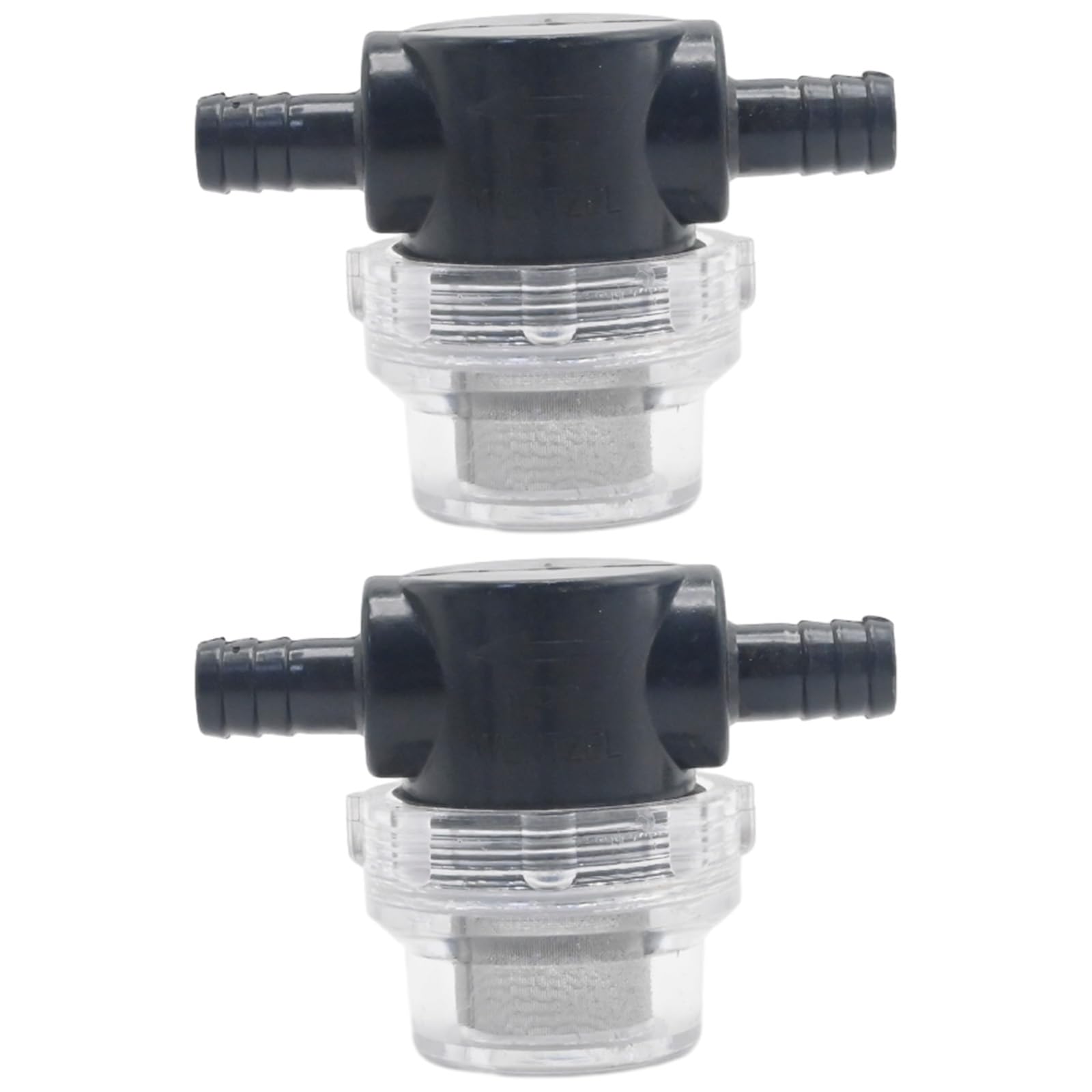
This offering is centered on value and convenience, providing two strainers for the price often asked for one. Each unit has an 80-mesh stainless screen and is designed with a transparent bowl for easy inspection.
The two-pack is ideal for users who want a spare on hand for quick swaps or have multiple applications (e.g., a pressure washer and an RV). Feedback is mixed; many users are happy with the quality and performance for off-grid watering or general use, praising the zero leaks. However, there are isolated reports of bowl failure, suggesting variability in manufacturing consistency or possible installation stress.
If you need a couple of basic strainers for light to medium duty and appreciate having a backup, this pack presents a compelling, budget-friendly option.
Why it’s great
- Exceptional value with two strainers in the package.
- 80-mesh is a good balance of filtration and flow.
- Useful for having a ready spare to minimize downtime.
- Many users report perfect performance with no issues.
Good to know
- Quality control may vary; inspect upon receipt.
- Handle with care during installation to avoid overtightening.
8. IMXMI Twist-On Strainer

This strainer is built with specific materials—a Nylon PA66 cover and a Polycarbonate (PC) bowl—chosen for durability and resistance to UV degradation and corrosion. It’s marketed toward agricultural, cistern, and machinery applications, hinting at a more rugged intent.
Users have found success in niche roles, such as protecting a Polaris pool cleaner from debris. The transparent bowl functions as intended. However, feedback indicates some potential weak points: the O-rings can be lost, and the bowl may be prone to cracking if mishandled or overtightened. Ensuring you have spare seals is a good idea.
For applications where UV exposure or chemical corrosion is a concern, the material choice here is a plus, but it requires careful handling during maintenance.
Why it’s great
- Material choice (Nylon/PC) offers good environmental resistance.
- Explicitly listed for agricultural and industrial uses.
- Effective 80-mesh filtration for general debris.
- Solved specific clogging issues in pool cleaning systems.
Good to know
- Secure the O-rings during cleaning; replacements may be needed.
- Some reports of bowls cracking; avoid overtightening.
- Confirm thread type (NPT) for your adapters.
9. Mudder RV Replacement Strainer

This is a direct replacement part for many OEM RV water pump strainers, particularly those from WFCO and Shurflo. Its primary design is utility: a 50-mesh stainless screen in a compact, twist-on housing.
It shines as a cost-effective solution. A standout review details how this generic part perfectly replaced a disintegrated filter on a commercial floor scrubber at a fraction of the OEM cost. For RV owners, it’s a straightforward fix after a freeze or for routine replacement. Users consistently report a perfect fit, no leaks, and seamless operation, making it a reliable, budget-conscious choice for keeping an existing system running.
If you need a simple, compatible replacement strainer and don’t require finer filtration or a viewing bowl, the Mudder gets the job done efficiently.
Why it’s great
- Direct, compatible replacement for common RV pump models.
- Extreme value, especially compared to branded OEM parts.
- Proven to work in industrial equipment, indicating durability.
- Easy,
- Very basic design; no clear bowl for visual inspection.
- 50-mesh is coarser, for larger debris only.
10. LIMING Sediment Filter

This is an entry-level, all-metal strainer designed for garden hose and pressure washer applications. It features a 40-mesh stainless steel screen housed within a durable shell, with female threads on both ends for easy inline connection.
Users find it effective for filtering sediment from hydroponic systems, maple sap, or garden water. The reusable and washable screen is a practical feature. However, a critical 1-star review serves as a stark warning about potential quality control issues, citing a catastrophic failure that led to significant water damage. This highlights the importance of using such strainers in accessible, monitored locations and being cautious with off-brand units for permanent, enclosed installations.
For low-risk, outdoor garden hose applications where you can keep an eye on it, this can be a functional tool. For any critical or indoor plumbing, more reliable options are recommended.
Why it’s great
- All-stainless construction is durable and corrosion-resistant.
- Coarse 40-mesh is good for high flow and large particles.
- Simple, no-frills design for basic filtering tasks.
- Reusable screen makes it a long-term value.
Good to know
- There is a documented risk of housing failure with severe consequences.
- Best used only in non-critical, easily monitored outdoor applications.
- Provides basic protection only; not for fine filtration.
11. SHURFLO Twist-On Strainer

This is the original equipment manufacturer part for many RV and marine water pumps. It’s a simple, black plastic twist-on strainer with an internal screen, designed specifically for the suction (inlet) side of a pump.
Its primary virtue is guaranteed compatibility and reliability as the factory part. Extensive user reviews detail sophisticated installation techniques, emphasizing that it should not be threaded directly onto a soft pump head but instead plumbed in-line with flexible hose to prevent stress. It’s widely used not just in RVs but also as an effective sediment filter for shower heads in homes with hard water. The “suction side only” labeling is important to note for pressure-rated applications.
If you need an exact OEM replacement or are building a system according to pump manufacturer guidelines, this is the authentic, no-surprise choice.
Why it’s great
- Genuine OEM part for perfect fit and function.
- Proven reliability over decades of use in the field.
- Inexpensive solution for direct replacement needs.
- Versatile for creative DIY solutions like shower head filters.
Good to know
- Designed for suction side of pumps, not pressurized lines.
- No clear bowl; you can’t see when it’s dirty.
- Installation requires care to avoid stressing pump fittings.
Understanding the Specs
Mesh Count vs. Micron Rating
These are two ways to measure filter fineness. Mesh count (e.g., 50, 80, 100) is the number of openings per linear inch—higher is finer. A micron rating (e.g., 20-micron) measures the size of particles blocked—lower is finer. A 100-mesh screen is roughly equivalent to 150 microns. For pump protection, 80-100 mesh is standard. For sediment pre-filtration before a carbon filter, 20-40 microns is common.
NPSM vs. NPT Threads
This is a critical installation detail. NPSM (National Pipe Straight Mechanical) threads are straight and seal via a gasket or O-ring. Common on RV and marine pump inlets. NPT (National Pipe Tapered) threads are tapered and seal via thread engagement with tape or compound. Most inline strainers have female NPT ports. Know which your system uses to prevent leaks. Never use thread tape on an NPSM connection meant to seal with a gasket.
FAQ
Can I use an inline water filter on the hot water side?
How often should I clean my inline strainer?
What’s the difference between this and a whole-house filter?
Why does my new filter have black bits in the water?
Final Thoughts: The Verdict
For most users, the best 1/2 inline water filter winner is the SAFBY 1/2″ 100 Mesh Strainer because it delivers excellent protection, includes thoughtful extras, and represents outstanding value in the mid-range. If you want cleaner-tasting drinking water, grab the Camco Tastepure RV Filter. And for rugged, high-pressure or marine applications, nothing beats the proven reliability of the SEAFLO In-Line Strainer.
