
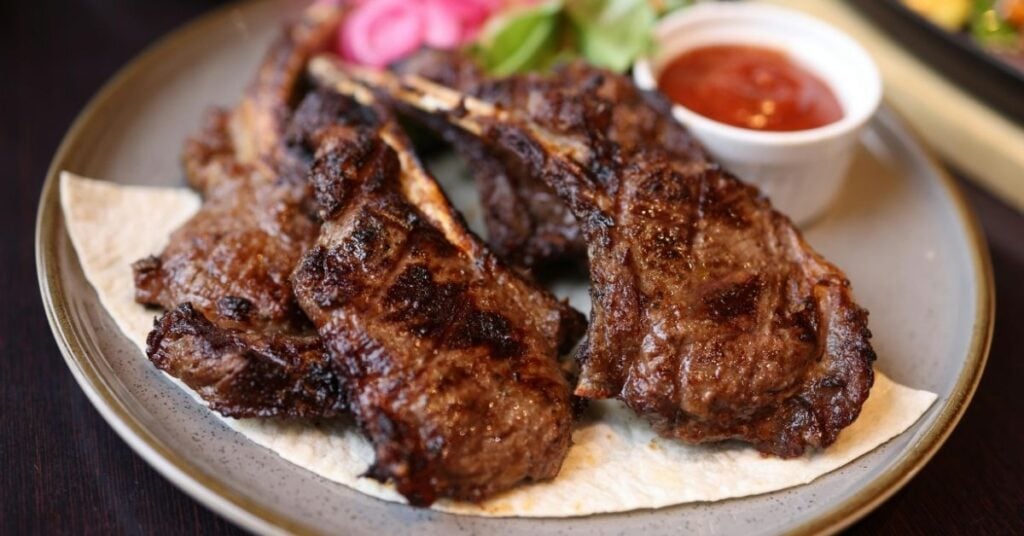
Yes, lamb chops can be a nutrient-dense choice when you trim visible fat, mind portions, and balance them with vegetables and fiber-rich sides.
Lamb chops bring a lot to the table: rich flavor, high-quality protein, iron, zinc, and vitamin B12. The catch is saturated fat. You can still enjoy chops while keeping a heart-smart plate by choosing leaner cuts, trimming the rim, and using cooking methods that let fat drip away. This guide shows the benefits, the trade-offs, the right portions, and easy swaps so you can decide what fits your week.
Quick Take: What Makes Lamb Chops Nutritious
Protein supports muscle repair and steady fullness. B12 and iron support red blood cells and energy. Zinc helps immunity and wound healing. You also get small amounts of omega-3s compared with other red meats. The nutrition does vary by cut and cooking method, so the details below help you pick with intent.
Lamb Chop Nutrition At A Glance (Cooked, Lean, Per 100 g)
Values are typical ranges for cooked, lean portions. Exact numbers vary by cut and trimming.
| Nutrient | Amount (Per 100 g) | Why It Matters |
|---|---|---|
| Protein | 25–30 g | Builds and repairs tissue; supports satiety. |
| Total Fat | 8–15 g | Varies by cut and trimming; choose lean. |
| Saturated Fat | 3–7 g | Limit to meet heart-health targets. |
| Vitamin B12 | ~2–3 µg | Supports nerves and red blood cells. |
| Heme Iron | ~1.5–2.5 mg | Highly bioavailable; helps oxygen transport. |
| Zinc | ~3–5 mg | Immune function and enzyme activity. |
| Omega-3 (long-chain) | ~100–200 mg | Small cardio benefit vs. many red meats. |
Are Lamb Chops Good For You?—By Goal, Cut, And Portion
If your goal is overall health, the answer leans toward “yes” when chops are trimmed, portions stay modest, and the rest of the plate is plants. If your focus is LDL control, lean cuts and cooking that reduces fat help the most. If you need iron or B12, lamb chops supply both in a compact serving.
Best Cuts When You Want Leaner Plates
Look for loin chops and trimmed leg steaks more often than rib chops with a thick fat cap. French-trimmed racks look neat, but fat along the edge still adds up if left on the plate.
How Cooking Method Changes The Numbers
Grilling, broiling, air-frying, and roasting on a rack let rendered fat drip off. Pan-searing holds more fat unless you drain and blot. Slow braises are tasty but keep more fat in the sauce; chill and lift the solid layer before reheating to lower the load.
Portion Sizes That Work In Real Life
A common single serving lands around 3–4 ounces cooked (85–115 g), which is roughly one medium loin chop or two small rib chops. That serving delivers ample protein without overshooting saturated fat targets. If dinner calls for a larger steak-style portion, balance the rest of the day with seafood, beans, or poultry and pick extra-lean sides.
Saturated Fat Targets And Why They Matter
General guidance caps saturated fat at less than 10% of calories, while heart-focused patterns often aim for 6%. For a 2,000-calorie day, that’s about 20 g or 13 g, respectively. See the AHA saturated fat guidance for clear ranges and examples. If your chop portion pushes the daily total higher, trim more, drain rendered fat, and pair with lower-fat meals the rest of the day.
What The Data Says About Lamb’s Nutrients
Retail nutrient datasets show that trims and preparation shift the fat and calorie picture a lot. You’ll find detailed cut-by-cut nutrient profiles in the USDA’s labeling resources for lamb retailers, which reflect the same composition data used in consumer databases. For a deeper look at how different lamb cuts are labeled nutritionally, see the USDA lamb nutrient dataset.
Smarter Plates: Build The Balance Around Your Chop
- Half the plate produce: roasted carrots, green beans, a crunchy salad, or charred broccoli.
- Fiber and starch: quinoa, bulgur, lentils, or roasted potatoes in a modest scoop.
- Flavor without extra fat: lemon, garlic, rosemary, thyme, cumin, smoked paprika.
Trim And Prep Steps That Cut Fat
- Chill chops briefly and slice away the outer fat rim with a sharp knife.
- Score any leftover rim in a shallow crosshatch so it renders evenly on the grill.
- Cook on a rack or over open grates; let fat drip away.
- Rest the meat and blot the surface lightly before serving.
- If saucing, skim or chill and remove the solid layer.
Taste And Texture Without The Fat Bomb
Lamb’s flavor pairs well with bright acids and earthy spices. A simple marinade of lemon juice, garlic, oregano, and a light splash of olive oil brings lift without heavy sauces. A yogurt-herb dip adds tang and moisture while keeping the fat profile balanced.
Who Should Be More Careful
If you’re managing LDL cholesterol, weight, or blood pressure, the plan can still include lamb chops, but with a few guardrails: smaller portions, leaner cuts, and more plant sides. People with iron deficiency may find lamb helpful, yet those with conditions that require lower iron intake should speak with their clinician about frequency.
How Often Should Lamb Chops Show Up?
Think of lamb as a once-or-twice-a-week dinner in a varied plan that also features fish, beans, and poultry. That rhythm gives you the benefits of heme iron and B12 while keeping saturated fat within limits.
Are Lamb Chops Good For You?
This question comes up for good reason, and the short answer depends on context. Eaten in modest portions, trimmed, and cooked to shed excess fat, chops can fit a heart-smart menu. The fuller answer is about balance across the day. When someone asks, “are lamb chops good for you?” the most helpful reply is, “yes—when the serving is right, the cut is lean, and the sides are mostly plants.”
Close Variant: Are Lamb Chops Healthy For You By Cut And Portion?
Here’s a simple way to decide in the store or at the butcher counter:
- Pick the cut: loin chop or trimmed leg steak for leaner meals; rib chop less often.
- Check the cap: choose pieces with a thinner fat rim; ask for extra trimming.
- Size it right: plan 3–4 ounces cooked per person when meat isn’t the only star.
Cost, Value, And Smart Swaps
Lamb can sit at a higher price point than many weeknight proteins. Stretch it with grain-and-veg sides, or slice a single large chop across the grain and serve over salads or warm grains. When you want similar protein with lower saturated fat, rotate in salmon, trout, or skinless chicken breast.
How Lamb Compares To Other Proteins (Per 100 g Cooked)
Numbers are typical for lean, cooked portions; exact values vary by cut and preparation.
| Food | Protein (g) | Saturated Fat (g) |
|---|---|---|
| Lamb Chop (Lean, Trimmed) | 25–30 | 3–7 |
| Beef Sirloin (Lean) | 26–31 | 2–5 |
| Chicken Breast (Skinless) | 30–32 | ~1 |
| Salmon (Farmed/Atlantic) | 22–25 | ~2 |
| Lentils (Cooked) | 8–9 | ~0 |
| Tofu (Firm) | 12–14 | ~1 |
| Eggs (Whole) | 12–13 | ~3 |
Simple Weeknight Frameworks
Lean Loin Chops, High-Veg Pan
Season chops with garlic, thyme, pepper, and a pinch of salt. Sear briefly, then finish in a hot oven on a rack. Serve with lemony arugula and a scoop of quinoa.
Herb-Rubbed Leg Steaks
Blend rosemary, parsley, grated garlic, lemon zest, and a light drizzle of olive oil. Rub on both sides, grill over medium-high heat, and rest. Plate with charred green beans and couscous.
Yogurt-Mint Sauce
Stir plain yogurt with chopped mint, grated cucumber, and lemon. Spoon over sliced chops for freshness without a heavy butter sauce.
How To Read Labels And Menus
At the butcher counter, ask which cuts are trimmed closest to the muscle and how thick the fat cap is. On menus, words like “grilled,” “broiled,” or “roasted” often point to methods that shed fat. “Pan-fried” or “confit” adds more fat unless noted as lean.
Answering The Big Question In Everyday Terms
Friends often ask at the table: “are lamb chops good for you?” The consumer-friendly answer is that lamb can be part of a balanced plan with the right portion and plate partners. If you love the taste, keep it in the rotation—just not as the only protein you eat.
Key Takeaways For Everyday Eating
- Yes, with balance: chops offer protein, iron, zinc, and B12; the watch item is saturated fat.
- Pick leaner cuts: favor loin chops and trimmed leg steaks; trim the fat rim.
- Cook to reduce fat: grill, broil, air-fry, or roast on a rack; drain and blot.
- Portion smart: 3–4 ounces cooked fits most plans; build the rest of the plate with plants.
- Rotate proteins: bring in fish, beans, and poultry across the week.
