
Specs are compiled from manufacturer listings and verified buyer reviews and can change over time — please confirm the key details on the product page before buying.
Pulling new thermostat wire is one of those jobs where a mistake means crawling back into a dark attic twice. The right 18/6 cable — with six solid conductors, a tough jacket, and the proper safety rating — makes the first trip the last trip. This guide cuts through the confusing CL2, CMR, and CMP ratings to find the wire that actually suits your smart thermostat, doorbell, or low-voltage project.
I’m Mohammad Maruf — the founder and writer behind KitchPrep. This guide is built by comparing the manufacturers’ published specifications and the patterns across verified customer reviews, so you get each pick’s real strengths and trade-offs instead of marketing spin.
Whether you are wiring a new ecobee, adding a C-wire for a video doorbell, or running a control circuit, you need a reliable 18/6 thermostat wire that strips cleanly and pulls without kinking.
Our Picks at a Glance
How To Choose The Best 18/6 Thermostat Wire
Buying the wrong thermostat wire usually means one of two problems: the conductors break when you strip them, or the jacket snags on every stud you try to pull it past. A few simple checks before you click ‘buy’ save you a return trip to the hardware store.
Solid vs. Stranded Conductors
Solid copper wire holds its shape in the wall and makes a more secure connection under a screw terminal — that is what you want for a thermostat base. Stranded wire bends more easily, which helps in a tight junction box, but it can fray under a terminal screw. For most thermostat and doorbell jobs, solid 18 AWG copper is the standard.
Fire Safety Rating: CL2, CMR, or CMP
CL2 (Class 2) is the basic rating for in-wall low-voltage cable inside a residential stud cavity. CMR (Riser) adds flame resistance for running between floors. CMP (Plenum) is the strictest rating — required when cable runs through air-handling spaces like drop ceilings or HVAC ducts. Using the right rating matters for both safety and passing inspection.
Length: Don’t Guess, Measure the Path
Twenty-five feet covers a single thermostat run in most homes. If you are wiring a second-floor unit or running across a basement ceiling, 40 or 50 feet gives you the slack you need. A 100-foot spool is the economical choice for multiple zones or future-proofing — you pay a little more up front but avoid a minimum-order fee on a second spool later.
Quick Comparison
| Model | Best For | Length | Rating | Conductor Type | Amazon |
|---|---|---|---|---|---|
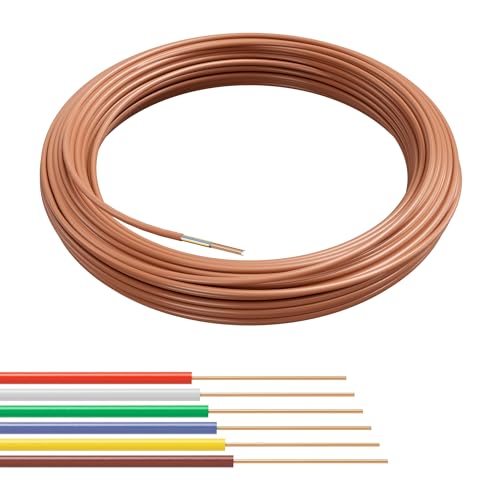
| The Cimple Co 18/6 25FT★ Best Overall | Single thermostat upgrade | 25 ft | CL2R / CMR | Solid copper | Amazon |
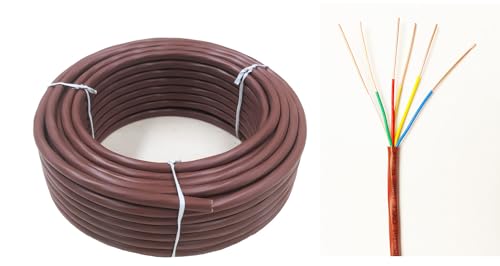
| eastwire 18/6 25ftBudget Champion | Budget-friendly basic run | 25 ft | ETL CL2 | Solid | Amazon |
| YDDECW 18/6 40FT | Medium-length thermostat run | 40 ft | ETL CL2 | Solid copper | Amazon |
| SYSTON 18/6 CMP Shielded | Plenum spaces / interference-prone areas | 50 ft | CMP / CL3P | Stranded copper | Amazon |
| Syston 18/6 CMR 100ft | Long runs / whole-house wiring | 100 ft | CL3R / CMR | Solid copper | Amazon |
In‑Depth Reviews
1. THE CIMPLE CO 18/6 Thermostat Wire 25 FT
Our pick — over 4.5★ from 2,500+ verified ratings; the strongest balance of quality and price.
The crowd-favorite 18/6 that pairs perfectly with a smart thermostat upgrade — 25 feet of solid copper that just works.
The thing everyone raves about is the build quality — 114 owners single out the rugged feel, and the CMR rating means this wire is noticeably heavier and more durable than the thin stuff that snaps mid-strip. At 25 feet it covers a standard run without leaving a tangled loop at the furnace, and the large-wind spool prevents kinks as you pull.
Buyers report the solid copper conductors “stripped well” and the 25-foot (7.6-meter) length was “plenty to go the distance.” The trade-off is that solid-core wire is not very flexible — you will not weave it around tight corners like a lamp cord, but that stiffness helps it push through wall cavities without snagging. The ten-year warranty from THE CIMPLE CO backs the whole thing.
What wins owners over
- CMR-rated outer jacket is tough and resists breaks
- Solid copper strips cleanly under a wire stripper
- 25-foot spool is the right length for a single thermostat swap
The honest nuance
- Solid wire is stiff — not ideal for very tight bends
- You will need basic tools and a careful color match at both ends
Reach for this if: you are swapping an old two-wire thermostat for a smart model that needs a C-wire — the extra conductors and the CMR rating make it a drop-in upgrade.
Look elsewhere if: you need more than 25 feet or you are wiring inside a plenum airspace that requires CMP-rated cable.
2. eastwire 18/6 25ft Thermostat Doorbell Cable
An ETL-listed 18/6 with UV-resistant PVC that works for indoor and outdoor low-voltage jobs without breaking the budget.
The eastwire cable handles the basics well: solid copper conductors, a temperature range from -20°C to +60°C, and a 150V rating that covers thermostats and doorbells comfortably. Owners mention it “worked great” for rewiring a thermostat and called it “perfect for upgrading” a furnace connection — no frills, no fuss.
Where it really shines is the UV-resistant PVC jacket, which makes it suitable for outdoor low-voltage applications where sunlight would degrade a standard indoor cable. The CL2 rating means it is legal for in-wall residential use, and customers note the insulation strips easier than some tougher jackets — saving a little time on each termination.
One-sentence verdict: A solid, no-surprises 25-foot run for the buyer who needs a reliable wire and does not want to pay for a CMR rating they do not need.
Who should pass: Anyone running wire between floors — the basic CL2 rating is not rated for vertical riser installations.
3. YDDECW 18/6 40FT Solid Copper Thermostat Wire
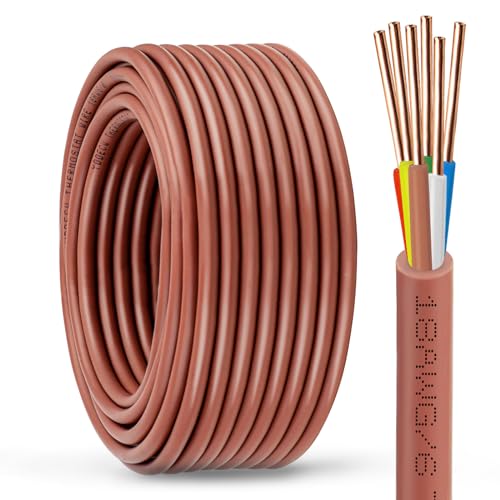
A 40-foot (12.2-meter) spool that hits the balance between a short 25-foot run and a full 100-foot spool — 15 feet more than the budget picks offer.
At 40 feet, this YDDECW cable spans the distance a typical 25-footer cannot quite reach — like a thermostat in a two-story house where the wire has to drop from the attic to the first floor. The solid 18 AWG copper conductors strip easily, and buyers describe the quality as “excellent” for low-voltage control, noting the insulation colors are distinct enough to skip continuity testing.
The waterproof PVC jacket is rated from -20°C to +60°C (so it survives attic heat and basement cold), and the ETL CL2 listing (a safety certification for in-wall use) keeps it code-compliant for in-wall residential use. Where it trails the premium Syston picks is the lack of a CMR riser rating (a fire-safety rating for vertical runs) — you cannot legally run this between floors in a multi-story building — and the outer jacket is not as slick as the plenum-rated cables, so you may feel more friction pulling through crowded stud bays.
The real advantage: You get 60% more cable than the 25-foot budget options without jumping to a full 100-foot spool you may never use — perfect for a single long run to a basement or attic thermostat.
4. SYSTON 18/6 CMP Shielded Fire Alarm Cable

The shielded plenum-rated 18/6 that goes where basic riser cable cannot — into drop ceilings and HVAC ducts.
The key difference here is the CMP (Plenum) rating, the highest flame-retardant grade for cable. If your thermostat wire passes through a ceiling plenum or an air return duct, building code may require CMP — and this SYSTON cable, at 50 feet and 0.23 inches in diameter, meets that requirement. The aluminum foil shielding also blocks electromagnetic interference (EMI) that could disrupt a sensitive stat signal near heavy appliances or power wiring.
Stranded copper conductors make the wire more flexible than solid-core alternatives — useful when navigating the tight spaces above a drop ceiling. A 300V rating gives you extra safety margin over the standard 150V thermostat wire. Just note that this is a security and alarm cable that fits thermostat work, not a traditional thermostat wire — it arrives neatly bagged and banded rather than on a spool.
Who needs this one: Commercial installs, schools, offices, or any home with a furnace room air-handling plenum that demands CMP-rated wire. The shielding is a bonus for EMI-prone locations.
Not for: A basic thermostat swap in a single-family home — you are paying for a plenum rating you likely do not need.
5. Syston 18/6 Thermostat HVAC Cable 100ft (CL3R/CMR)
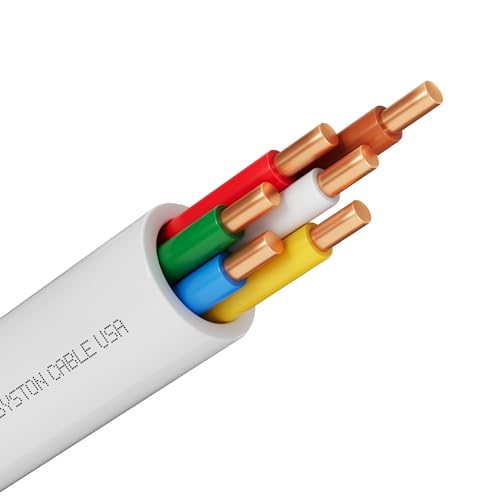
A full 100-foot spool of CMR-rated 18/6 for the homeowner wiring multiple zones or the pro who wants one spool for several jobs.
When you need wire that spans from a third-floor thermostat all the way to a basement furnace without a splice, 100 feet is the length that gets it done. The Syston CMR cable delivers solid copper conductors, a 300V rating, and a slick jacket with a rip cord that makes pulling and stripping easier than fighting with a stiff generic spool.
Buyers call it “quality wire” with “quality insulation” and note it feeds out easily from the center of the coil. The one honest caveat is that the insulation is more delicate than some heavy-duty cables — a few owners caution it tears if you grip it hard with pliers during positioning. The 100-foot length is the most expensive per-foot option in the lineup, but it is the right choice if you hate running short and having to buy a second spool.
What makes it worthwhile
- 100 feet covers any residential run without splicing
- CL3R/CMR riser rating is code-legal for multi-story installs
- Rip cord and smooth jacket speed up installation
The trade-off
- Insulation is thinner than some competitors — handle with care near the termination
- It carries a premium price for the length and brand
Best for: Whole-house wiring projects, rental properties, or anyone who wants to buy wire once and have leftover for the next thermostat upgrade.
Maybe not for: A single short replacement run — 25 feet is cheaper and leaves no coil to store.
Understanding the Specs
Fire Rating: CL2 vs. CMR vs. CMP
CL2 (Class 2) is the baseline for in-wall low-voltage cable in a single-story home — it passes basic flame-spread tests for residential stud cavities. CMR (Riser) goes a step further, adding flame resistance for cable that runs vertically between floors; most building codes require CMR in any multi-story structure. CMP (Plenum) is the strictest rating, designed for the air-handling spaces of a building (drop ceilings, HVAC ducts) where flame and smoke spread are the highest concern. Using a CL2 cable in a plenum space is a code violation and a fire risk.
Solid Copper vs. Stranded Copper
Solid copper wire uses a single thick conductor per color — it holds its shape, pushes through wall cavities without snagging, and makes a firm connection under a screw terminal. Stranded copper bundles many thin wires together, which makes the cable more flexible for tight-radius bends but more prone to fraying under a terminal screw if you are not careful. For thermostat bases and doorbell transformers, solid copper is the standard; stranded makes sense when the cable has to snake through EMI-prone or plenum spaces where a shielded, flexible cable is required.
FAQ
Can I use a CL2-rated 18/6 wire for a smart thermostat upgrade?
What is the difference between 18/5 and 18/6 thermostat wire?
How do I know if I need CMR or CMP rated wire?
Can 18/6 thermostat wire be used outdoors?
Will 18/6 wire work for a video doorbell?
What voltage does 18/6 thermostat wire handle?
How do I strip solid-core 18 AWG wire without nicking the copper?
Is 25 feet of 18/6 wire enough for a typical thermostat installation?
Can I use a shielded 18/6 cable for a thermostat in a home with heavy power wiring?
What tools do I need to install 18/6 thermostat wire?
Final Thoughts: The Verdict
For most people, the 18/6 thermostat wire winner is the THE CIMPLE CO 25FT because its CMR rating, solid copper build, and trusted ten-year warranty make it the safest bet for a single thermostat swap. If you need more length or spare conductors for a multi-zone system, grab the Syston 18/6 CMR 100ft. And for a plenum space or EMI-sensitive install, the SYSTON CMP Shielded 50ft is the one to reach for.
How We Picked
We do not accept paid placement. Every pick is matched to a real buyer and a real use-case; we do not hands-on test units.
Sources & Methodology
Specifications: manufacturer listings and product documentation. Review insights: verified customer reviews, as of July 2026. Pricing: not shown on this page (it changes often); check the current price via the retailer link.
As an Amazon Associate, KitchPrep earns from qualifying purchases. This does not affect which products we feature.
Related Guides
