
Buying a fridge should be simple. But in real life? It’s a chain of “gotchas”: the doorway that’s tighter than you remembered, the hinge that swings into a walkway, the freezer that technically works but turns ice cream into “soft-serve surprise,” and the one shelf that blocks the exact pitcher you use every day.
If you’re shopping for a refrigerator with freezer on top, you’re probably after something specific: a layout that just works, a freezer you can actually use, and fewer complications than the “feature-stuffed” styles that love to break at the worst time. That’s a smart instinct. Top-freezer models are often the sweet spot for people who want practical capacity, clean organization, and simple daily living—especially if this fridge is going in a garage, a rental, a small kitchen, an RV, or a “we need extra cold storage” space.
This guide is built differently on purpose. I’m not going to drown you in generic spec talk or pretend every model is “amazing.” Instead, I’m going to translate what actually matters: shelf geometry, door storage “truth,” freezer behavior under real loads, temperature stability, noise personality, delivery damage patterns, door alignment headaches, and the small details that make you love a fridge—or regret it.
Below you’ll find 20 standout picks, organized from premium full-size workhorses down to compact apartment and dorm-friendly options, plus a few retro statement fridges that people buy because they want the kitchen to feel like them.
In this article
- How to choose the right top-freezer fridge for your space and habits.
- Quick comparison table of 20 standout models.
- In-depth reviews of each refrigerator, with pros and cons.
- How cooling & airflow work (and why setup prevents most “issues”).
- FAQ: common questions, clear answers, and buying shortcuts.
How to Choose the Right Refrigerator With Freezer On Top
A top-freezer fridge isn’t “good” because it has a long feature list. It’s good because it fits your space, holds your real groceries, keeps temperatures steady, and doesn’t turn daily life into a workaround. Here’s the exact framework I use when I want someone to buy once and feel confident for years.
1. Start with the “life use-case,” not the cubic feet
Most shoppers secretly fall into one of these patterns. Identify yours first—then the “right” model becomes obvious.
- The primary kitchen workhorse: You cook, you store leftovers, you need shelves that handle tall items and wide trays without gymnastics.
- The garage / overflow fridge: You want drink storage, bulk meat, holiday staging, and “set it and forget it” reliability.
- The apartment / rental hero: You need a smaller footprint that still feels like a real fridge (and fits through doors easily).
- The dorm / office / classroom unit: Quiet matters. So does organization, because shared spaces get chaotic fast.
- The RV / boat / tiny home replacement: Fit is everything—and stable cooling while the environment changes matters more than fancy extras.
2. Measure the “whole path,” not just the spot where it will sit
Here’s the reality most guides skip: the best refrigerator in the world is useless if it can’t get into your home without damage. Before you fall in love with a model, measure these three things:
- Doorway width & turning space: Interior doors, tight hallways, and stair landings are the real bottlenecks.
- Depth with the door open: If a fridge door blocks a walkway, you’ll hate it every single day—even if the fridge is “amazing.”
- Clearance for airflow: Many real-world complaints (warm fridge, weak freezer, constant running) start with poor ventilation.
Pro move: decide hinge direction early. Many of these models have reversible doors, but several reviews mention that door reversal can be a two-person job. Plan it like you plan furniture—because that’s what it is.
3. Decide your defrost style: frost-free convenience vs manual simplicity
This is a bigger deal than people think.
- Frost-free: You don’t manually defrost the freezer. Great for daily convenience and most kitchens.
- Manual defrost: Usually simpler internally and common in compact/retro units. But you’ll periodically deal with ice buildup. That’s not “bad”—it’s just a maintenance trade-off.
If your fridge is for a garage drink station or occasional use, manual defrost can be totally fine. If it’s your primary daily unit or used by multiple people, frost-free tends to reduce annoyance long term.
4. Learn the “freezer truth”: shelf layout beats headline size
The freezer is where top-mount models either feel brilliant or feel disappointing. Here’s what matters most in daily life:
- Door-bin freezing is not equal freezing: Several owners across different models mention that items in the freezer door can be less solidly frozen. If you store ice cream or anything sensitive, keep it deeper in the freezer compartment, not in the door.
- One shelf can change everything: A removable freezer shelf lets you stand up tall frozen items (turkeys, pizza boxes, bulk bags).
- The “ice cream test” is real: A freezer that can’t keep ice cream hard will also struggle with long-term frozen storage. Some models excel here; some are better as “frozen meals and ice cubes” freezers.
5. Shelving architecture is your daily experience
This is where “on paper” and “in your kitchen” diverge fast. A fridge can have big capacity and still feel cramped if shelves are awkward. Look for:
- Edge-to-edge glass shelves: These feel more usable for wide trays and containers (no dead space).
- Adjustability that doesn’t punish you: Shelves should move without a puzzle, and the height options should match real grocery items.
- Door storage that fits your habits: If you buy gallon jugs, prioritize models with a true gallon bin. If you’re a condiments person, you want multiple stable bins, not one shallow rack.
- Lighting that actually lights: Weak interior LEDs are a real complaint in some full-size units. If you’re used to bright interiors, this matters more than you’d think.
6. Noise is not just loud vs quiet—it’s the “sound personality”
Some fridges are “whisper quiet.” Others are quiet most of the time but make occasional gurgles, clicks, or a soft bubbling sound. That’s often normal refrigeration behavior, but in a bedroom, office, or open-plan space, it can feel bigger. If the fridge is going anywhere near sleeping or working, prioritize models where owners consistently describe them as quiet.
7. The finish you choose determines how often you’ll wipe it
A black or stainless-look finish can be gorgeous, but real owners frequently mention fingerprints—especially on black finishes. If you love a glossy or dark finish, be honest: are you fine wiping it regularly, or do you want a finish that looks clean even when life is messy?
8. Delivery & damage: how to “win” before you even plug it in
A surprising number of negative reviews across appliances aren’t “the fridge is terrible”—they’re shipping and handling issues: dents, scratches, misaligned doors, or damaged trim. Here’s the best way to protect yourself:
- Inspect immediately: Check corners, door edges, and the lower front—those are common hit zones.
- Check door alignment: A door that doesn’t seal well can mimic “cooling problems.” Misalignment can sometimes be adjusted, but you want to catch it early.
- Let it stand upright before powering: Many owners follow a “sit time” routine after delivery, especially for compact units. It’s a small habit that prevents a lot of stress.
- Level it: Leveling legs aren’t optional. An unlevel fridge can vibrate, run louder, and seal worse.
Now let’s get practical: here are the 20 best options in this guide, then we’ll go deep on each one so you can choose with total clarity.
Quick Comparison: 20 Refrigerator With Freezer On Top Picks
Use this table to spot your short list fast, then jump to the in-depth reviews to see what each fridge feels like in real life— including the details that don’t show up in specs, like shelf “truth,” freezer behavior, and delivery realities.
On smaller screens, swipe or scroll sideways to see the full table.
| Model | Size tier | Defrost | Best match | Amazon |
|---|---|---|---|---|
| Kenmore 33″ 20.5 cu. ft. (White) | Full-size | Automatic | Balanced “main kitchen” pick with flexible storage and a clean layout | Amazon |
| Kenmore 33″ 20.4 cu. ft. w/ Ice Maker (Black) | Full-size | Automatic | Entertainers who want ready ice + strong everyday organization | Amazon |
| Kenmore 33″ 25 cu. ft. (White) | Extra-large | Automatic | Big households & bulk shoppers who want maximum cold storage | Amazon |
| BLACK+DECKER 24 cu. ft. (Stainless Look) | Large | Frost Free | Households who want lots of space and a simple, full-size layout | Amazon |
| Commercial Cool 20 cu. ft. w/ Ice Maker (Black) | Full-size | Frost Free | Garage / extra fridge buyers who want ice + simple controls | Amazon |
| Kenmore 30″ 18.1 cu. ft. (White) | Mid-size | Automatic | No-fuss families who want an easy, quiet, clean main fridge | Amazon |
| Kenmore 30″ 18.1 cu. ft. (Black) | Mid-size | Automatic | Same layout as the white version, with a modern dark finish | Amazon |
| Honeywell H18TFW 18 cu. ft. (White) | Mid-size | Automatic | Quiet, simple alternative with a surprisingly “nice” interior feel | Amazon |
| Upstreman 11.6 cu. ft. (Stainless) | Apartment | Frost Free | Modern small kitchens that want frost-free convenience and low noise | Amazon |
| Galanz 12 cu. ft. (Stainless) | Apartment | Frost Free | RV/tiny home shoppers who want a practical fit and strong cooling | Amazon |
| Frigidaire 11.6 cu. ft. Compact ADA (Black) | Compact | Frost Free | ADA-height + compact footprint, popular for RV and off-grid setups | Amazon |
| Frigidaire 10.1 cu. ft. Compact ADA (Brushed Steel) | Compact | Frost Free | Small spaces that still want crispers, electronic controls, and real freezer bins | Amazon |
| Cucina Magica 8.5 cu. ft. (Blue) | Dorm/office | Manual | Shared spaces that want quiet cooling and easy organization | Amazon |
| Upstreman 7.7 cu. ft. (Black) | Small-space | Manual | Solo living or small households who want “bigger than a mini” function | Amazon |
| BANGSON 7.7 cu. ft. (Silver) | Small-space | Manual | Drink & snack station with adjustable shelves and a surprisingly capable freezer | Amazon |
| EUHOMY 7.4 cu. ft. (Silver) | Small-space | Manual | Bedroom/office users who want quiet, steady temps, and a true two-door layout | Amazon |
| Frigidaire 7.5 cu. ft. Garage Ready (Quicksilver) | Apartment | Manual | Compact garage/fridge overflow use with simple, straightforward storage | Amazon |
| Frigidaire 7.5 cu. ft. Platinum Series (Stainless) | Apartment | Manual | Small kitchens that want an upscale compact look and a real freezer compartment | Amazon |
| Frigidaire Retro 7.5 cu. ft. (Azure) | Retro | Manual | Tiny homes & style-first buyers who want a statement color | Amazon |
| Frigidaire Retro 7.5 cu. ft. (Black) | Retro | Manual | Snack/drink fridge buyers who want a classic look and compact footprint | Amazon |
In‑Depth Reviews: 20 Top‑Freezer Refrigerators That Feel Right in Real Life
Now we’ll go model by model. I’ll talk like someone who has to live with this fridge every day—not like a spec sheet. You’ll get what matters: layout truth, freezer behavior, setup friction, delivery realities, and who each model fits best.
1. Kenmore 33 in. 20.5 cu. ft. (White) – The “Main Kitchen” Layout That Just Makes Sense
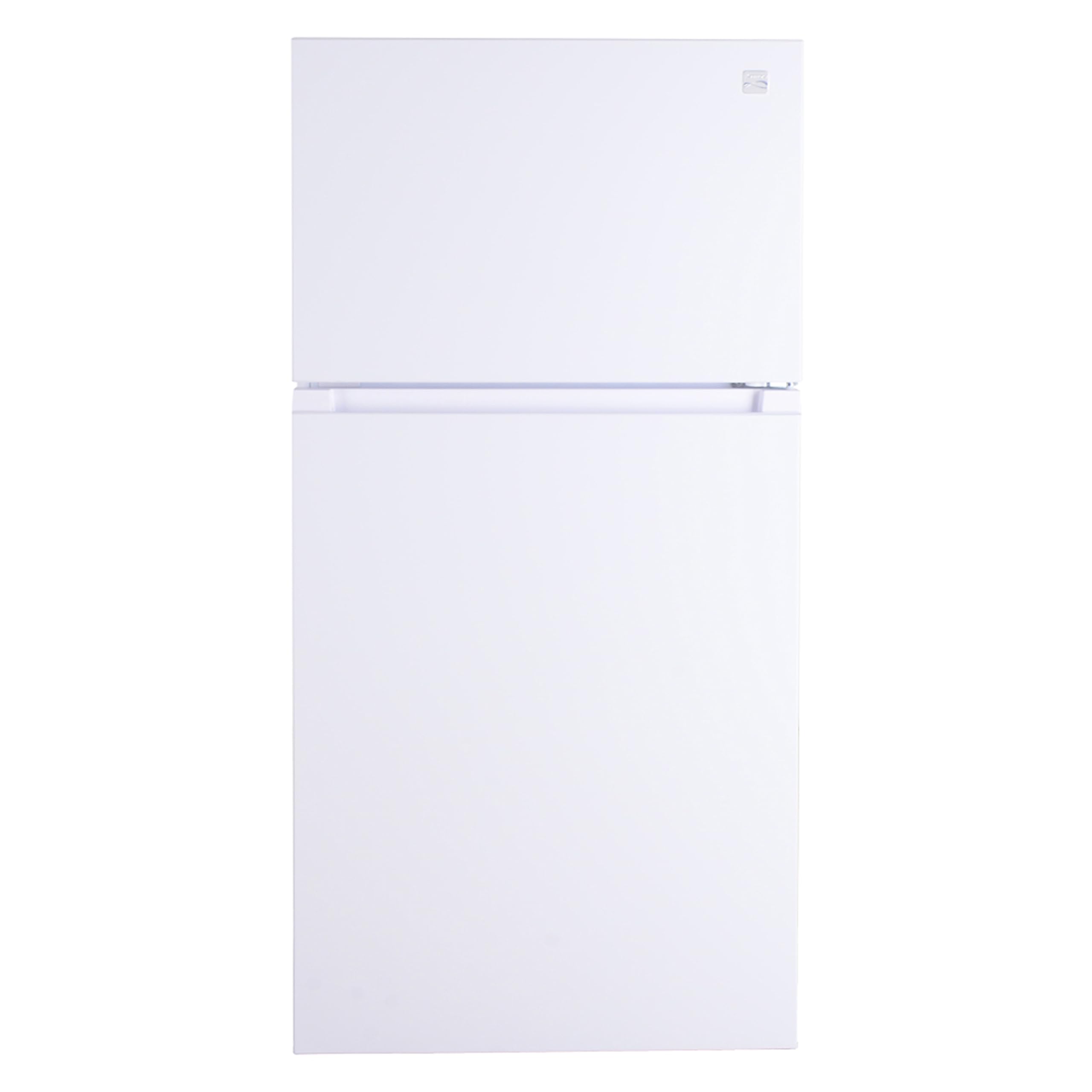
If you want one fridge that covers “normal life” without drama, this is the one I’d point most households toward first. The reason is simple: the interior is designed around how people actually store food—wide shelves for trays, adjustable spacing for tall items, and a door layout that doesn’t waste space on gimmicks.
What makes it “best overall” isn’t that it’s the fanciest. It’s that it’s the easiest to live with. Owners who love this style tend to say the same things: it feels organized, it’s quiet enough not to be intrusive, and it holds the kind of grocery load you buy in a real week—produce, containers, pitchers, leftovers, drinks, and those awkward party platters.
Here’s the expert detail that matters: top-freezer fridges win or lose on shelf geometry. This one’s full-width glass shelving gives you a clean “canvas” to build your layout. That’s why it works both as a primary kitchen fridge and as an overflow/holiday helper when you’re staging meals.
Why you’ll like it
- Real shelf usability – Wide, adjustable shelves that actually fit trays and tall items without weird dead zones.
- Strong everyday organization – Crispers + door bins that support “daily grab” items without cluttering the main cavity.
- Simple, clean exterior – White hides fingerprints better than darker finishes in busy homes.
- Good “one fridge” energy – A layout that works for families, meal preppers, and normal kitchen routines.
Good to know
- Full-size means full-size delivery: measure doorways and turning space before you commit.
- Like many large fridges, it rewards proper airflow clearance—don’t wedge it tight into a nook without space to breathe.
- If you want ice “ready to go” out of the box, the black ice-maker model later in this guide is the more direct fit.
Ideal for: households who want a reliable, organized main fridge that feels natural to use from day one—without the complexity tax of more complicated styles.
2. Kenmore 33 in. 20.4 cu. ft. (Black, Ice Maker) – The “Ice Ready” Upgrade That Stays Practical
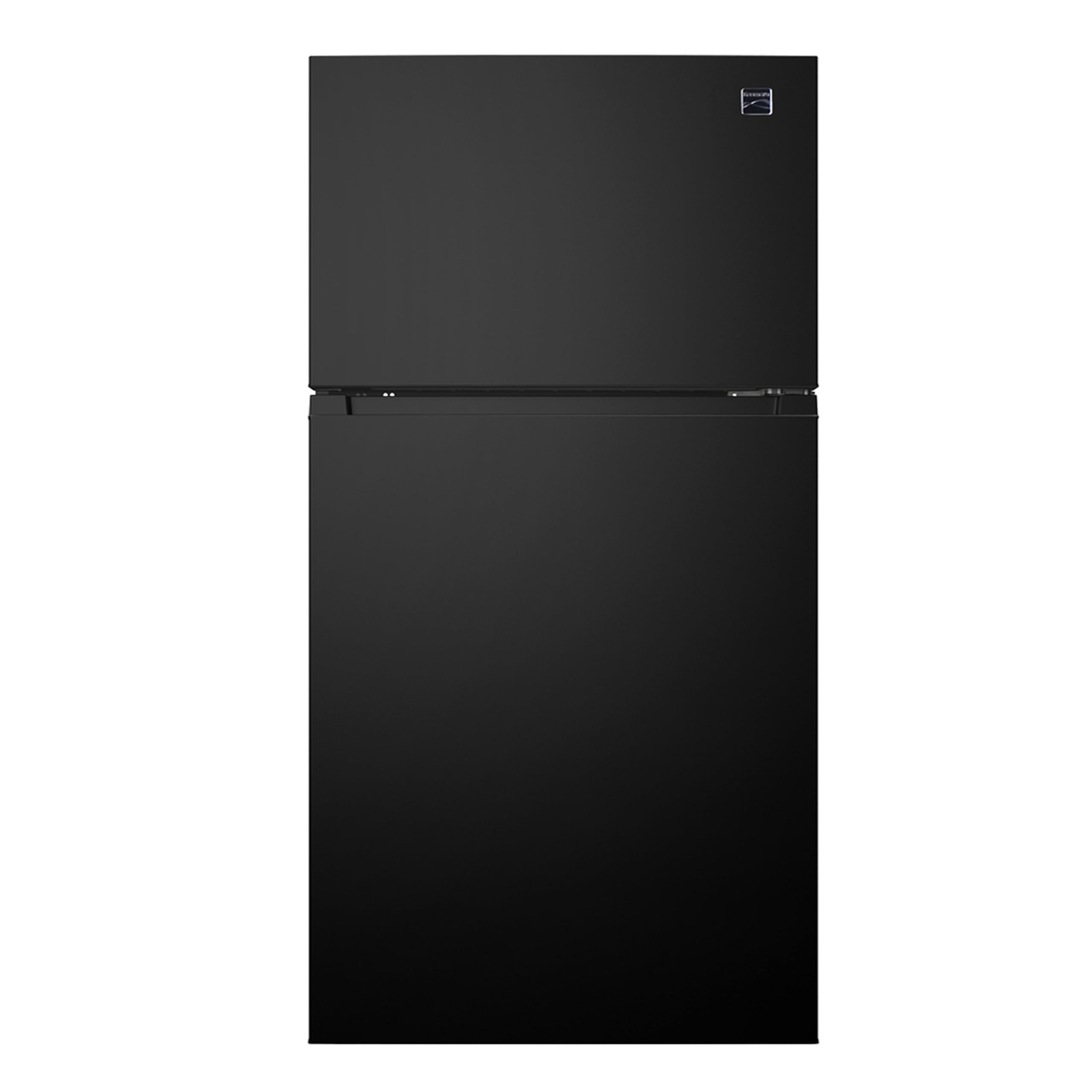
This is the “you host, you prep, you like convenience” version of the Kenmore experience. The big win is ice at the ready—because if you’ve ever tried to run gatherings while refilling trays, you already know it’s not fun. Owners who love this model talk about strong cooling performance, quiet operation in open spaces, and a freezer that feels efficient instead of cramped.
Now the honest part: black finishes can be stunning, but they’re also honest. People often mention fingerprints showing up quickly with normal use, which means this is best for households who don’t mind quick wipe-downs. There’s also a very practical interior quirk owners point out: the thermostat/light housing can dip into the top fridge zone, making the center of the top shelf less usable for tall items like pitchers or gallon jugs. That’s not a deal-breaker—but it does change how you set up your “top shelf plan.”
If you’re deciding between this and the white Kenmore above, the question is not “which is better?” It’s “Do you want ice built in, and do you mind a finish that shows touch marks?” If yes, this can be a fantastic daily driver.
Why it stands out
- Ice convenience – Built-in ice is a quality-of-life upgrade for families and entertainers.
- Quiet, steady performance – Owners frequently describe it as calm and consistent in open living spaces.
- Strong interior organization – Wide shelves + freezer bins keep “small chaos” under control.
- Modern look – The black finish gives a clean, upgraded feel in many kitchens.
Good to know
- Black finishes can show fingerprints—plan for regular wiping if that bothers you.
- Top-shelf “center height” can be limited by the thermostat/light housing; set up tall items on lower shelves.
- Some owners report parts availability issues for small components (like door shelves), so treat shelves gently.
Ideal for: buyers who want a full-size top-freezer fridge with ice on demand—without moving into complicated “dispenser-heavy” territory.
3. Kenmore 33″ 25 cu. ft. (White) – The “Stop Playing Tetris” Cold Storage Machine

Some fridges are about being “nice.” This one is about being done with running out of room. If your household cooks a lot, buys in bulk, or simply wants to stop stacking containers like a physics experiment, a larger interior can feel like a daily relief.
Here’s the expert angle: when you go big, you don’t just gain capacity—you gain temperature stability in practical use, because airflow has more space to circulate around items. That can mean fewer “warm back corner” surprises and fewer “everything is crammed against the evaporator” situations. It also means your shelf planning becomes simpler: you can dedicate zones instead of constantly rearranging.
This model is best for people who want a large, classic layout without paying the “fancy door” premium. You get adjustable shelving, crispers for produce, and that top-freezer convenience where frozen foods are easy to see and grab. Plus, a door-ajar alarm is one of those features you don’t appreciate until someone in the house closes the door “almost” all the way.
Why big can be better
- Maximum breathing room – Easier organization and less constant reshuffling.
- Better zone planning – Dedicated areas for meal prep, drinks, leftovers, and produce.
- Useful safety detail – Door-ajar alerts can save groceries in busy households.
- Classic usability – A huge fridge that still feels straightforward to operate.
Good to know
- Big units can be tough through entry doors—measure carefully and plan the delivery path.
- If your kitchen is tight, check door swing and walkway clearance before you commit.
- Large capacity is only “better” if you’ll actually use it; for small households, a mid-size model may feel more efficient.
Ideal for: big households, bulk shoppers, and cooks who want a high-capacity top-freezer that’s simple, roomy, and easy to live with.
4. BLACK+DECKER 24 cu. ft. (Stainless Look) – Huge Space, Straightforward Layout, One Important Check
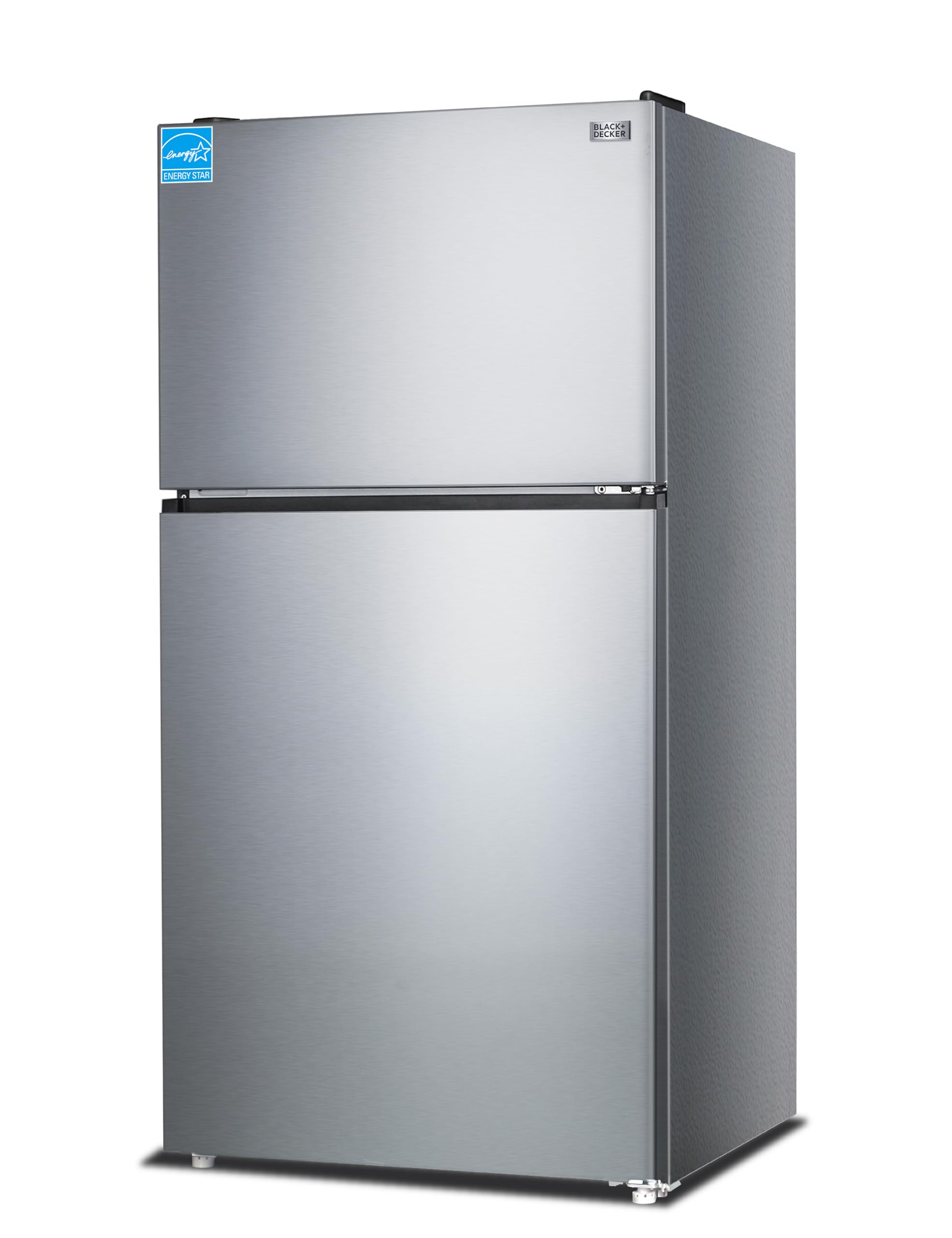
If your priority is “give me a lot of fridge and don’t complicate my life,” this model deserves attention. It’s big, it’s classic, and the stainless-look finish makes it feel more modern than plain white boxes. Owners who are happy with it often describe it as basic in a good way: it does the job, it’s not flashy, and it feels like it could be dependable.
But here’s the real-world nuance you should know: freezer performance is where a few buyers raise concerns—specifically about ice cream staying hard. That doesn’t automatically mean “bad freezer,” but it does mean you should treat freezer setup seriously: don’t overload the door bins, keep sensitive items deeper inside, and give the unit proper time to stabilize after initial setup. Also, some users mention the temperature controls feel crude or less granular, which can be fine if the fridge hits your target temps—but frustrating if you’re picky.
In short: this is a strong “space first” pick, as long as you’re the type of buyer who will do a careful first-week calibration (check temps, adjust settings, and confirm the freezer meets your expectations).
Why people buy it
- Lots of room – A true full-size capacity that supports big grocery loads.
- Simple layout – No complicated dispenser systems; just fridge + freezer done traditionally.
- Frost-free convenience – Less maintenance, especially for busy households.
- Modern exterior vibe – Stainless-look finish can upgrade the feel of a space.
Good to know
- Some owners report the freezer may not keep certain items (like ice cream) as solid as expected—test early.
- Controls can feel less precise than premium models; if you love micro-adjusting temps, consider other picks.
- Big units are heavy and awkward—plan delivery, protect floors, and verify door swing direction.
Ideal for: households who want a large, straightforward top-freezer fridge and are willing to do a careful early “freezer performance check” during setup.
5. Commercial Cool 20 cu. ft. (Black, Ice Maker) – The “Basement & Holiday” Workhorse with Big Convenience
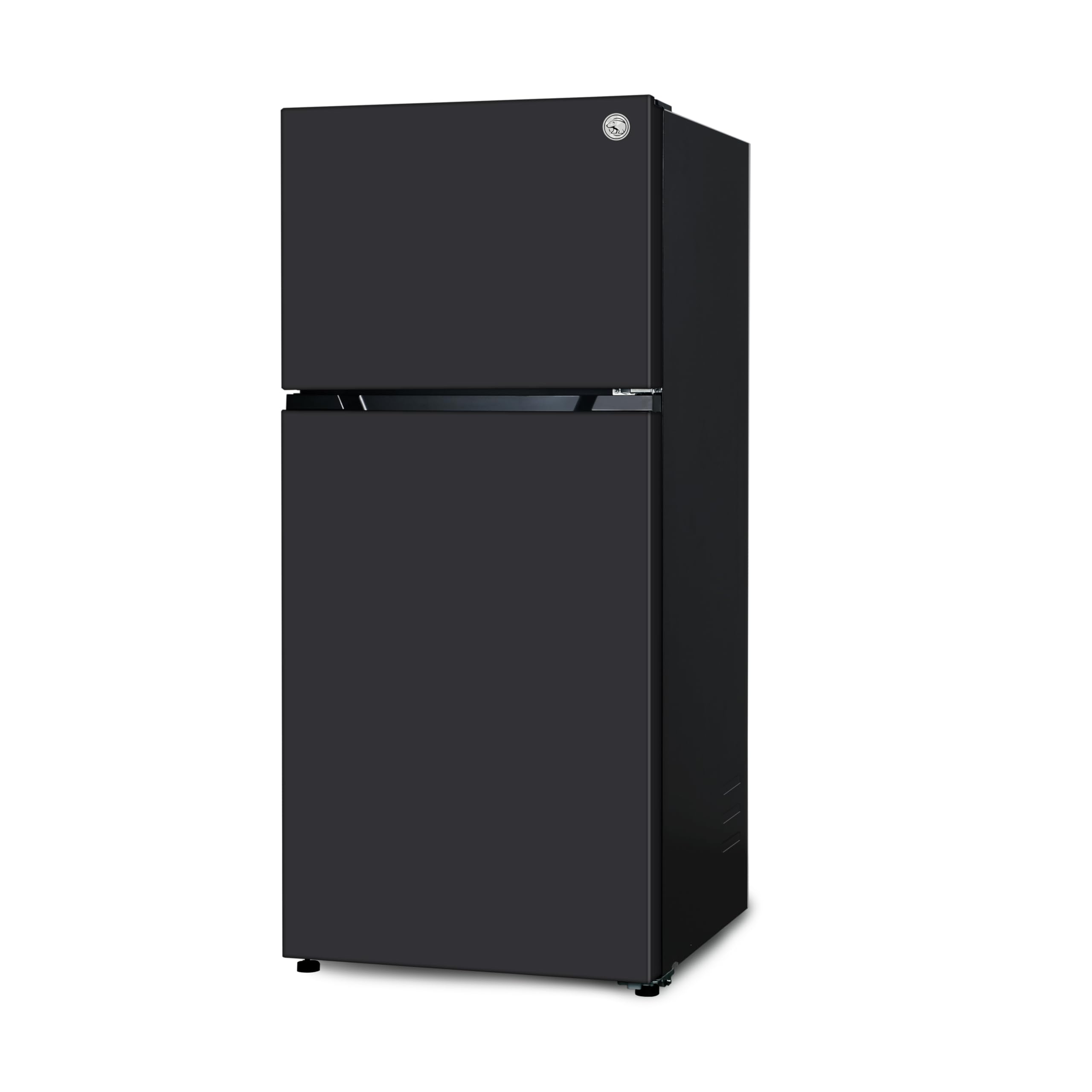
This fridge shines in a very specific role: the “extra refrigerator that saves your main fridge.” Think basement, garage, office breakroom, holiday overflow, or a household that buys drinks and bulk items regularly. Owners love the space and the simple, no-drama layout—and the ice maker is a big perk for second-fridge life.
The hidden “expert win” is access: top-freezer fridges make it easy to see what you have without digging. That’s why some people say they prefer this style over chest freezers for overflow storage: you can actually find what you stored. Several happy owners mention letting it sit after delivery, then turning it on and seeing strong freezing temps quickly—exactly what you want from a utility fridge.
The caution is also real: a few buyers report early compressor failure and headaches around returns/replacements. That doesn’t mean it will happen to you, but it does mean you should treat inspection and early monitoring as non-negotiable. If you’re buying for a garage or basement, test it hard in the first couple weeks while you can still resolve issues smoothly.
Why it’s a strong “second fridge” pick
- Great overflow capacity – Perfect for drinks, holiday food, and bulk storage.
- Ice maker convenience – A big quality-of-life upgrade for gatherings and everyday use.
- Easy access organization – Upright freezer space is easier to manage than deep-chest digging.
- Simple controls – Straightforward operation with fewer “smart feature” complications.
Good to know
- A small number of owners report early mechanical issues—inspect immediately and test early.
- Shipping can introduce cosmetic dings; check corners and door edges on arrival.
- Give it proper airflow clearance in a garage/basement so it doesn’t run hot and stressed.
Ideal for: buyers who need a full-size extra fridge with ice, and want a practical upright layout for overflow food and drink storage.
6. Kenmore 30″ 18.1 cu. ft. (White) – Simple, Quiet, Easy to Live With
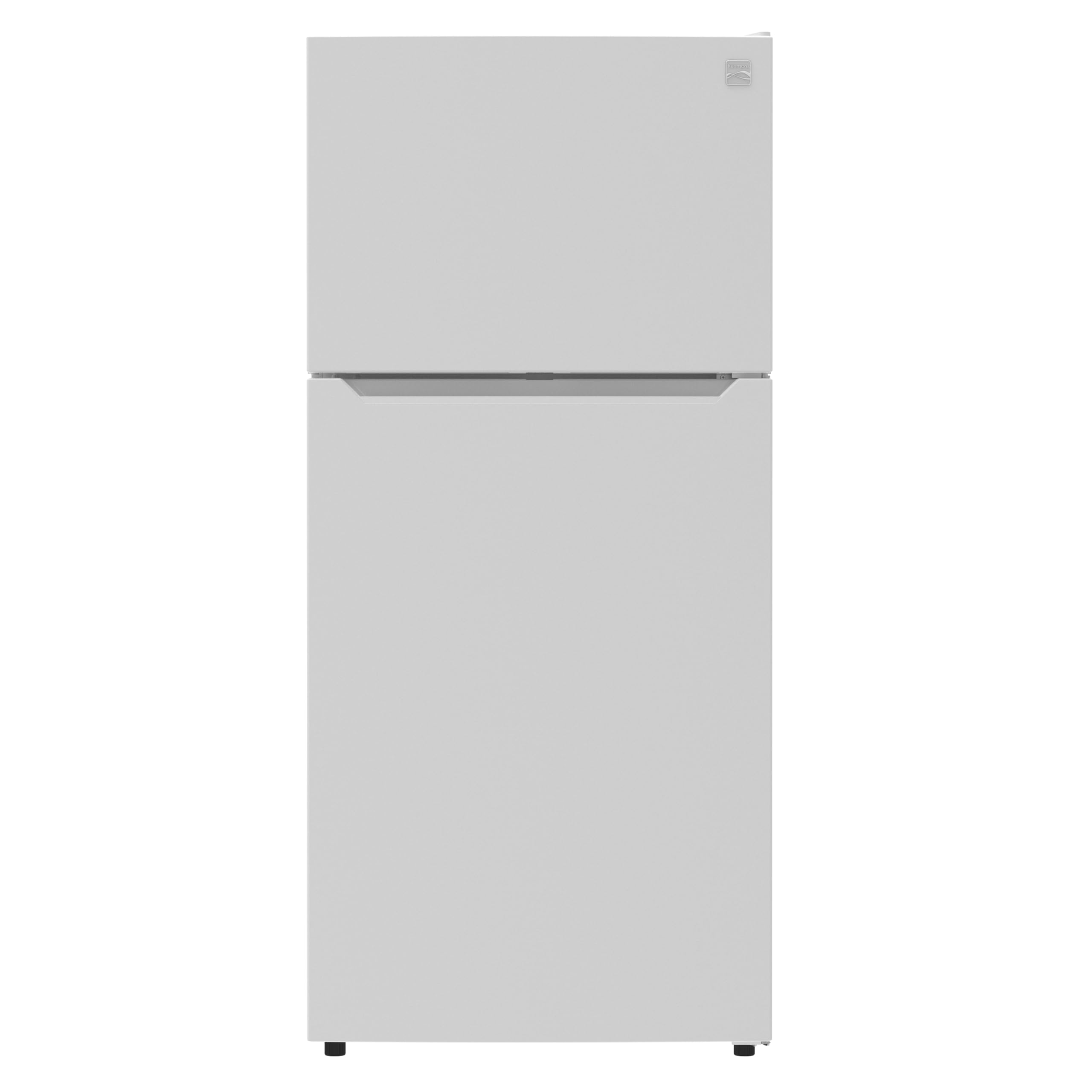
This is the fridge for people who want normal life to feel easy: open the door, see your food, store your groceries, move on. Owners who like this model tend to describe it as “plain in the best way”—quiet, clean, and not overloaded with technology that becomes tomorrow’s repair bill.
The interior design is also a practical win for a 30-inch footprint: adjustable edge-to-edge glass shelves give you flexibility for tall pitchers, party trays, or bulk groceries. Humidity-controlled crispers are a big quality-of-life feature in real cooking households, because produce storage is where most fridges either help you or betray you.
The most common negatives aren’t about performance—they’re about delivery experience (dents) or door-swing expectations. Because doors are reversible, you can usually fix orientation, but you want to know that before the fridge is installed in a tight nook. Also, a few users mention interior lighting being dimmer than expected; if bright lighting is a must, factor that into your decision.
Why it’s a smart buy
- “Just works” simplicity – Great for people who don’t want fancy features to babysit.
- Quiet operation – Owners often mention it blends into the background.
- Flexible shelving – The edge-to-edge shelf layout makes mid-size feel more usable.
- Solid family fit – Enough space for weekly groceries without needing a giant footprint.
Good to know
- Delivery dents happen with large appliances—inspect immediately and document condition.
- Interior LED brightness may feel low if you’re used to very bright fridges.
- Confirm door swing needs early if your kitchen layout is tight.
Ideal for: households who want a mid-size main fridge that stays quiet, organized, and uncomplicated.
7. Kenmore 30″ 18.1 cu. ft. (Black) – Same Practical Layout, Darker Modern Look
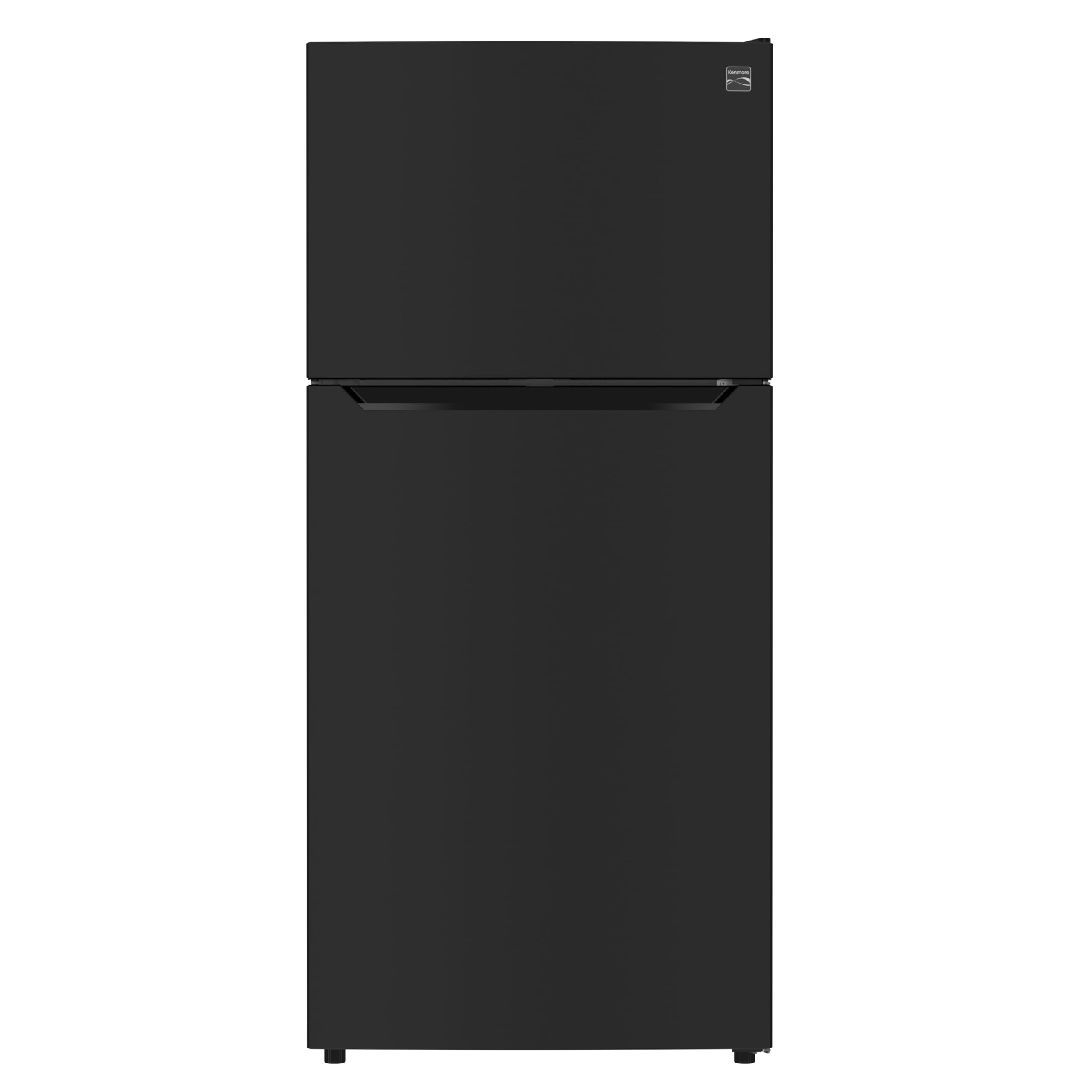
Think of this as the “same fridge, different outfit.” If you love the Kenmore 18.1 layout but want a darker finish that looks modern and clean, this is the version that fits. People choosing black usually care about aesthetics in a visible kitchen, and this model offers that without changing the core simplicity: glass shelves, produce crispers, clear bins, and a straightforward top-freezer setup.
From an expert perspective, what matters here is not the color—it’s the compressor behavior. An inverter compressor can help keep temperature swings smaller and noise lower in many designs, which is exactly the kind of “invisible upgrade” you feel over months of use: steadier temps, less harsh cycling, and fewer loud “on/off” moments.
The same cautions apply: inspect on arrival for dents and confirm door swing direction. Also, black finishes can show fingerprints more than white, so choose it if you’re okay with occasional wipe-downs.
Why it’s a good fit
- Modern finish – Black can elevate the look of a kitchen quickly.
- Same no-fuss layout – Practical shelving and crispers without complicated gimmicks.
- Potentially calmer cycling – Inverter-style designs often feel smoother in daily life.
- Mid-size sweet spot – Big enough for real groceries, smaller footprint than huge units.
Good to know
- Black can show fingerprints; if that will annoy you, consider the white version.
- Delivery condition varies—inspect corners and door edges before the crew leaves.
- Reversible door is great, but do the hinge decision before installation in tight spaces.
Ideal for: anyone who wants mid-size capacity with a clean black finish and straightforward, reliable daily usability.
8. Honeywell H18TFW 18 cu. ft. – The “Why Is This So Nice?” Simple Refrigerator

Honeywell isn’t the first name most people think of for kitchen appliances, which is exactly why this one surprises people. Owner feedback often reads like: “I was skeptical… then I loved it.” The typical praise is stability—holds temps well, sets up easily, and feels spacious. That’s what a good fridge is supposed to do: remove friction, not add it.
The inside is practical: spill-proof glass shelving (a real cleanup win), humidity-controlled crispers for produce, and electronic temperature control so you’re not guessing with a vague dial. Several owners mention they’d only ask for one improvement: a dedicated meat drawer. That’s actually a helpful clue—because it means the core experience (cooling, organization, reliability) is doing what it should, and the “complaint” is about an extra convenience feature.
The common negatives are mainly delivery-related: dents and delayed shipping can happen. If you’re using it as a drinks/ice cream fridge, it tends to earn strong satisfaction—quiet enough to live with, big enough to matter.
Why people love it
- Quiet, stable performance – A major win for open-plan spaces and shared areas.
- Spill-proof glass shelves – Makes real-life mess cleanup dramatically easier.
- Simple, modern controls – Electronic control feels more precise than basic knobs.
- Mid-size practicality – Big enough to matter, not so huge it dominates the room.
Good to know
- Some owners wish for a meat drawer; you may repurpose a crisper if needed.
- Delivery timing and cosmetic dents can vary—inspect and document condition.
- If you want the biggest possible freezer, consider a larger-capacity Kenmore above.
Ideal for: shoppers who want a mid-size, quiet top-freezer fridge that feels “nicer than expected” and keeps daily life simple.
9. Upstreman 11.6 cu. ft. (Stainless) – Frost-Free Convenience in a Small-Kitchen Footprint

This is the kind of fridge that makes small kitchens feel modern and functional without feeling like you “settled.” Owners consistently praise three things that matter in apartments: it’s quiet, it cools evenly, and frost-free operation means you’re not scraping ice just to use your freezer properly.
The stainless appearance is another real-world win: it looks clean and current in modern spaces. But what I like more is the internal usability—multiple shelves, a crisper drawer, and enough freezer depth to feel like real frozen storage. Several owners point out a small annoyance that’s actually a good sign: the freezer doesn’t have a light. That’s the kind of complaint people make when the core cooling and function are working well.
The main “friction point” is door reversal. If you need to swap hinge direction, plan it as a two-person job. That’s not unusual—doors are heavy, alignment matters, and the best outcome is a door that seals perfectly without fighting you.
Why it’s apartment-friendly
- Frost-free freezer – A huge convenience upgrade in daily life.
- Quiet operation – Great for apartments where the kitchen is close to living/sleeping space.
- Clean modern look – Stainless style feels upgraded without needing a “luxury” budget.
- Useful shelf count – More shelves + crisper makes organization easier in a smaller footprint.
Good to know
- Changing door swing can be a hassle—treat it as a planned project, not a quick tweak.
- No freezer light (common in this category); consider a small rechargeable light if it bothers you.
- As with any compact unit, airflow clearance is still important—don’t trap it tight against walls.
Ideal for: renters and small-kitchen owners who want a modern, frost-free top-freezer fridge that stays quiet and organized.
10. Galanz 12 cu. ft. (Stainless) – Strong Cooling, Quiet Feel, “Handle With Care” Delivery Reality

This model shows up again and again in small-space conversations for one reason: it fits where larger fridges don’t, but still behaves like a “real refrigerator.” Owners often describe it as wicked cold (in a good way), quiet enough for living spaces, and quick to cool down after installation. That “fast stabilization” matters in RVs and tiny homes where the environment swings more than a traditional kitchen.
The expert nuance: compact top-freezer fridges can be sensitive to leveling and door alignment. Several real users mention needing door adjustments—especially if changing hinge sides. That doesn’t automatically mean “bad build.” It means you should treat setup like precision work: level it, align it, confirm the gasket seals evenly all around. A mis-sealed door can create condensation, frost, and inconsistent temps that look like “cooling failure.”
The other recurring theme is warranty/service frustration if something goes wrong. That’s why I recommend this model most strongly to shoppers who will inspect it carefully on arrival and test it early. When it works well, it’s a quiet, cold, practical small-space fridge. The goal is to make sure you receive a good unit and set it up correctly.
Why it can be a great pick
- Strong cooling – Many owners describe it as very cold even on lower settings.
- Quiet profile – Works well in living spaces where noise would be annoying.
- Small-space friendly – A practical size for apartments, RVs, and compact kitchens.
- Frost-free convenience – Less freezer maintenance over time.
Good to know
- Door adjustment may be needed, especially after reversing hinge side—plan time for setup.
- Shipping damage risk exists; inspect doors and seals carefully upon arrival.
- If you value “easy warranty experience” above all, consider a brand with broader service networks.
Ideal for: compact-space buyers who want strong cooling and quiet operation—and are willing to be hands-on about setup and inspection.
11. Frigidaire 11.6 cu. ft. Compact ADA (Black) – A “Real Fridge” Feel in a Compact Height

This Frigidaire is the “I need a compact fridge, but I refuse to live with dorm-fridge compromises” option. It’s popular in RV and sleeper-cab setups for a reason: people report it being roomy, stable, and less prone to the “everything freezes in the back” problem some compact fridges suffer from. That’s a big deal when you’re storing real food, not just drinks.
From an expert perspective, the win is the balance of features that matter: frost-free convenience, electronic temperature control, and usable door storage. It also has a “seamless hinge” style that looks cleaner than older compact designs. If your space demands ADA height or a smaller footprint, this is one of the few options that still feels like a modern appliance.
The caution: measurements matter deeply here. Some buyers have flagged confusion around listed dimensions vs real-world depth/width orientation. If you’re fitting it into a specific cutout next to counters, verify the true orientation and allow for door swing and airflow. If you’re placing it free-standing (garage, RV bay, office corner), it’s much easier to love.
Why it works
- Compact but capable – Feels like a real refrigerator, not a “mini” compromise.
- Frost-free convenience – Less maintenance, more consistent freezer usability.
- Electronic controls – Practical precision compared to vague dial settings.
- Great for alternative installs – RV, office, studio, and small-kitchen use-cases show up often.
Good to know
- Dimension listing confusion has been reported; verify fit carefully before ordering for built-in-like spaces.
- As with any compact fridge, airflow clearance is non-negotiable for stable cooling.
- Door storage is helpful, but avoid crowding items against the back wall where cooling surfaces may be colder.
Ideal for: compact-space buyers who want a modern, frost-free fridge with a true freezer and a “real appliance” feel.
12. Frigidaire 10.1 cu. ft. Compact ADA (Brushed Steel) – The “Perfect Fit” RV & Small Kitchen Favorite

This model pops up in “replacement” stories for a reason: it fits into spaces older built-ins or RV fridges used to occupy, and it cools quickly once installed. Owners who swapped from RV-specific units often describe it as a major quality-of-life upgrade: more space, faster cooling, and modern frost-free convenience. That’s a powerful endorsement because RV users are brutally honest—if it doesn’t work, they’ll say so.
The usability here is what makes it feel premium for the size: adjustable glass shelving, two crispers, clear door bins, and LED lighting that helps you actually see what you have. Electronic temperature controls also matter more in compact units, because small internal volumes can swing temps faster if control is vague. This one gives you a more precise “dial-in” experience.
The recurring complaint isn’t about function—it’s cosmetic: some units arrive with scratches or dents even when the box looks intact. That strongly suggests factory/warehouse handling or internal packaging shifts. So if you’re buying this for a visible kitchen location, inspect immediately. If you’re buying it for an RV or utility space, you may care less—because performance is where this unit earns praise.
Why it’s a standout compact
- Great “replacement fit” reputation – Popular for RV and small-kitchen swaps.
- Fast cooling – Owners often mention quick stabilization after setup.
- Modern interior features – Crispers, LED lighting, and clear bins improve daily usability.
- Frost-free convenience – A big upgrade over older compact designs.
Good to know
- Cosmetic dents/scratches on arrival are reported; inspect early if appearance matters to you.
- Compact units are sensitive to leveling—use the adjustable feet to eliminate vibration and sealing issues.
- In very tight installs, confirm airflow clearance so performance stays consistent.
Ideal for: RV owners and small-space kitchens that want modern frost-free performance and a compact fridge that doesn’t feel like a downgrade.
13. Cucina Magica 8.5 cu. ft. (Blue) – The Classroom/Dorm “Holds More Than It Should” Pick
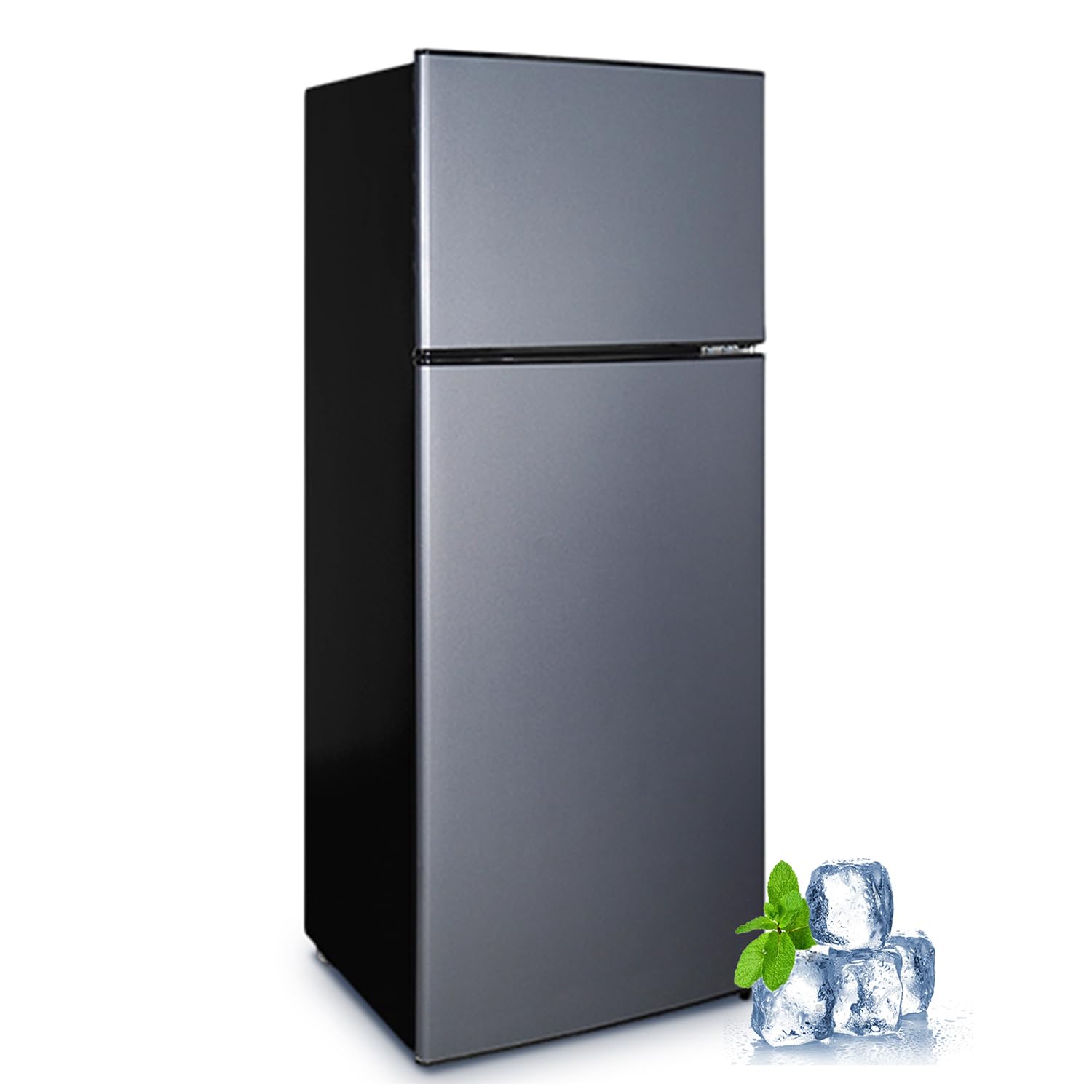
This is the “small space but real storage” fridge people buy when a typical mini fridge just isn’t enough. Owners like it for dorm rooms, classrooms, and offices because it holds a surprising amount, cools quickly, and runs quietly enough not to be distracting. That last part matters: noise is the #1 reason people regret bedroom/office fridges.
What I like about this size tier (8-ish cubic feet) is the balance: it’s still movable and fits into more places than full-size units, but it gives you actual organization—multiple shelves, door storage, and a separate freezer compartment. That separate freezer is the difference between “my ice cream is always weird” and “I can store frozen items properly.”
One real-world detail you’ll see: some buyers wish the color options were different. That’s actually useful: it tells you the function is doing its job, and the “complaint” is aesthetic preference. If the blue works in your space, this is a very practical shared-space solution.
Why it’s a strong pick
- Surprisingly roomy – Holds more drinks and snacks than many expect.
- Quiet enough for shared spaces – Great for classrooms, dorms, and offices.
- Two-door design – Separate freezer compartment improves frozen performance.
- Easy setup – Owners often mention quick cooling after installation.
Good to know
- Color preference is subjective; if blue isn’t your vibe, consider other compact silver/black picks below.
- Manual defrost means occasional maintenance—keep an eye on frost buildup over time.
- Like most compact units, it benefits from a bit of breathing room around the sides and back.
Ideal for: dorms, classrooms, offices, and small apartments that need real organization and quiet cooling in a compact footprint.
14. Upstreman 7.7 cu. ft. (Black) – The “Small but Mighty” Everyday Refrigerator
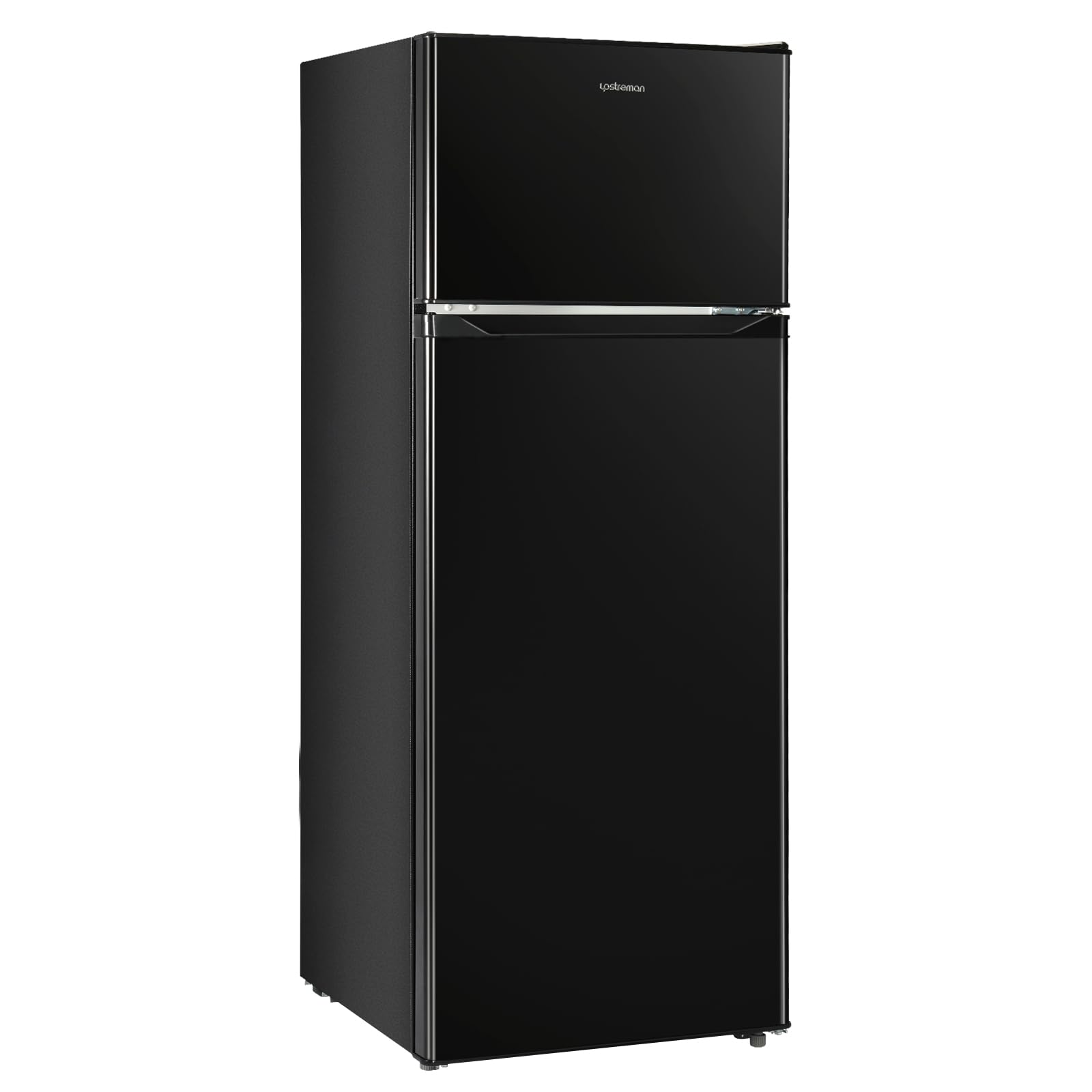
This is a genuinely practical size for one person (or a small household) who wants “real fridge function” without needing a full-size footprint. Owners often describe it as the perfect middle ground: much bigger than a tiny mini fridge, but still manageable to move and place.
The real-world strength is temperature control and consistency for the size. Many users find a “sweet spot” setting based on how often they open it (work schedule vs home schedule), which is exactly the right way to think about compact fridge performance. It’s also praised for being move-friendly: two people can handle it, and some strong individuals can place it solo.
Now, the expert caution: compact fridges often have the evaporator surface in the back wall. Owners mention that items touching the back can freeze—so plan your layout with a little breathing room. Also, some people note the protective external film can be annoying to remove, and it’s not just cosmetic: removing it fully helps proper heat dissipation.
Why it’s a good small-home pick
- Great “just me” capacity – Holds a real week of groceries for many solo shoppers.
- Quiet operation – Works well in smaller apartments and close-quarters living.
- Flexible door swing – Reversible door adds placement options in tight rooms.
- Freezer actually works – A true two-door setup makes frozen storage more dependable than single-door minis.
Good to know
- Items against the back wall can freeze; leave a small gap for airflow.
- Protective film removal can be time-consuming—take your time and remove it fully.
- Temperature control knob placement may be awkward in tight interiors; organize to avoid bumping it constantly.
Ideal for: solo living, small apartments, and practical buyers who want a compact fridge that behaves like a “real” refrigerator day to day.
15. BANGSON 7.7 cu. ft. (Silver) – The Beverage Fridge That Finally Stops the Main Fridge Chaos

This is the “we have too many drinks” solution that quietly changes your kitchen. A lot of people buy a compact fridge thinking it will help… then choose the wrong layout and still feel cramped. What makes this one work is the shelf flexibility and door storage: you can stand bottles upright, lay bottles down, park 12-packs, and keep snacks separate without losing the whole fridge to chaos.
The most useful real-world insight from owner feedback is how quickly it cools—even on lower settings—and how well the separate freezer holds frozen items. That’s a big deal in humid climates where small freezers often ice up fast. Several users are surprised to see minimal frost buildup compared to “cube” minis.
The honest downside is delivery condition variability and “sound personality.” A few owners report dents on arrival or gurgling/bubbling noises and longer run times, especially early on. That doesn’t automatically mean failure—new fridges can run more at first while stabilizing—but it does mean you should level it carefully, let it settle upright before use, and confirm it cycles normally after the first days. The good news: at least one buyer reports excellent seller responsiveness when issues came up, which matters.
Why it’s a great “second fridge”
- Great beverage layout – Door and shelf design supports real drink storage without wasted space.
- Separate freezer – Helps frozen items stay properly frozen compared to single-door minis.
- Adjustable shelving – Makes it easy to tailor for bottles, cans, snacks, and odd shapes.
- Looks good in living space – Silver finish can blend into dens, offices, and studios.
Good to know
- Delivery dents are reported—inspect corners and edges on arrival.
- Some users note more frequent cycling/noise; leveling and settling time can improve this.
- As with any compact fridge, avoid pushing items flush against the cold back wall to prevent freezing.
Ideal for: households who want a dedicated drink/snack fridge that actually feels organized and keeps frozen items reliably cold.
16. EUHOMY 7.4 cu. ft. (Silver) – Quiet, Consistent, and Surprisingly “Grown-Up”
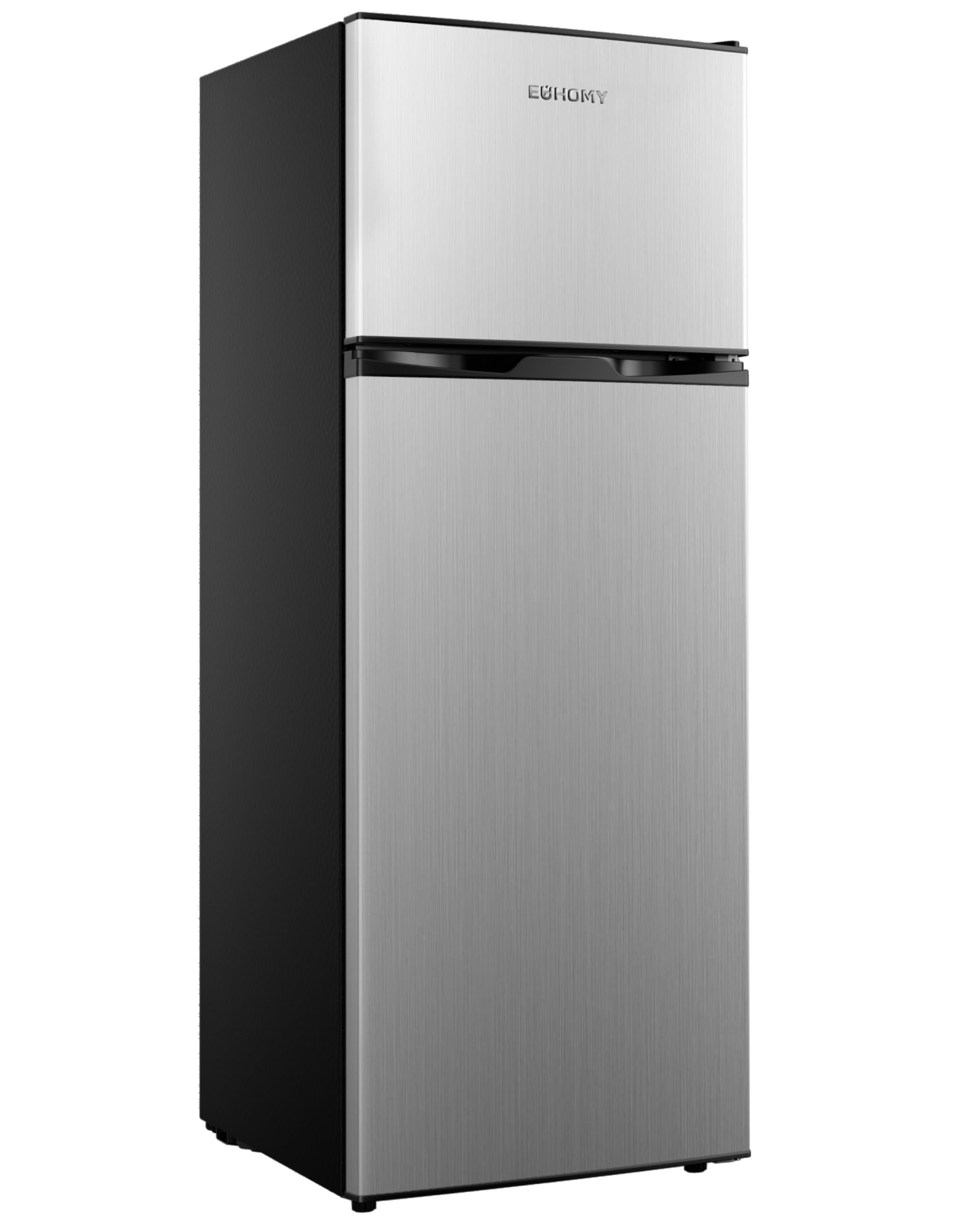
For a fridge that might live in a bedroom, this is the key trait: owners repeatedly describe it as “not too loud.” It may hum, but it’s not the kind of constant noisy machine that keeps you awake. That makes it a strong pick for bedrooms, studio apartments, offices, or any space where the fridge is within earshot.
Functionally, the separate freezer is the headline win—because it means frozen food actually stays frozen, instead of turning into a half-frozen “sometimes ice” situation common in single-door units. Owners also mention it fits more than expected (especially if you remove a drawer to reclaim shelf space), and that it holds steady temps over long ownership windows, which is the ultimate compliment for any appliance.
The most common “real life note” is condensation on the back wall and occasional freezing if items touch it. That’s normal behavior in many compact designs where cold surfaces are near the back. The fix is simple: leave a little gap behind bottles and containers, and use the shelves to create airflow space.
Why it’s easy to live with
- Quiet enough for bedrooms – A major win for close-quarters living.
- Separate freezer works well – Better frozen performance than single-compartment minis.
- Good capacity for size – Holds drinks, leftovers, snacks, and freezer items without constant reshuffling.
- Simple setup – Plug in, adjust temp, and it stabilizes quickly for most users.
Good to know
- Condensation/freezing can happen if items touch the back wall—leave a small gap.
- Stainless-look surfaces may need occasional wiping to stay spotless.
- Some users note the rear design is more exposed; leave airflow space and keep cords organized.
Ideal for: anyone who needs a compact two-door fridge in a quiet space and wants consistent cooling without constant attention.
17. Frigidaire 7.5 cu. ft. Garage Ready (Quicksilver) – Small Footprint, Big Utility

This is a smart pick when you need “more cold storage” but you don’t have space (or patience) for another full-size refrigerator. It’s compact enough to fit in garages, basements, cabins, small kitchens, or emergency backup roles—yet large enough to feel useful, not toy-like.
The real-world story here is honesty: some owners report cosmetic damage (dents, drip pan issues) but still end up happy because the fridge does its job. That’s typical of compact utility fridges: you’re buying function first. Cooling performance tends to be solid in the main compartment, and the separate freezer works best for true freezing when you store items on the main freezer shelf instead of relying heavily on door storage.
Because it’s manual defrost, plan on occasional maintenance. The trade-off is simplicity and a layout that can be very forgiving for overflow use. If you need a “garage fridge” that isn’t enormous, this is a practical match.
Why it works for garages & cabins
- Compact utility strength – Useful storage without needing full-size clearance.
- Spill-proof shelves – Cleanup is easier, especially in busy multi-use spaces.
- Easy placement – Smaller units are simpler to move into basements, garages, and cabins.
- Separate freezer compartment – Better than single-door “freezer box” designs.
Good to know
- Manual defrost means occasional ice management.
- Cosmetic dents can happen; inspect on arrival, especially if it will be in a visible kitchen spot.
- Freezer door bins may not freeze as hard as the main freezer area—store sensitive items deeper inside.
Ideal for: compact garage/basement/cabin use where you want a true freezer compartment but don’t want a full-size footprint.
18. Frigidaire Platinum Series 7.5 cu. ft. (Stainless) – Compact, Quiet, and Surprisingly Capable

This is a compact fridge that people buy for garages and studio conversions—and then keep talking about because it feels better than expected. Owners frequently mention that it runs quietly enough for sleeping areas, the freezer keeps food frozen for longer-term use, and the adjustable shelving makes it easy to customize for real groceries instead of just drinks.
The “platinum/stainless look + chrome trim” design is a big part of the appeal: it feels like a deliberate appliance choice, not a temporary mini fridge. That matters in small kitchens where every item is visible and the vibe of the space is important. Functionally, it’s the balance of shelf usability + separate freezer + reasonable noise that makes people say “this is the right size.”
Like many compact units, the main risk is shipping dents. Multiple reviews across compact fridges mention rough handling by delivery drivers—even when the appliance itself is otherwise well packaged. The good news: owners who inspect, let it settle upright, and set it up thoughtfully tend to have a smooth experience.
Why it’s popular
- Quiet enough for studios – A key advantage over many cheaper minis.
- Freezer actually holds – More reliable frozen storage than single-door units.
- Looks intentionally “nice” – Great if your compact fridge will be visible in your living space.
- Good shelf flexibility – Helps it function as a real small-kitchen refrigerator.
Good to know
- Manual defrost means occasional freezer maintenance.
- Expect possible minor cosmetic dents; inspect immediately if appearance matters.
- Not designed for huge households—this is “small kitchen / second fridge” excellence.
Ideal for: small kitchens, studios, and garages where you want a compact fridge that feels upscale and performs like a real appliance.
19. Frigidaire Retro 7.5 cu. ft. (Azure) – The “Tiny Home Personality” Fridge
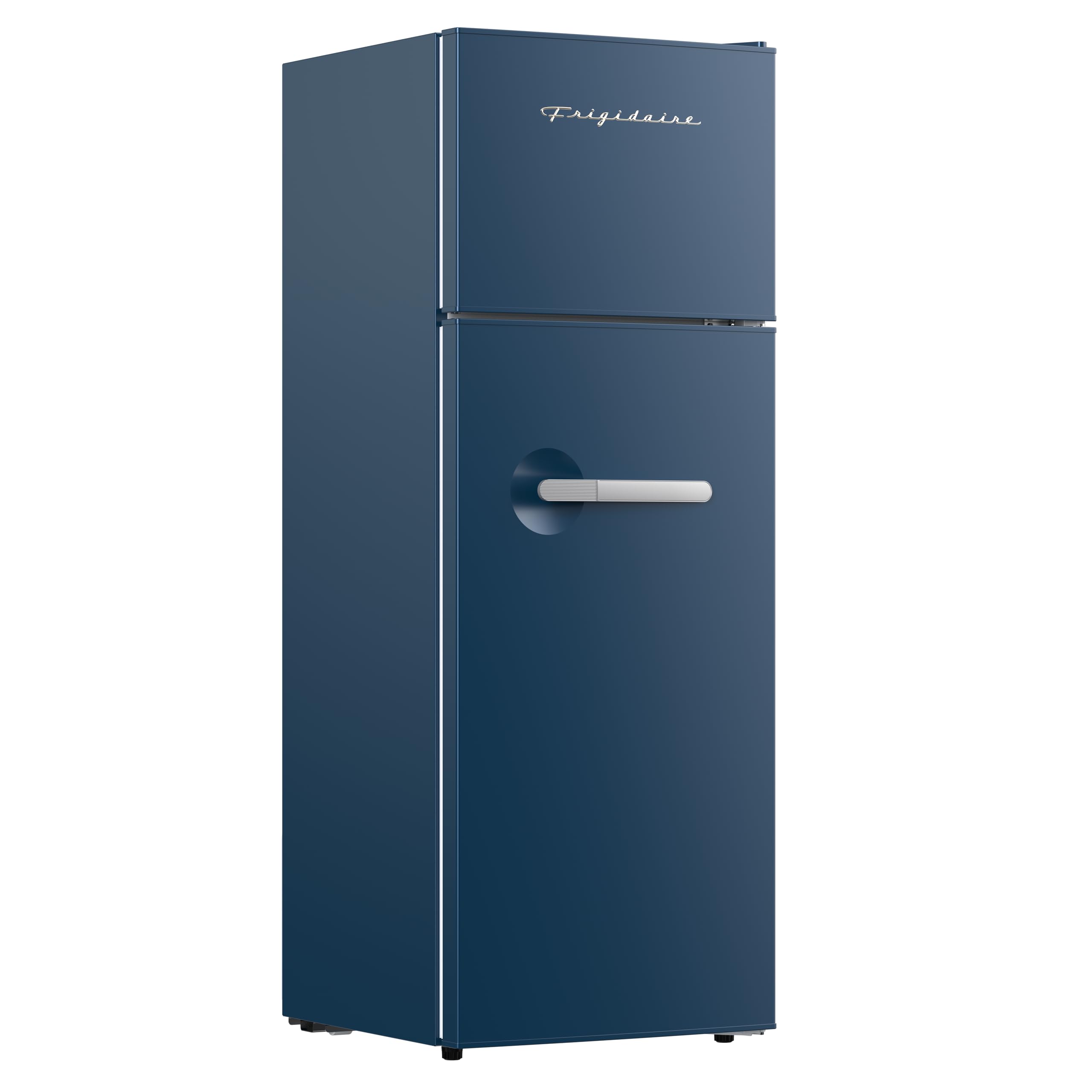
This fridge isn’t trying to disappear into your kitchen. It’s trying to be the reason your kitchen feels like yours. That’s why it shows up in tiny homes, RVs, rec rooms, and “downstairs drink station” setups. Owners love the fit for small spaces and the color—when the color matches expectations.
Now the candid reality from real users: retro models often trade “premium hardware feel” for style. Multiple owners mention the door handle being plastic and feeling less substantial than the rest of the fridge. That’s not a functional problem, but it is a “touch point” problem—you’ll grab that handle daily. If you’re okay with a retro fridge being more about vibe than heavy-duty hardware, it’s easy to love.
The bigger caution is delivery and alignment. Some buyers report misaligned doors, sealing issues, and temperature inconsistency after some time. Those are not universal experiences, but they’re serious enough that I recommend this model most for “secondary fridge” roles, or for buyers who will inspect, verify door seals, and not ignore early signs of moisture buildup or inconsistent cooling.
Why people buy it
- Gorgeous retro look – Color and trim can make a small space feel designed.
- Compact but useful – Works well in tiny homes, RVs, and small apartments.
- Spill-proof shelves – Practical convenience in daily use.
- Separate freezer door – More functional than single-door “freezer box” designs.
Good to know
- Handle hardware feel can be less premium; expect “style-first” touch points.
- Door alignment/seal issues are reported by some buyers—inspect and test early.
- Color perception can vary; if exact shade matters, be prepared for slight differences.
Ideal for: style-first buyers who want a compact retro fridge for a small space, especially as a secondary fridge or a tiny-home centerpiece.
20. Frigidaire Retro 7.5 cu. ft. (Black) – The “Snack Fridge” That Looks Good Doing It
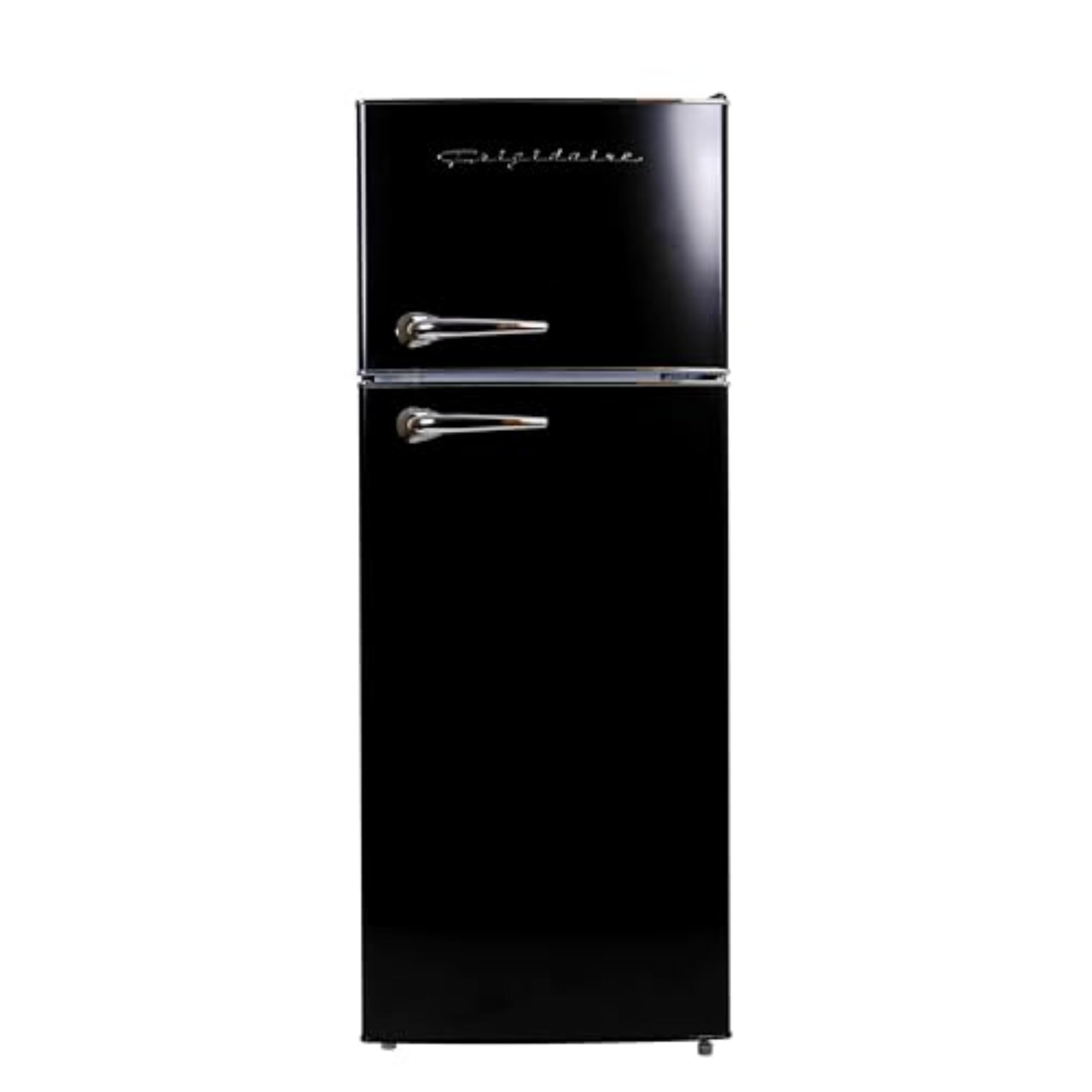
This is the compact fridge people put in a downstairs area, a patio room, a rec room, or a “kid snack zone” and then wonder why they didn’t do it sooner. Owners often describe it as quiet, cold, and surprisingly useful—especially when set to a mid-high cooling setting and not overloaded on day one. It’s also the type of fridge that becomes a “household tool,” not just an appliance.
The real-life details matter here: some users mention moisture forming inside and freezing against interior walls. That’s a common behavior in manual-defrost compact fridges, especially with frequent door openings or humid environments. The “expert fix” is simple: don’t pack items tight against cold walls, keep airflow gaps, and expect periodic maintenance if you’re in a humid area.
Also, like the azure model, some buyers feel the handle is plastic and not luxury-grade. But if your priority is a good-looking, useful compact fridge for drinks, snacks, and overflow space, it delivers a lot of everyday value.
Why it earns a spot
- Retro look that fits many spaces – Great for rec rooms, patios, and secondary kitchens.
- Useful daily storage – Makes drinks/snacks easy to manage without crowding your main fridge.
- Generally quiet – Owners often describe it as calm enough for living spaces.
- Separate freezer compartment – Better than tiny internal freezer boxes.
Good to know
- Manual defrost + humidity can mean interior moisture/ice on walls—plan basic maintenance.
- Handle feel may not match premium appliances; it’s “retro style first.”
- As with many compact units, minor dents on arrival can happen—inspect early.
Ideal for: buyers who want a stylish compact fridge for snacks and drinks, and are fine with manual-defrost upkeep and a style-first hardware feel.
How Cooling Actually Works (and Why Setup Prevents Most “Problems”)
A huge percentage of “this fridge is broken” complaints are really one of three things: (1) it wasn’t allowed to settle upright after delivery, (2) it isn’t level, or (3) it doesn’t have enough airflow clearance. When you understand the basic mechanics, you can prevent most issues before they start.
What makes a top-freezer fridge feel “premium” in daily use
- Stable temperatures, not just “cold” – You want the fridge to hold steady, not swing wildly every time the compressor cycles.
- Good airflow around food – Overstuffing and blocking vents can cause warm spots and uneven freezing.
- Smart shelf geometry – Wide, adjustable shelves are worth more than flashy features you’ll never use.
- Door seal confidence – A tight gasket seal prevents moisture, reduces cycling, and keeps both sections consistent.
- Freezer usability – A top freezer that holds ice cream hard (not just “kind of frozen”) is a freezer you can trust.
If you take one expert lesson from this guide, take this: the best fridge is the one that matches your habits and keeps its temps steady under your real “door-opening lifestyle.”
Setup moves that prevent 80% of headaches
- Let it stand upright – Especially after shipping, give it time before powering on so the system can stabilize.
- Level it properly – Leveling reduces vibration, improves sealing, and can even reduce noise.
- Give it breathing room – Leave space for heat to dissipate; trapped heat can mimic “weak cooling.”
- Load it gradually – Don’t stuff it full immediately; let temps stabilize, then build your normal load.
- Do the freezer test early – If ice cream stays soft in the main freezer section (not the door), you’ll know quickly whether it meets your needs.
- Mind the back wall – In compact fridges, items touching the cold back wall may freeze. Leave a small gap.
When you do these basics, top-freezer fridges become what they’re supposed to be: quiet, steady, and boringly reliable. And “boringly reliable” is the highest compliment for an appliance.
FAQ: Top‑Freezer Refrigerator Shopping (Without the Confusion)
How long should I wait before plugging in a new fridge after delivery?
Manual defrost vs frost-free: which should I choose?
Why does ice cream get soft in some top freezers?
What causes condensation or freezing on the back wall in compact fridges?
Should I prioritize a built-in ice maker?
What’s the #1 mistake people make when buying a fridge?
Final Thoughts: Choosing a Refrigerator With Freezer On Top That You’ll Actually Enjoy Using
A good fridge doesn’t just “cool.” It prevents waste, reduces daily friction, and makes your kitchen feel calmer. And the best part about top-freezer designs is that they often give you that calm without forcing you into complexity.
Here’s the simplest way to turn this guide into a confident purchase:
- Want the best balanced “main kitchen” choice? Start with the Kenmore 33″ 20.5 cu. ft. (White). It’s the most “normal life friendly” mix of shelf usability, organization, and everyday comfort.
- Want ice ready without getting into dispenser complexity? Choose the Kenmore 33″ 20.4 cu. ft. (Black, Ice Maker) for the convenience upgrade—just know black finishes may need more wiping.
- Need maximum capacity for a big household? The Kenmore 33″ 25 cu. ft. (White) is built for bulk groceries, big meal prep weeks, and “stop reshuffling everything” relief.
- Buying a garage/overflow fridge that will carry holidays? The Commercial Cool 20 cu. ft. (Ice Maker) is a strong utility pick if you inspect on arrival and test early.
- Small kitchen, but you want modern frost-free living? Go for the Upstreman 11.6 cu. ft. (Stainless) for a quiet, apartment-friendly footprint that still feels like a real appliance.
- Need compact + “sleep nearby” quiet? The EUHOMY 7.4 cu. ft. (Silver) is one of the most bedroom-friendly options in this list.
- Want a fridge that doubles as decor? Pick a retro statement like the Frigidaire Retro 7.5 (Azure) or the Frigidaire Retro 7.5 (Black) and treat it as a style-first secondary fridge you’ll actually enjoy seeing every day.
If you pick based on how you really live—door openings, grocery habits, freezer expectations, and where the unit will sit—you’ll end up with a refrigerator with freezer on top that feels effortless instead of “good on paper.” That’s the real win: fewer compromises, fewer surprises, and a fridge you don’t have to think about after day one.
