
Specs are compiled from manufacturer listings and verified buyer reviews and can change over time — please confirm the key details on the product page before buying.
If your basement floor is dusty, damp, or showing pale white salt stains (efflorescence), you don’t need a paint-on coating that can peel — you need a sealer that gets inside the concrete itself. The best basement floor sealer reacts within the pore structure to block moisture vapor from pushing up through the slab, which is a different job than a surface film. This guide breaks down the penetrating formulas that stand up to ground moisture, plus the surface coatings that work when you want a visible finish.
I’m Mohammad Maruf — the founder and writer behind KitchPrep. This guide is built by comparing the manufacturers’ published specifications and the patterns across verified customer reviews, so you get each pick’s real strengths and trade-offs instead of marketing spin.
You’ll see the top-rated concrete sealers side by side, with the exact coverage, durability, and application method that matter most for a damp basement. basement floor sealer options range from fast-drying water-based coats to industrial densifiers that harden the slab itself.
Our Picks at a Glance

How To Choose The Best Basement Floor Sealer
Before you pick a product, you have to decide whether you’re fighting dampness from below or just want a nicer-looking, easier-to-clean floor. That single decision splits every sealer into two camps: penetrating sealers that soak in, and film-forming coatings that sit on top.
Start with the moisture test
Tape a 12-inch square of plastic sheeting to the bare concrete and leave it for 24 hours. If water droplets form underneath, you have moisture vapor pushing up from the ground — that calls for a deep-penetrating silicate formula, not a surface coat, because a film will eventually blister or peel off from the pressure underneath.
Read the finish claims carefully
A “satin” or “wet look” label means the sealer changes how the surface appears and reflects light. A “natural” or “invisible” label means you get protection without any look change. Basement floors usually favor natural finishes that don’t darken the slab, while garages and patios often want the enhanced, richer color.
Quick Comparison
| Model | Best For | Type | Finish | Coverage | Amazon |
|---|---|---|---|---|---|
| Ames Block & Wall Liquid Rubber★ Best Overall | Heavy waterproofing on walls & floors | Rubber coating | White paint-like | — | Amazon |
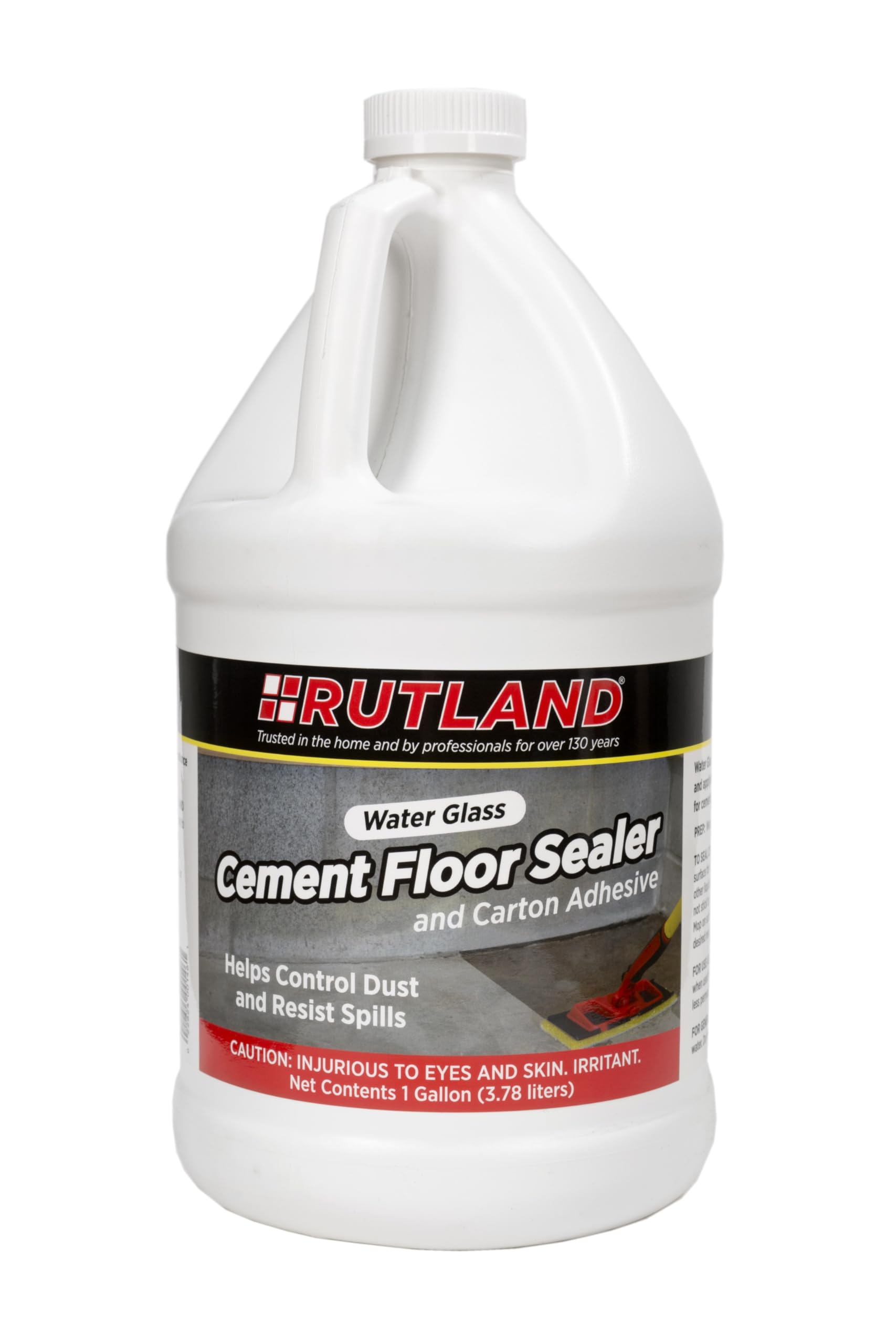
| Rutland Sodium SilicateBest Value | Sealing cracks & densifying | Penetrating silicate | Clear, paintable | Dilute 1:4 with water | Amazon |
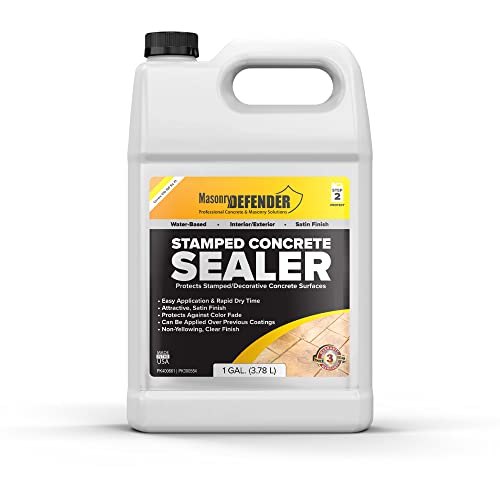
| MasonryDefender Stamped ConcreteBest Satin Finish | Patios & decorative concrete | Water-based acrylic | Clear satin | — | Amazon |
| AQUA-X 11 | Natural finish on many surfaces | Penetrating silicone | Dries clear | 100-400 sq ft/gal | Amazon |
| Armor WL550 | Matte wet-look color enhancement | Penetrating solvent | Matte wet look | 175-225 sq ft/gal | Amazon |
| CC SuperSeal 20WB | Fast-drying indoor floors | Water-based acrylic | Satin | — | Amazon |
| Lithi-Tek 9500 | Big areas & densifying | Penetrating concentrate | Natural clear | 1000 sq ft/gal dilute | Amazon |
| RadonSeal Plus | Whole basement moisture control | Penetrating silicate | Invisible | ~1000 sq ft/5 gal | Amazon |
In‑Depth Reviews
1. Ames Block & Wall Liquid Rubber Waterproofer
Our pick — over 4.5★ from 300+ verified ratings; the strongest balance of quality and price.
The thick, paint-like barrier that stops years of water intrusion in a single weekend.
If your basement walls or floor are actively weeping water, this rubber coating is the strongest wall you’ll paint on. It goes on like a thick frosting and dries tough, with buyers reporting it stopped years of water intrusion — even under a heavy pour from a damaged gutter. The formula is a liquid rubber that fills small cracks and seals cinderblock, which makes it more of a waterproofing membrane than a simple sealer.
Owners consistently describe the consistency as much thicker than typical masonry paint, noting it doesn’t run on vertical surfaces. The trade-off is that you should avoid over-thick application so it dries properly, and correct rollers matter for a smooth result. It works on both metal and wood as compatible materials, so one gallon stretches to sealing a planter bed against a cinderblock wall as well as the basement floor.
The white finish dries with a slight shimmer, and the formula is low odor — a big plus in a confined basement where you don’t want fumes near living space. People who used it on a tornado shelter report it is “working” with no complaints, which is about as direct a test of waterproofing as you can ask for.
What wins people over
- Stops active water intrusion and heavy rain exposure
- Thick, no-run consistency that fills cracks
- Low odor and easy clean-up
Who should look elsewhere
- Not a clear or invisible finish — it dries white
- Over-thick coats need extra drying care
- Best with two coats inside for full protection
Reach for it if: you want a tough, visible waterproofing layer on basement walls and floors that handles real water pressure.
Think twice if: you need a sealer that leaves the concrete’s natural look unchanged — this one clearly paints the surface.
2. Rutland Sodium Silicate Liquid Solution 40%
The multi-purpose silicate that chemically bonds with concrete and silences chalky dust.
This is the sealer that works by becoming part of the concrete, not by sitting on it. As a 40% sodium silicate solution, it chemically bonds with the slab to control concrete dust and resist water, oil, and other liquid spills — you dilute it 1 part water glass to 4 parts water for floor sealing. The result is a floor that stops producing the pale, chalky dust that makes a garage or basement feel dirty no matter how often you sweep.
It’s genuinely multi-purpose beyond floors. Buyers used it on small cracks in a garage and larger cracks on a driveway, with one reporting it “really works well” as an adhesive and waterproofing agent for cardboard and other materials. The same jug handles wood hardening and pottery adhesion, which makes it a versatile workshop addition rather than a single-job product.
The finish dries clear and can be painted after curing, so you keep the floor’s natural appearance while gaining protection. It also withstands extreme heat, rated for performance up to 2000°F. — which explains why metal casters use it to set sand cores rock solid. On the durability front, results are mixed depending on the surface, so it shines brightest as a dust controller and crack sealer on floors and driveways.
The strengths
- Chemically bonds into concrete to stop dust
- Multi-purpose: sealer, densifier, adhesive, fireproofing
- Dries clear and accepts paint afterward
The honest limits
- Durability reports are mixed, so prep matters
- Packaging can arrive loose and leak in transit
- Best diluted for floors, not used full-strength
Pick this for: the budget-minded owner who wants one jug that seals a dusty floor, repairs cracks, and works as an adhesive in the workshop.
skip it if: you want a glossy or satin surface finish — this one keeps concrete looking naturally concrete.
3. MasonryDefender Stamped Concrete Sealer
The clear satin coat that makes stamped and stained concrete look brand new again.
If your basement has a stained or stamped concrete floor, this water-based acrylic sealer adds a durable satin sheen that enhances the color while guarding against fade. It protects stained concrete, cement, and patio pavers from color loss, and the clear finish lets the surface’s own look carry the room. Buyers report their stamped concrete “looks better than new” after two roller coats, with water beading nicely on top.
Application is genuinely DIY-friendly — roll it on with a paint roller and it dries quickly, with one owner finishing a large stamped patio and noting they’d repurchase. The measurement math is straightforward: re-sealing an 18’x30′ patio took 2.5 gallons for 2 coats with a 3/8″ roller, and an 11’x20′ space used 1.5 gallons. The finish stays non-slippery after rain, which is a real safety win.
There are two small quirks to know. A few owners saw minor white haze or veining right after application that fully cured within about two weeks, and cleaning with a power washer before sealing can strip paint if you’re not careful — shop-vac or sweep instead. It dries in a few hours and still looks polished over a month later in a high-traffic area.
Why it’s a crowd-pleaser
- Enhances stamped and stained color beautifully
- Fast-drying with easy roller application
- Non-slippery surface even after rain
Before you roll
- Minor white haze can appear and needs ~2 weeks to cure
- Avoid power-washing right before sealing
- Thin formula benefits from two coats
The verdict: a beautiful, protective satin coat for decorative concrete — ideal if you want the floor to shine, not just stay dry.
The catch: this is a surface film, so it suits decorative floors more than actively-damp basement slabs.
4. AQUA-X 11 Clear Penetrating Concrete Sealer

The invisible, water-repellent shield that keeps concrete natural while blocking stains and salt.
This water-based, water-repellent sealer protects concrete against stains, spalling, freeze-thaw, pitting, and salt damage after sealing — and it leaves the surface looking completely natural. It’s a silicone-based penetrating formula, so nothing sits on top to change the color or sheen. Coverage is generous: 100-400 sq ft per gallon on concrete, up to 800 sq ft on stone, with 2-4 years before resealing.
What wins people over is how invisible it is. The sealer disappears into the concrete but beads water effectively, and it rinses clean even from stubborn spills like citronella oil. One owner sealed a large patio with 2 gallons and noted the customer-service guidance on coverage was accurate. Buyers who reapplied after four years confirm it held up well on original concrete work.
Application is a simple 1-coat spray-on with a pump sprayer. Wait 2 hours for vehicle traffic and just 1 hour for foot traffic, though high humidity and low temperatures slow drying. The formula has no harsh odor and low VOCs, so you can breathe easy indoors without masks or extra ventilation — a real advantage for basement work. Coverage complaints do pop up on very porous surfaces, where a second coat is often needed.
What owners love
- Truly invisible, natural finish
- Fast: 1 hour to foot traffic, 2 hours to vehicles
- No harsh odor, low VOCs for indoor use
Fair warning
- Porous surfaces may need a second coat
- Coverage varies on rough concrete
- Don’t apply below 50°F for 48 hours
Grab this if: you want invisible protection that keeps your basement slab looking untouched while repelling water and salt.
Pass if: you’re hoping for a visible sheen or color enhancement — this one delivers none.
5. Armor WL550 Deep Penetrating Matte Wet Look Sealer
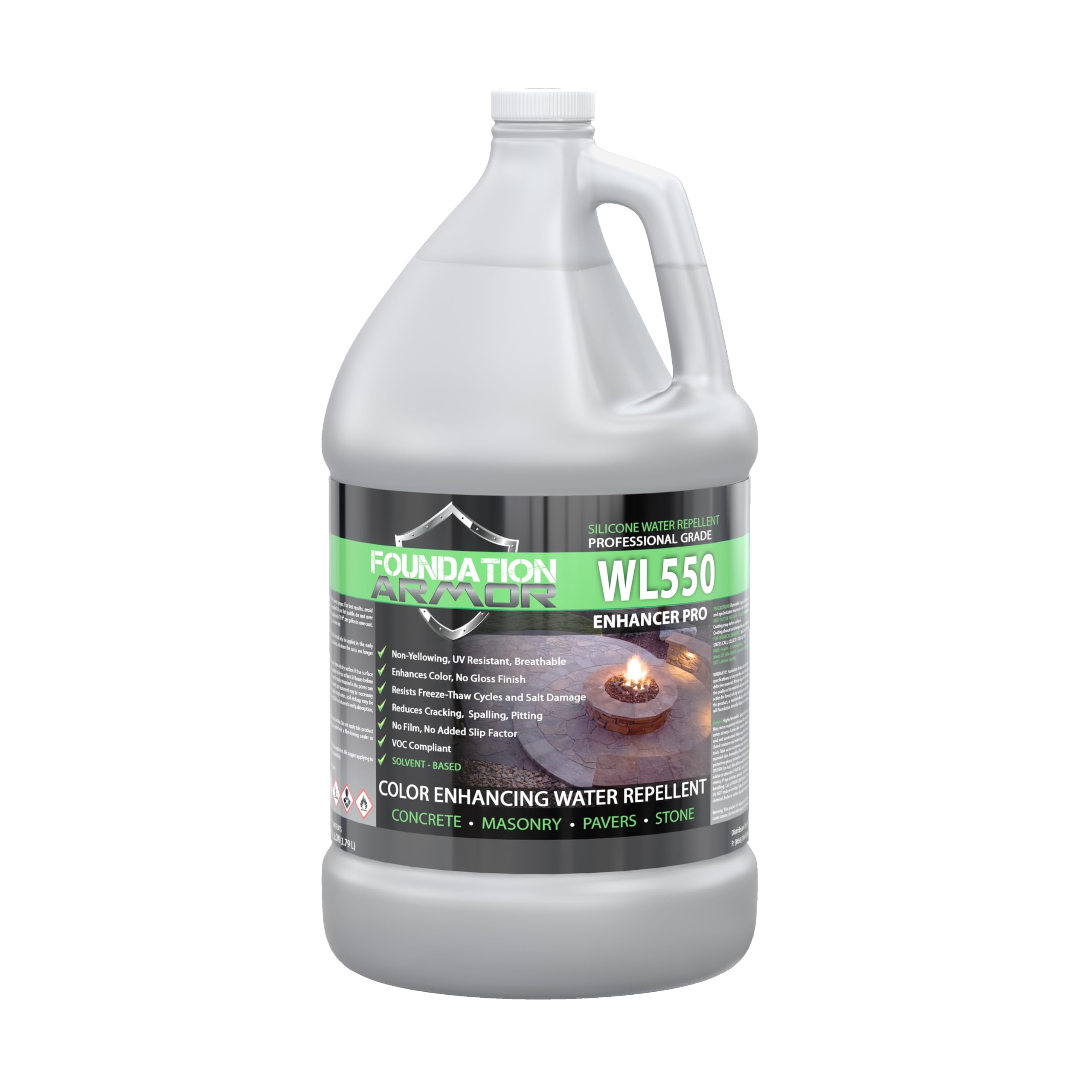
The deep-penetrating color enhancer that gives concrete a rich matte wet look from below.
This solvent-based, professional-grade sealer does something the water-based options can’t: it chemically reacts inside the concrete to form a water-repellent barrier below the surface, with no film or coating on top. That means sealed surfaces look darker and richer — the matte wet look — but feel exactly as they did before. It reduces water and liquid absorption by up to 95%, making it a strong choice for damp basement floors.
The color enhancement is the headline. Owners used it on old, dingy pavers that suddenly looked like new after re-sanding and sealing, and on natural flagstone where it enhanced the stone’s color with a clear, water-like effect. The barrier lasts up to 5-7 years, with one gallon covering 175-225 sq ft. The trade-off is honesty about the smell: it’s a solvent product that “stinks for an hour or two” when applied, though it fades once dry.
Application is ready-to-use straight from the jug with a pump sprayer. Coverage depends heavily on surface porosity — a rough 15×15′ patio took about 1.5 gallons — and porous flagstone may need a second coat for even sheen. There’s a rare report of white patina developing after a hard Pennsylvania winter on flagstone, so it’s worth confirming your surface type before committing.
The payoff
- Enhances natural color with a matte wet look
- Up to 95% reduction in liquid absorption
- Long-lasting barrier up to 5-7 years
The reality check
- Strong solvent smell for a few hours after application
- Coverage varies a lot with surface porosity
- Darkens surfaces, so test an inconspicuous area first
Choose this for: a basement or walkout patio where you want the concrete to look richer and wet without a glossy film.
Skip it for: enclosed spaces where you can’t air out a strong solvent smell during drying.
6. CC Concrete Coatings SuperSeal 20WB

The low-odor, water-based satin sealer that dries in as fast as 4 hours.
This is the sealer to reach for when you want the protection without the wait. As a water-based acrylic, it dries in as fast as 4 hours, applies to bare concrete without primer, and needs no mixing — just pour and roll. It’s a safer alternative to solvent-based sealers, with low VOC content and no irritating smell, which makes it far more pleasant for an indoor basement job.
The formula resists most chemicals and stains, and it works across many porous surfaces beyond concrete — buyers have used it to put a nice finish on tile in a master bath shower, watching water run off with no hard water deposits. It’s a versatile go-to for a floor that needs a quick, clean satin coat.
The recurring practical tip from owners is to roll it rather than spray it. Sprayers tend to clog within a minute, while rolling gives more even coverage and uses less product. Apply one coat and you’ll likely want a second, and coverage varies with how absorbent the concrete is, so budget an extra gallon for a larger basement. The finish itself gets a mixed reception: some love the perfect shine, while a few report white spots appearing after rain on outdoor surfaces.
What makes it easy
- Dries in as fast as 4 hours
- Low odor with low VOCs — comfortable indoors
- No primer, no mixing, just apply
Watch out for
- Sprayers clog quickly — use a roller instead
- White spots can appear after rain outdoors
- Coverage varies, so buy extra for porous slabs
Best for: the homeowner who wants a fast-drying satin protection layer today, without fumes hanging in the basement all evening.
Not ideal for: outdoor patios in rainy climates, where the finish’s white-spot tendency is a gamble.
7. Lithi-Tek 9500 Ultra Concentrate
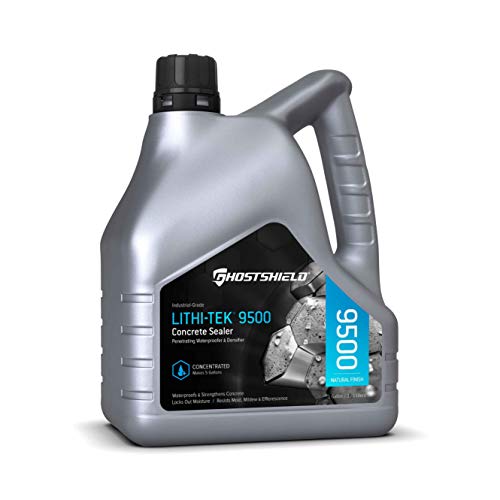
The industrial-grade concentrate that turns one gallon into five, treating up to 1000 sq ft.
This is the sealer for big jobs where buying by the gallon would get expensive fast. One gallon of Lithi-Tek 9500 mixes with 4 gallons of water to make 5 gallons of sealer treating up to 1000 sq ft per coat. — which is why owners have sealed a 1,500 sq ft driveway and paver setup in about 90 minutes with a single pump sprayer. It’s a water-based, industrial-grade formula made to densify, strengthen, and waterproof concrete all at once.
The densifying action is the real standout. It strengthens concrete up to 50%, boosts abrasion resistance, and cuts moisture, vapor, hydrostatic pressure, and ASR. It also prevents efflorescence — those white salt stains that plague basement floors. Owners mention water beading like rain on a freshly waxed car within a couple of days, and the finish stays natural and clear, preserving the original slab color.
Application is straightforward but has rules: clean and dry the surface, work in cool temps without wind, spray to dampen rather than puddle, and apply a wet-on-wet second coat before the first dries. One owner used it on a new garage and crawlspace floor specifically for moisture and radon mitigation. The main caution is discoloration — on some surfaces it can alter tone, so test a small area first.
Why it’s a pro favorite
- Strengthens concrete up to 50% while sealing
- 1 gallon + 4 water = 5 gallons of sealer
- Prevents efflorescence and water beading
Application discipline
- Requires wet-on-wet second coat timing
- Discoloration possible — test first
- Needs proper dilution, not ready-to-use
Reach for it when: you’re sealing a whole basement floor or large slab and want industrial-grade densifying power without the per-gallon cost.
Hold off if: you want a ready-to-use product with zero mixing or a colored finish — this one needs water and stays clear.
8. RadonSeal Plus Concrete Sealer
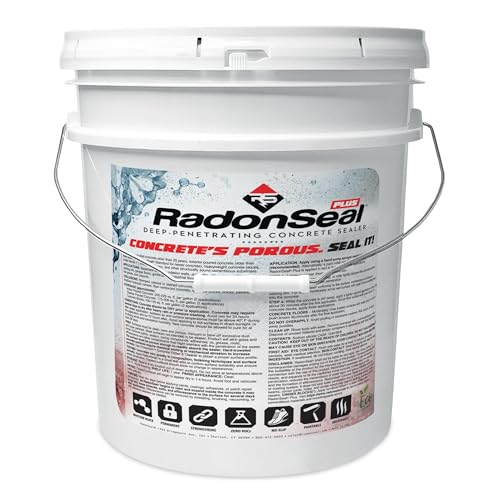
The deep-penetrating silicate that drops basement humidity and readies floors for paint or epoxy.
This is the serious answer for a damp basement slab. RadonSeal Plus penetrates deep into concrete and reacts within the pore structure to seal capillaries, reducing water intrusion and moisture vapor transmission through basement floors and foundation walls. It’s a blended silicate that chemically densifies weak concrete, reducing dusting and improving resistance to water, salts, and freeze-thaw cycles.
The results are measurable, not cosmetic. Customers note basement humidity dropping from 75% to 45%, with one rainy-weather case falling from 55-78% to 40% during rain and 27-32% when dry. A dehumidifier that previously ran constantly began shutting off on its humidity setting after treatment. The internal seal won’t peel, blister, or wear away over time because it reacts inside the concrete rather than sitting on the surface.
It’s also paintable and coating-compatible, preparing the slab for epoxy coatings, concrete paints, overlays, and adhesives by reducing moisture movement. Application is simple with a sprayer, roller, or brush, and it dries to a natural, invisible finish with no gloss or darkening. One 5-gallon bucket covers up to ~1000 sq ft. The honest caveat: prep is significant — one owner spent months grinding the floor to bare concrete — and it performed poorly on cinder block walls, where the company’s own guidance points to a companion product instead.
What sold owners
- Measurably drops basement humidity and radon
- Invisible finish, won’t peel or wear away
- Prepares floors for paint or epoxy later
Know before you buy
- Substantial prep — grinding to bare concrete often needed
- Not the answer for cinder block walls
- Two coats required for best results
Choose it for: the finished basement where humidity and mustiness are the problem, and you may later want to epoxy or paint the floor.
Pass it by if: your moisture is coming through cinder block walls rather than the slab — you’ll need a different approach there.
Understanding the Specs
Penetrating vs Film-Forming
A penetrating sealer soaks into the concrete and chemically reacts inside the pore structure, like RadonSeal or Lithi-Tek. It stops moisture vapor from pushing up and won’t peel, but it also changes little about how the floor looks. A film-forming sealer, like the Ames rubber coating, sits on top of the surface where you can see it — which means it can blister if moisture is pushing up hard from below.
Coverage and Dilution
Coverage claims tell you how far a gallon goes, but they assume a clean, non-porous surface. The AQUA-X 11 quotes 100-400 sq ft per gallon on concrete, while the Lithi-Tek 9500 concentrate treats up to 1000 sq ft per coat after you dilute it 1 part to 4 parts water. Porous or rough slabs eat more product, so always budget a little extra and plan a second coat.
FAQ
What is the difference between a concrete sealer and a densifier?
Can I apply a basement floor sealer over old paint or epoxy?
How long does a basement floor sealer last before I need to reapply?
Will a basement floor sealer stop my floor from sweating or feeling damp?
What does efflorescence mean and how do I stop it?
Can I paint or epoxy over a sealed basement floor?
Is a water-based sealer as good as a solvent-based one for basements?
How do I know if my basement floor needs a sealer at all?
Final Thoughts: The Verdict
For most basements with active dampness, the basement floor sealer winner is the RadonSeal Plus because it measurably drops humidity and readies the floor for future epoxy. If you want an invisible one-coat spray that keeps concrete looking natural, the AQUA-X 11 wins on ease and fast drying. And if a visible, tough waterproofing barrier on walls and floors is the goal, the Ames Block & Wall is the crowd favorite that stops years of water intrusion.
How We Picked
We do not accept paid placement. Every pick is matched to a real buyer and a real use-case; we do not hands-on test units.
Sources & Methodology
Specifications: manufacturer listings and product documentation. Review insights: verified customer reviews, as of August 2026. Pricing: not shown on this page (it changes often); check the current price via the retailer link.
As an Amazon Associate, KitchPrep earns from qualifying purchases. This does not affect which products we feature.
Related Guides
